
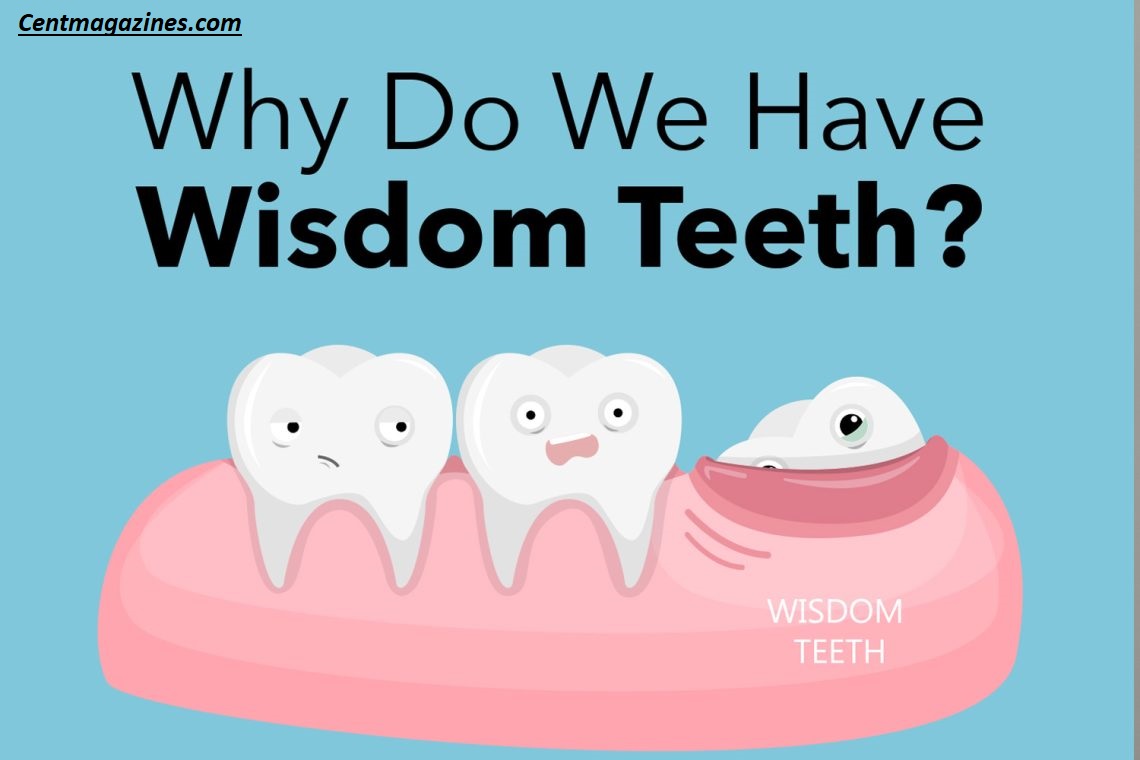
Why Are They Called Wisdom Teeth? Are the third set of molars that usually appear between ages 17 and 25.
They are called wisdom teeth because they erupt at a more mature age, when a person is considered older and “wiser.”
The term dates back to ancient times, including descriptions by Hippocrates and later medical writers who noticed these teeth appeared later than others.
In dental terms, they are also known as Third molars.
Many people today experience problems with wisdom teeth because modern jaws are smaller, which can lead to crowding, impaction, or the need for removal.
Table of Contents
Quick Table
| Topic | Key Insight |
|---|---|
| Wisdom teeth meaning | Third molars that appear later in life |
| Why are they called wisdom teeth | They grow during the “age of wisdom” (late teens/early 20s) |
| Wisdom teeth age | Typically 17–25 years |
| Evolutionary purpose | Helped early humans chew tough foods |
| Common issues | Lack of jaw space, impaction, pain |
| Do we need them? | Not always necessary today |
| Treatment | Monitoring or removal/extraction |
What Are Wisdom Teeth?
If you’ve ever wondered what are wisdom teeth, the answer is simple: they are your third molars, the last set of teeth to develop in the back of your mouth.
Most people have four wisdom teeth—two on the top and two on the bottom—though some may have fewer or none at all.
The wisdom teeth meaning comes from their timing. Unlike your other teeth, which appear during childhood, wisdom teeth erupt much later.
They usually emerge when your jaw is fully developed, making them unique in human dentition.
These teeth were once essential for our ancestors. Early humans had larger jaws and a diet that included raw plants, nuts, and tough meats.
Wisdom teeth helped with chewing food that required extra grinding power.
Today, however, human jaws have evolved to be smaller. This often leads to wisdom teeth problems, as there may not be enough space for them to grow properly.
As a result, many people experience discomfort or need dental evaluation.
In short, wisdom teeth are a fascinating part of human biology—once useful, now often problematic, but still an important topic in modern dental care.
Why Are They Called Wisdom Teeth?
So, why are they called wisdom teeth?
The name comes from the age at which they appear. Wisdom teeth typically erupt during the late teens or early twenties—a stage of life traditionally associated with gaining maturity and wisdom.
Because of this timing, they became known as “wisdom teeth.”
The idea isn’t modern. In fact, ancient civilizations recognized this pattern.
The origin of wisdom teeth name can be traced back to classical philosophy and early medicine, where adulthood was linked to intellectual growth.
When these teeth appeared, it symbolized a transition into a wiser phase of life.
Scientifically, they are simply third molars, but the cultural meaning stuck. Across languages and cultures, the same concept exists—teeth that come with age and maturity.
Interestingly, there’s nothing inherently “wise” about these teeth. They don’t improve intelligence or thinking ability. The name is purely symbolic, based on timing rather than function.
This combination of biology and cultural interpretation explains why wisdom teeth are called that, making it one of the most interesting naming stories in human anatomy.
At What Age Do Wisdom Teeth Grow?
The typical wisdom teeth age range is between 17 and 25 years old. This is why they are associated with adulthood and maturity.
However, not everyone follows the same timeline. Some people may see their wisdom teeth erupt earlier, while others may not develop them at all.
In rare cases, wisdom teeth remain buried beneath the gums, a condition known as impacted wisdom teeth.
The process of eruption can vary:
- Some teeth grow in straight and cause no issues
- Others come in at an angle
- Some remain partially erupted, leading to complications
The timing is linked to jaw development. By the late teens, your jaw has usually reached its full size. Unfortunately, for many people, there isn’t enough room left for these additional molars.
This is where wisdom teeth problems begin. Symptoms can include:
- Pain or pressure in the back of the mouth
- Swelling or infection
- Difficulty chewing
Understanding why wisdom teeth grow late helps explain both their name and the issues they often cause. Their late arrival is the key factor behind both their identity and their reputation.
Evolutionary Purpose of Wisdom Teeth
To understand why do we have wisdom teeth, we need to look at human evolution.
Thousands of years ago, early humans had very different diets.
They ate raw vegetables, hard nuts, roots, and uncooked meat. This required strong jaws and extra teeth for grinding. Wisdom teeth served as backup molars, helping with heavy chewing.
At that time:
- Human jaws were larger
- Tooth wear was more common
- Extra molars were useful
Over time, cooking and food processing changed everything. As diets became softer, the need for additional molars decreased. Meanwhile, human jaws gradually became smaller due to evolutionary changes.
This mismatch created modern wisdom teeth problems. While the teeth still develop, the jaw often lacks space to accommodate them.
From an evolutionary perspective, wisdom teeth are considered vestigial structures—body parts that once had a function but are no longer essential.
So, the answer to why do we have wisdom teeth lies in our past. They are a biological leftover from a time when humans needed stronger chewing power to survive.
Why Do Wisdom Teeth Cause Problems?
Today, wisdom teeth problems are extremely common. The main reason is simple: lack of space.
Modern human jaws are smaller than those of our ancestors. When wisdom teeth try to erupt, they often don’t have enough room. This leads to several complications.
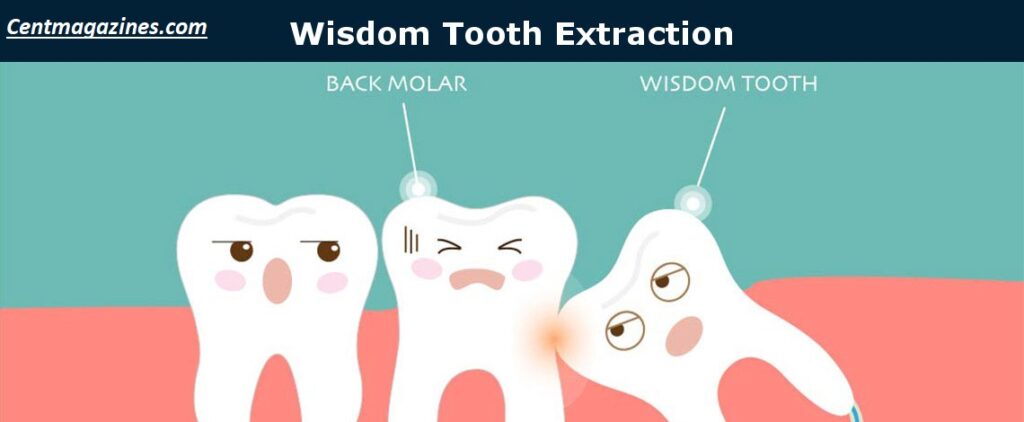
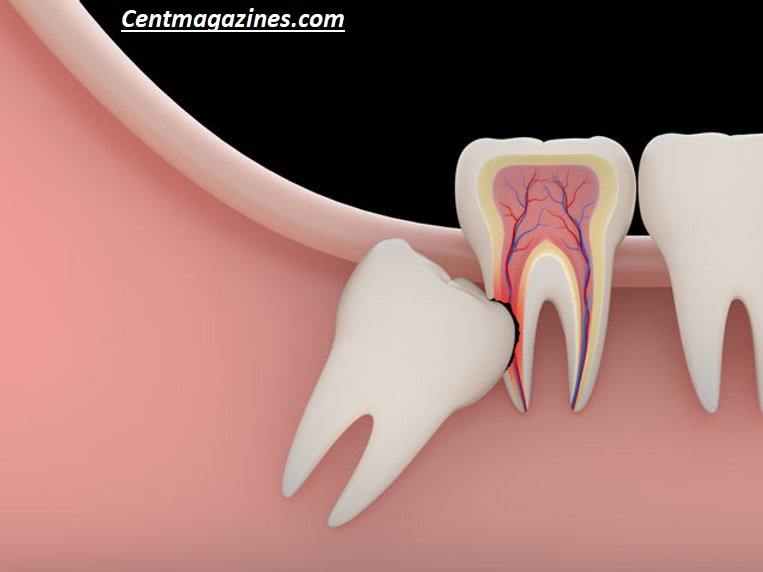
One of the most common issues is impacted wisdom teeth. This happens when a tooth:
- Grows sideways
- Gets trapped under the gum
- Pushes against neighboring teeth
Impacted teeth can cause:
- Pain and swelling
- Infection
- Damage to nearby teeth
- Gum disease
Another issue is partial eruption. When a tooth only partially breaks through the gum, it creates an opening where bacteria can enter. This increases the risk of infection.
Even when wisdom teeth grow in properly, they can be hard to clean due to their location. This makes them more prone to cavities.
Because of these risks, dentists often recommend monitoring or removal/extraction. Early evaluation helps prevent serious complications.
In short, wisdom teeth cause problems not because they are harmful by nature, but because our modern anatomy no longer supports them effectively.
Do You Really Need Wisdom Teeth?
A common question is: do you really need wisdom teeth?
The answer for most people today is no. While they once served an important purpose, modern humans can function perfectly without them.
If your wisdom teeth grow in correctly and don’t cause any issues, they may not need to be removed. In such cases, they can function like normal molars and help with chewing.
However, many people experience wisdom teeth problems, including crowding, pain, or infection. When this happens, dentists often recommend removal/extraction to prevent further complications.
Here’s a simple breakdown:
| Situation | Recommendation |
|---|---|
| Healthy and properly aligned | Keep and monitor |
| Impacted or painful | Remove |
| Causing crowding | Remove |
| High risk of infection | Remove |
The decision depends on individual factors such as jaw size, tooth position, and overall oral health.
So while wisdom teeth are not always necessary, they are not always harmful either. Proper dental evaluation is key to deciding what’s best for you.
FAQs
What are wisdom teeth?
They are the third molars located at the back of your mouth.
Why are wisdom teeth called that?
Because they appear during the age associated with maturity and wisdom.
At what age do wisdom teeth grow?
Typically between 17 and 25 years old.
Do all people get wisdom teeth?
No, some people never develop them.
Do wisdom teeth always need removal/extraction?
No, only if they cause problems or are impacted.
Conclusion
Understanding why are they called wisdom teeth reveals a fascinating mix of biology, history, and evolution.
These teeth, known as third molars, earned their name simply because they appear later in life—during a stage associated with maturity and wisdom.
While they once played a crucial role in helping early humans chew tough foods, their importance has diminished over time.
Changes in diet and jaw size have made them less necessary, leading to common wisdom teeth problems such as crowding, pain, and impaction.
Today, wisdom teeth are more of a dental concern than a necessity. Some people can keep them without any issues, while others may require removal/extraction to maintain oral health.
Factors like jaw space, alignment, and hygiene all play a role in determining the outcome.
By exploring topics like what are wisdom teeth, their evolutionary purpose, and the typical wisdom teeth age, we gain a complete understanding of their role in the human body.
In the end, wisdom teeth are a reminder of our evolutionary past—teeth that once helped us survive, now often requiring careful management in the modern world.