
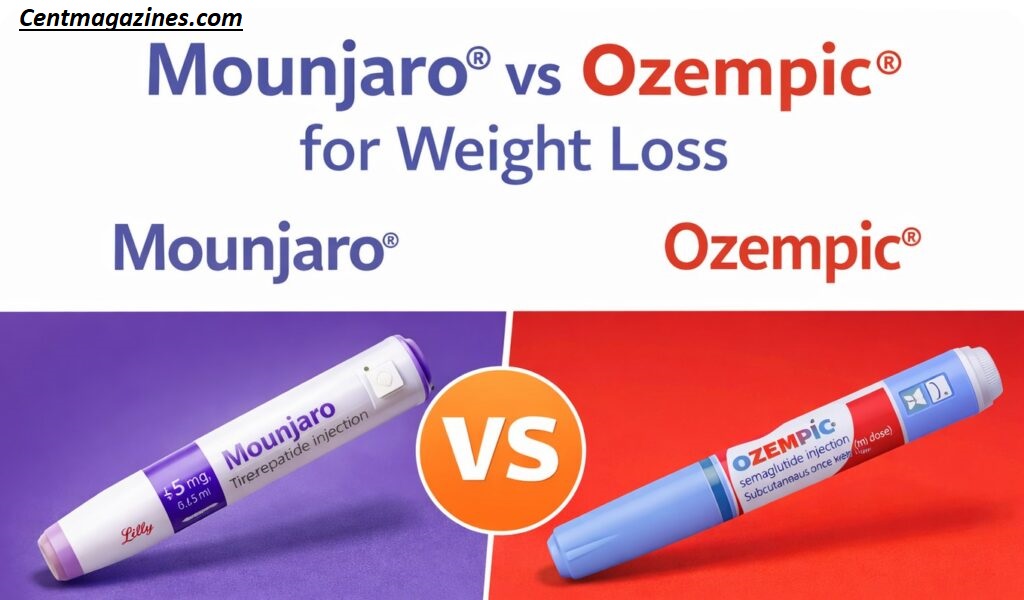
Why Is Mounjaro Better Than Ozempic? Bcause it targets two key hormones—the GIP hormone and GLP-1 receptor agonist—while Ozempic targets only one.
This dual action improves blood sugar control, boosts insulin sensitivity, and leads to stronger appetite suppression.
In clinical trials, Mounjaro has shown greater HbA1c reduction and more significant weight loss compared to Ozempic.
Both medications have FDA approval for type 2 diabetes treatment, but Mounjaro’s broader mechanism can deliver more powerful results.
However, the best choice still depends on individual needs, tolerance, and medical advice from a healthcare provider.
Table of Contents
Quick Table
| Feature | Mounjaro (Tirzepatide) | Ozempic (Semaglutide) |
|---|---|---|
| Drug Type | Dual incretin (GIP + GLP-1 receptor agonist) | GLP-1 receptor agonist |
| Main Use | Type 2 diabetes treatment | Type 2 diabetes treatment |
| Weight Loss | Higher (up to ~20%+) | Moderate (~10–15%) |
| Mechanism | Targets GIP hormone + GLP-1 | Targets GLP-1 only |
| Blood Sugar Control | Strong HbA1c reduction | Effective HbA1c reduction |
| Appetite Suppression | Stronger | Moderate |
| FDA Approval | Yes | Yes |
| Dosing | Weekly injection | Weekly injection |
Quick Answer
Mounjaro may be better than Ozempic for many people because it works on two hormones (GIP hormone and GLP-1 receptor agonist) instead of one.
This dual action can lead to greater weight loss, improved blood sugar control, and stronger appetite suppression.
Clinical trials show that Mounjaro often produces higher HbA1c reduction and better insulin sensitivity compared to Ozempic.
However, “better” depends on your goals, medical condition, and tolerance to side effects.
Both medications have FDA approval for type 2 diabetes treatment, and Ozempic may still be a better choice for some individuals.
What Is Mounjaro vs Ozempic?
Mounjaro and Ozempic are both injectable medications used for type 2 diabetes treatment, but they work differently in the body.
Understanding their mechanism is key to knowing why one might be more effective than the other.
Mounjaro (tirzepatide) is a newer medication that acts as a dual incretin therapy, targeting both the GIP hormone and the GLP-1 receptor agonist pathway.
These hormones play a crucial role in regulating blood sugar control, insulin sensitivity, and appetite suppression. By activating both pathways, Mounjaro provides a broader metabolic effect.
Ozempic (semaglutide), on the other hand, works only as a GLP-1 receptor agonist.
It helps lower blood sugar levels by increasing insulin release, slowing digestion, and reducing appetite.
While effective, it targets only one pathway, which may limit its overall impact compared to dual-action therapies.
Both medications have received FDA approval and are widely prescribed.
They are typically administered once weekly and are often recommended for people struggling with HbA1c reduction, obesity, or poor glucose control.
In simple terms:
- Ozempic = single-hormone approach
- Mounjaro = dual-hormone advantage
This difference is the foundation of their effectiveness.
Why Mounjaro May Be More Effective
Mounjaro is often considered more effective than Ozempic because it targets multiple metabolic pathways simultaneously.
This gives it an edge in improving blood sugar control, weight loss, and insulin sensitivity.
Unlike traditional GLP-1 receptor agonist drugs, Mounjaro combines the effects of GLP-1 with the GIP hormone, which enhances how the body processes glucose and fat.
This dual action leads to more comprehensive metabolic improvements.
Another reason for its effectiveness is its impact on appetite suppression.
Many patients report feeling fuller for longer, which naturally reduces calorie intake. This contributes significantly to weight loss outcomes seen in clinical trials.
Additionally, Mounjaro shows stronger HbA1c reduction, making it highly effective for people struggling to control their diabetes.
While Ozempic is still a powerful option, its single-pathway mechanism may not deliver the same level of results for some patients.
Dual Hormone Advantage
The biggest difference lies in Mounjaro’s dual mechanism. It activates both the GIP hormone and GLP-1 receptor agonist, while Ozempic only targets GLP-1.
The GIP hormone improves insulin sensitivity and enhances how the body uses energy. When combined with GLP-1, it creates a synergistic effect that improves blood sugar control more efficiently.
This dual approach also supports better appetite suppression, helping patients feel satisfied with smaller meals.
That’s why many experts believe dual incretin therapies represent the future of type 2 diabetes treatment.
Greater Weight Loss Results
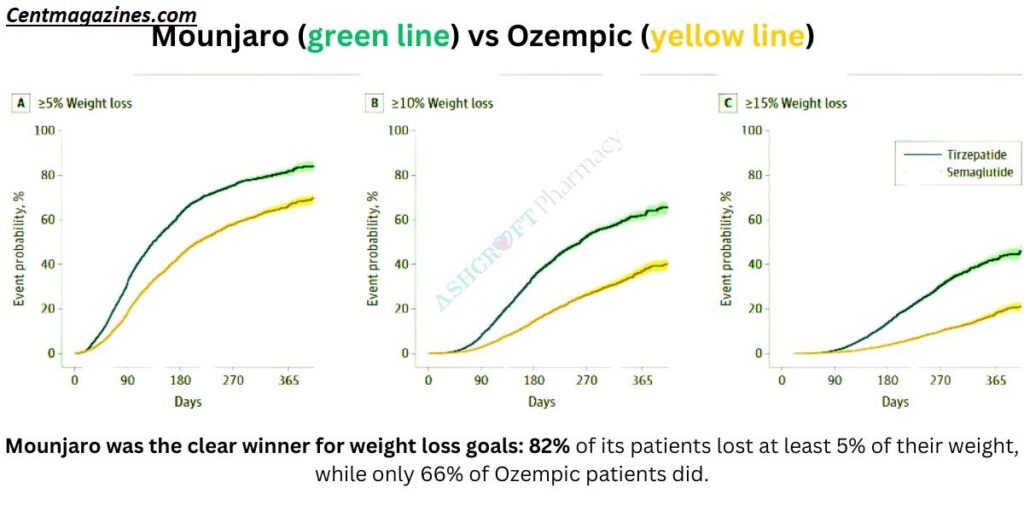
One of the most talked-about differences is weight loss. In multiple clinical trials, Mounjaro has shown significantly higher weight loss compared to Ozempic.
Patients using Mounjaro have reported losing up to 20% or more of body weight, while Ozempic users typically lose around 10–15%.
This is largely due to stronger appetite suppression and improved metabolism.
The combination of GIP hormone and GLP-1 receptor agonist helps regulate hunger signals more effectively, making it easier to maintain a calorie deficit.
For individuals focused on obesity management, this can be a major advantage.
Better Blood Sugar Control
Mounjaro also excels in blood sugar control. It has demonstrated superior HbA1c reduction in head-to-head clinical trials.
This means it can lower average blood glucose levels more effectively over time.
The addition of the GIP hormone enhances insulin sensitivity, allowing the body to use insulin more efficiently. This reduces glucose spikes after meals and stabilizes blood sugar levels throughout the day.
While Ozempic is still highly effective as a GLP-1 receptor agonist, Mounjaro’s dual action gives it an advantage for patients needing tighter glucose control.
When Ozempic Might Be Better
Despite Mounjaro’s advantages, Ozempic may be a better option in certain situations.
First, Ozempic has been on the market longer and has a more established safety profile. Some doctors prefer it for patients who want a medication with more long-term data and familiarity.
Additionally, Ozempic may be better tolerated by some individuals.
Because Mounjaro is more potent, it can sometimes cause stronger side effects, especially during the initial weeks. Patients who are sensitive to medications may find Ozempic easier to manage.
Cost and accessibility can also play a role. In some regions, Ozempic is more widely available and may be covered more easily by insurance plans.
Another factor is patient-specific goals. If someone is primarily focused on moderate blood sugar control rather than aggressive weight loss, Ozempic may be sufficient.
Finally, individual response matters. Not everyone reacts the same way to medications. Some patients may achieve excellent HbA1c reduction and appetite suppression with Ozempic alone.
In short, while Mounjaro may be more powerful, Ozempic remains a strong and reliable option.
Side Effects Comparison
Both Mounjaro and Ozempic share similar side effects because they affect incretin hormones. The most common side effects include:
- Nausea
- Vomiting
- Diarrhea
- Constipation
- Decreased appetite
These effects are mainly due to slowed digestion and increased appetite suppression.
However, Mounjaro may cause slightly stronger gastrointestinal symptoms because of its dual action involving the GIP hormone and GLP-1 receptor agonist.
This doesn’t happen to everyone, but it’s something to consider.
On the positive side, these side effects often decrease over time as the body adjusts. Starting with a lower dose and gradually increasing it can help minimize discomfort.
Both medications have received FDA approval, which means they have been evaluated for safety and effectiveness.
However, they are not suitable for everyone, especially individuals with certain medical conditions.
It’s also important to monitor blood sugar control closely, as these medications can significantly impact glucose levels.
Always consult a healthcare provider to determine which option is safer based on your personal health history.
Real Results & Studies
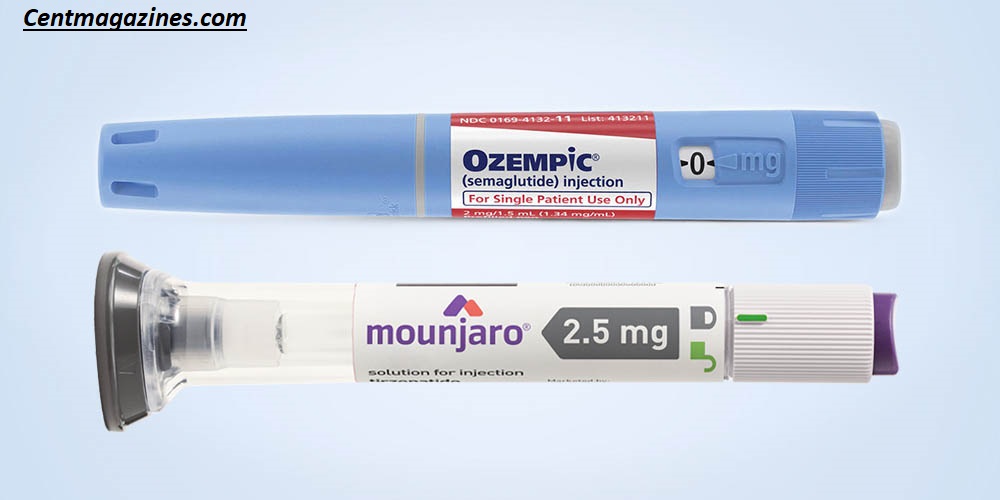
The effectiveness of Mounjaro vs Ozempic is supported by multiple clinical trials.
In studies comparing tirzepatide (Mounjaro) with semaglutide (Ozempic), Mounjaro consistently showed superior results in both weight loss and HbA1c reduction.
Participants using Mounjaro achieved greater improvements in blood sugar control and insulin sensitivity.
This is largely due to its dual action on the GIP hormone and GLP-1 receptor agonist pathways.
In some trials, patients lost over 20% of their body weight with Mounjaro, compared to lower percentages with Ozempic.
These results have made it a popular option for individuals dealing with both diabetes and obesity.
Additionally, both medications demonstrated strong safety profiles and received FDA approval, reinforcing their role in type 2 diabetes treatment.
Real-world results also mirror clinical findings. Many patients report reduced cravings, better appetite suppression, and improved energy levels.
However, outcomes can vary depending on lifestyle factors such as diet and exercise. Medications work best when combined with healthy habits.
Which One Should You Choose?
Choosing between Mounjaro and Ozempic depends on your personal health goals, medical history, and how your body responds to treatment.
If your primary goal is maximum weight loss and stronger blood sugar control, Mounjaro may be the better option due to its dual mechanism involving the GIP hormone and GLP-1 receptor agonist.
It offers superior HbA1c reduction, improved insulin sensitivity, and enhanced appetite suppression.
On the other hand, if you prefer a medication with a longer track record and potentially milder side effects, Ozempic may be more suitable.
It is still highly effective for type 2 diabetes treatment and has helped many patients achieve stable glucose levels.
Cost, availability, and insurance coverage can also influence your decision. Additionally, your doctor may recommend one over the other based on your specific condition.
The best approach is to discuss your options with a healthcare provider. They can evaluate your needs and guide you toward the most appropriate treatment.
Remember, there is no one-size-fits-all answer—only what works best for you.
FAQs
Is Mounjaro always better than Ozempic?
No, it depends on individual needs and response to treatment.
Which drug has better weight loss results?
Mounjaro generally shows greater weight loss in clinical trials.
Are both FDA approved?
Yes, both have FDA approval for type 2 diabetes treatment.
Which has fewer side effects?
Ozempic may be better tolerated by some people.
Can I switch between them?
Only under medical supervision.
Conclusion
So, why is Mounjaro better than Ozempic? The answer lies in its dual mechanism and stronger overall results.
By targeting both the GIP hormone and acting as a GLP-1 receptor agonist, Mounjaro delivers enhanced blood sugar control, improved insulin sensitivity, and greater appetite suppression.
These factors contribute to its superior performance in HbA1c reduction and weight loss, as seen in multiple clinical trials.
However, “better” does not mean universally superior.
Ozempic remains a highly effective and trusted option for type 2 diabetes treatment, especially for those who prioritize stability, affordability, or fewer side effects.
The truth doctors don’t always emphasize is that the best medication depends on the individual. Factors like tolerance, lifestyle, and long-term goals all play a role.
If you’re deciding between the two, focus on what matters most to you—whether it’s maximum weight loss, better glucose control, or overall comfort with the treatment.
In the end, both medications represent major advancements in diabetes care, and choosing the right one can significantly improve your health and quality of life.