
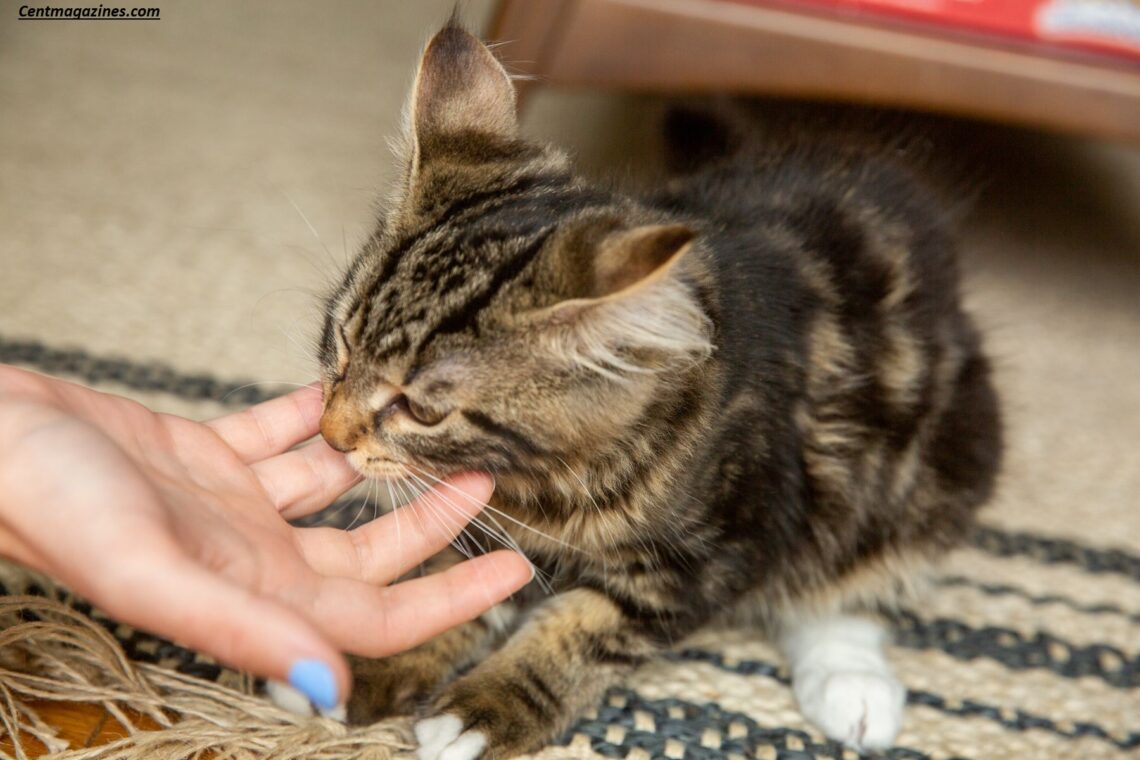
Why is my cat biting me? Many people experience sudden cat nipping, cat biting during play, or even aggressive bites when petting their cat.
Understanding cat biting behavior is important because biting is a form of feline communication.
Cats often bite due to overstimulation, play aggression, fear, hunting instinct, or attention-seeking behavior.
Sometimes, medical issues like arthritis, infection, dental disease, or feline hyperesthesia syndrome can also trigger biting.
This guide explains why your cat bites you, the warning signs of cat aggression, and how to stop cat biting using positive reinforcement and behavior modification.
By learning your cat’s body language signs, you can reduce feline behavior problems and build a better relationship with your pet.
Table of Contents
Quick Table
| Cat Biting Reason | What It Means | Common Signs | What You Should Do |
|---|---|---|---|
| Overstimulation | Too much petting | Tail flicking, ears back | Stop petting immediately |
| Play Aggression | Cat thinks it’s playtime | Pouncing, grabbing hands | Use toys instead |
| Love Bites | Affection gesture | Gentle nipping | Redirect behavior |
| Fear or Defense | Cat feels threatened | Hissing, hiding | Give space |
| Pain or Medical Problems | Cat is hurting | Sudden aggression | Visit a vet |
| Redirected Aggression | Frustration redirected | Sudden attack | Remove trigger |
| Attention Seeking | Cat wants interaction | Light biting | Play with cat |
| Hunting Instinct | Natural predator instinct | Pouncing feet | Use interactive toys |
| Frustration or Boredom | Lack of stimulation | Aggressive play | Increase playtime |
Why Is My Cat Biting Me?
Cat biting is a very common behavior, and it can mean many different things depending on the situation. Here is a detailed breakdown of why your cat might be biting you:
Play Aggression
The most common reason cats bite is during play. Cats are natural hunters, and when they get excited during playtime, they may bite, scratch, or pounce.
This is especially common in kittens who are still learning how to control their behavior.
Solution: Use toys like wands or laser pointers instead of your hands during play.
Overstimulation
This is called “petting-induced aggression.” Your cat may be enjoying being petted, but suddenly reaches a sensory overload point and bites to say “enough is enough.” Watch for warning signs like:
- Tail flicking or thumping
- Skin rippling
- Flattened ears
- Turning their head toward your hand
Solution: Learn your cat’s limits and stop petting before the warning signs appear.
Communication
Cats cannot speak, so biting is sometimes their way of communicating with you. A gentle, soft bite (also called a “love bite”) can mean:
- “I love you”
- “Pay attention to me”
- “I want to play”
These bites are usually light and not painful.
Fear or Stress
If your cat feels threatened, cornered, or scared, it may bite as a defensive mechanism. This can happen when:
- You approach too quickly
- There are loud noises or strangers around
- The cat is in an unfamiliar environment
Solution: Give your cat space and let it come to you on its own terms.
Pain or Illness
A cat that is hurting or sick may bite when touched, especially near the painful area. If your normally gentle cat suddenly starts biting, it could be a sign of an underlying health issue such as:
- Arthritis
- Dental pain
- Internal injury or illness
Solution: Take your cat to a vet for a checkup if biting is sudden and unusual.
Territorial Behavior
Cats are naturally territorial animals. If they feel their space is being invaded, they may bite to protect their territory. This is common when:
- A new pet or person enters the home
- You rearrange furniture or change their environment
Redirected Aggression
Sometimes a cat gets agitated by something it cannot reach, like an outdoor cat seen through a window. It may then redirect that frustration and bite the nearest person, even if that person did nothing wrong.
Lack of Socialization
Cats that were not properly socialized as kittens may not know how to interact gently with humans. They may bite more frequently simply because they were never taught that biting is not acceptable.
Love Bites
Some cats give gentle nibbles as a sign of affection. These are not aggressive bites — they are just your cat’s way of bonding with you, similar to how cats groom each other.
Quick Tips to Stop Cat Biting
- Never use your hands as toys
- Say a firm “No” and stop interaction when bitten
- Reward calm and gentle behavior with treats
- Provide enough mental and physical stimulation
- Visit a vet if biting is sudden or aggressive
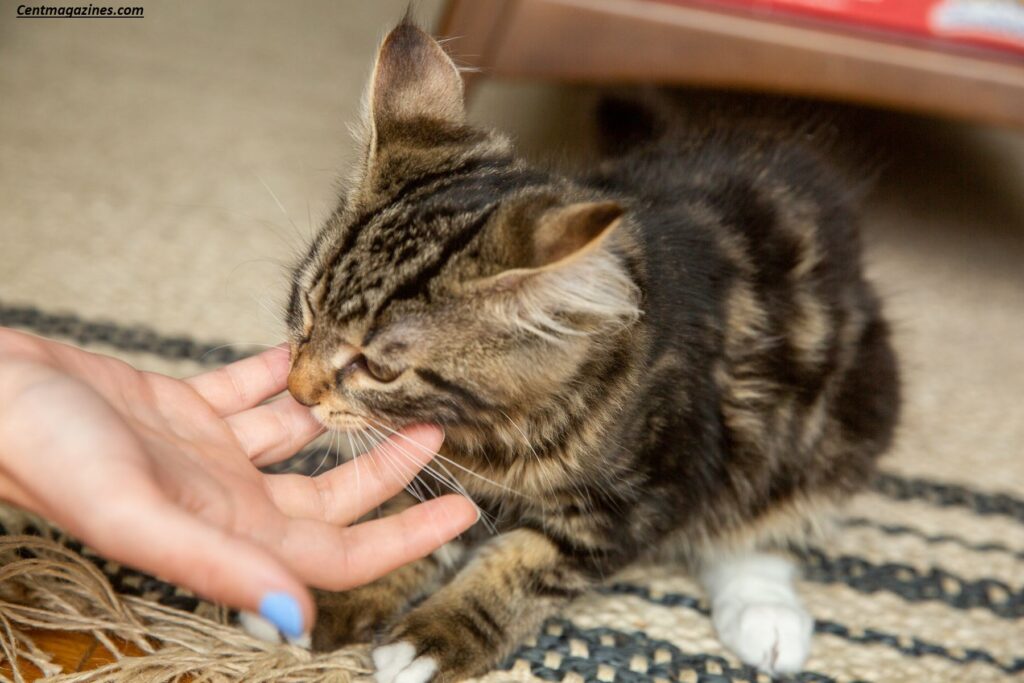
Why Do Cats Bite Their Owners?
Understanding why your cat bites is the first step to addressing the behavior. Most of the time, it is completely normal and manageable with a little patience and the right approach!
Cats bite for many reasons, and it doesn’t always mean your cat is angry. In fact, cat biting behavior is often a normal part of feline behavior and communication.
Cats use their mouths to explore their environment. For example, kittens often bite during play because it helps them develop hunting skills.
This behavior can continue into adulthood if it is not properly redirected.
One common cause is petting aggression in cats, also known as overstimulation.
Your cat may enjoy being petted for a short time but becomes overwhelmed if the stimulation continues. When this happens, your cat might bite as a way to say, “Stop.”
Another reason is play aggression. When cats see moving hands or feet, their hunting instinct kicks in. They may pounce and bite because they treat the movement like prey.
Sometimes, biting is related to defensive behavior.
If your cat feels threatened or scared, it may bite to protect itself. This is common when cats encounter unfamiliar people, loud noises, or sudden movements.
Medical issues can also cause biting. Pain from arthritis, infection, dental disease, or feline hyperesthesia syndrome can make cats irritable. If biting happens suddenly, it may be due to a pain response.
Understanding the reasons behind cat aggressive behavior will help you solve the problem and prevent future bites.
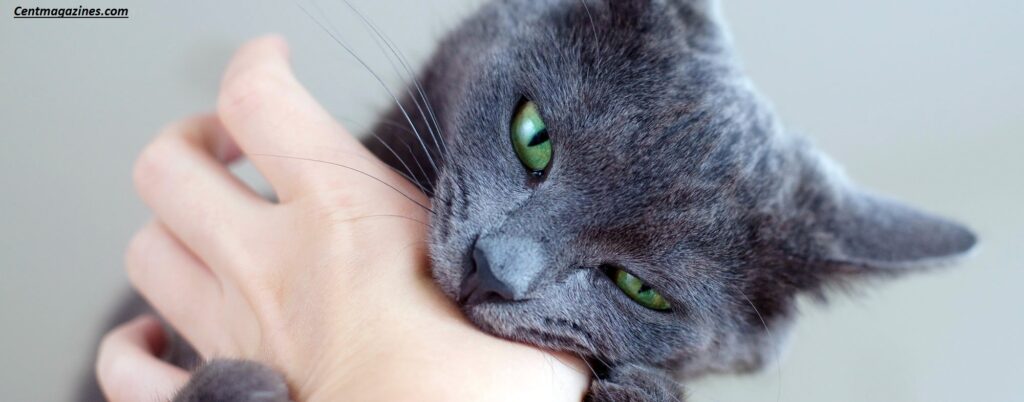
9 Surprising Reasons Your Cat Is Biting You
If your cat bites you, there is usually a clear explanation behind the behavior.
Many owners assume their cat is simply being aggressive, but biting is often linked to natural feline instincts or communication signals.
Common cat bite reasons include overstimulation, play aggression, love bites, fear, medical problems, redirected aggression, attention seeking, hunting instinct, and boredom.
Some bites are gentle nips that show affection, while others happen during intense play sessions.
Recognizing the difference between playful and aggressive biting is important. By paying attention to cat body language signs, you can identify triggers and reduce biting incidents.
Let’s explore the most common reasons cats bite their owners.
Overstimulation
Overstimulation is one of the most common causes of petting aggression in cats. Many cats enjoy affection but only for a limited amount of time.
When you pet a cat repeatedly, nerve endings in the skin can become sensitive. Eventually, the stimulation becomes uncomfortable, triggering cat aggressive behavior.
The cat may first show warning signs such as tail flicking, flattened ears, or twitching skin.
If these signals are ignored, the cat may respond with cat nipping or biting to make the interaction stop.
To prevent overstimulation, watch your cat’s body language signs carefully. Stop petting when your cat begins showing signs of irritation.
Learning your cat’s tolerance level can reduce feline behavior problems and prevent bites.
Play Aggression
Play aggression occurs when cats treat humans as play targets. This is common in kittens but can continue into adulthood.
During play, cats may pounce, grab hands, and bite because they are practicing hunting skills. This type of cat biting during play is driven by their hunting instinct.
Unfortunately, if owners encourage this behavior by playing with their hands, the cat learns that biting people is acceptable.
The best way to solve this issue is to redirect play toward appropriate objects.
Use cat toys such as feather wands, laser pointers, or toy mice. Interactive toys allow cats to release their energy without attacking their owners.
Training with positive reinforcement and clicker training can also help teach cats appropriate play behavior.
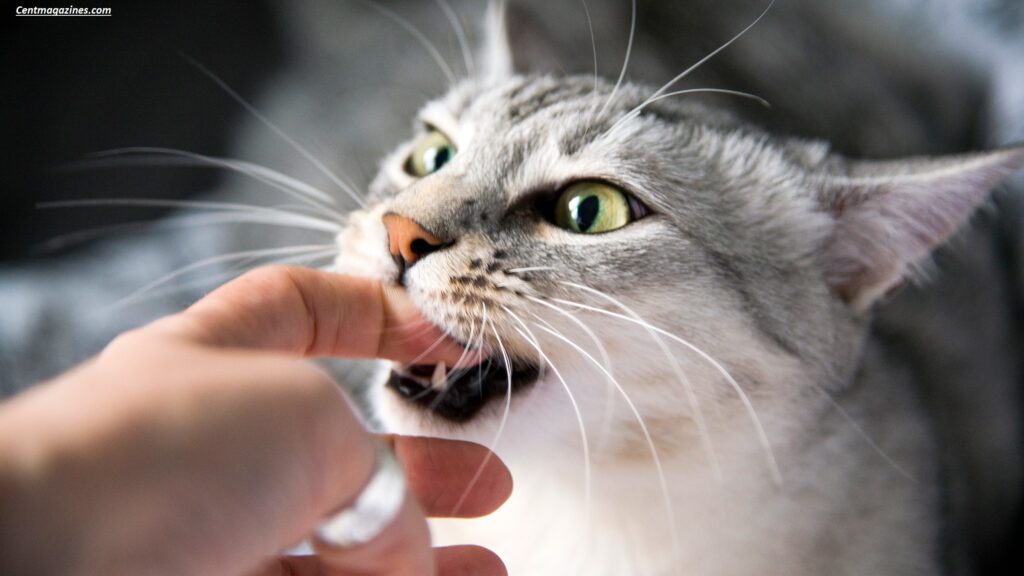
Love Bites
Sometimes a bite is actually a sign of affection. These gentle bites are often called love bites.
A love bites cat behavior usually occurs when a cat is relaxed and enjoying attention. The bite is soft and does not break the skin. Cats may also lick their owners afterward.
This behavior is believed to come from social grooming. Cats groom each other and may use small nips as part of that process.
Although love bites are usually harmless, they can still become a problem if they are too frequent. If your cat starts biting during cuddling, calmly redirect play or give the cat a toy to chew.
Fear or Defense
Cats sometimes bite because they feel scared or threatened. This is called defensive behavior.
If a cat senses danger, it may try to escape first. But if escape is impossible, the cat may bite as a last resort.
Common triggers include:
- Loud noises
- Strangers
- Sudden movements
- Being handled too roughly
Signs of fear include hissing, growling, flattened ears, and a puffed-up tail.
If your cat bites due to fear, the best solution is to give the cat space. Avoid forcing interaction and allow the cat to approach you when it feels safe.
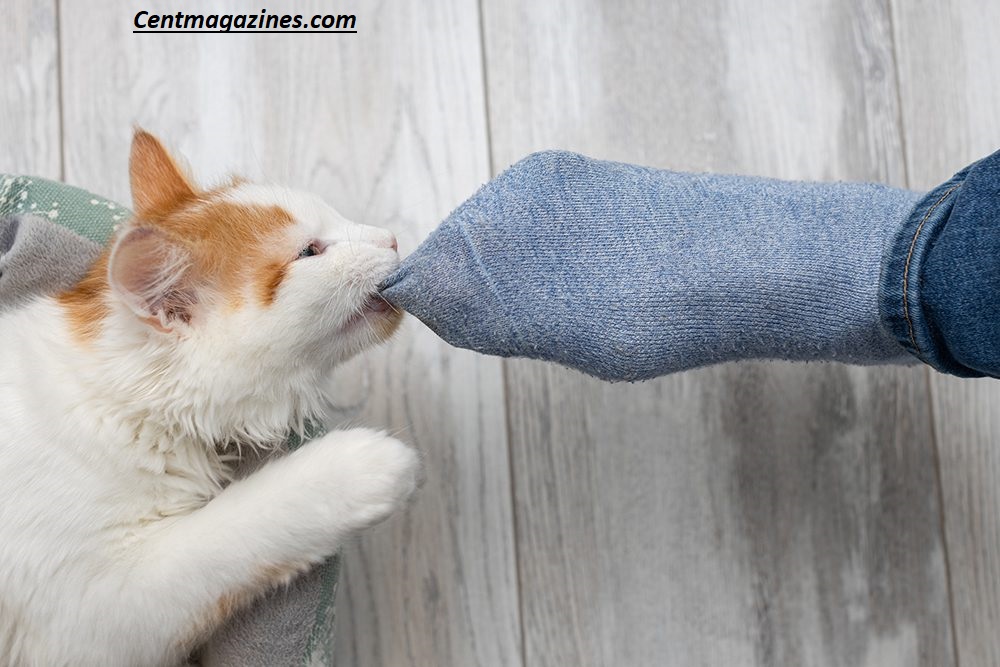
Pain or Medical Problems
Sometimes biting is caused by pain or illness. Cats experiencing discomfort may react aggressively when touched.
Medical issues that can cause biting include:
- Arthritis
- Dental disease
- Infection
- Feline hyperesthesia syndrome
These conditions create a pain response, making the cat sensitive to touch. Even gentle petting may trigger a bite.
If your cat suddenly begins biting without an obvious reason, it is important to consult a veterinarian. Treating the underlying medical issue often resolves the behavior.
Redirected Aggression
Redirected aggression happens when a cat becomes frustrated by something it cannot reach.
For example, a cat might see another animal through the window but cannot chase it. The frustration builds until the cat suddenly bites the nearest person.
This form of cat aggressive behavior can appear unpredictable, but it is usually triggered by an external stimulus.
To prevent redirected aggression, identify the trigger and remove it if possible. Providing interactive toys and playtime can help release built-up energy.
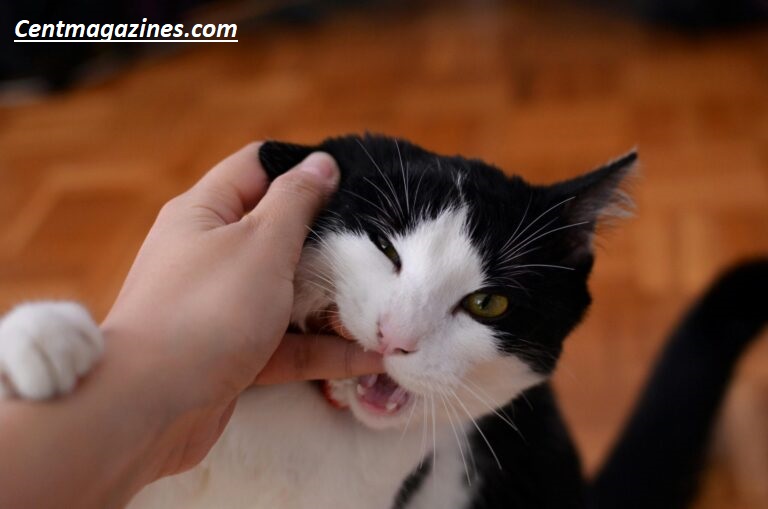
Attention Seeking
Some cats bite simply because they want attention.
If a cat learns that biting causes the owner to react, it may repeat the behavior. Even negative attention can reinforce the habit.
For example, a cat may nip your hand or foot when it wants food, playtime, or affection.
The best solution is to ignore the bite and reward calm behavior. When your cat behaves gently, offer praise, treats, or playtime. This method uses positive reinforcement to encourage better behavior.
Hunting Instinct
Cats are natural predators. Even indoor cats have a strong hunting instinct.
Moving objects such as hands, feet, or dangling strings can trigger this instinct. The cat may pounce, grab, and bite as if the object were prey.
This behavior often leads to cat attacks during play, especially if the cat has excess energy.
Providing daily exercise with cat toys helps satisfy the hunting instinct. Toys that mimic prey movements are especially effective.
Frustration or Boredom
Cats that lack stimulation often develop feline behavior problems. Bored cats may become destructive or aggressive.
If a cat does not receive enough mental and physical stimulation, it may bite as a way to release frustration.
Signs of boredom include:
- Excessive biting
- Restless behavior
- Scratching furniture
- Attacking feet or hands
To reduce boredom, provide interactive toys, climbing structures, puzzle feeders, and daily play sessions.
Warning Signs Your Cat Is About to Bite
Cats usually give warning signals before biting. Learning these cat body language signs can help you prevent bites.
Common warning signs include:
- Tail flicking or whipping
- Flattened ears
- Dilated pupils
- Skin twitching
- Sudden silence during play
- Growling or hissing
These signals indicate overstimulation or irritation. If you notice them, stop interacting with the cat immediately.
For example, if your cat starts twitching its tail while being petted, it may be experiencing petting aggression in cats. Continuing to pet the cat could lead to a bite.
Another sign is stiff body posture. When a cat becomes tense, it may be preparing to attack.
Understanding feline body language is essential for preventing cat aggressive behavior. Paying attention to subtle signals allows you to stop interactions before a bite occurs.
How to Stop Your Cat from Biting
Stopping cat biting behavior requires patience and consistent training.
One of the most effective methods is behavior modification. This technique focuses on changing the cat’s response to certain situations.
Here are some helpful strategies:
1. Use Positive Reinforcement
Reward your cat for calm behavior. Treats, praise, or playtime encourage gentle interactions.
2. Redirect Play
If your cat bites during play, immediately redirect play to cat toys such as feather wands or balls.
3. Avoid Using Your Hands as Toys
Playing with hands teaches cats that biting people is acceptable.
4. Provide Daily Exercise
Active cats are less likely to develop play aggression or frustration.
5. Try Clicker Training
Clicker training helps cats learn new behaviors through reward-based training.
6. Respect Boundaries
Stop petting when your cat shows signs of overstimulation.
With time and consistency, these methods can significantly reduce biting.
Mistakes Cat Owners Make
Many owners accidentally encourage cat biting behavior without realizing it.
One common mistake is playing with hands instead of toys. When kittens learn that hands are play objects, they continue biting as adults.
Another mistake is ignoring cat body language signs. If a cat shows signs of irritation but the owner keeps petting, the cat may bite to stop the interaction.
Punishing a cat for biting is also ineffective. Cats do not understand punishment the way humans do. Instead, punishment can increase fear and defensive behavior.
Some owners also fail to provide enough stimulation. Without interactive toys, playtime, or enrichment, cats may develop feline behavior problems such as biting.
Finally, many owners overlook medical causes. Conditions like arthritis, infection, dental disease, or feline hyperesthesia syndrome can cause sudden aggression.
Avoiding these mistakes can greatly improve your relationship with your cat.
When to See a Vet
Occasional cat nipping during play is normal, but frequent or severe biting may indicate a deeper issue.
You should consult a veterinarian if:
- Biting behavior appears suddenly
- Your cat shows signs of pain
- Bites break the skin regularly
- Aggression becomes frequent or severe
- The cat shows unusual behavior changes
A veterinarian can evaluate potential medical causes such as arthritis, infection, dental disease, or neurological conditions like feline hyperesthesia syndrome.
If no medical issue is found, the vet may recommend a behavior specialist who can help with behavior modification training.
Early intervention is important because untreated aggression can worsen over time.
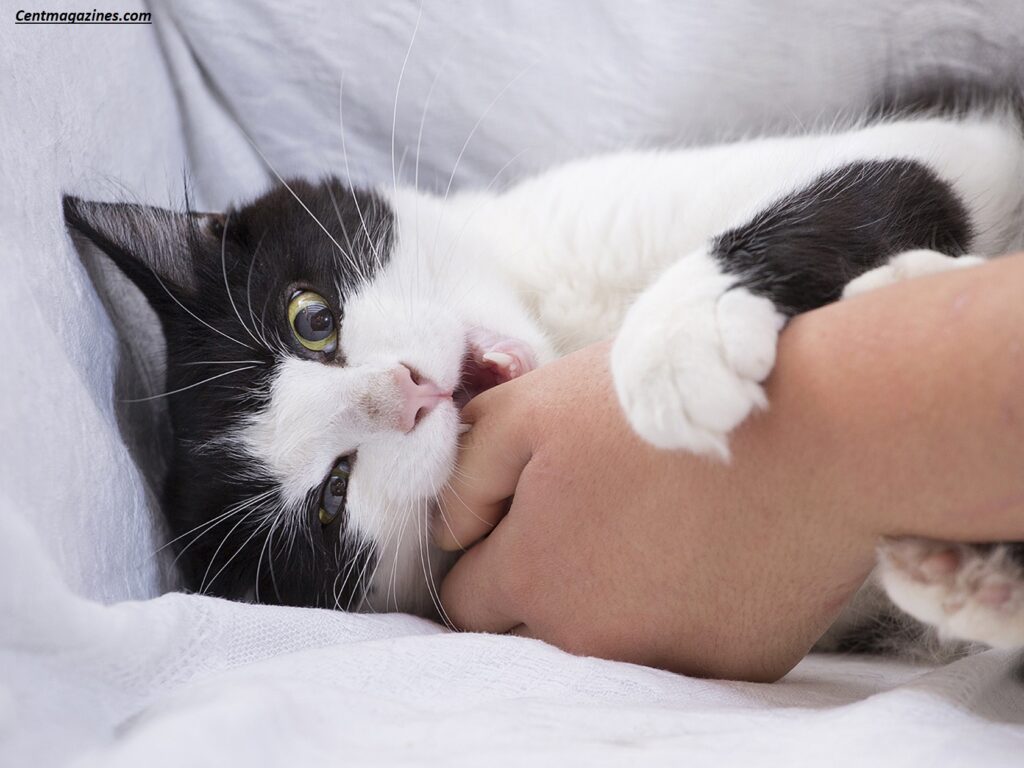
FAQs
Why does my cat bite me when petting?
Your cat may be experiencing overstimulation, a common cause of petting aggression in cats.
Why does my cat bite me gently then lick me?
This is often a love bite, a form of affectionate grooming behavior.
Why does my cat bite during play?
Cats bite during play due to play aggression and hunting instinct.
Can medical problems cause cat aggression?
Yes. Conditions like arthritis, dental disease, infection, or feline hyperesthesia syndrome can trigger biting.
How do I stop my cat from biting my hands?
Use cat toys, redirect play, and train with positive reinforcement.
Conclusion
If you’ve ever asked yourself “Why is my cat biting me?”, the answer usually lies in understanding feline behavior.
Cats bite for many reasons, including overstimulation, play aggression, love bites, fear, redirected aggression, attention seeking, hunting instinct, boredom, and medical problems.
Recognizing these triggers can help you respond appropriately and prevent future bites.
Learning to read cat body language signs is one of the most important skills for any cat owner. Small signals like tail flicking, ear position, or skin twitching often appear before a bite occurs.
By using positive reinforcement, redirect play, clicker training, and behavior modification, you can teach your cat safer ways to interact.
Providing enrichment through cat toys, play sessions, and environmental stimulation also reduces frustration and aggression.
Finally, never ignore sudden changes in behavior.
If biting becomes frequent or severe, consult a veterinarian to rule out medical causes such as arthritis, infection, dental disease, or feline hyperesthesia syndrome.
With patience and understanding, you can reduce cat biting behavior, strengthen your bond with your pet, and create a safer, happier home for both of you and your feline companion.