
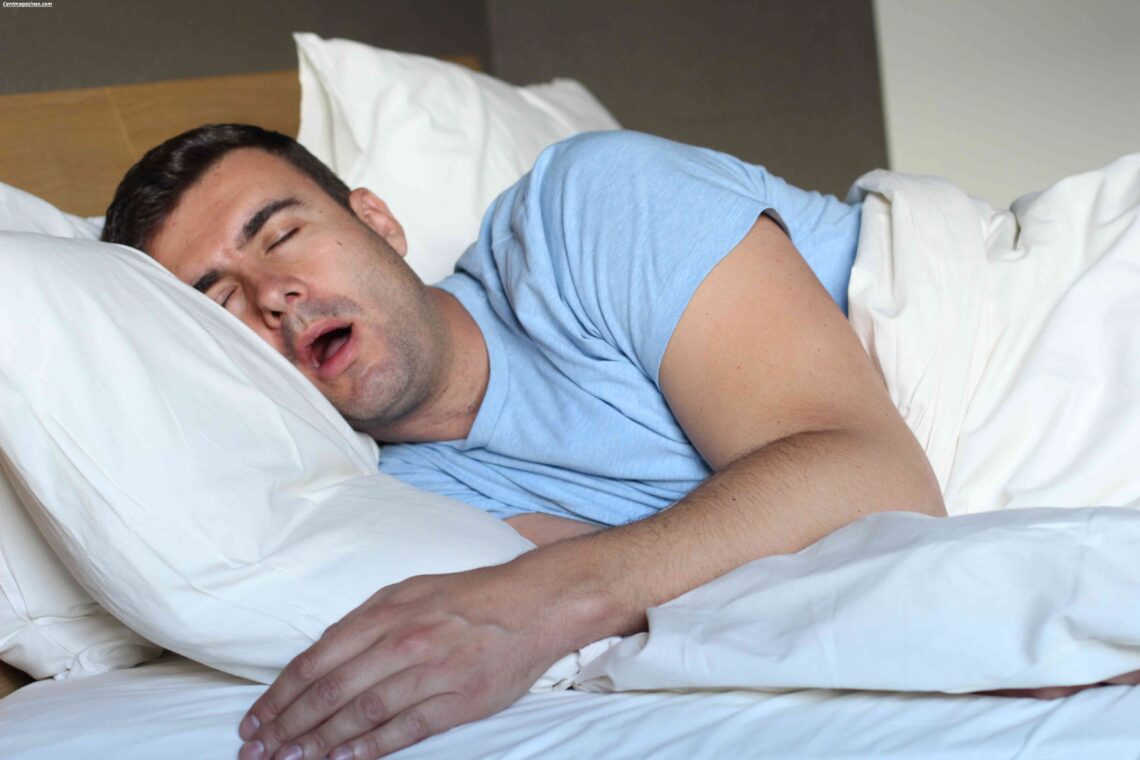
Why Do I Drool So Much When I Sleep? It happens when saliva builds up in the mouth and leaks out because the muscles that control swallowing relax during sleep.
Sleeping on your side or stomach can make drooling more likely because gravity allows saliva to escape.
Other causes include nasal congestion, allergies, acid reflux, certain medications, or excessive saliva production.
In some cases, drooling may be linked to sleep disorders like sleep apnea. Improving sleep posture, treating nasal blockage, and maintaining good oral health can help reduce drooling.
If drooling is severe or persistent, a doctor or dentist may evaluate the underlying cause.
Table of Contents
Quick Table
| Cause | Why It Happens | Quick Fix |
|---|---|---|
| Sleep position | Gravity pulls saliva out | Sleep on your back |
| Mouth breathing | Mouth stays open | Treat nasal blockage |
| Nasal congestion | Blocked nose forces mouth breathing | Use saline spray |
| Medications side effects | Increase saliva production | Talk to your doctor |
| Sleep apnea | Disrupts breathing & swallowing reflex | Seek medical evaluation |
| GERD / digestion issues | Acid reflux affects saliva control | Adjust diet & sleep angle |
| Neurological disorders | Affect swallowing reflex | Medical treatment needed |
| Bruxism (teeth grinding) | Jaw tension affects saliva flow | Mouth guard |
Why Do I Drool So Much When I Sleep?
Drooling during sleep is very common and usually harmless. Here is a detailed breakdown of why it happens:
Sleep Position
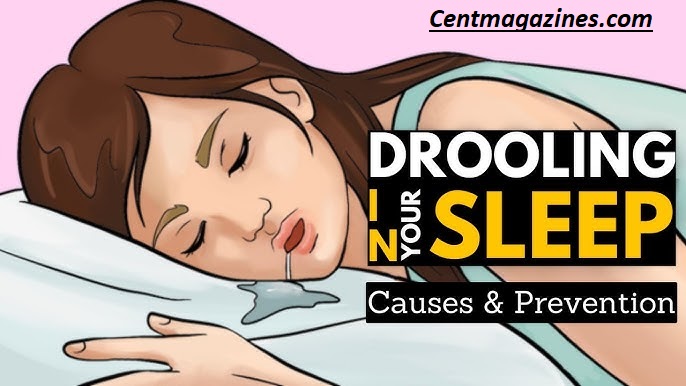
The most common reason for drooling is sleeping on your side or stomach. When you sleep in these positions, gravity pulls saliva toward the edge of your mouth, making it easier to drool.
Back sleepers tend to drool less because saliva naturally flows down the throat.
Your Mouth Falls Open
During deep sleep, your facial muscles relax completely, causing your mouth to fall open. When this happens, saliva has nowhere to go but out, leading to drooling.
Excess Saliva Production
Some people naturally produce more saliva than others. This can be influenced by diet, medications, or health conditions. When saliva production is high, the mouth cannot keep up with swallowing it during sleep.
Nasal Congestion or Blocked Airways If your nose is blocked due to a cold, allergies, or sinus issues, you tend to breathe through your mouth during sleep.
Mouth breathing increases the chances of saliva escaping.
Sleep Apnea
People with sleep apnea often breathe through their mouths and experience abnormal muscle relaxation during sleep, which significantly contributes to drooling.
Acid Reflux (GERD) Gastroesophageal reflux disease
can stimulate excess saliva production as the body tries to neutralize stomach acid, leading to more drooling at night.
Medications
Certain medications, especially antipsychotics, antibiotics, and some neurological drugs, can increase saliva production as a side effect.
Neurological Conditions
Conditions like Parkinson’s disease, cerebral palsy, or stroke can affect muscle control around the mouth, making it harder to manage saliva during sleep.
Allergies and Infections Seasonal allergies, sinus infections, or throat infections can increase mucus and saliva production, worsening nighttime drooling.
How to Reduce Drooling During Sleep
- Sleep on your back to let gravity help
- Treat nasal congestion with decongestants or nasal strips
- Stay hydrated during the day
- See a doctor if drooling is excessive and linked to snoring or sleep apnea
- Consult a doctor if medications may be the cause
When to See a Doctor? If drooling is sudden, excessive, or accompanied by difficulty swallowing, facial weakness, or snoring, it is worth consulting a healthcare professional to rule out any underlying condition.
In most cases, drooling during sleep is perfectly normal and nothing to worry about!
Is Drooling in Your Sleep Normal?
Yes — in most cases, drooling in your sleep is completely normal. Your body continues saliva production even when you’re asleep.
During the day, your brain automatically triggers the swallowing reflex, so saliva doesn’t build up. But at night, that reflex slows down significantly.
This is why many people wake up with a wet pillow or notice occasional drooling while sleeping.
It’s especially common if you sleep on your side or stomach, where gravity allows saliva to escape your mouth more easily.
However, excessive drooling at night can sometimes signal something more than just a sleeping position issue.
If you notice sudden changes, heavy drooling, or other symptoms like snoring or breathing problems, it could be linked to conditions like sleep apnea, nasal congestion, or even neurological disorders.
In short:
- Mild drooling = normal
- Frequent or heavy drooling = worth investigating
Understanding the cause is the key to fixing it effectively.

Why Do I Drool When I Sleep?
If you’re wondering, “why do I drool so much when I sleep?”, the answer usually comes down to a mix of body mechanics, breathing patterns, and health factors.
At night, your body relaxes — including your facial muscles.
This relaxation can cause your mouth to open slightly, especially if you’re experiencing mouth breathing due to blocked nasal passages. When your mouth stays open, saliva has an easy path out.
Another important factor is reduced swallowing reflex activity during sleep. Since you’re not swallowing as often, saliva accumulates.
Combine that with certain positions, and drooling becomes more likely.
Other triggers include:
- Increased saliva production
- Medications side effects
- Sleep disorders like sleep apnea
- Jaw issues like bruxism (teeth grinding)
The key insight most competitors miss:
Drooling is not caused by one thing — it’s usually a combination of factors happening at the same time.
Common Causes of Drooling While Sleeping
Sleep Position
Your sleep position plays one of the biggest roles in nighttime drooling. When you sleep on your side or stomach, gravity naturally pulls saliva out of your mouth.
This is why you’re more likely to drool on your pillow in these positions.
Back sleeping, on the other hand, allows saliva to stay in your mouth and flow down your throat, reducing drooling.
However, not everyone can comfortably sleep on their back, especially if they have snoring or breathing issues.
If you notice drooling happens only in certain positions, this is likely your main cause — and also the easiest one to fix.
Mouth Breathing
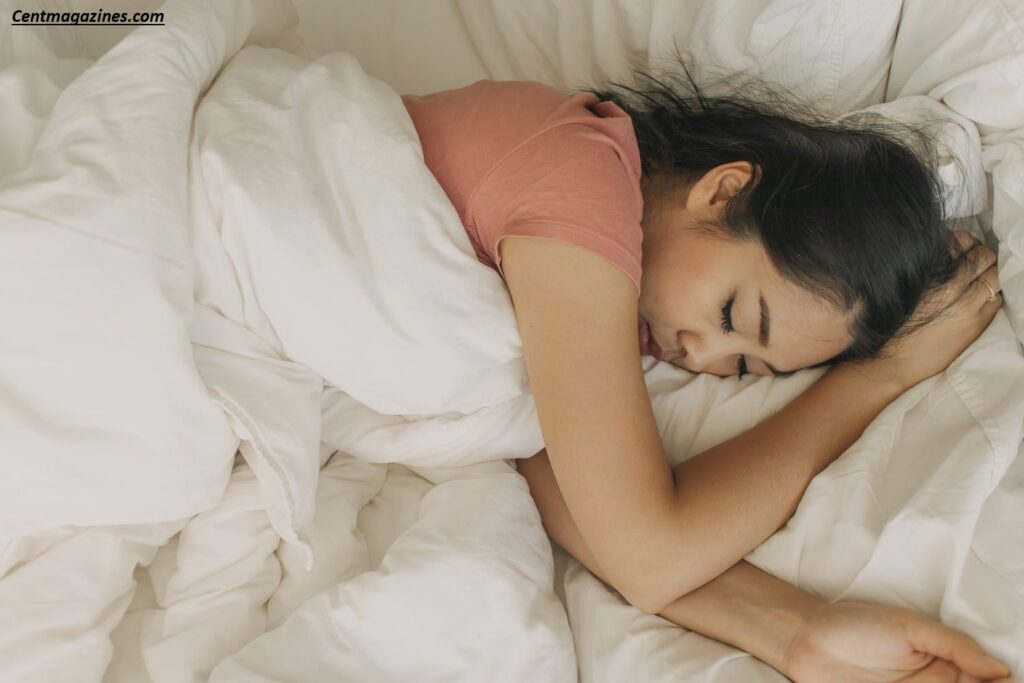
Mouth breathing is one of the most common reasons for excessive drooling at night. When your mouth stays open, saliva escapes instead of being swallowed.
This often happens when:
- Your nose is blocked
- You have allergies
- You’re used to breathing through your mouth
Mouth breathing also dries out your mouth, which ironically can trigger more saliva production as your body tries to compensate.
Fixing mouth breathing can dramatically reduce drooling almost immediately.
Nasal Congestion
Nasal congestion forces your body to switch from nasal breathing to mouth breathing. This can be caused by:
- Allergies
- Sinus infections
- Deviated septum
- Cold or flu
When your nose is blocked, your mouth opens during sleep, leading to drooling.
Clearing nasal passages can restore normal breathing and reduce drooling significantly.
Medications
Certain drugs can increase saliva production or affect muscle control, leading to drooling. Common culprits include:
- Sedatives
- Antipsychotics
- Some antibiotics
These medications side effects may overstimulate saliva glands or weaken the swallowing reflex.
If your drooling started after taking a new medication, it’s worth discussing alternatives with your doctor.
Health Conditions
Some medical issues can contribute to drooling, especially if they affect breathing or muscle control.
These include:
- Sleep apnea (interrupted breathing during sleep)
- Neurological disorders (like Parkinson’s disease)
- GERD (acid reflux)
- Bruxism (teeth grinding)
These conditions may interfere with your swallowing reflex, jaw alignment, or airway, leading to saliva buildup.
This is where most competitors lack depth:
Drooling can be an early signal of underlying health issues — not just a minor annoyance.
How to Stop Drooling While Sleeping
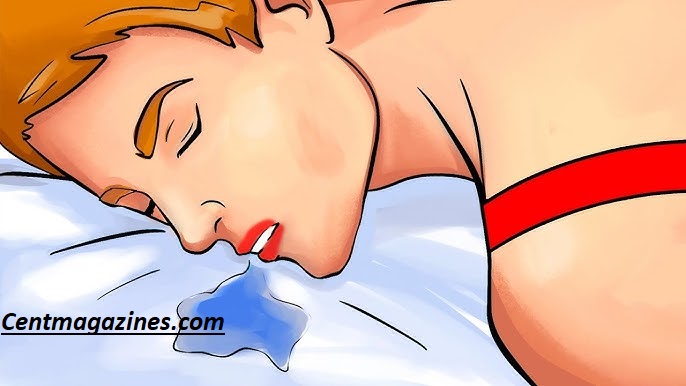
Now the important part: how to actually fix it.
Here are targeted solutions based on causes:
1. Change Your Sleep Position
Try sleeping on your back to reduce drooling caused by gravity.
2. Fix Nasal Congestion
- Use saline sprays
- Try steam inhalation
- Use a humidifier
3. Train Yourself to Breathe Through Your Nose
- Practice nasal breathing during the day
- Use nasal strips at night
4. Improve Oral Health
Good dental hygiene reduces saliva imbalance.
5. Manage GERD
- Avoid heavy meals before bed
- Elevate your head
6. Address Sleep Disorders
If you suspect sleep apnea, get a sleep study done.
7. Use a Mouth Guard
Helpful for bruxism (teeth grinding)
8. Review Medications
Talk to your doctor about medications side effects
Pro Tip (Content Gap Advantage):
Most articles give generic advice — but the real solution is matching the fix to the cause.
When Should You See a Doctor?
Occasional drooling is harmless, but you should seek medical advice if you notice:
- Sudden increase in drooling
- Difficulty swallowing
- Loud snoring or choking during sleep
- Daytime fatigue (possible sleep apnea)
- Jaw pain or teeth grinding (bruxism)
- Signs of neurological disorders
Heavy drooling combined with other symptoms may indicate an underlying condition that needs treatment.
Doctors may evaluate:
- Your breathing patterns
- Nasal passages
- Sleep quality
- Medication history
In some cases, tests like a sleep study may be recommended.
Don’t ignore persistent symptoms — early diagnosis can prevent bigger issues.
FAQs
Why do I drool so much in my sleep suddenly?
Sudden drooling may be caused by nasal congestion, new medications, or sleep position changes.
Is drooling in sleep a sign of illness?
Usually no, but excessive drooling can indicate sleep apnea or other health conditions.
How can I stop drooling fast?
Sleep on your back, clear nasal congestion, and avoid mouth breathing.
Does stress cause drooling?
Indirectly, yes. Stress can affect sleep quality and breathing patterns.
Is drooling related to digestion?
Yes, GERD and acid reflux can increase saliva production at night.
Conclusion
Drooling while sleeping might feel embarrassing, but in most cases, it’s completely normal.
It happens because your body continues saliva production, while your swallowing reflex slows down during sleep.
However, excessive drooling is often a sign of something more — like mouth breathing, nasal congestion, poor sleep position, or even conditions like sleep apnea or bruxism (teeth grinding).
By identifying what’s triggering your drooling and applying targeted solutions — whether it’s changing your sleep position, improving breathing, or addressing underlying health issues — you can significantly reduce or even eliminate the problem.
If your symptoms persist or worsen, don’t hesitate to seek medical advice. Sometimes, small signs like drooling can reveal important insights about your overall health.
Sleep better, breathe better — and wake up to a dry pillow.