
Billy Dee Williams age is a testament to Hollywood longevity and artistic excellence. At 88 years old, the legendary actor, painter, and cultural icon continues to captivate audiences with his smooth charm and timeless talent.
Born William December Williams Jr. on April 6, 1937, in Harlem, New York, this multi-talented performer has graced screens for over six decades.
From his unforgettable portrayal of Lando Calrissian in Star Wars to his groundbreaking dramatic roles, Williams has become synonymous with sophistication and versatility.
His recent memoir “What Have We Here” offers intimate insights into his extraordinary journey. As he approaches his 89th birthday in April 2026, Billy Dee Williams remains an active presence in entertainment, proving that true talent knows no age limits while inspiring generations with his remarkable career spanning stage, screen, and canvas.
Table of Contents
Quick Facts About Billy Dee Williams
| Category | Details |
|---|---|
| Full Name | William December Williams Jr. |
| Date of Birth | April 6, 1937 |
| Current Age | 88 years (turning 89 in April 2026) |
| Birthplace | Harlem, New York City, USA |
| Nationality | American |
| Ethnicity | African-American |
| Height | 6 feet (183 cm) |
| Zodiac Sign | Aries |
| Profession | Actor, Artist, Singer, Author |
| Years Active | 1945–present (80 years) |
| Famous Role | Lando Calrissian (Star Wars franchise) |
| Net Worth (2026) | Estimated $9 million |
| Spouse | Teruko Nakagami (m. 1972–present) |
| Previous Marriages | Audrey Sellers (1959–1963), Marlene Clark (1968–1971) |
| Children | 3 (Corey Williams, Hanako Williams, Miyako Williams) |
| Grandchildren | Multiple |
| Twin Sister | Loretta Williams |
| Education | High School of Music & Art, National Academy of Fine Arts |
| Broadway Debut | Age 7 (1945) |
| Notable Awards | NAACP Image Award, Emmy nomination, Hollywood Walk of Fame star |
| Memoir | “What Have We Here” (2024) |
| Social Media | Active on Instagram and Twitter |
| Residence | California, USA |
Who is Billy Dee Williams?
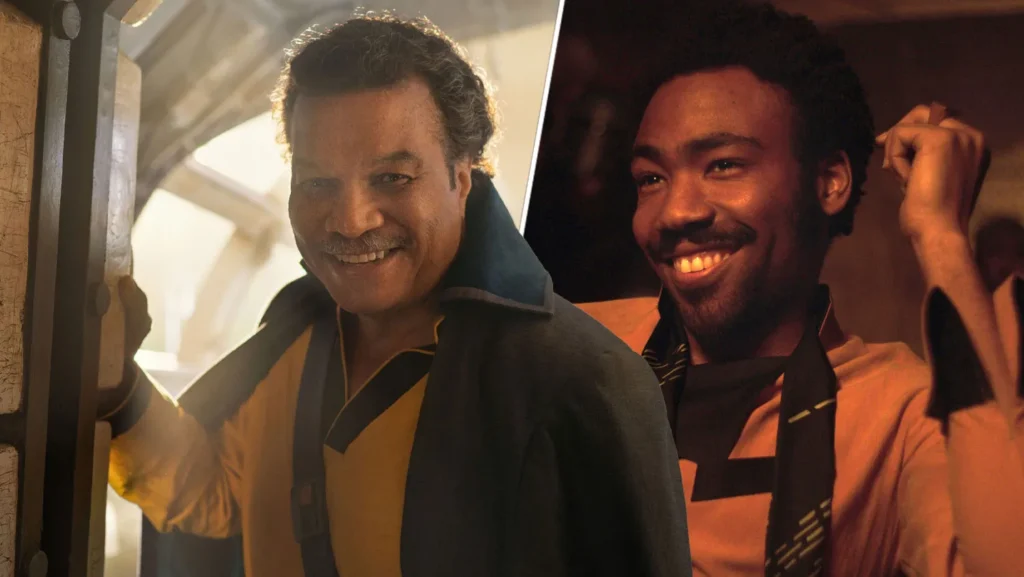
Billy Dee Williams stands as one of Hollywood’s most distinguished and enduring African-American actors, whose contributions to cinema, television, and theater have shaped popular culture for eight decades.
With his signature smooth voice, debonair charm, and sophisticated presence, Williams broke barriers and redefined what it meant to be a leading man of color in entertainment.
Beyond his acting prowess, Williams is a Renaissance man whose talents extend to fine art painting, where he has achieved critical acclaim and commercial success.
His artwork has been exhibited in galleries worldwide, showcasing the depth of his creative vision. This dual career as both performer and visual artist distinguishes him as one of entertainment’s most multifaceted talents.
Williams’ portrayal of Lando Calrissian in “The Empire Strikes Back” (1980) and “Return of the Jedi” (1983) made him the first Black character in the Star Wars universe, cementing his place in science fiction history.
His return to the role nearly four decades later in “The Rise of Skywalker” (2019) demonstrated both his enduring appeal and the cultural significance of his contribution to the franchise.
Throughout his career, Williams has consistently chosen roles that challenged stereotypes and showcased the complexity of Black masculinity.
From his Emmy-nominated performance in “Brian’s Song” (1971) to his romantic lead in “Lady Sings the Blues” (1972) opposite Diana Ross, he brought dignity, sophistication, and emotional depth to every character. His work paved the way for subsequent generations of Black actors in Hollywood.
His influence extends beyond entertainment into fashion and popular culture, where he became known for his impeccable style and suave persona.
Williams’ association with Colt 45 malt liquor in the 1980s became iconic, with his catchphrase “works every time” entering the cultural lexicon. At 88, he remains active, relevant, and respected—a living legend whose legacy continues to inspire and entertain audiences worldwide.
Billy Dee Williams Age: Still Going Strong at 88
Billy Dee Williams age defies conventional expectations of octogenarian activity levels. Born on April 6, 1937, Williams will celebrate his 88th birthday in spring 2025, yet he maintains a vitality and engagement with life that belies his years.
His longevity in both life and career offers valuable insights into aging gracefully while remaining professionally active and personally fulfilled.
Recent public appearances showcase Williams’ remarkable health and cognitive sharpness. In 2024, he actively promoted his memoir “What Have We Here,” participating in book tours, interviews, and public readings that demonstrated his continued eloquence and storytelling ability.
His memory remains sharp, his wit intact, and his passion for his craft undiminished. These appearances reveal a man comfortable in his skin, embracing his age while maintaining the charisma that made him famous.
Williams attributes his longevity to several lifestyle factors. He has consistently emphasized the importance of creative expression, maintaining both his acting and painting careers well into his eighties.
This continued artistic engagement provides mental stimulation and purpose, factors strongly associated with healthy aging. He also credits his long-term marriage to Teruko Nakagami, which has provided stability and emotional support for over five decades.
Physical health has been a priority, though Williams has been open about age-related challenges. He has dealt with some mobility issues in recent years but approaches these with grace and humor.
Rather than retreating from public life, he has adapted his activities while maintaining his professional commitments. His willingness to use assistive devices when needed demonstrates practical wisdom about aging.
The actor’s philosophical approach to aging emphasizes acceptance and continued growth. In interviews, he discusses age as a natural progression rather than something to fight against.
This mindset, combined with ongoing creative projects and strong family connections, appears to contribute significantly to his quality of life.
At 88, Billy Dee Williams exemplifies successful aging—remaining active, engaged, and relevant while accepting the natural changes that come with time.
His recent work schedule, though less demanding than during his peak years, remains impressive. Voice acting projects, occasional film appearances, and his painting continue to occupy his time.
This balanced approach to work in later life—maintaining purpose without overextending—offers a model for productive aging.
Williams proves that retirement doesn’t mean withdrawal from meaningful work, but rather a thoughtful recalibration of priorities and pace.
Early Life and Harlem Upbringing
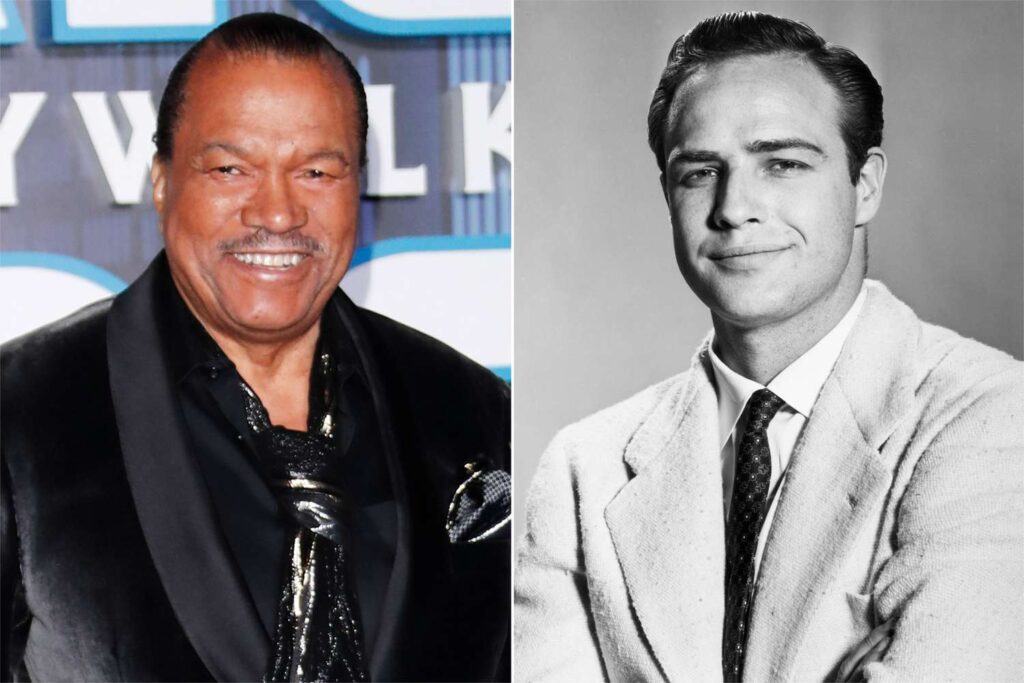
Childhood in Harlem
Billy Dee Williams’ formative years in Harlem during the 1930s and 1940s profoundly shaped his artistic sensibilities and worldview.
Growing up in this culturally rich neighborhood, Williams was surrounded by the vibrant energy of the Harlem Renaissance’s aftermath.
The streets, jazz clubs, churches, and theaters of Harlem provided a dynamic education that no formal institution could replicate.
The Harlem of Williams’ childhood was a contradictory environment—simultaneously offering cultural richness and facing economic challenges. The neighborhood buzzed with creative energy, hosting legendary musicians, writers, and performers who became Williams’ first role models.
This exposure to excellence in African-American arts gave the young Billy Dee a sense of possibility and ambition that would fuel his entire career.
Street life in Harlem taught Williams important lessons about navigating different social situations, a skill that would serve him well in Hollywood.
The neighborhood’s diversity of characters, from street corner philosophers to hustlers to church ladies, provided him with a vast repertoire of human behaviors to draw upon as an actor. These observations became the foundation for his nuanced character work.
Family Background
Williams came from a working-class family that valued education and cultural enrichment despite limited financial resources. His father, William December Williams Sr., worked as a caretaker and elevator operator, providing modest but steady income for the family.
His mother, Loretta Anne, was a West Indian immigrant who brought Caribbean cultural influences into the household, creating a rich multicultural environment.
The Williams household emphasized the importance of education and self-improvement. Despite their economic circumstances, his parents prioritized their children’s exposure to arts and culture.
They encouraged young Billy Dee’s interest in drawing and performance, recognizing his talents early and making sacrifices to nurture them. This parental support proved crucial in his development as an artist.
His mother’s West Indian heritage introduced Williams to Caribbean music, food, and storytelling traditions that expanded his cultural horizons beyond African-American experiences.
This multicultural upbringing gave him a broader perspective on Black identity and culture, which later informed his sophisticated on-screen presence. The blend of African-American and Caribbean influences created a unique cultural foundation.
Early Artistic Interests
Williams demonstrated exceptional artistic talent from an early age, showing proficiency in both visual arts and performance.
As a child, he spent hours drawing and painting, displaying a natural ability that caught the attention of teachers and mentors.
His visual artistry wasn’t merely a hobby but a serious pursuit that he would return to throughout his life, eventually achieving professional success as a painter.
His entry into performance came through a children’s theater program at age seven. This early exposure to acting revealed another dimension of his creative abilities.
The stage provided an outlet for his natural charisma and expressive capabilities, qualities that would define his career. Unlike many child performers, Williams understood acting as an art form requiring study and dedication, not just a fun activity.
The dual nature of his artistic interests—visual and performing arts—made Williams unusual among his peers. While most children focused on one creative outlet, he excelled in multiple disciplines.
This versatility would become a defining characteristic, allowing him to approach acting with a painter’s eye for composition and visual storytelling. His understanding of color, form, and visual impact enhanced his screen presence.
Twin Sister Loretta
Billy Dee Williams shares a lifelong bond with his fraternal twin sister, Loretta Williams. This sibling relationship provided companionship, support, and shared experiences throughout their childhood in Harlem.
The twins navigated the challenges of their neighborhood together, developing a close connection that has endured throughout their lives.
Loretta, though not pursuing entertainment professionally, shared her brother’s artistic sensibilities and cultural interests. The twins’ relationship offered Billy Dee emotional stability and a confidant who understood him from shared experience.
Their bond demonstrates the importance of family connections in sustaining creative careers—Loretta remained a grounding influence even as her brother achieved fame.
The fact that Williams had a twin sister also influenced his understanding of gender dynamics and relationships, contributing to his ability to portray romantic leads with sensitivity and emotional intelligence.
His on-screen chemistry with actresses often reflected a genuine respect and understanding of women that may have been cultivated through his close relationship with Loretta.
Cultural Influences
The cultural landscape of 1940s Harlem provided Williams with exposure to jazz legends, literary figures, and visual artists who defined African-American culture.
He witnessed performances by musical innovators and attended exhibitions by Black painters, absorbing influences that would shape his own artistic philosophy. This environment taught him that Black excellence could manifest across all artistic disciplines.
The church played a significant role in his cultural education, exposing him to theatrical elements in religious services—dramatic sermons, musical performances, and community gatherings that were essentially theatrical productions.
This early exposure to performance within a cultural context taught Williams about the power of art to move and unite people, a lesson he carried into his professional work.
Harlem’s political activism and racial consciousness during Williams’ formative years also shaped his worldview. He came of age during a period of increasing awareness about civil rights and racial justice, experiences that informed his later choices about roles and representation in Hollywood.
The neighborhood’s pride in Black achievement and culture instilled in him a sense of responsibility to represent his community positively through his work.
Education and Artistic Training
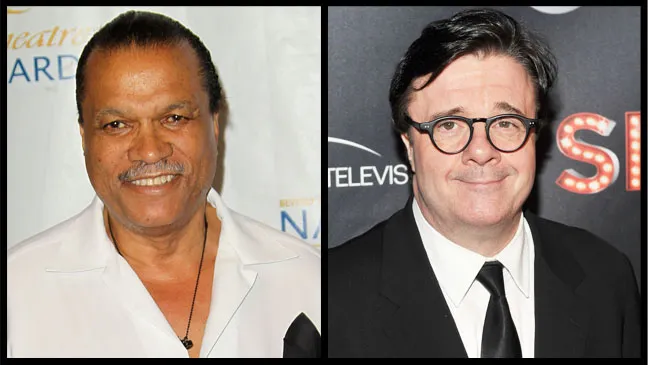
High School of Music & Art
Williams’ admission to the prestigious High School of Music & Art in New York City represented a pivotal moment in his artistic development.
This specialized institution, which later merged to become Fiorello H. LaGuardia High School, accepted only the most talented young artists in the city.
Gaining admission validated Williams’ abilities and placed him among peers who shared his creative ambitions and dedication to craft.
The school’s rigorous curriculum combined traditional academic subjects with intensive arts training. Williams benefited from instruction by professional artists and educators who recognized and nurtured his talents.
The structured environment taught him discipline, technique, and the importance of continuous improvement—lessons that would serve him throughout his dual careers in acting and painting.
At Music & Art, Williams excelled in visual arts classes, particularly painting and drawing. He studied composition, color theory, perspective, and various artistic techniques that formed the foundation of his later work as a professional painter.
The school’s emphasis on classical training while encouraging individual expression helped Williams develop his distinctive artistic voice.
National Academy of Fine Arts
Following his success at Music & Art, Williams continued his artistic education at the National Academy of Fine Arts and Design, one of America’s most prestigious art institutions.
This advanced training deepened his understanding of visual arts and connected him with established artists and critics. The academy’s traditional approach emphasized mastery of fundamentals before developing personal style.
At the National Academy, Williams studied under renowned artists who challenged him to refine his technique and expand his artistic vision. The curriculum included life drawing, portraiture, landscape painting, and art history, providing comprehensive training in fine arts.
This formal education distinguished Williams from many actors who pursued painting as a hobby—he approached visual arts with the same professionalism he brought to acting.
The connections Williams made at the National Academy proved valuable throughout his life. Fellow students and instructors became part of a artistic community that supported his work even as he pursued acting. This network would later facilitate his exhibitions and sales when he returned to painting seriously in the 1980s.
Guggenheim Fellowship Nomination
One of Williams’ most significant early recognitions came through his nomination for a Guggenheim Fellowship in painting. This prestigious honor, typically awarded to artists demonstrating exceptional creative ability and promise, validated his talents at a young age.
Though he didn’t receive the fellowship, the nomination itself marked him as an artist of serious potential.
The Guggenheim nomination came at a crossroads in Williams’ career when he was beginning to achieve success in acting.
The recognition in visual arts presented a choice between two professional paths. While he ultimately focused on acting during his peak earning years, the nomination remained a source of pride and a reminder of his artistic capabilities beyond performance.
This acknowledgment from the fine arts establishment gave Williams credibility as a painter that would prove valuable when he later returned to visual arts.
Critics and collectors took his work seriously, in part because of this early recognition of his abilities. The nomination demonstrated that his painting wasn’t merely a celebrity hobby but a genuine artistic pursuit deserving respect.
Studying Under Sidney Poitier
Williams’ acting education received a significant boost when he had opportunities to learn from Sidney Poitier, the pioneering Black actor who was breaking barriers in Hollywood.
Though not a formal student-teacher relationship, Williams absorbed lessons from observing and occasionally working with Poitier, who became a role model for how to navigate Hollywood as a Black actor with dignity and artistic integrity.
Poitier’s example taught Williams that commercial success and artistic excellence weren’t mutually exclusive. Poitier demonstrated how to choose roles that challenged stereotypes while building a sustainable career, lessons Williams would apply throughout his own career.
The older actor’s approach to preparation, professionalism, and negotiation provided a blueprint for success.
Beyond technical acting skills, Poitier influenced Williams’ understanding of his responsibility as a Black actor in a predominantly white industry.
Poitier’s insistence on roles that portrayed Black characters with complexity and humanity inspired Williams to be selective about his projects. This mentorship, formal or informal, helped shape Williams’ approach to his craft and his career management.
Career Journey: Eight Decades of Excellence
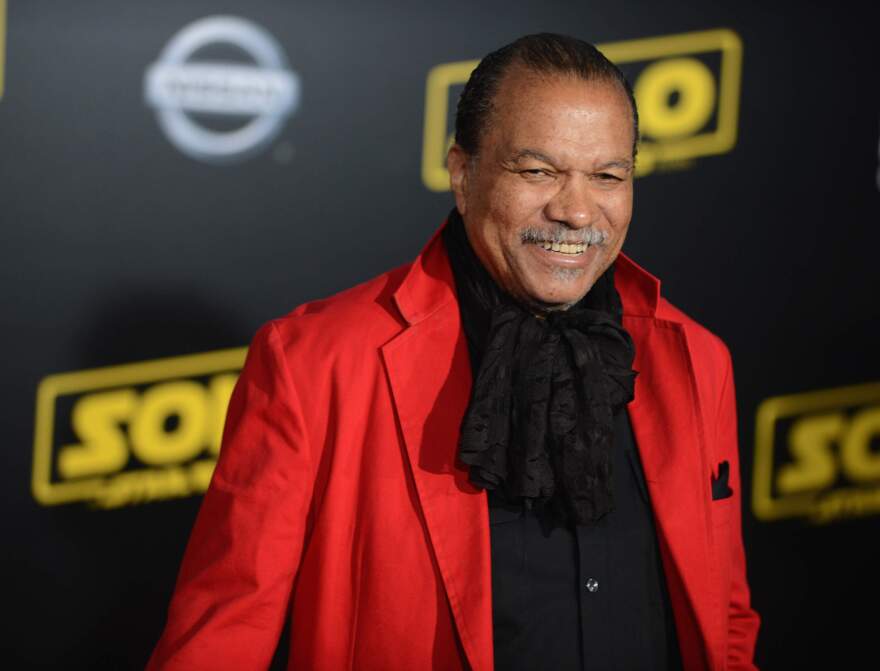
Stage Career (1945-Present)
Billy Dee Williams’ theatrical career began remarkably early with his Broadway debut at age seven in “The Firebrand of Florence” (1945), a Kurt Weill and Ira Gershwin musical.
This early exposure to professional theater taught him discipline and craft at a formative age, establishing a foundation that would support his entire career.
The experience of performing before live audiences developed skills that would later translate to screen work.
Throughout the 1950s and early 1960s, Williams continued working in theater, appearing in various productions that honed his abilities.
He performed in plays that addressed social issues and showcased Black experiences, participating in the vibrant off-Broadway scene that was pushing artistic boundaries.
These years of stage work developed his voice, timing, and emotional range.
Notable theatrical roles included appearances in “A Taste of Honey” and “The Cool World,” productions that brought critical acclaim and demonstrated his ability to carry complex dramatic roles.
His stage work earned respect from theatrical communities and provided steady work during periods when film and television opportunities were limited for Black actors. Theater remained a touchstone throughout his career.
Williams’ approach to stage acting emphasized emotional truth and connection with audiences. He developed a naturalistic style that contrasted with more theatrical approaches, making his performances feel intimate even in large venues.
This quality would later make him particularly effective in film closeups, where subtle emotional work could be captured by cameras.
Even after achieving film fame, Williams occasionally returned to theater, maintaining his connection to live performance.
These returns demonstrated his commitment to acting as an art form beyond commercial success. The immediacy and risk of live performance kept his skills sharp and provided creative fulfillment that film work sometimes lacked.
Film Career Breakthrough
Williams’ film breakthrough came with “Brian’s Song” (1971), a made-for-television movie about the friendship between Chicago Bears players Gale Sayers and Brian Piccolo.
Williams’ portrayal of Sayers brought depth, athleticism, and emotional vulnerability to the role, earning him an Emmy nomination and establishing him as a leading dramatic actor.
The film’s success transcended sports, becoming a cultural phenomenon that introduced Williams to mainstream audiences.
“Brian’s Song” succeeded partly because Williams brought authenticity and dignity to his portrayal, avoiding stereotypes while creating a fully realized character.
His chemistry with co-star James Caan made the friendship believable and moving. The film’s frank treatment of racism and its celebration of interracial friendship resonated with audiences during a period of social change.
The following year, Williams starred opposite Diana Ross in “Lady Sings the Blues” (1972), playing Louis McKay in the Billie Holiday biopic.
This role showcased his romantic leading man qualities and undeniable screen presence. His performance helped the film achieve both critical and commercial success, with Williams’ portrayal adding complexity to what could have been a one-dimensional character.
During this period, Williams earned the nickname “Black Clark Gable” from media and fans who recognized his smooth charm and romantic appeal.
This comparison, while flattering, also carried limitations—Williams worked to ensure he wasn’t merely typecast as a charming romantic figure but could display range and depth. He sought roles that challenged him and expanded perceptions of what Black actors could portray.
Star Wars Legacy
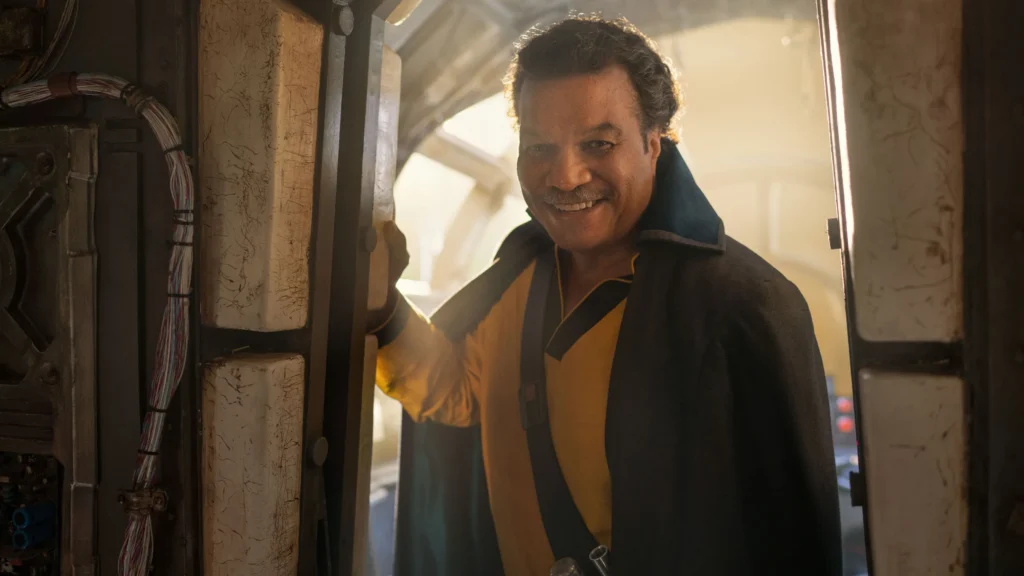
Williams’ casting as Lando Calrissian in “The Empire Strikes Back” (1980) represented a watershed moment in science fiction cinema. As the first Black character in the Star Wars universe, Lando broke new ground in a genre that had been predominantly white.
Williams brought sophistication, complexity, and moral ambiguity to the role, creating a character who was neither hero nor villain but something more interesting—a pragmatic survivor.
Lando’s characterization as a smooth-talking gambler and administrator of Cloud City challenged stereotypes by presenting a Black character in a position of power and authority in a futuristic setting.
Williams infused the role with charm and intelligence, making Lando memorable despite limited screen time. His betrayal and redemption arc provided emotional complexity that elevated the film’s narrative.
The impact of Lando Calrissian extended beyond the films themselves. For Black children and Star Wars fans, seeing someone who looked like them in this beloved franchise was transformative.
Williams’ portrayal proved that science fiction could and should include diverse characters, influencing future casting decisions across the genre. His contribution helped make Star Wars more inclusive.
Williams reprised the role in “Return of the Jedi” (1983), where Lando’s character arc concluded with heroism and leadership.
His command of the Millennium Falcon during the battle of Endor provided a triumphant moment for the character and demonstrated growth from the conflicted figure introduced in the previous film. These appearances cemented Lando’s place in Star Wars lore.
After a 36-year absence from the role, Williams returned as Lando in “The Rise of Skywalker” (2019), delighting fans and introducing the character to a new generation.
Though his appearance was brief, it demonstrated the enduring appeal of both the character and Williams himself. At 82, he still possessed the charisma that made Lando iconic, proving that great characters transcend age.
Television Work
Williams’ television career spans decades and includes memorable roles across various genres. His appearance in the prime-time soap opera “Dynasty” during the 1984-1985 season brought his charm to weekly television, playing Brady Lloyd opposite Diahann Carroll.
This role introduced him to soap opera audiences and demonstrated his versatility in handling serialized storytelling.
Guest appearances on popular shows throughout his career kept Williams visible to television audiences. He appeared in series ranging from “Lost” to “Modern Family,” showing his willingness to adapt to changing television landscapes.
These appearances often played on his iconic status, with shows using his presence for both dramatic weight and cultural recognition.
In 2014, Williams competed on “Dancing with the Stars,” partnering with Emma Slater. At 77, his participation demonstrated courage and a willingness to step outside his comfort zone.
Though eliminated relatively early, his participation charmed audiences and showed his good humor about himself. The experience connected him with younger viewers who might not have known his earlier work.
Williams’ television work also includes voice acting in animated series, lending his distinctive voice to various characters.
These roles allowed him to work consistently while managing the physical demands of aging. Voice work also introduced his talents to children and families, expanding his audience across generations.
Batman and Other Major Roles
Williams’ portrayal of Harvey Dent/Two-Face in “Batman” (1989) should have led to a larger role, but the character was recast for “Batman Forever” (1995), with Tommy Lee Jones taking over.
Despite this disappointment, Williams’ brief appearance as Dent established the character’s presence in Tim Burton’s Batman universe. His dignified portrayal suggested intriguing possibilities for the character’s villainous transformation.
Other significant film roles include “Nighthawks” (1981) opposite Sylvester Stallone, where Williams played a New York City detective hunting an international terrorist.
The role showcased his ability to handle action films while maintaining character depth. His chemistry with Stallone and ability to match the action star’s intensity demonstrated versatility.
“Mahogany” (1975) reunited Williams with Diana Ross, playing a photographer opposite her aspiring fashion designer.
The film explored themes of ambition, identity, and Black excellence in the fashion world. Williams brought complexity to his role, creating a character who challenged and supported the female lead while dealing with his own artistic ambitions.
Throughout the 1970s and 1980s, Williams appeared in diverse films including “The Bingo Long Traveling All-Stars & Motor Kings” (1976), “Scott Jencks” and “The Glass Shield” (1994).
These roles demonstrated range—from period pieces to contemporary dramas to action films. His willingness to work across genres kept his career active and introduced him to different audiences.
Voice Acting Career
Williams’ distinctive voice—smooth, resonant, and immediately recognizable—made him a natural for voice acting work. He provided voices for animated series, video games, and audiobooks, extending his career into new mediums.
His voice work includes reprising Lando Calrissian for various Star Wars animated series and video games, keeping the character active between film appearances.
In “Star Wars Rebels,” Williams voiced Lando across multiple episodes, introducing the character to younger audiences through animation. His vocal performance captured the character’s essence while adapting to the animated medium.
This work demonstrated that great voice acting requires the same skills as on-screen performance—character understanding, emotional range, and timing.
Video game appearances include multiple Star Wars titles where Williams either voiced Lando or allowed his likeness to be used.
These appearances in interactive media introduced his work to gaming audiences and kept his connection to the Star Wars franchise active. The gaming industry’s growth provided opportunities for established actors to reach new audiences.
Williams also narrated documentaries and provided voice work for commercials, capitalizing on his recognizable voice. His vocal qualities—authoritative yet warm, sophisticated yet accessible—made him effective in various contexts.
This work provided income and maintained his presence in popular culture during periods between major acting roles.
Commercial Success (Colt 45)
Williams’ association with Colt 45 malt liquor became one of advertising’s most memorable celebrity endorsements. Beginning in the 1980s, his suave persona and delivery of the tagline “works every time” became iconic in American popular culture.
The commercials capitalized on his smooth image and created a lasting cultural impact that transcended the product itself.
The Colt 45 campaign was controversial, drawing criticism for targeting African-American communities with alcohol advertising. Williams defended his involvement, noting that he was an actor playing a role in advertisements, not endorsing excessive drinking.
The tension between commercial opportunity and social responsibility highlighted challenges faced by Black celebrities navigating corporate partnerships.
Despite controversies, the campaign’s success demonstrated Williams’ marketing appeal and ability to move products. His presence lent sophistication to a product that might otherwise have been seen as downmarket.
The commercials became so associated with Williams that they remain part of his cultural legacy, referenced in popular culture decades later.
The financial success of these endorsements provided Williams with income security that allowed him to be selective about acting roles. This economic independence enabled him to pursue artistic interests, including returning to painting seriously.
The commercial work, while potentially limiting his image, paradoxically gave him freedom to make choices based on artistic rather than purely financial considerations.
The Artist: Billy Dee Williams’ Painting Career
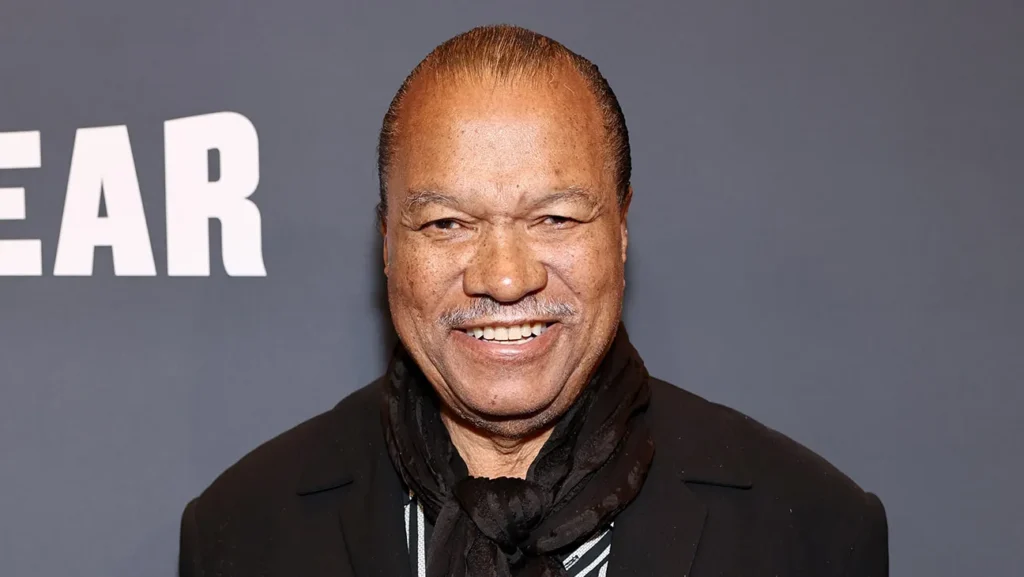
Early Art Training
Williams’ foundation as a visual artist began long before his acting fame, with formal training at the High School of Music & Art and the National Academy of Fine Arts.
This rigorous education in traditional techniques, color theory, composition, and art history provided skills that would serve him throughout his life. Unlike many actors who take up painting as a hobby, Williams approached visual arts with professional seriousness from the beginning.
His early training emphasized observational skills and technical proficiency, requiring him to master drawing before advancing to painting.
This disciplined approach developed his eye for detail and understanding of form, skills that would later enhance his work as an actor. The ability to analyze visual composition informed his understanding of framing and blocking in film work.
Teachers and mentors during this period recognized Williams’ exceptional talent, leading to his Guggenheim Fellowship nomination.
This validation from the art establishment suggested a promising career as a professional painter. The choice to pursue acting instead wasn’t a rejection of visual arts but a temporary detour driven by practical considerations and opportunities in performance.
Returning to Painting (1980s)
After establishing his acting career and achieving financial security, Williams seriously returned to painting in the 1980s. This return wasn’t a retirement activity but a rekindling of his first artistic love.
He set up a studio and committed significant time to developing his artistic voice, approaching painting with the same professionalism he brought to acting.
The decision to return to painting reflected Williams’ need for creative expression beyond acting. While acting provided fame and income, painting offered a different kind of satisfaction—solitary creation without the collaborative nature of filmmaking. His paintings became a private artistic outlet where he controlled every aspect of the creative process.
Williams’ paintings reflect his training in classical techniques combined with contemporary sensibilities. His work includes portraits, abstracts, and experimental pieces that showcase technical skill and creative vision.
Unlike celebrity painters whose work trades primarily on name recognition, Williams’ paintings demonstrate genuine artistic merit that critics and collectors appreciate independent of his acting fame.
Exhibition History
Williams’ paintings have been exhibited in galleries across the United States and internationally, receiving serious critical attention.
His exhibitions have included solo shows and group exhibitions, placing his work alongside other professional artists. These exhibitions validate his status as a legitimate artist rather than merely a celebrity dabbling in painting.
His artwork has been displayed in prestigious venues including the Schomburg Center for Research in Black Culture, connecting his visual art to his cultural heritage.
These exhibitions situate his work within contexts of African-American art history, recognizing his contributions to Black artistic expression across multiple disciplines.
Gallery representation and consistent exhibition opportunities demonstrate the art world’s recognition of Williams’ abilities.
His work commands respectable prices, indicating collector interest beyond celebrity novelty. The market for his paintings reflects genuine artistic value rather than merely capitalizing on his acting fame.
Artistic Philosophy
Williams approaches painting as a form of meditation and self-expression distinct from the collaborative nature of acting. He describes painting as a solitary practice where he can explore ideas and emotions without outside input or compromise.
This creative autonomy provides balance to his acting career, where directors, producers, and collaborative processes shape final outcomes.
His artistic philosophy emphasizes intuition and emotional honesty over conceptual complexity.
Williams paints what moves him, whether abstract explorations of color and form or figurative works capturing human essence. This approach reflects his belief that art should communicate feeling and beauty rather than merely intellectual concepts.
The connection between his painting and acting careers runs deeper than surface similarities. Both require observation, interpretation, and expression of human experience.
Williams brings an actor’s understanding of character and emotion to portrait work, while his painter’s eye for composition enhances his screen presence and understanding of visual storytelling.
Notable Collections
Williams’ artwork has been acquired by private collectors, institutions, and galleries, establishing a market for his work independent of his acting career.
His paintings reside in collections alongside works by recognized artists, validating his status as a serious painter. These acquisitions reflect genuine artistic appreciation rather than celebrity collecting.
The subjects of his paintings range from portraits capturing human character to abstracts exploring color relationships and emotional landscapes.
His portrait work demonstrates his understanding of human psychology developed through acting, while abstracts showcase his formal training in composition and color theory. This range displays versatility across painting styles.
Williams has also created artwork for charitable causes, donating pieces for auctions benefiting various organizations.
These contributions demonstrate his commitment to using his artistic talents for social good. The charitable aspect of his art practice reflects values of community support and cultural contribution beyond personal gain.
Personal Life and Relationships
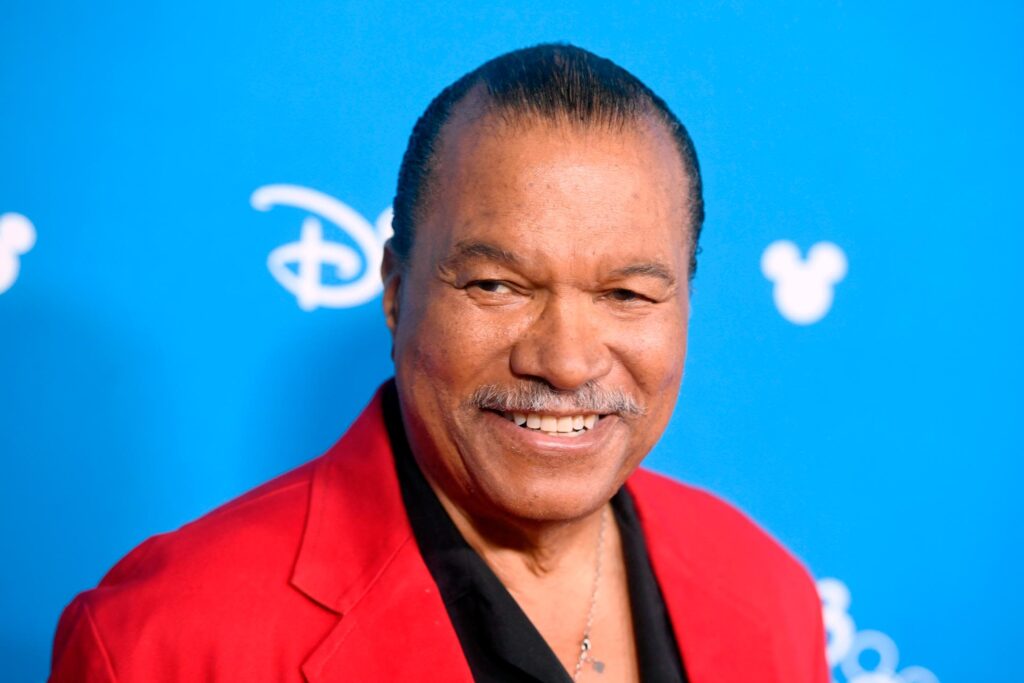
Three Marriages
Billy Dee Williams has been married three times, with each relationship marking different phases of his personal development. His first marriage to Audrey Sellers lasted from 1959 to 1963, during his early career when he was still establishing himself professionally.
This marriage produced his son Corey Williams, maintaining Williams’ connection to fatherhood even after the relationship ended.
His second marriage to actress Marlene Clark lasted from 1968 to 1971, a brief period during his career breakthrough. Both partners understood the demands and uncertainties of acting careers, but this shared experience wasn’t enough to sustain the relationship.
The marriage ended as Williams’ career was accelerating, possibly creating tensions around fame and professional demands.
These early marriages taught Williams lessons about relationships, compromise, and the challenges of maintaining personal connections while building a demanding career.
The failures of his first two marriages didn’t embitter him but rather prepared him for the successful long-term partnership he would eventually establish with Teruko Nakagami.
Current Wife Teruko Nakagami (52+ Years)
Williams married Teruko Nakagami in 1972, beginning a partnership that has endured for over five decades. Teruko, of Japanese-American heritage, brought a different cultural perspective to Williams’ life, enriching his worldview and creating a multicultural family environment.
Their interracial marriage, though more accepted by the 1970s than in previous decades, still represented a progressive choice.
The longevity of their marriage stands out in Hollywood, where long-term relationships are relatively rare. Williams credits Teruko with providing stability and support throughout his career’s ups and downs.
Her presence grounded him during periods of intense fame and provided continuity during quieter career periods. This stable home life allowed him to take creative risks professionally.
Teruko has largely remained out of the spotlight, preferring privacy to public attention. This choice protected their relationship from media scrutiny while allowing Williams to maintain his public career.
Her support behind the scenes—managing household affairs, raising children, and providing emotional support—enabled Williams to focus on his artistic pursuits.
Their relationship has weathered the typical challenges of long-term marriage along with the unique pressures of celebrity. Williams has spoken about the importance of mutual respect, communication, and maintaining individual identities within the partnership.
Their marriage demonstrates that lasting relationships in Hollywood are possible with the right partner and commitment.
Children and Family
Williams is father to three children from his marriages: Corey Williams from his first marriage, and Hanako and Miyako Williams from his marriage to Teruko.
Fatherhood has been an important aspect of Williams’ identity, providing grounding and perspective beyond his entertainment career. He has maintained relationships with all his children despite the complexities of blended families.
His approach to parenting balanced professional demands with family responsibilities. Though his career required travel and long working hours, Williams made efforts to remain present in his children’s lives.
He has spoken about wanting his children to develop their own identities rather than merely being known as his offspring.
The Williams children have pursued various paths, with some involvement in entertainment and others choosing different careers.
Williams respected their choices, supporting their individual aspirations rather than pressuring them into entertainment careers. This approach reflects his understanding that legacy includes raising independent, fulfilled individuals.
Grandchildren
As a grandfather, Williams has embraced a new role that brings joy and perspective to his later years. Grandchildren provide connection to younger generations and opportunities to share wisdom accumulated over eight decades.
He has spoken about the pleasure of watching his family grow and the satisfaction of seeing his children become parents themselves.
Grandparenthood allows Williams to enjoy family relationships without the primary responsibilities of parenting. This role provides opportunities to be present and engaged while maintaining the freedom to pursue his continued professional and artistic interests.
The balance between family connection and personal pursuits characterizes his approach to this life stage.
His grandchildren represent continuity and legacy beyond his professional accomplishments. While his films and paintings will endure, his family represents his most personal legacy.
Williams’ investment in family relationships demonstrates values beyond fame and accomplishment.
Philosophy on Relationships
Williams’ philosophy on relationships emphasizes mutual respect, maintaining individual identity, and choosing partnerships wisely.
His long marriage to Teruko demonstrates his belief that lasting relationships require work, compromise, and genuine compatibility. He credits their success to choosing a partner who shares core values while respecting differences.
He has spoken about the importance of not losing oneself in relationships, maintaining personal interests and friendships outside the partnership. This philosophy reflects lessons learned from earlier relationships and maturity gained through experience.
The balance between togetherness and independence appears central to his understanding of healthy relationships.
Williams also emphasizes the importance of communication and addressing conflicts rather than avoiding them.
His approach to relationships reflects emotional intelligence and self-awareness developed through both personal experience and his work as an actor exploring human psychology. These insights inform both his personal life and his portrayal of relationships on screen.
Billy Dee Williams Net Worth and Earnings
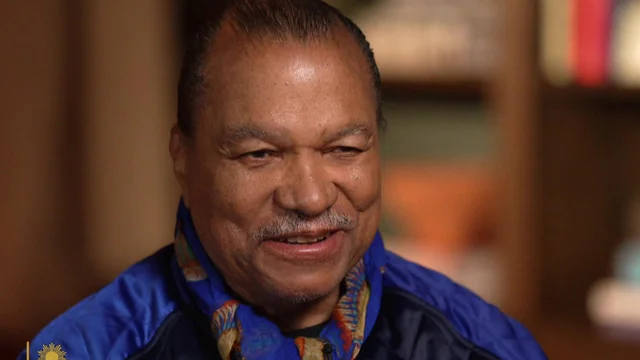
Estimated Net Worth ($9 Million)
Billy Dee Williams’ net worth is estimated at approximately $9 million as of 2025, accumulated through six decades of work in entertainment and art.
While not among Hollywood’s wealthiest actors, this net worth reflects steady career earnings, wise financial management, and diversified income streams. His wealth represents financial security and independence rather than ostentatious riches.
This net worth figure accounts for career earnings from films, television, commercials, voice work, and art sales, minus living expenses, taxes, and investments over many years.
Williams’ financial approach appears to have prioritized stability and comfort over maximum wealth accumulation. His choices reflected artistic satisfaction alongside financial considerations.
Compared to contemporary actors, Williams’ net worth is modest, partly because peak earning years occurred before current entertainment industry salaries.
He worked during an era when even successful actors earned significantly less than today’s stars. Additionally, his selectivity about roles—choosing artistic merit over purely commercial projects—sometimes meant passing on higher-paying opportunities.
The figure also reflects Williams’ generosity and lifestyle choices. He hasn’t exhibited the extravagant spending associated with some celebrities, instead maintaining a comfortable but not excessive lifestyle.
His financial resources have provided freedom to pursue painting, choose roles selectively, and enjoy retirement years without financial stress.
Income Sources Breakdown
Film and television work provided Williams’ primary income during his peak earning years from the 1970s through the 1990s. Major roles in films like Star Wars, though well-compensated for their time, didn’t include the back-end profit participation common in modern contracts.
His television work, including series appearances and guest spots, provided steady supplemental income throughout his career.
Commercial endorsements, particularly the Colt 45 campaign, represented significant income that provided financial security beyond acting work.
These endorsements capitalized on his image and persona, generating income without the time commitment of film productions. The commercial work allowed him financial independence to pursue artistic projects without purely commercial considerations.
Voice acting and video game work have provided consistent income in recent decades, requiring less physical demands than on-camera work.
This income stream has been particularly valuable as he’s aged, allowing continued professional activity adapted to changing physical capabilities. Voice work also keeps him connected to younger audiences through video games and animated series.
Art sales contribute to Williams’ income and net worth, with his paintings commanding respectable prices in galleries and private sales.
While not his primary income source, art sales provide both financial benefit and artistic satisfaction. The market for his artwork demonstrates value independent of his acting fame, validating his status as a legitimate visual artist.
Real Estate Investments
Williams has owned property in California, benefiting from real estate appreciation in markets where he has lived and worked.
Real estate represents a traditional wealth-building strategy for entertainment professionals, providing both residence and investment. His property holdings reflect practical investment rather than speculative real estate empire-building.
Unlike some celebrities with multiple homes in various locations, Williams appears to have maintained a relatively modest real estate portfolio focused on personal residence rather than extensive investment properties.
This approach reflects his grounded lifestyle and focus on comfort rather than ostentation. His real estate choices prioritized quality of life over maximum financial return.
California real estate appreciation over decades has likely contributed significantly to his net worth. Properties purchased during earlier career years have appreciated substantially, particularly in desirable areas of Los Angeles and surrounding communities.
This passive wealth accumulation through real estate appreciation supplemented his entertainment earnings.
Art Sales Revenue
Williams’ paintings sell for thousands to tens of thousands of dollars, depending on size, subject matter, and venue. While not generating wealth comparable to his peak acting earnings, art sales provide meaningful supplemental income and validation of his artistic abilities.
The prices his work commands reflect genuine artistic merit rather than purely celebrity value.
Gallery representation and regular exhibitions facilitate ongoing art sales, creating a steady if modest income stream from his painting.
This revenue comes from work he genuinely enjoys, making it particularly satisfying income. Unlike acting work requiring collaboration and compromise, painting income represents purely his creative vision and effort.
The art market for his work has remained relatively stable, indicating consistent collector interest. This stability suggests that his reputation as a visual artist has independent value beyond his acting fame.
The ongoing market for his work demonstrates that he’s successfully established himself as a legitimate artist rather than a celebrity painter.
Career Earnings Timeline
Williams’ career earnings followed a typical pattern—modest beginnings in the 1950s and 1960s, breakthrough earnings in the 1970s and 1980s, peak earnings through the 1990s, and then reduced but steady income in recent decades.
His highest earning period coincided with his Star Wars films and prime leading man years when he commanded significant salaries for film work.
The 1980s commercial endorsements, particularly Colt 45, provided substantial income during this peak period.
These endorsement deals often exceed film salaries for top actors, contributing significantly to accumulated wealth. The financial security from this period allowed greater selectivity in later career choices.
As Williams aged and major leading roles became less frequent, his income naturally declined from peak levels.
However, voice work, character roles, art sales, and royalties from past work maintained income streams. This diversification of income sources provided financial stability through career transitions and aging.
Awards, Recognition and Legacy
NAACP Image Awards
Williams has received recognition from the NAACP Image Awards, honors celebrating outstanding achievements by people of color in film, television, music, and literature.
These awards acknowledge both his artistic accomplishments and his contributions to positive representation of African Americans in entertainment. The NAACP recognition situates his work within the broader context of Black achievement and representation.
His Image Award nominations and wins recognize specific performances as well as career achievement. These honors from the African American community acknowledge his impact beyond mainstream entertainment industry recognition.
The awards reflect appreciation for his role in breaking barriers and creating opportunities for subsequent generations of Black actors.
The NAACP recognition also acknowledges Williams’ choices throughout his career to portray Black characters with dignity and complexity.
His work challenged stereotypes and expanded the range of roles available to Black actors. This contribution to representation made him a pioneer whose impact extends beyond his individual performances.
Emmy Nomination
Williams’ Emmy nomination for “Brian’s Song” (1971) represented mainstream entertainment industry recognition of his dramatic abilities. The nomination acknowledged his powerful, nuanced portrayal of Gale Sayers and established him as a serious dramatic actor.
Though he didn’t win the Emmy, the nomination significantly raised his profile and demonstrated his range beyond earlier theatrical work.
The Emmy nomination came at a crucial career moment, helping Williams transition from primarily stage work to film and television prominence.
Industry recognition opened doors to better roles and higher compensation. The nomination validated his decision to focus on screen work after years of theatrical performance.
Hollywood Walk of Fame
Williams received a star on the Hollywood Walk of Fame, placing him among entertainment industry legends permanently honored on Hollywood Boulevard.
This honor recognizes his contributions to motion pictures and his lasting impact on popular culture. The Walk of Fame star represents mainstream recognition of his decades of achievement and cultural significance.
The star ceremony typically attracts fans, colleagues, and media attention, celebrating the honoree’s career.
For Williams, this recognition acknowledged his role as a barrier-breaking Black actor and his iconic performances across multiple decades. The permanent nature of the honor ensures his legacy will be visible to future generations.
Cultural Impact
Williams’ cultural impact extends beyond his individual performances to his role in expanding representation and possibilities for Black actors in Hollywood.
His sophisticated, romantic leading man roles challenged prevailing stereotypes and demonstrated that Black actors could carry major productions across genres. This impact opened doors for subsequent generations of performers.
His portrayal of Lando Calrissian specifically impacted science fiction and popular culture by introducing a prominent Black character into one of cinema’s most beloved franchises.
This representation mattered deeply to Black fans and viewers who finally saw themselves in the Star Wars universe. The character’s complexity—neither purely heroic nor villainous—added depth to representation.
Williams’ dual career as actor and painter demonstrates that artists can excel across multiple disciplines, challenging narrow definitions of talent.
His success in both fields inspires others to pursue multiple creative passions rather than limiting themselves to a single discipline. This Renaissance approach to artistry represents another aspect of his cultural impact.
Industry Influence
Williams’ influence on the entertainment industry includes paving the way for more diverse casting and challenging assumptions about Black actors’ capabilities and market appeal.
His success demonstrated that audiences would embrace Black leading men in romantic, dramatic, and action roles—not merely supporting characters or stereotypical parts. This demonstration helped shift industry practices.
His professionalism, preparation, and artistic seriousness set standards for younger actors. Williams’ approach to his craft—thoroughly preparing, respecting collaborators, and maintaining dignity—provided a model for how to navigate Hollywood successfully while maintaining integrity. Many actors cite him as an inspiration and role model.
The longevity of Williams’ career—remaining active and relevant across eight decades—demonstrates the possibility of sustained careers in entertainment.
His ability to adapt to changing industry landscapes while maintaining artistic standards offers lessons for performers at all career stages.
The continued demand for his work in his eighties proves that talent and professionalism remain valuable regardless of age.
“What Have We Here”: The 2024 Memoir
Billy Dee Williams’ memoir “What Have We Here: Portraits of a Life,” published in 2024, offers intimate insights into his extraordinary eight-decade career and personal journey.
The title references his iconic Lando Calrissian line from “The Empire Strikes Back,” immediately connecting to his most famous role while promising revelations beyond that singular character.
The memoir represents Williams’ own voice telling his story after years of others interpreting his life and career.
The book covers his childhood in Harlem, artistic training, career challenges and breakthroughs, personal relationships, and reflections on aging and legacy.
Williams writes with honesty about both triumphs and struggles, providing nuanced perspective on his experiences as a Black actor navigating Hollywood’s racial dynamics across different eras.
His storytelling captures the smooth charm that made him famous while revealing depth and vulnerability.
Critical reception of the memoir has been generally positive, with reviewers praising Williams’ candor, storytelling ability, and insights into Hollywood history.
The book offers valuable behind-the-scenes perspectives on iconic films and cultural moments, making it essential reading for entertainment history enthusiasts.
Williams’ reflections on race, art, and aging provide substance beyond typical celebrity memoirs.
Particularly compelling are Williams’ discussions of his decision to balance acting and painting careers, his thoughts on representation and responsibility as a prominent Black actor, and his honest assessment of roles he regrets or is proud of.
The memoir also addresses his personal life, including marriages, fatherhood, and maintaining relationships while managing fame’s demands.
The book’s publication in 2024 introduced Williams to new audiences while giving longtime fans deeper understanding of his life and career.
Promotional appearances for the memoir showcased Williams’ continued eloquence and mental sharpness at 88, delighting fans who attended readings and book signings.
The memoir ensures his story is told in his own words, cementing his legacy on his terms.
The memoir also serves as a historical document, capturing firsthand perspectives on entertainment industry changes over eight decades.
Williams’ observations about shifting racial dynamics, changing acting styles, and evolving technologies provide valuable insights for historians and scholars.
His unique position as both participant and observer of major cultural shifts makes his testimony particularly valuable.
Billy Dee Williams in 2025: Current Activities
Recent Public Appearances
Throughout 2024 and into early 2025, Williams has maintained a public presence despite his advanced age. His memoir promotional tour brought him to bookstores, literary festivals, and television talk shows where he charmed audiences with anecdotes and wisdom accumulated over his long life.
These appearances demonstrate his continued charisma and ability to connect with audiences across generations.
At public events, Williams has shown remarkable mental clarity and humor, engaging with fans who span multiple generations.
Younger attendees discover his work through recent Star Wars films, while older fans reminisce about “Brian’s Song” or his 1970s roles.
His ability to connect across age groups demonstrates his multigenerational appeal and enduring cultural relevance.
Williams has also appeared at Star Wars conventions and fan events, embracing his status as a franchise icon.
These appearances allow interaction with devoted fans who appreciate his contributions to beloved films. His gracious engagement with fan communities demonstrates appreciation for the audiences who have supported his career.
Ongoing Projects
While not maintaining the busy schedule of his peak years, Williams continues accepting selective voice acting roles and occasional on-camera appearances.
His approach to work at 88 balances staying active and engaged with realistic assessment of physical capabilities and energy levels. He chooses projects that interest him artistically rather than accepting everything offered.
Voice work remains his most consistent professional activity, allowing continued contribution to entertainment without physical demands of on-camera work.
He reprises Lando Calrissian in various Star Wars projects and accepts other voice roles that appeal to him. This work keeps him connected to the industry and introduces his talents to new audiences.
Williams continues painting actively, with his art studio remaining a important creative outlet. Recent artwork has been displayed in exhibitions, with ongoing interest from collectors and galleries.
His painting provides creative satisfaction distinct from acting, allowing artistic expression without collaborative compromises inherent in filmmaking.
Health and Wellness
At 88, Williams deals with typical age-related health considerations while maintaining overall good health. He has been open about mobility challenges, occasionally using assistive devices at public appearances.
This transparency about aging’s physical realities, combined with continued engagement with life, offers a realistic and positive model of aging gracefully.
Williams credits his mental sharpness to continued creative engagement through both acting and painting. Research supports the cognitive benefits of creative activities in later life, and Williams’ continued artistic output appears to support his mental acuity.
His philosophical approach to aging emphasizes acceptance of physical changes while maintaining mental and creative engagement.
His longevity may also be attributed to strong family connections, particularly his long marriage to Teruko. Social connection and supportive relationships are well-established factors in healthy aging.
Williams’ emphasis on family and maintaining personal relationships appears to contribute to his overall wellbeing in his late eighties.
Future Plans
Williams approaches the future with realistic optimism, continuing to accept work that interests him while acknowledging the uncertainties of advanced age.
He has expressed interest in continuing voice work as long as he’s able, recognizing it as sustainable creative activity that doesn’t require the physical demands of on-camera performance. His selectivity about projects reflects wisdom about managing energy and priorities.
He plans to continue painting, with possible future exhibitions showcasing new work. Visual arts remains a passion that provides satisfaction independent of public recognition.
Williams has suggested that painting may increasingly occupy his time as other activities become more challenging, offering creative engagement adapted to changing capabilities.
Regarding legacy, Williams appears comfortable with his accomplishments while remaining engaged with life rather than merely resting on past achievements.
He balances reflection on his extensive career with continued forward-looking creativity. This approach demonstrates that legacy isn’t merely about past accomplishments but includes how one continues living and creating.
Interesting Facts About Billy Dee Williams
- Born William December Williams Jr. – His unusual middle name “December” refers to his birth month, though he was actually born in April. His father shared the name, making Williams a junior.
- Twin Sister Loretta – Billy Dee has a fraternal twin sister who shared his childhood experiences in Harlem but pursued a private life outside entertainment.
- Broadway debut at age 7 – Williams appeared in “The Firebrand of Florence” in 1945, beginning his professional performing career during elementary school years.
- Guggenheim Fellowship nomination – As a young painter, Williams received this prestigious recognition before his acting fame, demonstrating serious artistic talent.
- Nicknamed “Black Clark Gable” – Media and audiences gave him this moniker in the 1970s, recognizing his romantic leading man appeal and sophisticated charm.
- First Black character in Star Wars – Lando Calrissian broke ground in the franchise, introducing diversity to the galaxy far, far away in 1980.
- 39-year gap between Star Wars appearances – Williams set a record for the longest interval between appearances as the same character in Star Wars films, from 1983 to 2019.
- Paintings exhibited internationally – His artwork has shown in galleries worldwide, earning critical respect independent of his acting fame.
- Fluent in multiple creative disciplines – Williams is professionally accomplished in acting, painting, and writing, making him a true Renaissance artist.
- Married to the same woman for 52+ years – His marriage to Teruko Nakagami has endured over five decades, a rarity in Hollywood.
- Nearly 80 years in entertainment – From his 1945 Broadway debut to current projects, Williams maintains one of entertainment’s longest careers.
- Studied under Sidney Poitier’s influence – Though not a formal student, Williams learned from observing Poitier’s approach to navigating Hollywood as a Black actor.
- Emmy nomination for “Brian’s Song” – His portrayal of Gale Sayers earned Emmy recognition and established him as a serious dramatic actor.
- Colt 45 icon – His smooth delivery of “works every time” became a cultural touchstone in 1980s advertising.
- Competed on “Dancing with the Stars” at 77 – Williams demonstrated courage and good humor by accepting this physical challenge in his late seventies.
- Never retired – At 87, he continues accepting selective work, demonstrating that creative careers can extend throughout life.
- Hollywood Walk of Fame star – Williams’ contributions are permanently honored on Hollywood Boulevard.
- Published memoir at 87 – “What Have We Here” (2024) shares his story in his own voice, ensuring his legacy is told on his terms.
- West Indian heritage through mother – This Caribbean influence added multicultural dimension to his African-American identity and artistic sensibility.
- Three children from two marriages – Williams maintained relationships with all his children despite the complexities of blended families.
Frequently Asked Questions (FAQs)
How old is Billy Dee Williams in 2025?
Billy Dee Williams is 88 years old in 2025, having been born on April 6, 1937. He will celebrate his 89th birthday in April 2026.
What is Billy Dee Williams’ net worth?
Billy Dee Williams’ estimated net worth is approximately $9 million, accumulated through his long career in film, television, commercials, voice acting, and art sales over six decades.
Is Billy Dee Williams still married?
Yes, Billy Dee Williams has been married to Teruko Nakagami since 1972, making their marriage over 52 years. She is his third wife and they remain together.
What is Billy Dee Williams famous for?
Billy Dee Williams is most famous for playing Lando Calrissian in Star Wars films (1980, 1983, 2019), his Emmy-nominated role in “Brian’s Song” (1971), and starring opposite Diana Ross in “Lady Sings the Blues” (1972).
Does Billy Dee Williams have children?
Yes, Williams has three children: Corey Williams from his first marriage, and Hanako and Miyako Williams from his current marriage to Teruko Nakagami. He also has grandchildren.
Is Billy Dee Williams a painter?
Yes, Williams is an accomplished visual artist with formal training at prestigious art institutions. His paintings have been exhibited internationally in galleries and command significant prices from collectors.
What was Billy Dee Williams’ first movie?
Williams’ screen career began in the late 1950s, but his breakthrough film role was “Brian’s Song” (1971), which earned him an Emmy nomination and established him as a leading dramatic actor.
Did Billy Dee Williams write a book?
Yes, Williams published his memoir “What Have We Here: Portraits of a Life” in 2024, sharing intimate insights from his eight-decade career and personal journey.
How tall is Billy Dee Williams?
Billy Dee Williams stands 6 feet (183 cm) tall, a height that contributed to his commanding screen presence throughout his acting career.
What is Billy Dee Williams doing now?
At 87, Williams continues selective voice acting work, paints regularly, makes occasional public appearances, and enjoys time with family while maintaining his status as a cultural icon.
Conclusion
Billy Dee Williams’ remarkable journey from Harlem childhood to Hollywood icon encompasses eight decades of artistic excellence, barrier-breaking performances, and dignified representation. At 88, he exemplifies successful aging through continued creative engagement, strong family connections, and gracious acceptance of time’s passage.
His dual careers in acting and painting demonstrate that true artistry transcends single disciplines, while his longevity proves that talent, professionalism, and adaptability sustain careers across generations.
Williams’ legacy extends beyond individual performances to his role in expanding opportunities for Black actors and challenging industry stereotypes. His sophisticated portrayals—from Lando Calrissian to Gale Sayers to Louis McKay—demonstrated that Black men could carry films as romantic leads, dramatic actors, and complex characters rather than stereotypes.
This representation mattered profoundly to audiences who finally saw themselves reflected with dignity on screen.
His enduring marriage, successful children, acclaimed paintings, and recent memoir ensure his legacy encompasses both professional achievement and personal fulfillment. Williams navigated Hollywood’s challenges while maintaining integrity, choosing artistic merit alongside commercial success, and balancing fame with privacy.
These choices created a life of substance beyond celebrity, offering lessons about priorities, perseverance, and staying true to oneself.
As Billy Dee Williams approaches 88, his continued presence in entertainment and engagement with fans demonstrates that retirement isn’t mandatory for those with passion and purpose. His graceful aging, honest acknowledgment of life’s stages, and refusal to simply fade away inspire audiences across generations.
Whether through his iconic performances, beautiful paintings, or wise reflections on his extraordinary life, Billy Dee Williams remains a cultural treasure whose influence will endure for generations to come.

