Different ways to tie a bandana have become one of the hottest fashion searches in 2026, with this versatile accessory transforming from a simple utility item into a runway-approved statement piece.
Whether you’re channeling bohemian vibes, streetwear edge, or sophisticated elegance, mastering bandana styling can instantly elevate any outfit.
From classic neck wraps to trendy hair braids, headbands to creative tops, the possibilities are truly endless.
Table of Contents
The Magic Triangle Foundation
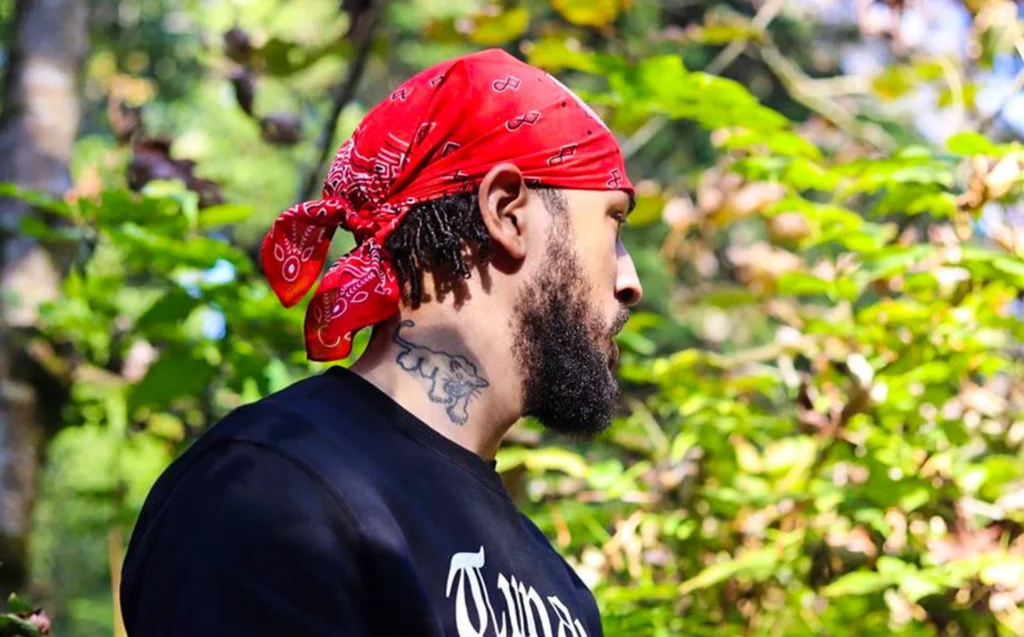
Different ways to tie a bandana almost always start with creating what stylists call the “magic triangle.” This foundational fold is the basis for most bandana styles and takes just seconds to master.
To create the magic triangle, lay your square bandana flat on a surface. Take two opposite corners and fold them together diagonally, forming a perfect triangle. This basic fold transforms your square into a versatile shape ready for styling.
For some techniques, you’ll want an “off-set triangle” instead. Leave about 2 inches of space between the opposite corners when folding. This creates more fabric length for tying and wrapping, especially useful for neck and head styles.
Once you master this simple fold, you’ve unlocked the foundation for dozens of different bandana styles. The magic triangle is your starting point for headbands, neck scarves, and countless other creative looks.
Classic Headband Style
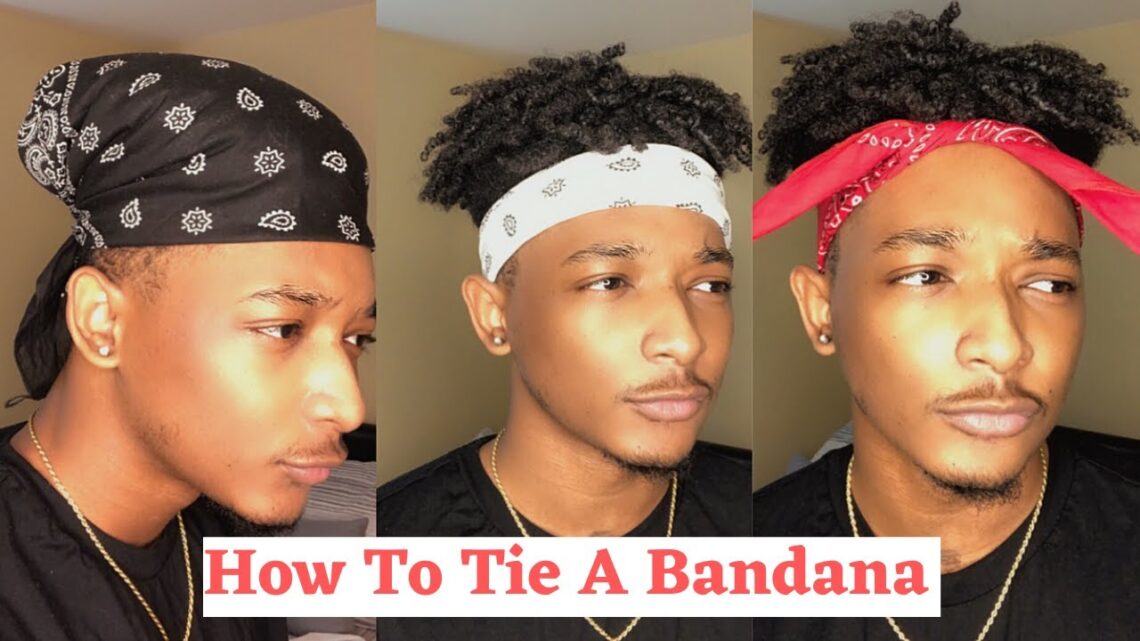
Different ways to tie a bandana for your head start with the timeless headband method. This effortless look keeps hair off your face while adding instant personality to any outfit.
Create your magic triangle first, then fold the opposite corner in on itself twice to make a long band. The band should be about 1-2 inches wide depending on your preference and bandana size.
Place the folded bandana across your forehead or further back on your hairline. Wrap the ends around to the back of your head and tie them in a double knot beneath your hair for a secure hold.
You can position the knot anywhere—under your hair for a subtle look, or on top of your head for a more playful, retro vibe. Both placements work beautifully with hair down, in a ponytail, or styled in a bun.
Pirate or Retro Head Wrap
Different ways to tie a bandana on your head include the iconic pirate style that’s having a major moment in 2026. This technique fully covers the top of your head for a bold, vintage-inspired statement.
Start with your magic triangle and place the long folded edge across your forehead. The triangle point should hang down the back of your head, covering your hair.
Take the two long ends and bring them around to the back of your head. Tie them in a double knot under the triangle point, securing the entire bandana in place.
You can let the triangle point hang loose down your back, or tuck it under the knot for a neater finish. This style works especially well with long hair worn down underneath or with hair tucked completely inside the bandana.
Ponytail Accent Tie
Different ways to tie a bandana with ponytails add a playful pop of color and texture to this classic hairstyle. It’s one of the easiest methods and creates maximum impact with minimal effort.
First, secure your hair in a ponytail using a regular hair elastic. Whether you choose a high pony or low pony depends on your preference—both look great with this technique.
Fold your bandana into a long band using the magic triangle method. Wrap the folded bandana around the base of your ponytail, covering the hair elastic completely.
Tie the ends in a knot or bow, letting any excess fabric hang down with your ponytail. The movement of the fabric as you walk adds extra visual interest and a touch of whimsy to the style.
Braided Hair Integration
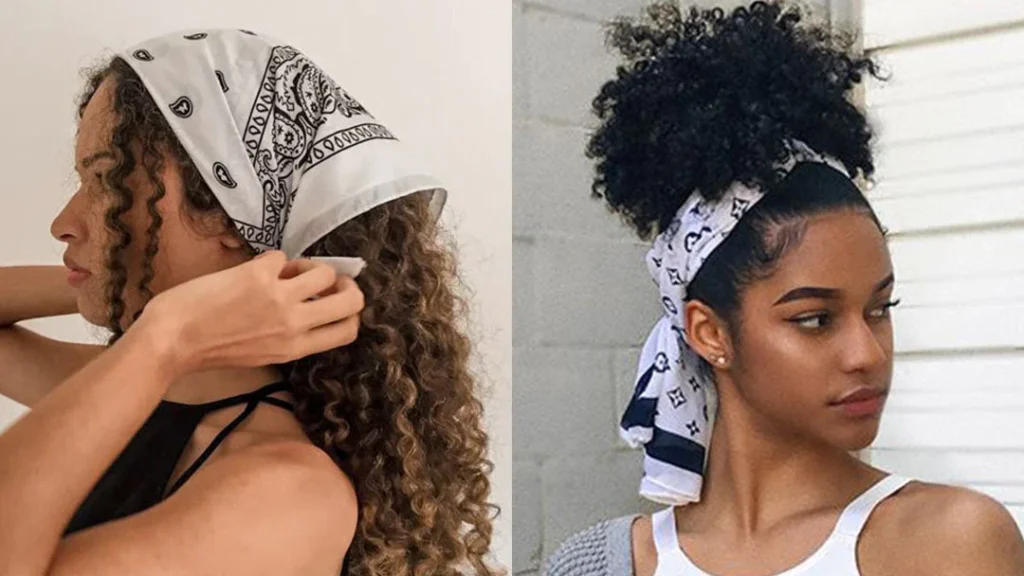
Different ways to tie a bandana into braids create stunning, bohemian-inspired looks perfect for festivals, beach days, or casual weekends. This technique weaves the bandana directly into your hair.
Fold your bandana into a long, narrow band about 1 inch wide. Position it like a headband across your head, with ends hanging down on either side of your neck.
Divide one section of hair (including the bandana end) into three parts. Braid the hair with the bandana incorporated as one of the three sections, creating a colorful stripe through your braid.
Continue braiding all the way down and secure with a small hair elastic. Repeat on the other side if desired, or leave one side loose. This creates an asymmetrical, effortlessly cool vibe.
Classic Neckerchief Style
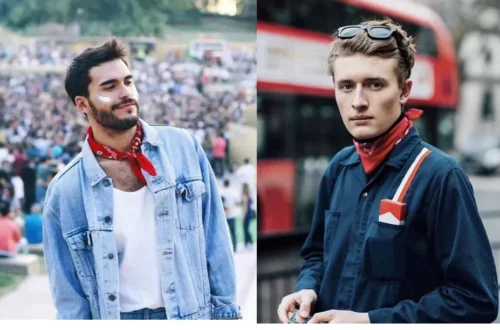
Different ways to tie a bandana around your neck begin with the most timeless method—the classic neckerchief. This Western-inspired look works with everything from t-shirts to blazers.
Create your magic triangle and place the long folded edge at the back of your neck. The triangle point should rest on your chest, pointing downward.
Take the two long ends and bring them around to the front of your neck. Tie them together in a simple knot, adjusting the tightness to your preference.
Leave about an inch or two of space between your neck and the bandana for a relaxed, comfortable fit. The triangle point can hang naturally or be tucked slightly for different effects.
Choker Neck Wrap
Different ways to tie a bandana as a choker create an edgier, more contemporary look that’s trending heavily in 2026 street style. This close-fitting style makes a bold statement.
Fold your bandana into a narrow band, similar to the headband technique. The band should be quite thin for this style—about half an inch to one inch wide.
Wrap the folded bandana tightly around your neck, positioning it high up near your jawline. Tie the ends in a small knot at the front, back, or side depending on your aesthetic.
This style pairs beautifully with open necklines, off-shoulder tops, or simple crew necks. Keep other jewelry minimal to let the bandana choker take center stage.
Ascot or Cravat Twist
Different ways to tie a bandana for a polished look include the ascot technique that’s been spotted on Fashion Week runways. This sophisticated style elevates any outfit instantly.
Start with your magic triangle, then fold the opposite point in on itself twice to create a band. Make a loose knot in the center of this band.
Place the knotted bandana around your neck with the knot centered at your throat. Wrap the ends around to the back of your neck and tie them together.
The front knot should sit prominently at the base of your throat, creating a decorative focal point. This works beautifully layered over button-down shirts or under blazer lapels.
Half-Windsor Neck Style
Different ways to tie a bandana with complexity include this creative half-Windsor technique that mimics a tie knot. It’s more intricate but creates stunning visual impact.
Fold your bandana into a band and drape it around your neck with one end longer than the other. Cross the longer end over the shorter end, creating an X shape.
Bring the longer end up through the neck loop, then down and across the shorter end. Tuck it up through the neck loop again from underneath, creating a knot shape.
Adjust the knot tightness and position until it sits comfortably at your collar bone. This technique requires practice but looks incredibly polished once mastered.
Wrist Wrap Accent
Different ways to tie a bandana extend beyond head and neck styling. Wrist wraps add subtle personality to your look without overwhelming your outfit.
Fold your bandana into a narrow band about one inch wide. Wrap it around your wrist two or three times, depending on the size of your bandana and wrist.
Tie the ends in a simple knot on the inside or outside of your wrist. The knot can be positioned as a decorative element or hidden away for a cleaner look.
This works especially well with short sleeves or when wearing bracelets that you want to complement rather than compete with. Layer multiple bandanas in coordinating colors for extra impact.
Belt Loop Statement
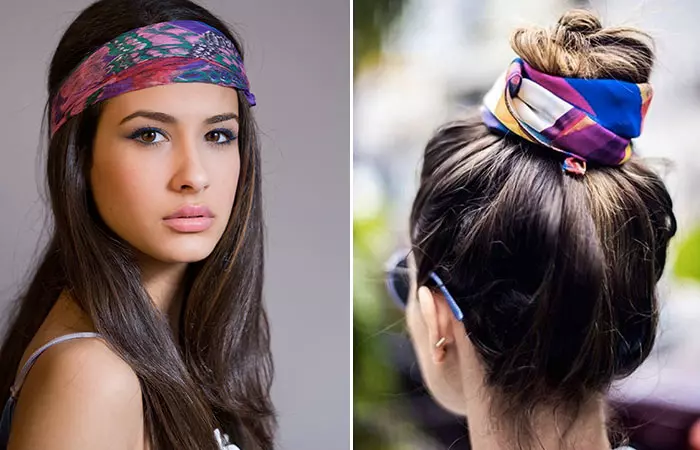
Different ways to tie a bandana to accessories create unexpected style moments. Attaching a bandana to your belt loop adds a Western-inspired accent to jeans and pants.
Fold your bandana into a triangle or leave it partially unfolded for more volume. Thread one corner through a belt loop on your hip, letting the rest hang down.
Tie the corner in a knot to secure it in place, or simply tuck it through and let gravity hold it. This creates a casual, cowgirl-inspired detail that moves with you.
The bandana can hang down your leg or be positioned more to the side or back. Experiment with placement to find what feels most natural and looks most balanced with your outfit.
Bag Charm Addition
Different ways to tie a bandana on accessories include transforming your handbag with this simple trick. It’s an easy refresh for bags you’ve been carrying for years.
Roll or fold your bandana into your preferred width. Wrap it around the strap of your bag, starting at one end and spiraling around the entire strap.
Tie the ends together with a knot, bow, or tuck them under the wrapped portion. This adds color, protects leather straps from wear, and personalizes your bag instantly.
Alternatively, tie a bandana in a bow and attach it to the handle or zipper pull. Change it out seasonally or whenever you want a fresh look without buying a new bag.
Bandana as a Top
Different ways to tie a bandana as clothing have exploded in popularity. Creating a bandana top is easier than you think and perfect for summer festivals or beach days.
You’ll need two large bandanas for this method. Fold each one into a triangle and place them on your chest, with points meeting in the center of your torso.
Take the top corners of both bandanas and tie them behind your neck in a secure knot. Then take the bottom corners and tie them behind your back, creating a halter-style top.
Adjust the tightness and coverage to your comfort level. Wear this over a bralette or bandeau for more coverage and support. This creates a unique, bohemian look perfect for warm weather.
Face Covering Method
Different ways to tie a bandana for practical purposes include the face covering technique. While fashionable, this method also provides dust and sun protection during outdoor activities.
Fold your bandana into a triangle and place it over your nose and mouth. The point should hang down over your chest while the long edge covers from nose to chin.
Bring the two long ends around to the back of your head and tie them in a knot. The bandana should fit snugly but comfortably over your face.
This technique is perfect for desert environments, dusty work sites, motorcycling, or any situation where you need face protection. Choose cotton bandanas for the most breathable option.
Turban or Full Head Coverage
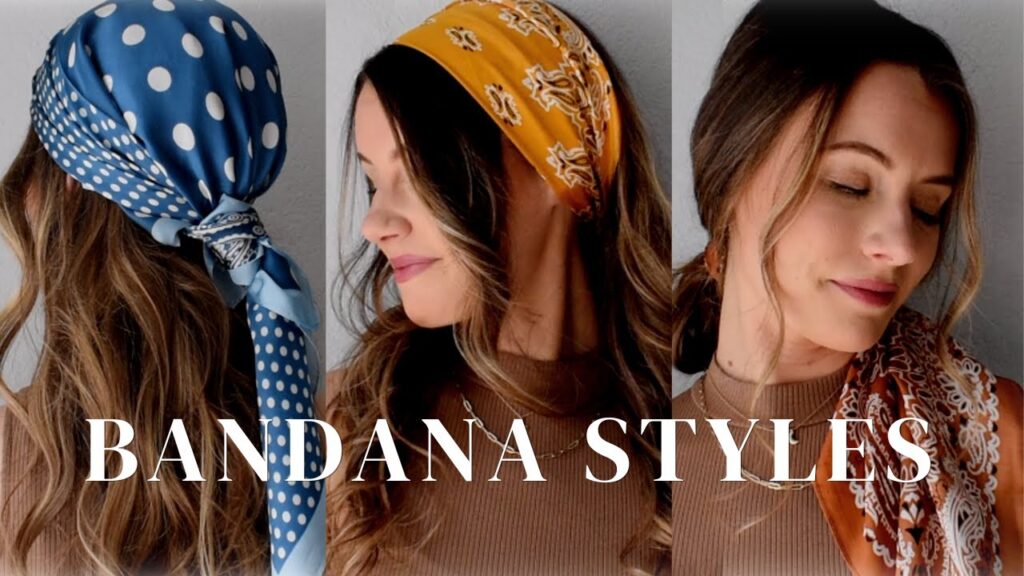
Different ways to tie a bandana for complete head coverage include turban styles that are both fashionable and functional. This method works beautifully for bad hair days or protective styling.
Use a larger bandana or two regular ones for this technique. Place the bandana over your head with the center at your forehead and ends hanging down each side.
Cross the ends at the back of your head, then bring them forward over the top of your head. Cross them again at your forehead, then tuck the ends under or tie them.
You can leave some volume at the top for a turban effect, or keep it smooth and flat against your head. This style provides full coverage while still looking intentionally stylish.
Shoulder Drape Style
Different ways to tie a bandana for elevated looks include the shoulder drape that’s been featured in recent designer collections. This creates effortless sophistication with minimal effort.
Use a larger bandana or silk scarf for this method. Fold it into a triangle and drape it over one shoulder, letting the point hang down your back.
The two ends can hang loosely down your front, or you can tie them together at your opposite hip for an asymmetrical wrapped look.
This styling technique works beautifully over simple dresses, plain t-shirts, or even swimwear. Choose silk or satin bandanas for the most elegant drape and movement.
Ankle Wrap Detail
Different ways to tie a bandana around ankles create unexpected fashion moments that set your look apart. This trend is particularly popular in barefoot or sandal weather.
Fold your bandana into a thin band, similar to the wrist wrap technique. Wrap it around your ankle two or three times, depending on bandana and ankle size.
Tie it in a knot on the outside of your ankle, letting any excess hang down or tucking it under the wrapped portion. This looks particularly cute with ankle boots, strappy sandals, or even barefoot.
The ankle wrap adds a bohemian, festival vibe to summer outfits. Layer with anklets or keep it simple—both approaches work beautifully with this unexpected placement.
Messy Bun Wrap
Different ways to tie a bandana with updos include wrapping your bun for added texture and color. This technique transforms a basic bun into a stylish statement.
Pull your hair into a messy bun at the crown of your head. Fold your bandana into a band and place it at your hairline like a headband.
Instead of tying the ends at the back, bring them up and over your bun. Wrap them around the bun once or twice, then tie them on top or tuck the ends under.
This creates a crown-like effect with your bun wrapped in colorful fabric. Let some face-framing pieces fall loose for a relaxed, effortlessly chic vibe.
Bow Style Headpiece
Different ways to tie a bandana with bows add feminine charm to any look. This vintage-inspired technique channels retro pin-up vibes with modern flair.
Fold your bandana into a wide band, about 2-3 inches in width. Place it over the top of your head with the center at your crown and ends at your ears.
Tie the ends in a bow on top of your head, slightly off-center for a playful look. Adjust the bow loops until they’re symmetrical and sized to your preference.
This style works beautifully with victory rolls, ponytails, or loose waves. It’s particularly popular for themed events, vintage photo shoots, or adding whimsy to everyday outfits.
Knotted Headband Variation
Different ways to tie a bandana on your head include this trendy knotted variation that differs from the basic headband. The front knot becomes a decorative focal point.
Fold your bandana into a band and position it across your head. Instead of tying at the back, bring the ends to the front and tie them at your forehead or temple.
The knot should sit prominently on one side of your head, creating an asymmetrical detail. Let the ends hang down if they’re long enough, or tuck them under the band.
This style became incredibly popular in 2026 street style scenes. It pairs perfectly with oversized sunglasses, gold hoops, and relaxed summer outfits.
Twisted Neck Wrap
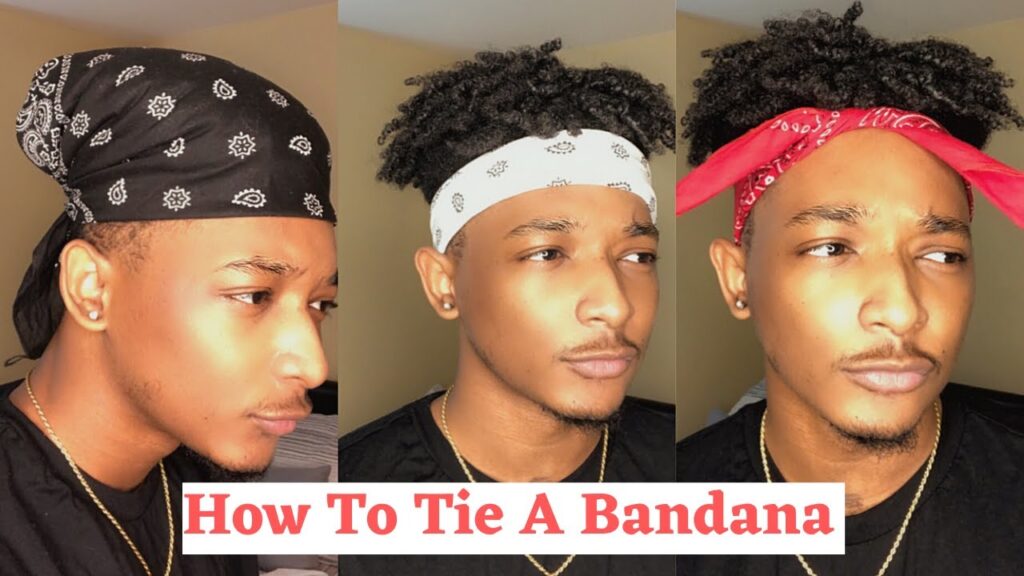
Different ways to tie a bandana for neck styling include this twisted method that adds texture and visual interest. The twist creates dimension that flat styles lack.
Fold your bandana into a band, then twist it along its entire length before wrapping it around your neck. The twist creates a rope-like texture.
Wrap the twisted bandana around your neck once or twice depending on length. Tie the ends in a knot at the front, side, or back.
The twisted texture catches light differently and creates more visual interest than a flat band. This technique works especially well with solid-colored bandanas where texture becomes the main design element.
One-Shoulder Asymmetric Style
Different ways to tie a bandana for dramatic looks include this one-shoulder technique inspired by runway styling. It creates an editorial, high-fashion effect.
Drape your bandana diagonally across your body, with one end over your shoulder and the other under your opposite arm. The fabric crosses your torso diagonally.
Tie the ends together behind your back or at your side. Adjust the tension so the bandana sits securely without slipping but doesn’t cut into your skin.
This works beautifully over plain tank tops, tube tops, or even as a unique layering piece over a simple dress. The asymmetric line creates interesting proportions and draws the eye.
Hair Scarf Ponytail Wrap
Different ways to tie a bandana with ponytails extend beyond just wrapping the base. This technique creates a long, flowing scarf tail integrated with your hair.
Secure your ponytail with a hair elastic. Fold your bandana into a long, narrow band and position the center under your ponytail base.
Bring both ends of the bandana up and tie them in a knot on top of the elastic, securing the bandana tightly. The two loose ends will now hang down with your ponytail.
You can leave these ends loose, braid them with your hair, or wrap them around your ponytail in a spiral. This adds major length and movement to your hairstyle.
Rosie the Riveter Style
Different ways to tie a bandana with vintage inspiration include this iconic WWII-era look that never goes out of style. It’s both practical and powerfully symbolic.
Fold your bandana into a wide triangle. Place it on your head with the point at the back and the long folded edge at your hairline.
Bring the two ends up and tie them in a knot directly on top of your head. The knot should sit prominently at your crown, with the triangle point tucked underneath.
Roll or tuck your hair around the sides to create the classic rolled look if desired. This style works with all hair lengths and conveys strength and vintage charm.
Bandana Belt Replacement
Different ways to tie a bandana as functional accessories include using it as an actual belt. This bohemian technique works best with high-waisted bottoms.
Use a large bandana or two bandanas tied together for length. Thread it through your belt loops as you would a regular belt.
Tie the ends in a knot or bow at your front, side, or back. The soft fabric creates a different silhouette than traditional leather belts and allows for easy adjustability.
This works particularly well with flowy dresses, high-waisted shorts, or wide-leg pants. Choose colors that complement or contrast your outfit for maximum impact.
Under-Bun Wrap Style
Different ways to tie a bandana with buns include tucking it underneath for a subtle pop of color. This technique is more understated than wrapping on top.
Create your bun first, securing it with bobby pins. Fold your bandana into a band and wrap it around your head like a headband, but position it so it goes under your bun.
Tie the ends together under your bun, hiding the knot completely. Only the band portion shows, creating a colorful ring around the base of your bun.
This adds color without overwhelming the hairstyle. It’s perfect for more conservative settings where you want personality without too much drama.
Crossed Chest Style
Different ways to tie a bandana across your torso create unique layering options. This styling method works like a sash or decorative chest piece.
Place your bandana diagonally across your chest, with one corner at your shoulder and the opposite at your hip. It should cross your torso at an angle.
Take the two remaining corners and tie them behind your back. Adjust the position and tightness until the bandana sits where you want it.
This looks fantastic over plain t-shirts, tanks, or even as an interesting layer over button-down shirts. It creates an X across your body that defines your waist and adds structure.
Scarf Necklace Knot
Different ways to tie a bandana as jewelry include creating a fabric necklace with decorative knots. This transforms your bandana into a statement accessory.
Fold your bandana into a thin band, then tie multiple knots along its length, spacing them evenly. Each knot should be tight and firm.
Wrap the knotted bandana around your neck like a choker or longer necklace. Tie the ends together at the back, hiding the closure under your hair.
The knots create texture and visual interest, almost like beads on a necklace. This works best with solid colors or subtle patterns where the knots become the main design feature.
2026 Bandana Trends and Styles
Different ways to tie a bandana have evolved significantly in 2026, with new trends emerging from runways, street style, and social media platforms. Understanding current trends helps you style your bandanas in the most contemporary ways.
Oversized silk bandanas are dominating luxury fashion. Designers like Gucci, Chanel, and Miu Miu featured large-format bandanas draped as shoulder scarves or tied around waists in their recent collections.
Sustainable and eco-conscious bandanas are trending. Organic cotton, hemp blends, and vintage upcycled fabrics appeal to environmentally aware consumers who want stylish accessories with minimal environmental impact.
Bold graphic prints are replacing traditional paisley. While paisley remains a classic, 2026 sees more abstract patterns, geometric designs, typography, and artist collaborations creating unique statement pieces.
Neutral luxury shades are trending in high-end fashion. Beige, cream, soft gray, and muted black bandanas work perfectly with the quiet luxury aesthetic that continues dominating upscale styling.
Choosing the Right Bandana
Different ways to tie a bandana work better with certain fabrics and sizes. Selecting the right bandana for your intended style ensures the best results and easiest styling process.
Cotton bandanas are most versatile and beginner-friendly. They’re breathable, hold knots well, and work for almost every tying technique. The slight texture helps them stay in place without slipping.
Silk and satin bandanas create elegant, luxurious looks. They’re perfect for neck styling, shoulder drapes, or hair wraps where you want beautiful drape and sheen. However, they’re more slippery and may require pins.
Standard size is 22 inches square for most bandanas. This size works for all basic techniques. Larger bandanas (27-32 inches) provide more fabric for elaborate wraps, tops, or belts.
Consider your hair type when choosing fabric. Fine, slippery hair needs more texture to grip, so cotton works better than silk. Thick, textured hair can handle any bandana fabric.
Bandana Color Coordination
Different ways to tie a bandana become more impactful when you master color coordination with your outfits. Strategic color choices can make or break your bandana styling.
| Outfit Type | Best Bandana Colors | Effect Created |
|---|---|---|
| All White | Red, Black, Navy | Bold contrast and focal point |
| Denim | Red, Yellow, Orange | Classic Americana vibe |
| Black Outfit | Any bright color | Pop of color and personality |
| Neutrals | Matching neutrals or jewel tones | Sophisticated and cohesive |
| Prints | Solid matching accent color | Polished without clashing |
Monochromatic coordination creates sophisticated looks. Choose a bandana in the same color family as your outfit but in a different shade for subtle dimension without contrast.
Complementary colors create vibrant looks. Use a color wheel to find opposite colors—red bandana with green outfit, blue with orange, yellow with purple.
Consider your skin undertones when selecting colors. Warm undertones glow in oranges, reds, and yellows. Cool undertones shine in blues, purples, and cool pinks.
Seasonal Bandana Styling
Different ways to tie a bandana change with seasons. Adapting your bandana styling to weather and seasonal aesthetics keeps your looks fresh year-round.
Spring calls for light, floral, or pastel bandanas. Tie them as headbands with flowy dresses, or wrap them around ponytails for garden party vibes.
Summer is peak bandana season. Beach-inspired styles like bandana tops, face coverings for sun protection, and wrist wraps for festival fashion all flourish in warm weather.
Fall works beautifully with rust, burgundy, and mustard bandanas. Tie them as neck scarves under leather jackets or wrap them around bag straps for autumn color pops.
Winter bandanas in rich jewels, deep blues, or classic red look stunning. Wear them as neck warmers, under coat collars, or wrapped around wool hats for extra warmth and style.
Bandana Care and Maintenance
Different ways to tie a bandana last longer when you properly care for your bandanas. Maintenance varies by fabric type but follows some universal principles.
Cotton bandanas are machine washable. Use cold water and mild detergent to prevent color fading. Air dry when possible or tumble dry on low heat.
Silk bandanas require gentle hand washing. Use cool water with specially formulated silk detergent. Never wring or twist—roll in a towel to remove excess water, then lay flat to dry.
Iron cotton bandanas on medium heat to keep them crisp and neat. Silk requires low heat or steaming only. Always test a corner first to avoid damage.
Store bandanas folded neatly in a drawer or hung on hooks. This prevents wrinkles and makes them easy to grab when styling. Organize by color or fabric type for quick selection.
Celebrity Bandana Inspiration
Different ways to tie a bandana gain popularity when celebrities showcase them. Drawing inspiration from famous figures helps you understand how to make bandanas work in real life.
Timothée Chalamet frequently wears bandanas as neck scarves with casual streetwear. His effortless approach pairs bandanas with hoodies, graphic tees, and relaxed denim.
Rosalía brings high-fashion bandana styling to red carpets. She’s worn oversized silk bandanas draped across shoulders with designer gowns, proving bandanas work for formal occasions.
Maya Jama styles bandanas as hair accessories. She’s been spotted with bandanas braided into ponytails, wrapped around buns, and tied as headbands for music festivals and casual outings.
Sabrina Carpenter embraces vintage bandana styling. Her 60s-inspired bow styles and retro head wraps channel old Hollywood glamour with contemporary edge.
Creating Your Bandana Wardrobe
Different ways to tie a bandana become more accessible when you build a versatile bandana collection. Strategic selection ensures you have options for every outfit and occasion.
Start with three classic colors: red, black, and white. These three bandanas coordinate with virtually everything in your wardrobe and provide a foundation for your collection.
Add two patterned options next. Traditional paisley is always useful, plus one modern pattern that reflects your personal style—geometric, floral, abstract, or graphic.
Include one luxury option. A silk or satin bandana in a neutral or jewel tone elevates dressy looks and teaches you how different fabrics behave when styled.
Experiment with seasonal additions. Collect bandanas in seasonal colors and patterns as you discover which styling methods you use most frequently. This prevents overwhelming collection growth while keeping options fresh.
Bandana Styling for Different Hair Types
Different ways to tie a bandana work differently depending on your hair texture and length. Tailoring techniques to your specific hair ensures the most flattering and secure results.
Fine, straight hair benefits from textured bandanas that grip better. Cotton works perfectly. Add bobby pins for extra security, especially with headband styles that might slip.
Thick, curly hair needs larger bandanas with more fabric. Standard 22-inch squares might feel tight, so opt for 27-inch or larger when wrapping turbans or full head coverage styles.
Short hair rocks headband and neck styles. Ponytail and bun methods won’t work, but bow styles, Rosie the Riveter looks, and all neck techniques showcase short cuts beautifully.
Long hair allows every technique. Take advantage of braided integration, long scarf wraps, and elaborate bun styles that require length to execute properly.
Fixing Common Bandana Problems
Different ways to tie a bandana sometimes present challenges. Knowing how to troubleshoot common issues keeps frustration low and styling success high.
If your bandana keeps slipping, the fabric might be too silky for your hair type. Switch to cotton, or add bobby pins at key points to anchor it in place.
If knots come undone, you’re not tying tightly enough or using the wrong knot. Always double-knot, and ensure you’re pulling each section taught before completing the tie.
If the bandana feels too bulky, you’re using too much fabric. Fold it into narrower bands, or choose a thinner bandana material that creates less bulk when folded.
If colors fade after washing, you’re using water that’s too hot. Always wash in cold water with color-safe detergent, and avoid direct sunlight when drying.
Bandana Styling for Different Occasions
Different ways to tie a bandana suit different settings and events. Understanding appropriate styling for various occasions ensures you always look intentionally fashionable rather than accidentally casual.
Casual daily wear accepts almost any bandana style. Headbands, neck wraps, wrist accents, and bag charms all work perfectly for running errands, coffee dates, or weekend activities.
Work environments depend on dress code. Conservative offices might only accept subtle neck scarves or wrist wraps. Creative fields welcome bolder head wraps, chokers, and more experimental styling.
Special events call for elevated approaches. Silk shoulder drapes, elegant ascot styles, or vintage bow headpieces work for weddings, parties, and formal gatherings where you want polish with personality.
Outdoor activities benefit from functional styles. Face coverings, sweat-absorbing headbands, and secure head wraps work best for hiking, camping, festivals, or beach days where practicality matters.
Mixing Bandanas with Other Accessories
Different ways to tie a bandana become even more stylish when thoughtfully combined with other accessories. Strategic layering creates cohesive, editorial-quality looks.
Jewelry should be balanced with bandana placement. If you’re wearing a bold neck bandana, keep necklaces minimal or skip them entirely. Wrist bandanas pair beautifully with bracelets.
Hats and bandanas can work together. Tie a bandana around the base of a felt fedora or baseball cap for added interest. Or wear a bandana as a headband with a bucket hat.
Sunglasses complement bandana styling perfectly. Oversized frames with head-wrapped bandanas create instant glamour. Cat-eye shapes enhance vintage bandana bow styles beautifully.
Belts and bandanas sometimes compete for attention. If using a bandana as a belt, keep other accessories simple. If wearing a statement leather belt, place your bandana elsewhere.
Bandana Styling for Men
Different ways to tie a bandana aren’t gender-specific, but styling approaches often differ between traditionally masculine and feminine aesthetics. These techniques specifically appeal to men’s fashion.
The classic neck wrap remains most popular for men. Folded into a triangle and tied loosely at the back, it pairs perfectly with t-shirts, henley shirts, and casual button-downs.
Headband styles work great for athletic activities or casual streetwear. Men often prefer wider bands positioned further back on the head rather than at the hairline.
Wrist wraps add subtle personality without reading as feminine. Many men prefer this understated approach to bandana styling, especially in professional settings.
Pocket squares offer another masculine option. Fold a bandana and tuck it into a suit jacket breast pocket for color without traditional bandana styling.
Creating Instagram-Worthy Bandana Looks
Different ways to tie a bandana photograph beautifully when styled with social media in mind. These tips help create share-worthy bandana content.
Lighting makes or breaks bandana photos. Natural light shows true colors and patterns most accurately. Photograph near windows or outdoors during golden hour for the most flattering results.
Angles matter for different styles. Head-on shots showcase neck and chest styling. Profile angles highlight headbands and side knots. Overhead shots work beautifully for top-of-head bow styles.
Backgrounds should be simple enough to not compete with your bandana. Solid walls, natural settings, or blurred-out urban scenes let the bandana styling remain the focal point.
Editing should enhance, not alter. Adjust brightness and contrast to match real-life colors. Avoid heavy filters that change the bandana’s true hue or pattern.
DIY Bandana Projects
Different ways to tie a bandana expand into craft projects when you’re feeling creative. These simple DIY ideas transform basic bandanas into custom pieces.
Create a patchwork bag by sewing multiple bandanas together. Cut them to size, arrange in your preferred pattern, and sew into a tote or crossbody bag.
Make bandana throw pillows for instant boho decor. Sew two bandanas together on three sides, stuff with pillow filling, and close the fourth side for unique home accessories.
Design a custom phone case by decoupaging bandana fabric onto a clear case. Cut the bandana to size, adhere with mod podge, and seal with additional coats.
Transform old bandanas into quilts. Collect worn but loved bandanas and sew them together into lap quilts, baby blankets, or decorative wall hangings full of memories.
Bandana History and Cultural Significance
Different ways to tie a bandana carry historical and cultural weight. Understanding these roots adds depth to your styling choices and promotes respectful wearing.
The word “bandana” comes from the Hindi “bandhna,” meaning “to tie.” The accessory originated in India where brightly colored, patterned cloths were used for practical purposes.
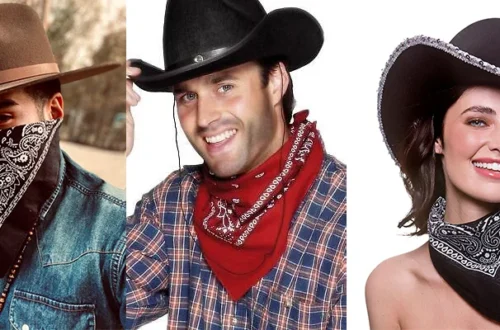
In the American West, cowboys wore bandanas to protect against dust, sun, and wind. This practical use evolved into a fashion statement representing rugged individualism and frontier spirit.
Different colors carried meanings in various communities. Red bandanas became associated with specific groups and causes. Understanding these associations prevents unintentional messaging through your styling.
Today, bandanas transcend their utilitarian origins. They’re fashion accessories that honor heritage while expressing individual style, blending tradition with contemporary trends.
Sustainable and Ethical Bandana Choices
Different ways to tie a bandana align with sustainable fashion when you choose ethically made options. Conscious consumption matters even for small accessories.
Organic cotton bandanas avoid pesticides and chemicals used in conventional cotton farming. These cost slightly more but offer peace of mind about environmental impact.
Vintage and second-hand bandanas are the most sustainable option. They give existing items new life, require no new resources, and often feature unique patterns no longer in production.
Fair trade certified bandanas ensure workers received fair wages and safe conditions. Look for certifications from organizations like Fair Trade USA or World Fair Trade Organization.
Local and small-batch producers often offer more sustainable options than mass-produced versions. Supporting independent makers strengthens local economies and typically results in higher quality products.
Bandana Styling Mistakes to Avoid
Different ways to tie a bandana can go wrong when common mistakes happen. Avoiding these pitfalls ensures your bandana styling always looks intentional and polished.
Don’t tie bandanas too tightly around your head or neck. This creates discomfort, headaches, and unflattering bulges. Leave breathing room for comfort and better aesthetics.
Avoid matching your bandana too perfectly to your outfit. Instead of identical color matching, pull an accent color from a print or choose complementary shades for more sophisticated looks.
Don’t ignore proportions relative to your frame. Petite frames can be overwhelmed by large bandanas and bulky folds. Larger frames can use generous fabric amounts without looking disproportionate.
Skip wearing bandanas in professional settings where they’re not culturally appropriate. Read your workplace culture before introducing bold accessory choices that might seem too casual.
Advanced Bandana Techniques
Different ways to tie a bandana expand to more complex methods once you’ve mastered basics. These advanced techniques create editorial-quality styling with practice.
The French twist bandana combines head wrapping with hair styling. Wrap the bandana around your head, then twist your hair up and pin it, incorporating the bandana into the twist itself.
Layered bandana styling uses multiple bandanas simultaneously. Wrap one around your neck and another as a headband, coordinating colors for cohesive looks without matching exactly.
Bandana weaving creates texture through your hair. Section hair into multiple small braids, weaving narrow strips of bandana into some or all sections for intricate, festival-ready styles.
Origami-inspired folding creates sculptural shapes beyond basic triangles. Experiment with box folds, fan folds, and other origami techniques before tying for unique dimension.
Bandana Styling Video Tutorials
Different ways to tie a bandana become easier to learn through video content. Knowing where to find quality tutorials accelerates your styling education.
YouTube offers countless free bandana tutorials. Search for specific styles you want to learn, then watch multiple tutorials to find the clearest instruction methods.
TikTok showcases quick, trendy bandana hacks. The platform’s short-form content makes learning fast, though you may need to watch several times to catch all steps.
Instagram Reels from fashion influencers demonstrate current styling trends. Follow bandana-focused accounts or fashion creators who regularly incorporate bandanas into their content.
Pinterest provides both photos and video links. Create boards to save your favorite techniques, making them easy to reference when you’re ready to try new styles.
Frequently Asked Questions (FAQs)
What is the easiest way to tie a bandana?
The classic headband is the easiest method. Simply fold your bandana into a long band, wrap it around your head, and tie the ends at the back under your hair for a secure hold.
How do you keep a bandana from slipping off your head?
Use cotton bandanas instead of silk for better grip, tie knots tightly, and add bobby pins at strategic points like behind your ears to anchor the bandana securely in place.
Can you wear a bandana as a shirt?
Yes, use two large bandanas tied at the neck and back to create a halter-style top. This works best over a bralette for support and is perfect for festivals or beach settings.
What size bandana is best for styling?
Standard 22-inch square bandanas work for most techniques. For full head wraps, tops, or belts, larger 27-32 inch bandanas provide more fabric for easier tying and better coverage.
How do you tie a bandana around your neck like a cowboy?
Fold the bandana into a triangle, place the long edge at the back of your neck with the point on your chest, then tie the ends in front loosely for the classic Western look.
What fabric is best for bandanas that stay in place?
Cotton is best for grip and staying power. It has natural texture that prevents slipping, holds knots well, is breathable, and works for all hair types unlike slippery silk or satin.
Can men wear bandanas fashionably?
Absolutely. Men often wear bandanas as neck wraps, headbands for sports, wrist accents, or pocket squares. The key is choosing classic colors and keeping styling simple and intentional.
How do you wash bandanas without fading?
Wash cotton bandanas in cold water with mild detergent, avoid bleach, and air dry when possible. For silk bandanas, hand wash gently in cool water with specialized silk detergent.
What’s the difference between a bandana and a scarf?
Bandanas are typically square-shaped (22 inches is standard), made from cotton, and feature paisley or graphic prints. Scarves are usually rectangular, come in various fabrics, and have different patterns and purposes.
Are bandanas still in style for 2026?
Yes, bandanas are a major trend in 2026. Fashion Week runways, celebrity styling, and street fashion all feature bandanas extensively, particularly oversized silk versions and sustainable organic cotton options.
Conclusion
Different ways to tie a bandana offer endless possibilities for expressing your personal style while staying on-trend in 2026.
From classic neckerchiefs and headbands to more adventurous tops and turban styles, this versatile square of fabric truly deserves its status as a fashion essential.
The key to successful bandana styling lies in experimentation—try multiple techniques to discover which methods feel most authentic to your aesthetic and most comfortable for your daily activities.