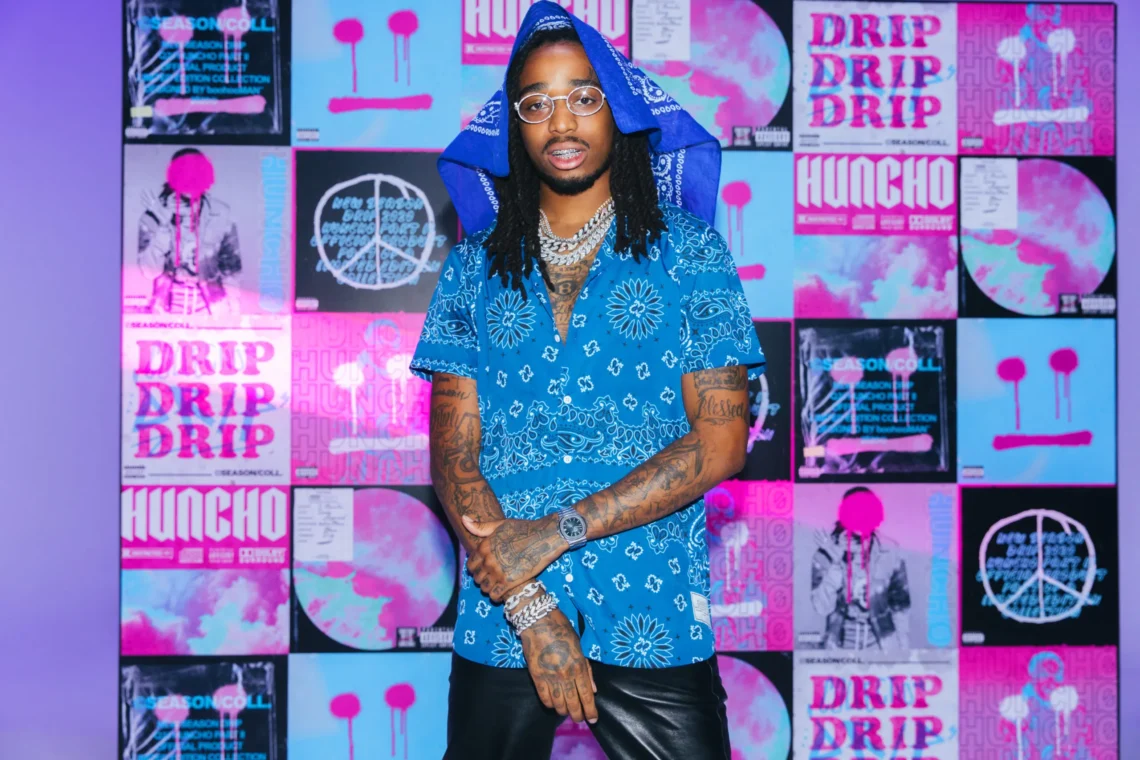
Ways to wear a bandana men have evolved dramatically in 2026, transforming this classic accessory from a simple utility item into a runway-approved fashion statement.
Whether you’re inspired by rock legends, street style icons, or modern menswear influencers, the bandana offers endless styling possibilities for every occasion.
From the classic neck tie to edgy headband styles, men’s bandana fashion has become a signature element in contemporary wardrobes.
Table of Contents
The Bandana Revival: Why 2026 Is the Year

The bandana has experienced a massive resurgence in men’s fashion throughout 2026. What started as a COVID-era necessity transformed into a style essential.
According to Google Trends, searches for “how to wear bandana men” increased by 250% year-over-year. Major fashion houses like Louis Vuitton, Hermès, and Gucci featured bandanas prominently in their spring/summer collections.
Gen Z and Millennials have embraced bandanas as expressions of individuality and sustainable fashion. The accessory’s versatility allows it to transition seamlessly from casual streetwear to smart casual settings.
Celebrity endorsements from style icons like Timothée Chalamet, Harry Styles, and Travis Scott have cemented the bandana’s position as a must-have accessory for fashion-forward men.
Classic Neck Tie Style
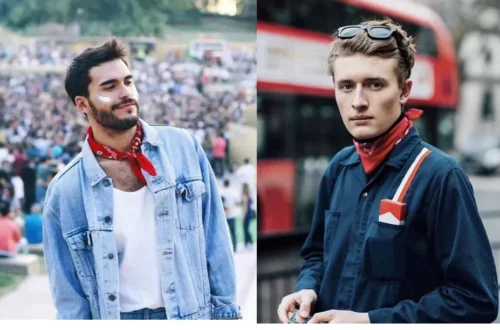
The neck tie remains the most popular way to wear a bandana in 2026. This versatile style works with virtually any outfit.
How to Tie It: Fold your bandana diagonally into a triangle, then roll it from the wide end until you create a smooth band about 2-3 inches wide. Wrap it around your neck and tie a soft knot in the front.
This style pairs perfectly with white t-shirts, denim jackets, linen shirts, and even casual blazers. The rolled bandana creates a choker-like effect that adds visual interest without overwhelming your outfit.
For a more relaxed vibe, tie the knot slightly to the side instead of center front. Leave the ends loose for a bohemian feel or tuck them for a cleaner aesthetic.
The Headband Look
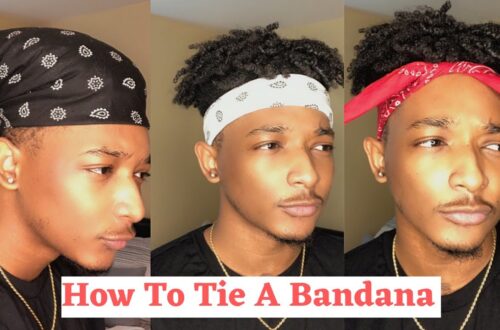
The headband style channels rock and roll energy while keeping hair off your face. This iconic look was popularized by legends like Jimi Hendrix and Axl Rose.
How to Style It: Fold your bandana into a triangle, then roll it into a strip 3-5 cm wide. Place it across your forehead just above the eyebrows and tie securely at the back with a double knot.
This rebellious style works exceptionally well with casual outfits like band t-shirts, leather jackets, distressed jeans, and vintage sneakers.
Modern interpretations push the headband higher on the head for a more contemporary feel. Experiment with placement to find what flatters your face shape and hairstyle.
Wrist Wrap Style
The wrist wrap offers subtle personality without committing to bold head or neck placements. This low-key styling option shows attention to detail.
How to Wear It: Roll your bandana into a thin strip and wrap it around your wrist 2-3 times. Tie it with a simple knot, allowing the ends to dangle slightly.
Musicians and guitarists popularized this look to keep wrists warm and absorb sweat during performances. Today, it’s purely a fashion statement that adds edge to minimalist outfits.
Pair wrist-wrapped bandanas with watches, bracelets, or leather cuffs for a layered accessory look. Choose colors that complement your outfit’s palette.
Pocket Square Alternative
Elevate your blazer game by using a bandana as a sophisticated pocket square replacement. This unexpected twist adds texture and casual elegance.
How to Fold It: Iron your bandana for crisp edges. Fold it into a square slightly smaller than your breast pocket. Arrange it with one corner pointing up or create a flat fold with just a sliver peeking out.
Cotton bandanas create a more relaxed vibe than traditional silk pocket squares. This styling works perfectly for smart casual events, summer weddings, and creative business settings.
Choose solid colors or subtle patterns for formal contexts. Save bold paisley prints for casual blazers paired with jeans and sneakers.
Back Pocket Accent

The back pocket bandana adds a splash of color and Western-inspired flair to denim looks. This casual styling requires minimal effort for maximum impact.
How to Style It: Simply tuck a corner of your bandana into your back jean pocket, letting the majority hang out. The bandana should cascade naturally from the pocket.
This style peaked in the ’90s and has made a strong comeback in 2026 streetwear. It pairs excellently with trucker jackets, graphic tees, and chunky sneakers.
Be mindful of color placement—traditionally, certain colors in specific pockets held coded meanings. Today, these codes are largely obsolete in mainstream fashion, but awareness doesn’t hurt.
Belt Loop Styling
Attaching a bandana to your belt loop creates a utilitarian aesthetic reminiscent of skater and workwear cultures. This functional-meets-fashionable approach stands out.
How to Wear It: Fold your bandana into a triangle or rectangle, then thread it through a belt loop on your hip. Let it hang freely or tie it in a loose knot.
This styling works particularly well with cargo pants, carpenter jeans, and utility-style trousers. It adds visual interest to the lower half of your outfit.
Choose bandanas in colors that contrast with your pants for maximum visibility. Neutral bandanas blend more subtly into earth-tone workwear.
Ankle Accessory
The ankle bandana trend originated in ’90s hip-hop culture and has resurged in 2026 streetwear. This unique placement makes a bold statement.
How to Style It: Wear loose-fitting jeans or joggers with the hems slightly rolled up. Tie a bandana around your ankle, securing it with a simple knot.
This style works best with high-top sneakers or boots that provide a visual anchor. The bandana peeks out between your footwear and pants hem.
Keep the rest of your outfit relatively simple to avoid overwhelming visual noise. Let the ankle bandana be your statement piece.
Face Mask Coverage
While initially a pandemic necessity, the face mask bandana style has evolved into an edgy fashion choice for music festivals and outdoor events.
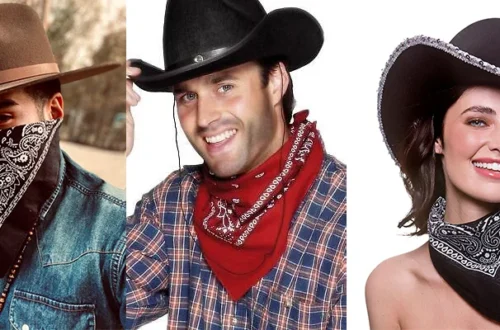
How to Wear It: Fold your bandana diagonally into a triangle. Place the longest edge across your nose and mouth, then tie the ends behind your head.
This cowboy-inspired look works for dusty environments, motorcycle riding, or creating a mysterious aesthetic. It’s more about attitude than necessity in 2026.
Choose breathable cotton for comfort. This style pairs naturally with outdoor adventure wear, denim, and leather jackets.
Hair Tie Alternative
Men with longer hair can incorporate bandanas into ponytails and buns for added visual interest and bohemian charm.
How to Style It: Pull your hair into a ponytail or bun. Fold your bandana into a long strip and wrap it around the hair tie, finishing with a bow or knot.
This style adds color and texture to simple hairstyles. It’s particularly popular in surf culture, festival fashion, and creative communities.
Experiment with different bandana widths—thicker bands make bolder statements while thin strips provide subtle accents. Coordinate bandana colors with your outfit or let them contrast boldly.
Layered Neck Styling
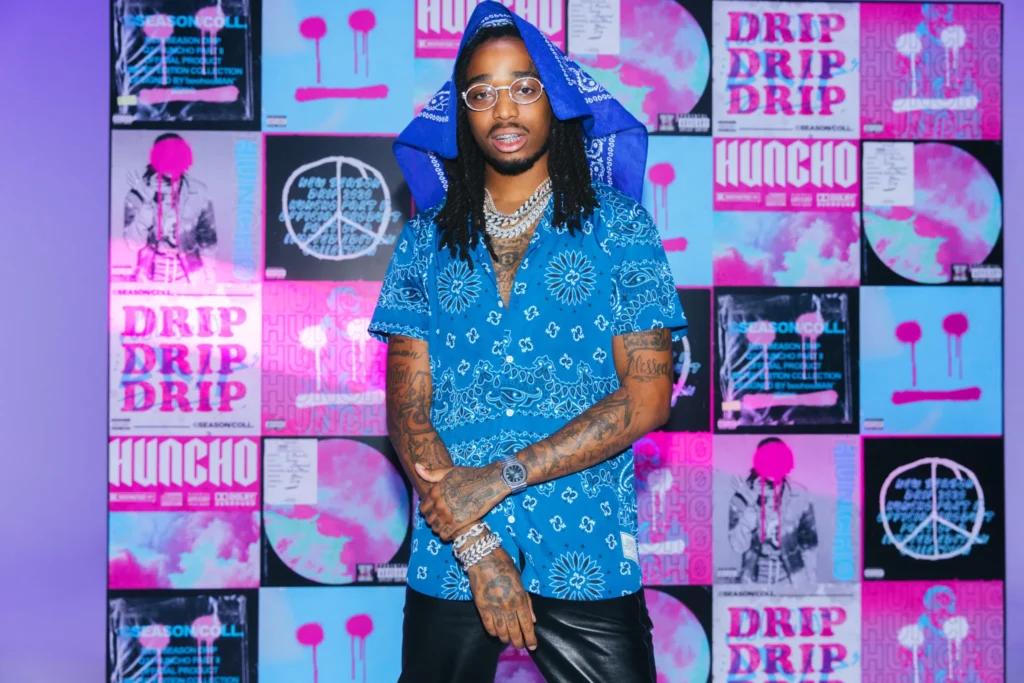
For fashion-forward individuals, layering multiple bandanas creates depth and visual complexity. This maximalist approach turns heads in 2026 street style.
How to Wear It: Choose 2-3 bandanas in complementary or contrasting colors. Layer them around your neck at slightly different lengths, each tied with a simple knot.
This bold styling works best with neutral base outfits like black turtlenecks, grey hoodies, or white t-shirts. Let the layered bandanas provide all the color and pattern.
Balance is key—if your neck styling is busy, keep accessories minimal elsewhere. Remove watches, chains, or other competing elements.
Bag and Backpack Accent
Transform ordinary bags into personalized statements by tying bandanas to handles, zippers, or straps. This styling adds personality to functional items.
How to Style It: Fold your bandana and tie it around your backpack strap, messenger bag handle, or tote bag. Let it hang freely or create a bow.
This trend is huge in streetwear and skate culture. It’s an easy way to customize mass-produced bags and showcase your aesthetic preferences.
Choose bandanas that complement your bag’s color or create intentional contrast. Swap them out seasonally to refresh your look without buying new bags.
Arm Band Style
The arm band placement channels athletic and military aesthetics while remaining distinctly fashionable in 2026 trends.
How to Wear It: Roll your bandana into a band and tie it around your bicep or forearm. Position it between your elbow and shoulder for classic placement.
This bold styling works particularly well in summer with sleeveless shirts, tank tops, or rolled-up sleeves. It’s popular in festival fashion and athletic-inspired streetwear.
The arm band should fit snugly enough to stay in place but not restrict circulation. Adjust tightness based on comfort and activity level.
Waist Tie Styling
Tying a bandana around your waist creates a ’90s hip-hop aesthetic that’s trending heavily in 2026 streetwear revival.
How to Wear It: Fold your bandana and tie it around your waist over your belt or directly on your pants. Position it on your hip for asymmetrical interest.
This styling pairs excellently with oversized hoodies, baggy jeans, and chunky sneakers. It adds a pop of color to monochrome outfits.
The waist tie works as a transitional piece—wear it loosely in warm weather or over a jacket when temperatures drop.
Inside Shirt Collar
For a subtle preppy twist, tuck a small bandana into your shirt collar like a mini cravat. This refined approach works in smart casual settings.
How to Style It: Fold a small bandana into a thin strip. Open your collar and drape the bandana around your neck, tucking the ends inside your shirt.
This creates a pop of color and pattern that peeks out from under your collar. It’s particularly effective with oxford shirts, polo shirts, and casual button-downs.
Choose bandanas in complementary colors to your shirt. This styling walks the line between casual and dressy beautifully.
Hat Band Detail
Enhance fedoras, bucket hats, or baseball caps by wrapping bandanas around the crown. This cowboy-inspired detail adds Western charm.
How to Wear It: Fold your bandana into a strip and wrap it around your hat’s base, tying a small knot or bow. Let the ends hang or tuck them discreetly.
This styling works particularly well with neutral-colored hats. The bandana adds personalized flair to otherwise plain headwear.
Coordinate your hat band with other accessories like belts or watches for a cohesive look. Or choose contrasting colors for bold visual impact.
2026 Ways to Wear a Bandana Men – Trendy Looks
Oversized Silk Bandanas
Luxury fashion has embraced oversized silk bandanas as shoulder scarves and neck drapes. These premium pieces elevate casual outfits instantly.
Brands like Hermès and Gucci showcase oversized bandanas paired with tailored trousers and loafers. The draping creates sophisticated movement and texture.
Sustainable and Organic Fabrics
Eco-conscious fashion drives demand for bandanas made from organic cotton, hemp blends, and upcycled vintage fabrics. Sustainability meets style.
Look for bandanas from brands emphasizing ethical production, fair trade certification, and environmental responsibility. Fashion can be both stylish and planet-friendly.
Bold Graphic Prints
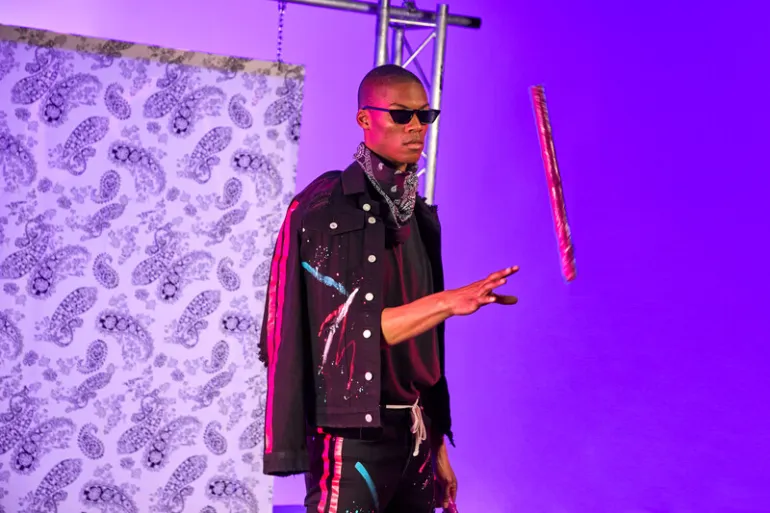
Traditional paisley shares space with graphic prints featuring logos, typography, and street art-inspired designs. These contemporary patterns dominate 2026 streetwear.
Graphic bandanas make powerful statements when styled around the neck or as pocket squares. They reflect urban culture and modern aesthetic sensibilities.
Neutral Minimalism
Quiet luxury trends have popularized beige, cream, grey, and soft-black bandanas. These neutral tones create understated elegance perfect for minimalist wardrobes.
Neutral bandanas work in professional settings where bold colors might overwhelm. They add subtle texture without loud pattern interruption.
Layered and Stacked Looks
Fashion maximalists layer multiple bandanas in complementary colors and patterns. This bold approach creates visual richness and personal expression.
Experiment with mixing textures—combine cotton with silk, or pair paisley with solid colors. The layered look celebrates creative freedom.
Choosing the Right Bandana for Your Style
Consider the Fabric
- Cotton: Best for everyday wear, breathable, durable, and easy to care for. Perfect for casual settings and active lifestyles.
- Silk: Elegant and smooth—ideal for formal styling, pocket squares, and luxury neck scarves. Requires gentle hand washing.
- Satin: Budget-friendly silk alternative offering shine and drape without premium prices. Good for special occasions.
- Linen: Lightweight and breathable—excellent for summer wear and relaxed beach aesthetics. Develops natural texture with age.
Select Appropriate Colors
Match bandanas to your existing wardrobe’s color palette for cohesive looks. Or choose contrasting colors to make bandanas stand out as statement pieces.
Classic colors include navy, red, black, and traditional paisley patterns. Modern options embrace pastels, neons, and monochrome minimalism.
Consider seasonal appropriateness—bright colors suit summer while deeper tones work for fall and winter styling.
Size Matters
Standard bandanas measure 22×22 inches—perfect for most styling techniques. Oversized bandanas (30×30 inches or larger) work best for draping and shoulder scarves.
Smaller neckerchiefs and pocket squares typically measure 16×16 inches. These work specifically for formal pocket square applications.
Choose size based on your intended styling method. Headbands and wrist wraps work with any size, while pocket squares require specific dimensions.
Styling Tips from Fashion Experts
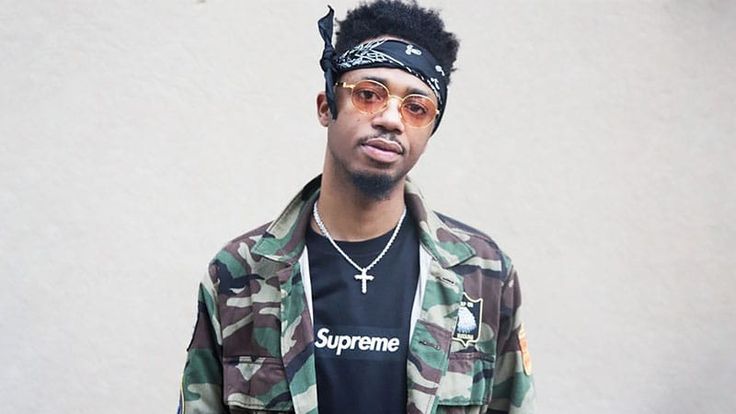
Start Simple
If you’re new to bandanas, begin with classic neck tie or wrist wrap styles. These approachable options let you test the waters without bold commitment.
Choose neutral colors that coordinate easily with your existing wardrobe. Build confidence before experimenting with bolder placements and patterns.
Coordinate Don’t Match
Your bandana should complement your outfit without perfectly matching. Think coordinating color families rather than exact color duplication.
For example, pair a navy bandana with blue jeans and a white shirt. The navy adds depth without competing with the denim.
Balance Your Look
If your bandana is bold and colorful, keep the rest of your outfit relatively neutral. Let the bandana be your statement piece.
Conversely, if you’re wearing patterned clothes, choose a solid-colored bandana that picks up one of the outfit’s existing hues.
Consider Context
Headbands and face masks work great for festivals, outdoor adventures, and casual weekend wear. They’re less appropriate for business or formal settings.
Pocket squares and subtle neck ties bridge casual and smart casual contexts. Save the boldest styling for creative environments and weekend activities.
Break It In
New cotton bandanas can feel stiff. Wash them several times and repeatedly roll them to soften the fabric and help them hold shape.
Silk bandanas should be hand-washed with gentle detergent and air-dried. Steam instead of ironing to prevent damage and maintain luster.
Common Mistakes to Avoid
Over-Accessorizing
Don’t wear bandanas on your head, neck, and wrist simultaneously. Choose one placement and let it shine without competing accessories.
If you’re wearing a bandana, minimize other jewelry and accessories. The bandana should be your primary accent piece.
Ignoring Proportions
Oversized bandanas can overwhelm smaller frames. Choose sizes proportional to your body type and face shape.
Very large bandanas work better for taller, broader individuals. Petite men should opt for standard or smaller sizes.
Wrong Fabric for Context
Don’t wear silk bandanas for workouts or outdoor activities—they’ll get damaged. Reserve silk for dressy occasions and fashion styling.
Similarly, don’t wear casual cotton bandanas as pocket squares in formal business settings. Match fabric to formality level.
Neglecting Care
Dirty or wrinkled bandanas ruin otherwise polished outfits. Wash bandanas regularly and iron or steam them before wearing.
Different fabrics require different care. Read care labels and treat silk, cotton, and synthetic blends appropriately.
Following Trends Blindly
Wear bandanas in ways that genuinely suit your personal style. Don’t force trends that feel uncomfortable or inauthentic.
The best styling enhances your existing aesthetic rather than completely changing who you are. Adapt trends to fit you.
Bandana Color Meanings and History
Understanding bandana color history adds context, though most traditional meanings no longer apply in mainstream 2026 fashion.
- Red Bandanas: Historically associated with union workers and certain groups. Today, simply a bold color choice with Western aesthetic.
- Blue Bandanas: Traditional cowboy favorite for practicality. Modern interpretation focuses purely on color preference.
- Black Bandanas: Biker culture and rock music associations. Currently embraced for minimalist and edgy aesthetics.
- White Bandanas: Historically symbolized peace and social justice movements. Today, appreciated for clean, crisp visual appeal.
In contemporary fashion, wear colors you love without worrying about outdated codes. Context and styling matter more than color symbolism.
Outfit Combinations That Work
Casual Weekend Look
White t-shirt + dark wash jeans + sneakers + red bandana around neck = classic American casual with personality.
The red bandana adds visual interest to an otherwise simple outfit. Roll up your t-shirt sleeves slightly for added style.
Street Style Edge
Black hoodie + cargo pants + chunky sneakers + graphic print bandana on belt loop = modern streetwear with urban attitude.
Layer a denim jacket over the hoodie for extra dimension. Let the bandana be your pop of color and pattern.
Smart Casual Sophistication
Navy blazer + white oxford shirt + chinos + neutral bandana pocket square = polished look with casual twist.
Choose a beige or grey bandana for the pocket square. This bridges dressy and casual perfectly for creative workplaces.
Festival Ready
Graphic tee + denim shorts + boots + bandana headband = concert and festival perfection with bohemian vibes.
Add sunglasses and a crossbody bag. The bandana keeps hair controlled while making a style statement.
Summer Breeze
Linen shirt (unbuttoned) + white tank + light wash jeans + silk bandana around neck = relaxed warm-weather elegance.
Choose a patterned silk bandana in blues or greens. The flowing linen and silk create sophisticated summer texture.
Platform-Specific Bandana Trends
Instagram Favorites
Instagram fashion influencers favor neck tie and pocket square placements. Clean, photogenic styling dominates the platform.
Popular color combinations include navy + white, black + cream, and earth tones. Minimalist aesthetics perform best.
TikTok Trends
TikTok embraces bolder placements like arm bands, ankle wraps, and layered neck styling. Experimental approaches thrive here.
Y2K nostalgia drives ’90s and early 2000s styling revivals. Bright colors and graphic prints gain massive engagement.
Pinterest Inspiration
Pinterest showcases versatile bandana boards with outfit combinations, folding tutorials, and seasonal styling ideas.
The platform excels at visual inspiration—save pins of styling methods you want to try and outfit combinations that inspire you.
Care and Maintenance Guide
Washing Cotton Bandanas
Machine wash cotton bandanas in cold water with like colors. Use mild detergent and avoid bleach to preserve color vibrancy.
Tumble dry on low heat or air dry flat. Iron while slightly damp for easiest wrinkle removal.
Caring for Silk Bandanas
Hand wash silk in cool water with gentle detergent specifically formulated for delicate fabrics. Never wring or twist.
Roll in a towel to remove excess water, then lay flat to dry away from direct sunlight. Steam to remove wrinkles.
Storage Solutions
Fold bandanas neatly and store in a drawer organizer. Keep them visible so you remember to wear them.
For silk bandanas, use acid-free tissue paper between folds to prevent creasing. Store in a cool, dry place.
Refreshing Faded Colors
Restore faded cotton bandanas using fabric dye. Choose dye colors that enhance existing patterns rather than completely changing them.
Follow dye package instructions carefully. This extends bandana life and creates custom color combinations.
Budget-Friendly Bandana Shopping Tips
Where to Buy
- Fast Fashion Retailers: H&M, Zara, and Uniqlo offer affordable cotton bandanas in trendy colors. Expect $5-$15 price points.
- Outdoor Brands: REI, Patagonia, and Columbia sell durable bandanas designed for active use. Prices range $10-$25.
- Luxury Options: Hermès, Gucci, and Louis Vuitton produce premium silk bandanas. Investment pieces starting at $200+.
- Vintage and Thrift: Second-hand shops offer unique vintage bandanas with character. Eco-friendly and budget-conscious at $3-$10.
Quality Indicators
Check stitching quality—even, tight stitches indicate better construction. Avoid loose threads or uneven edges.
Feel the fabric—high-quality cotton feels soft yet substantial. Cheap bandanas feel thin and rough.
Examine colorfastness by gently rubbing a damp white cloth on the bandana. Significant color transfer indicates poor dye quality.
Building a Collection
Start with classic colors: navy, red, black, and white. These four cover most styling needs and outfit combinations.
Add seasonal colors gradually—pastels for spring, brights for summer, earth tones for fall, deep jewel tones for winter.
Invest in one premium silk bandana for special occasions. Then fill out your collection with affordable cotton options for everyday wear.
The Cultural Significance of Bandanas
Western and Cowboy Heritage
Bandanas are deeply rooted in American Western culture. Cowboys wore them for sun protection, sweat absorption, and dust filtering.
This practical heritage informs modern styling—the neck tie method directly descends from cowboy traditions. The accessory carries American frontier spirit.
Music and Counterculture
Rock musicians, rappers, and punk artists adopted bandanas as symbols of rebellion and individuality throughout the 20th century.
From Tupac Shakur to Axl Rose, bandanas became synonymous with musical expression. This cultural weight adds depth to contemporary fashion styling.
Global Adoption
Different cultures worldwide have bandana equivalents—India’s bandhani, Japan’s tenugui, Middle Eastern keffiyeh. The bandana’s universality transcends borders.
Modern fashion celebrates this global heritage. Wearing bandanas connects you to rich traditions spanning continents and centuries.
Celebrity Bandana Style Icons
Timothée Chalamet
The actor frequently wears silk bandanas as neck scarves paired with tailored suits and casual streetwear. His approach balances sophistication with youthful edge.
Chalamet favors oversized bandanas in bold prints. He demonstrates how bandanas elevate even simple outfits through thoughtful accessorizing.
Harry Styles
Styles incorporates bandanas into his gender-fluid fashion aesthetic. He wears them as headbands, neck ties, and even wrist accessories.
His colorful, pattern-mixing approach encourages fashion risk-taking. Styles proves bandanas work in both feminine and masculine styling contexts.
Travis Scott
The rapper embraces streetwear bandana styling—face masks, headbands, and belt loop placements dominate his looks.
Scott pairs bandanas with graphic tees, distressed denim, and high-end sneakers. His style reflects urban culture and hip-hop heritage.
Future of Bandana Fashion
Tech-Enhanced Fabrics
Future bandanas may incorporate moisture-wicking technology, UV protection, and antibacterial properties while maintaining style appeal.
Smart fabrics could regulate temperature or change color based on environment. Function and fashion continue converging.
Customization and Personalization
Print-on-demand services allow completely customized bandanas with personal artwork, photos, or designs. Express individuality through unique pieces.
Digital printing technology improves, making custom bandanas more affordable and accessible. Personal expression reaches new levels.
Sustainable Innovation
Expect more bandanas made from recycled materials, organic fabrics, and closed-loop production systems. Fashion’s future is sustainable.
Brands will emphasize transparency—knowing exactly where and how your bandana was made becomes standard expectation.
Bandana Styling by Season
| Season | Best Styles | Recommended Fabrics | Color Palettes |
|---|---|---|---|
| Spring | Neck ties, hair ties, wrist wraps | Light cotton, linen | Pastels, florals, light blues |
| Summer | Headbands, face masks, neck scarves | Breathable cotton, silk | Bright colors, white, tropical prints |
| Fall | Pocket squares, layered neck ties | Medium-weight cotton, satin | Earth tones, burgundy, olive, burnt orange |
| Winter | Layered styling, inside collar | Silk, thick cotton | Deep jewel tones, black, grey, navy |
Bandana Materials Comparison
| Material | Durability | Comfort | Best Use | Price Range | Care Level |
|---|---|---|---|---|---|
| Cotton | High | Very High | Everyday wear, active use | $5-$20 | Easy |
| Silk | Medium | High | Formal occasions, luxury styling | $50-$300+ | Delicate |
| Satin | Medium | Medium | Special events, dressy casual | $15-$40 | Moderate |
| Polyester | Very High | Medium | Sports, outdoor activities | $5-$15 | Very Easy |
| Linen | High | Very High | Summer wear, beach styling | $20-$50 | Moderate |
Frequently Asked Questions (FAQs)
What is the most popular way to wear a bandana for men in 2026?
The rolled neck tie style is most popular, where the bandana is folded into a band and tied around the neck with a front knot. This versatile look works with casual and smart casual outfits effortlessly.
Can men wear bandanas in professional settings?
Yes, when styled as pocket squares in blazers or subtly tucked into shirt collars. Choose neutral colors and avoid bold placements like headbands or face masks for business environments.
How do I choose the right bandana size?
Standard 22×22 inch bandanas work for most styling methods. Choose oversized (30×30 inch) for shoulder draping and smaller (16×16 inch) specifically for pocket squares in formal jackets.
What colors are trending for men’s bandanas in 2026?
Neutral tones like beige, cream, and grey dominate quiet luxury trends. Graphic prints with bold logos and street art also trend heavily in urban streetwear and youth fashion.
How do I care for silk bandanas?
Hand wash in cool water with gentle detergent, never wring or twist. Roll in a towel to absorb water, then lay flat to dry. Steam to remove wrinkles instead of ironing.
Are bandana colors still symbolic in 2026?
Traditional color codes are largely obsolete in mainstream fashion. Wear colors you love based on style preference rather than worrying about outdated symbolic meanings from specific subcultures.
Can I wear multiple bandanas at once?
Yes, layering 2-3 bandanas around the neck creates a trendy maximalist look. However, avoid wearing bandanas on head, neck, and wrist simultaneously—choose one placement and let it shine.
What’s the difference between a bandana and a neckerchief?
Bandanas are typically square cotton with paisley or graphic prints. Neckerchiefs are often triangular or rectangular silk used more formally. The terms overlap significantly in modern fashion.
How do I keep a bandana headband from slipping?
Tie it snugly with a double knot at the back of your head. Slightly damp hair helps grip. Bobby pins hidden under the fabric provide extra security for active wear.
Where can I buy quality men’s bandanas?
Outdoor retailers (REI, Patagonia) offer durable options. Fast fashion (H&M, Zara) provides affordable trendy choices. Luxury brands (Hermès, Gucci) sell premium silk bandanas. Vintage shops offer unique finds with character.
Conclusion
Ways to wear a bandana men continue evolving as this timeless accessory proves its staying power in 2026 fashion.
From classic neck ties to bold layered styling, bandanas offer versatile expression for every man’s wardrobe and personal aesthetic.
Whether you prefer minimalist sophistication with neutral silk pocket squares or streetwear edge with graphic headbands, the bandana adapts to your individual style seamlessly.
The beauty of this simple square of fabric lies in its democratic accessibility—affordable, sustainable, and infinitely customizable across all fashion demographics.