
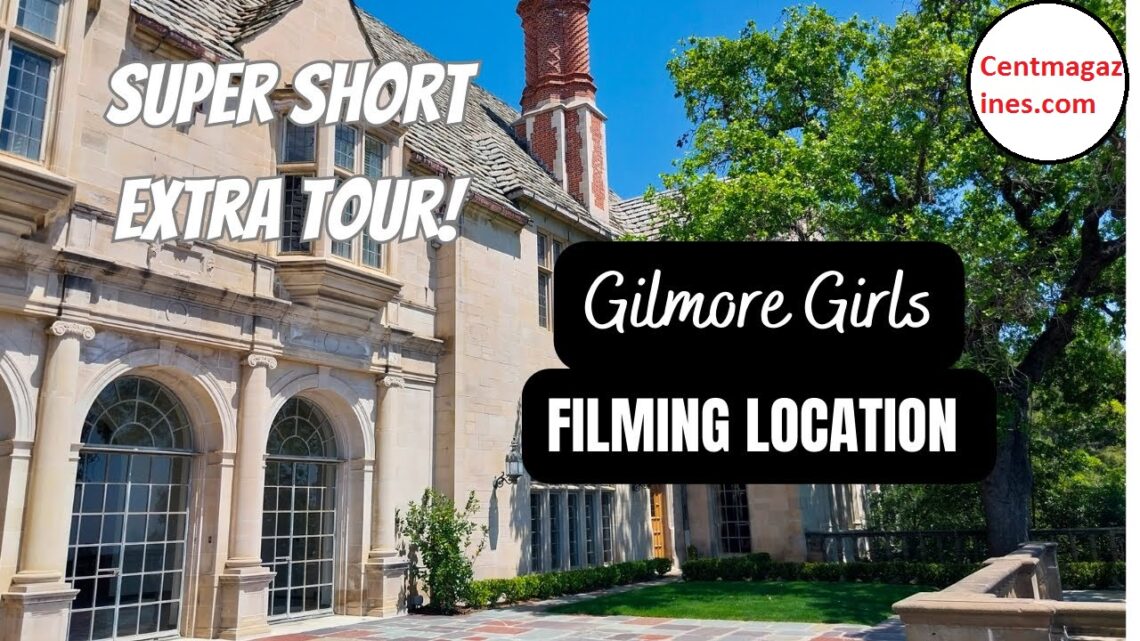
Where did they film Gilmore Girls? Despite being set in the charming fictional town of Stars Hollow, Connecticut, the beloved series was actually filmed thousands of miles away in sunny California.
The magic of television brought this quaint New England town to life on the Warner Bros. Studios backlot in Burbank, with the pilot episode uniquely shot in Unionville, Ontario, Canada.
From Luke’s Diner to the iconic town gazebo, every corner of Stars Hollow was meticulously crafted on soundstages and outdoor sets that transported viewers to a cozy small-town world that felt incredibly real, even though it existed only in Hollywood.
Table of Contents
Quick Facts: Gilmore Girls Filming Locations
| Fact | Details |
|---|---|
| Primary Filming Location | Warner Bros. Studios, Burbank, California |
| Backlot Used | Midwest Street |
| Pilot Episode Location | Unionville, Ontario, Canada (Toronto suburb) |
| Years Filmed | 2000-2007 (Original series), 2016 (Revival) |
| Soundstages Used | Stages 12, 14, and 18 at Warner Bros. |
| Stars Hollow Inspiration | Washington, Connecticut |
| Creator | Amy Sherman-Palladino |
| Total Episodes | 153 episodes + 4 revival episodes |
| Still Standing Set Piece | Stars Hollow Gazebo (visible on studio tours) |
| Other Real Locations | Greystone Mansion (Beverly Hills), Pomona College (Claremont, CA) |
The Main Filming Location: Warner Bros. Studios Burbank
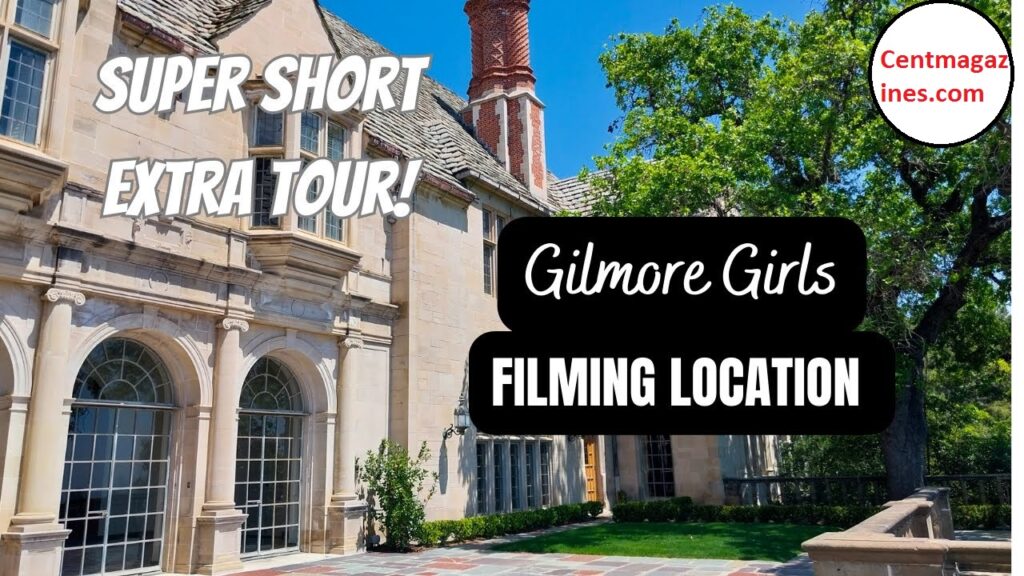
Where did they film Gilmore Girls for the majority of its seven-season run? The answer is Warner Bros. Studios in Burbank, California, where production teams transformed a Hollywood backlot into the quintessential New England town.
Midwest Street: The Heart of Stars Hollow
Midwest Street served as the primary outdoor set for Stars Hollow throughout the series. This iconic Warner Bros. backlot became the beating heart of the fictional Connecticut town, housing all the beloved locations fans grew to cherish.
The backlot featured Luke’s Diner, Doose’s Market, the Dragonfly Inn, Stars Hollow Books, and countless other establishments. Production designers meticulously dressed the street to capture authentic New England charm despite the California location.
Midwest Street wasn’t exclusive to Gilmore Girls. The versatile backlot has appeared in numerous productions including Pretty Little Liars (as Rosewood, Pennsylvania), Hart of Dixie, and classic films like The Music Man and Rebel Without a Cause.
The Famous Stars Hollow Gazebo
The Stars Hollow gazebo remains the most recognizable structure from the series. This white, octagonal bandstand sits in the town square and served as the backdrop for countless community gatherings, festivals, and romantic moments throughout the show.
Unlike many other set pieces, the gazebo still stands today on Midwest Street. Fans visiting Warner Bros. Studios on official tours can see and photograph this iconic structure, making it one of the most sought-after photo opportunities for Gilmore Girls enthusiasts.
The gazebo witnessed town meetings, impromptu musical performances, and pivotal character moments. Its enduring presence on the backlot serves as a tangible connection to the beloved series nearly two decades after filming concluded.
Soundstages 12, 14, and 18
Interior scenes required extensive soundstage work at Warner Bros. Studios. Stages 12, 14, and 18 housed the interior sets for Lorelai’s house, the Independence Inn, the Dragonfly Inn, Emily and Richard’s mansion, and Yale University locations.
These soundstages allowed production teams complete control over lighting, sound, and weather conditions. The flexibility of soundstage filming enabled the crew to work year-round without weather delays or seasonal limitations.
Set designers created fully functional interiors complete with working doors, staircases, and multiple rooms. The attention to detail made these soundstage sets feel like real, lived-in spaces rather than television constructions.
The Pilot Episode: Filmed in Canada
The Gilmore Girls pilot took a different filming approach than the rest of the series. Before Warner Bros. fully committed to the show, production filmed the pilot episode in Unionville, Ontario, a charming suburb of Toronto, Canada.
Unionville, Ontario: The Real Stars Hollow
Unionville provided the authentic small-town atmosphere Amy Sherman-Palladino envisioned for Stars Hollow. The historic Main Street, complete with 19th-century architecture, red brick buildings, and tree-lined sidewalks, perfectly captured the New England aesthetic.
Real locations in Unionville appeared in the pilot including the actual town’s Main Street, historic storefronts, and the famous “Welcome to Stars Hollow” sign which was actually a modified sign for the Unionville Planning Mill.
The red brick church visible in the opening shots still stands in Unionville today. Fans visiting the Toronto suburb can walk the same streets Lauren Graham and Alexis Bledel traversed during those first filming days in 2000.
Why the Location Changed After the Pilot
After the pilot’s success, Warner Bros. greenlit the full series. Moving production to their Burbank studios made logistical and financial sense, allowing better control over filming schedules and set designs.
California’s year-round filming weather eliminated seasonal shooting constraints. The studio backlot also provided proximity to production offices, editing facilities, and post-production resources, streamlining the entire production process.
Building permanent sets on the Warner Bros. backlot allowed production designers to create their idealized version of Stars Hollow. This control resulted in the cohesive, recognizable town viewers came to love across seven seasons.
Visiting Unionville Today
Gilmore Girls fans can still visit Unionville and see where the magic began. The town embraces its connection to the series, with local businesses acknowledging their role in television history.
Main Street Unionville retains its historic charm, though some storefronts have changed since 2000. The general atmosphere and architecture remain intact, offering fans a glimpse into the pilot’s filming locations.
Walking tours and self-guided maps help visitors identify specific filming locations. The town occasionally hosts Gilmore Girls-themed events, celebrating its unique place in the show’s legacy.
Creating Stars Hollow: Set Design and Construction
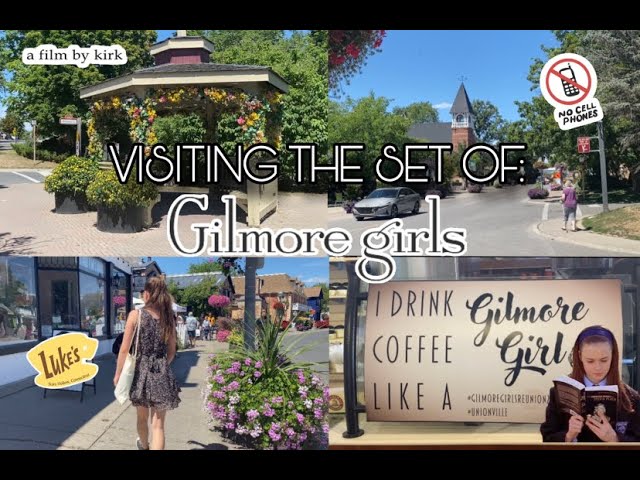
Production designers faced the challenge of creating a believable New England town in Southern California. Their attention to detail transformed Midwest Street into the Stars Hollow fans recognize instantly.
Lorelai and Rory’s House
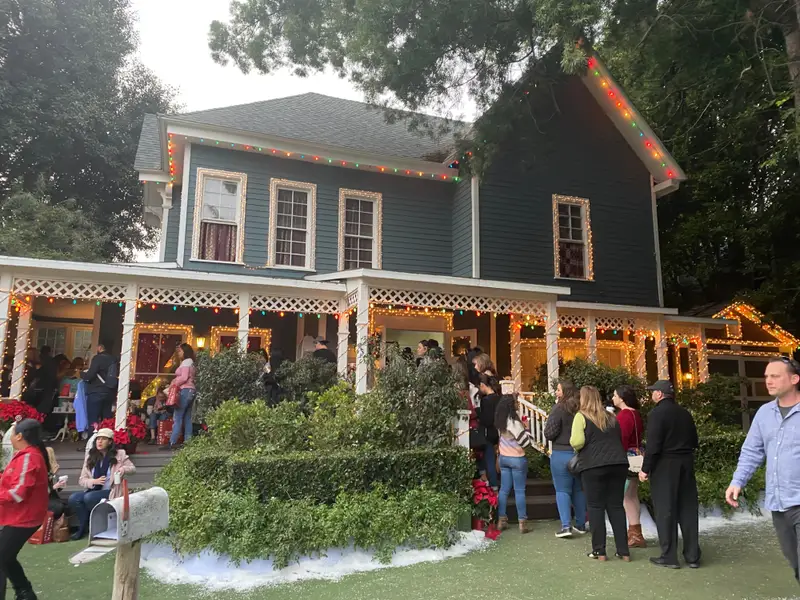
The Gilmore home’s exterior stood on French Street at Warner Bros., featuring classic New England Victorian architecture with its distinctive blue-gray color and white trim. The facade became one of the most photographed locations on the backlot.
Interior scenes were filmed on soundstages with fully constructed rooms including the kitchen, living room, Rory’s bedroom, and Lorelai’s bedroom. Set decorators filled the space with quirky decorations reflecting Lorelai’s eclectic personality.
Interestingly, Lorelai’s house and Sookie’s house shared interconnected sets. Melissa McCarthy revealed in DVD extras that walking through Sookie’s front door would lead directly into Lorelai’s foyer—a clever space-saving technique.
Luke’s Diner Set
Luke’s Diner existed both as an exterior storefront on Midwest Street and a detailed interior set on a soundstage. The interior featured the counter where Lorelai collected endless cups of coffee, booth seating, and Luke’s apartment stairs.
The diner’s set remained remarkably consistent throughout the series’ run. Producers maintained continuity by keeping decorations, menu items, and even the coffee pot placement identical across seasons.
Scott Patterson, who played Luke Danes, developed such familiarity with the set that he could navigate it blindfolded. The diner became almost a character itself, central to countless crucial scenes and character developments.
The Independence Inn and Dragonfly Inn
The Independence Inn, where Lorelai worked as manager in early seasons, existed primarily as a soundstage set. Exterior shots were minimal, focusing viewer attention on the interior kitchen and lobby areas.
When the Dragonfly Inn replaced the Independence Inn in later seasons, production designers created an entirely new exterior on Midwest Street. The charming building featured wrap-around porches and authentic inn-style architecture.
Both inns’ interiors were fully functional sets with working kitchens, guest rooms, and common areas. These detailed environments allowed actors to interact naturally with their surroundings, enhancing performances.
Emily and Richard’s Mansion
The Gilmore mansion required a sophisticated, wealthy atmosphere contrasting sharply with Stars Hollow’s cozy charm. The exterior initially appeared in the pilot filmed at a Toronto mansion, later replaced by a Warner Bros. facade.
Interior mansion scenes utilized elaborate soundstage sets featuring formal dining rooms, Emily’s sitting room, and Richard’s study. Set designers incorporated expensive-looking furnishings, artwork, and décor reflecting the Gilmores’ Hartford society status.
The mansion’s formal atmosphere provided visual contrast to Stars Hollow’s casual warmth. This design choice reinforced the show’s themes about class differences and Lorelai’s rejection of her privileged upbringing.
Seasonal Transformations: Creating New England Weather in California
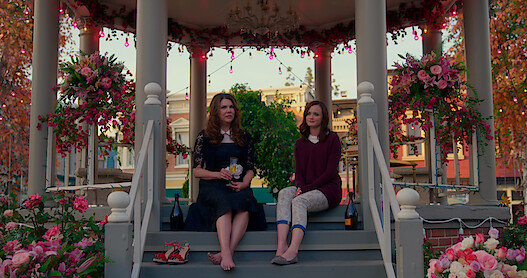
California’s consistent weather presented challenges when depicting New England’s distinct seasons. Production teams employed creative techniques to simulate fall foliage, winter snow, and seasonal changes.
Fake Leaves and Fall Foliage
Midwest Street’s trees featured removable fake leaves in autumn colors. Production crews could attach or remove these leaves to create fall settings regardless of California’s actual season.
The artificial foliage required careful placement to photograph realistically. Lighting teams adjusted their setups to complement the fake leaves, ensuring they appeared natural in both daylight and evening scenes.
This flexibility allowed the show to film “fall” episodes year-round, maintaining production schedules without waiting for actual seasonal changes. The technique proved so successful that most viewers never questioned the authenticity.
Creating Winter Wonderlands
Winter scenes required elaborate snow simulation using various materials including mashed potato flakes, paper, and specialized movie snow products. These substances scattered across Midwest Street transformed the backlot into a Connecticut winter landscape.
Creating falling snow involved snow machines positioned off-camera. Production teams coordinated snow effects with actor movements, ensuring continuity across multiple takes and shooting days.
The town gazebo became particularly magical when “snow” blanketed the ground. These winter scenes featured prominently in holiday episodes, creating the cozy atmosphere fans associate with Gilmore Girls’ seasonal celebrations.
Controlling the Environment
Soundstage filming eliminated weather-related production delays. Rain, snow, or extreme temperatures couldn’t interrupt shooting schedules when working indoors under controlled conditions.
This environmental control extended to lighting. Cinematographers could create “golden hour” lighting at any time, ensuring visual consistency across episodes regardless of actual filming times.
Temperature control on soundstages kept actors comfortable during long shooting days. This was particularly important given the show’s intensive dialogue requirements and extended filming hours.
Other Real-World Filming Locations
While most filming occurred at Warner Bros., several real locations appeared throughout the series, adding authenticity to specific scenes.
Greystone Mansion and Park (Beverly Hills)
Greystone Mansion in Beverly Hills portrayed Chilton Academy’s exterior. The Gothic Revival mansion’s impressive architecture provided the prestigious atmosphere needed for Rory’s prep school.
Built in 1928, Greystone Mansion is a popular filming location appearing in numerous movies and television shows. Its distinctive appearance made it perfect for representing an elite educational institution.
The mansion’s grounds offered beautiful outdoor settings for Chilton scenes. Though interior school scenes were soundstage-filmed, the exterior established Chilton’s grandeur and exclusivity.
Pomona College (Claremont, California)
Pomona College stood in for Yale University in several scenes. The Southern California liberal arts college’s architecture resembles East Coast collegiate Gothic style, making it a convincing Yale substitute.
Filming at Pomona College gave Yale scenes authentic campus atmosphere that soundstages couldn’t replicate. Students occasionally appear as extras, adding genuine college energy to these sequences.
The college’s Bridges Hall of Music and other distinctive buildings appeared in multiple episodes. These real locations grounded Rory’s Yale experience in tangible academic settings.
UCLA (University of California, Los Angeles)
Rory and Lorelai’s Harvard visit was filmed at UCLA. The prestigious California university provided the Ivy League atmosphere needed for Rory’s dream school scenes.
UCLA’s Royce Hall, with its distinctive Romanesque Revival architecture, appears prominently in these episodes. The building’s impressive facade suggested the academic excellence Rory aspired toward.
While Rory ultimately attended Yale in the series, the Harvard visit scenes remained important character moments. UCLA’s campus effectively conveyed the weight of this significant decision.
South Royalton, Vermont
The opening credits’ aerial footage shows South Royalton, Vermont, providing authentic New England scenery. These shots established Stars Hollow’s Connecticut setting despite actual filming locations.
South Royalton’s rural Vermont landscape perfectly captured small-town New England charm. Rolling hills, historic buildings, and tree-lined streets appeared in these establishing shots.
This was one of the few times actual Connecticut-area locations appeared on screen. The footage grounded the series in authentic New England geography while maintaining production efficiency in California.
The Inspiration: Washington, Connecticut
Stars Hollow, while fictional, drew heavy inspiration from Washington, Connecticut, a real New England town. Understanding this inspiration provides insight into the show’s distinctive atmosphere.
Amy Sherman-Palladino’s Visit
Creator Amy Sherman-Palladino visited Washington, Connecticut, in 1999 while staying at the Mayflower Inn. This visit inspired her vision for Stars Hollow’s character and community dynamics.
She observed the town’s sense of community, quirky local characters, and charming Main Street businesses. These observations directly influenced Stars Hollow’s population of memorable, eccentric townspeople.
The trip crystallized Sherman-Palladino’s concept of a place where “everyone knows everyone.” This community atmosphere became central to Gilmore Girls’ appeal and storytelling approach.
The Mayflower Inn’s Influence
The Mayflower Inn (now Mayflower Grace Inn) inspired both the Independence Inn and the Dragonfly Inn. The luxury Connecticut inn’s cozy elegance influenced the show’s vision of Lorelai’s hospitality career.
Sherman-Palladino drew from the inn’s New England charm, incorporating design elements and atmospheric qualities into the fictional inns. The real establishment’s warmth and attention to detail paralleled Lorelai’s management style.
Today, Gilmore Girls fans visit the Mayflower Inn to experience the inspiration behind these beloved fictional locations. The inn embraces this connection, though it maintains its luxury focus rather than becoming a theme destination.
Washington Depot and Fan Pilgrimages
Washington Depot, Washington’s commercial center, features elements fans recognize from Stars Hollow. The Hickory Stick Bookshop, historic buildings, and community atmosphere echo the fictional town.
Fans visiting Washington Depot often feel they’ve discovered “the real Stars Hollow,” though the town differs significantly from its television counterpart. The community spirit and New England charm remain authentic parallels.
Local businesses acknowledge their connection to Gilmore Girls, with some offering themed merchandise. However, Washington Depot maintains its authentic character rather than transforming into a tourist attraction.
The Warner Bros. Studio Tour Experience
Visiting Warner Bros. Studios offers fans the closest experience to walking through Stars Hollow. The studio tour provides behind-the-scenes access to filming locations and remaining sets.
Holidays Made Here Event
From mid-December through early January, Warner Bros. transforms Midwest Street back into Stars Hollow for their “Holidays Made Here” event. This special seasonal experience recreates the town with full decorations and interactive elements.
Visitors can enter Luke’s Diner, browse Stars Hollow Books, and photograph themselves in front of iconic locations. The gazebo receives special attention, often serving as a photo backdrop for holiday cards.
This limited-time event attracts Gilmore Girls fans from around the world. Advance ticket purchases are essential as the experience typically sells out quickly each year.
Year-Round Studio Tours
Even outside the holiday event, regular Warner Bros. Studio Tours include Midwest Street. Guides share behind-the-scenes information about Gilmore Girls filming and point out remaining set elements.
The Stars Hollow gazebo remains the primary permanent structure. Tour groups regularly stop for photos, making it one of the most photographed spots on the entire backlot.
Tours last approximately three hours and include other iconic television and film locations beyond Gilmore Girls. Visitors explore soundstages, costume departments, and prop warehouses while learning about Hollywood production.
What Remains and What’s Changed
Most individual Gilmore Girls building facades no longer exist on Midwest Street. The versatile backlot has been redressed numerous times for other productions since the series concluded in 2007.
However, the basic street layout remains recognizable. The gazebo’s permanence provides a tangible connection to the series, serving as the primary physical legacy of the show’s production.
Photos and videos from the studio tour allow fans to compare current conditions with screencaps from the show. These comparisons reveal how dramatically backlots transform between productions while maintaining basic structural elements.
Behind the Scenes: Production Insights
Understanding how Gilmore Girls was filmed reveals the creativity and dedication required to produce the series’ distinctive look and feel.
The Master Shot Filming Style
Director of photography Joel J. Richard employed a “master shot” technique, filming scenes in long, uninterrupted takes. This approach captured the show’s rapid-fire dialogue without excessive cutting.
Actors performed entire scenes in single takes, requiring perfect memorization and timing. This technique created the series’ distinctive energy and pacing, making dialogue feel natural despite its complexity.
The master shot style demanded extensive rehearsal and preparation. Cast members spent considerable time blocking scenes and practicing dialogue delivery before filming commenced.
Walk and Talk Sequences
Gilmore Girls frequently employed “walk and talk” sequences where characters conversed while moving through locations. This technique, popularized by The West Wing, added visual interest to dialogue-heavy scenes.
Filming walk and talk sequences required precise coordination between actors, camera operators, and grip teams. Steadicam operators followed actors through sets and backlot locations, maintaining smooth camera movement.
These sequences showcased both soundstage interiors and backlot exteriors. Stars Hollow’s streets provided perfect settings for extended walk and talk scenes featuring Lorelai and Rory’s conversations.
Extended Filming Days
Gilmore Girls production days regularly lasted 14-20 hours due to the show’s dialogue volume and master shot technique. Each episode took eight working days to complete filming.
Lauren Graham noted the show’s hours exceeded even The West Wing, famous for demanding production schedules. The cast’s commitment to word-perfect performances added to shooting time requirements.
Long days were necessary to capture the sheer amount of dialogue each episode contained. Sherman-Palladino’s scripts were notably longer than typical television scripts, requiring additional filming time.
Word-Perfect Performances
Actors were contractually required to perform dialogue exactly as written without improvisation or ad-libbing. This requirement ensured Sherman-Palladino’s distinctive writing style remained intact.
Graham recalled that not changing “a word” of the script was strictly enforced. This precision maintained the show’s specific rhythm and timing crucial to its comedic and dramatic effects.
The word-perfect requirement placed enormous pressure on actors. They spent extensive time memorizing large dialogue blocks, often containing pop culture references, rapid exchanges, and complex monologues.
The Cast and Their Relationship with the Sets
The Gilmore Girls cast developed deep connections to their filming locations over seven seasons of production.
Lauren Graham’s Memories
Lauren Graham, who portrayed Lorelai Gilmore, spent countless hours on the Luke’s Diner set and in Lorelai’s house. These locations became second homes during the show’s original run and 2016 revival.
Graham has spoken fondly about the Warner Bros. backlot, noting how the production design team’s attention to detail made Stars Hollow feel genuinely real. Walking onto set reportedly felt like returning to an actual hometown.
Her character’s relationship with Luke’s Diner mirrored Graham’s own comfort with that set. The diner scenes’ naturalistic feel stemmed partly from Graham’s familiarity with every detail of the space.
Alexis Bledel’s Experience
Alexis Bledel had minimal acting experience before Gilmore Girls, making the Warner Bros. sets her introduction to professional television production. She learned her craft within these carefully constructed environments.
Rory’s bedroom became a particularly significant space for Bledel. Many of the character’s introspective, emotional scenes occurred there, creating strong associations between the set and the character’s development.
Bledel has remarked on the surreal experience of “growing up” on these sets, as Rory aged from teenager to young adult throughout the series’ run.
Scott Patterson and Luke’s Diner
Scott Patterson became intimately familiar with Luke’s Diner, his character’s primary location throughout the series. He could navigate the set blindfolded, knowing every counter, booth, and prop placement.
Patterson developed his own coffee brand, Scotty P’s Big Mug Coffee, inspired by Luke’s constant coffee-pouring in the diner. The set’s influence extended beyond filming into his personal business ventures.
Luke’s apartment above the diner, though less frequently shown, became another Patterson-associated space. The character’s living space reflected Luke’s personality, influencing Patterson’s portrayal.
Melissa McCarthy’s Behind-the-Scenes Stories
Melissa McCarthy, who played Sookie St. James, revealed fascinating production details in DVD commentary and interviews. Her insights about the interconnected Lorelai and Sookie house facades surprised many fans.
McCarthy’s kitchen scenes in the Independence Inn required functional cooking elements. The set included working stoves, refrigerators, and prep areas, allowing McCarthy to perform realistic cooking actions.
Her comedic physicality benefited from the detailed sets. McCarthy could interact with every element naturally, enhancing Sookie’s energetic, accident-prone character portrayal.
Filming the Revival: A Year in the Life
The 2016 Netflix revival “Gilmore Girls: A Year in the Life” returned to many original filming locations, though production faced new challenges.
Recreating Stars Hollow in 2016
Nine years after the original series ended, Warner Bros. recreated Stars Hollow on Midwest Street for the revival. Production designers rebuilt facades and redecorated the town square to match fans’ memories.
Some original set pieces remained in storage, allowing authentic recreations. Other elements required complete rebuilding based on photographs and archived production designs from the original series.
The revival’s higher budget enabled more elaborate set dressing and details. Stars Hollow appeared more polished and complete than in the original series, reflecting increased production values.
What Changed and What Stayed the Same
The basic layout of Midwest Street remained consistent with the original series. The gazebo, being a permanent structure, required only cosmetic updates and fresh paint.
Interior sets needed complete reconstruction as soundstages had been repurposed for other productions during the nine-year gap. Set decorators worked from archived photos to ensure accuracy.
Modern filming technology allowed different visual approaches. The revival employed updated cameras and lighting techniques while maintaining the original series’ aesthetic sensibility.
Cast Reactions to Returning
Cast members expressed emotional responses to walking back onto recreated Stars Hollow sets. Lauren Graham described feeling transported back in time, despite the years that had passed.
The familiar environments helped actors reconnect with their characters after nearly a decade. Physical spaces triggered memories and performance rhythms from the original series.
Younger cast members particularly noted how the sets had remained frozen in time while they had aged significantly. This created interesting contrasts between actors’ life experiences and their characters’ environments.
Comparing Stars Hollow to Real Connecticut Towns
While Stars Hollow is fictional, several real Connecticut towns share characteristics with the beloved television location.
New Milford, Connecticut
New Milford features a central green with gazebo remarkably similar to Stars Hollow’s town square. Local residents have noted the uncanny resemblance to the television town.
The town hosts farmers markets and community events echoing Stars Hollow’s active civic life. This genuine community spirit parallels the fictional town’s close-knit atmosphere.
Fans visiting New Milford often report feeling they’ve discovered “real Stars Hollow.” The architecture, community dynamics, and New England charm create strong similarities to the show’s setting.
Kent, Connecticut
Kent offers boutique shops, cafes, and historic buildings reminiscent of Stars Hollow’s Main Street. The town’s artistic community and cultural events mirror the fictional town’s creative atmosphere.
Local inns in Kent embrace cozy New England aesthetics similar to the Dragonfly Inn. These establishments attract Gilmore Girls fans seeking authentic Connecticut experiences.
The surrounding countryside and rural setting match Stars Hollow’s depicted location. Kent’s position between larger Connecticut cities parallels the show’s geographic descriptions.
Washington, Connecticut (The Original Inspiration)
Despite inspiring Stars Hollow, Washington differs significantly from its fictional counterpart. The town is smaller and less commercially developed than Sherman-Palladino’s creation.
Washington’s authentic New England character influenced Stars Hollow’s atmosphere more than specific locations. The community feeling and regional architecture provided conceptual inspiration.
Fan pilgrims sometimes feel disappointed that Washington doesn’t precisely match Stars Hollow. Understanding the town as inspiration rather than direct model helps manage these expectations.
The Legacy of Gilmore Girls Filming Locations
Nearly twenty years after its debut, Gilmore Girls’ filming locations continue influencing popular culture and tourism.
Fan Pilgrimages and Tourism
Warner Bros. Studio Tours report consistent demand for Gilmore Girls content. The Stars Hollow gazebo ranks among the most photographed structures on the entire backlot.
Connecticut towns connected to the show experience ongoing fan tourism. Local businesses benefit from Gilmore Girls associations, though some residents have mixed feelings about the attention.
Unionville, Ontario, embraces its role in the pilot episode’s history. The town provides maps and information for fans seeking filming locations from the series’ first episode.
The Firelight Festival
The Fan Fest Society hosts annual Firelight Festival events in Connecticut, celebrating Gilmore Girls culture. These gatherings include cast appearances, trivia contests, and themed activities.
The festival rotates between Connecticut locations, allowing fans to experience different towns with Stars Hollow connections. Events blend television celebration with authentic New England experiences.
Cast members’ participation validates fan devotion and maintains connections between actors and the spaces they inhabited during filming.
Influence on Location-Based Storytelling
Gilmore Girls demonstrated how effectively created television locations can become characters themselves. Stars Hollow’s success influenced subsequent shows’ approaches to setting and location development.
The show proved California could convincingly portray other regions with proper production design. This encouraged other productions to maximize soundstage and backlot resources rather than requiring on-location filming.
Stars Hollow’s enduring popularity demonstrates audiences’ desire for detailed, consistent fictional worlds. Modern streaming series often reference Gilmore Girls’ location-building as a model for creating compelling settings.
Frequently Asked Questions (FAQs)
Where did they film Gilmore Girls?
Gilmore Girls was primarily filmed at Warner Bros. Studios in Burbank, California, on a backlot called Midwest Street. The pilot episode was filmed in Unionville, Ontario, Canada.
Is Stars Hollow a real place you can visit?
No, Stars Hollow is a fictional town. However, fans can visit the Warner Bros. Studios backlot where it was filmed, particularly during the Holidays Made Here event each December.
What Connecticut town inspired Stars Hollow?
Washington, Connecticut, inspired Stars Hollow. Creator Amy Sherman-Palladino visited the town in 1999 and drew inspiration from its community atmosphere and New England charm for the fictional setting.
Can you still see the Gilmore Girls sets today?
The Stars Hollow gazebo remains standing on Midwest Street at Warner Bros. During the annual Holidays Made Here event, the entire town is recreated with working storefronts and interactive elements.
Where is Luke’s Diner in real life?
Luke’s Diner was a set on Warner Bros.’ Midwest Street backlot. The building facade no longer exists, though it’s recreated during special events. The pilot’s Luke’s Diner was filmed in Unionville, Ontario.
What other shows filmed on the Gilmore Girls set?
The Midwest Street backlot has hosted Pretty Little Liars (as Rosewood), Hart of Dixie, and numerous other productions. The versatile set appears in many classic films including The Music Man.
Did they film any scenes in real Connecticut?
The opening credits show aerial footage of South Royalton, Vermont. Most “Connecticut” scenes were actually filmed in California, though the show drew inspiration from real Connecticut towns.
Where was Yale filmed in Gilmore Girls?
Yale scenes were filmed at Pomona College in Claremont, California, and on Warner Bros. soundstages. The college’s Gothic architecture resembled East Coast Ivy League campuses.
How long did it take to film a Gilmore Girls episode?
Each episode took eight working days to film, with production days lasting 14-20 hours due to the show’s extensive dialogue and master shot filming technique.
What happened to the Gilmore Girls sets after the show ended?
Most building facades were removed or repurposed for other productions. The gazebo remains as a permanent structure. During the 2016 revival, sets were rebuilt for filming.
Conclusion
Where did they film Gilmore Girls? While the answer—primarily at Warner Bros. Studios in Burbank, California—might disappoint fans hoping to visit the real Stars Hollow, the magic of television production transformed a Hollywood backlot into one of television’s most beloved fictional towns.
From the pilot episode shot in charming Unionville, Ontario, to seven seasons on Midwest Street, the show’s production teams created a world so authentic that viewers couldn’t help but believe in its existence.
The remaining Stars Hollow gazebo stands as a testament to the series’ enduring legacy, welcoming thousands of fans annually who seek connection to Lorelai, Rory, and the quirky community that captured hearts worldwide.