
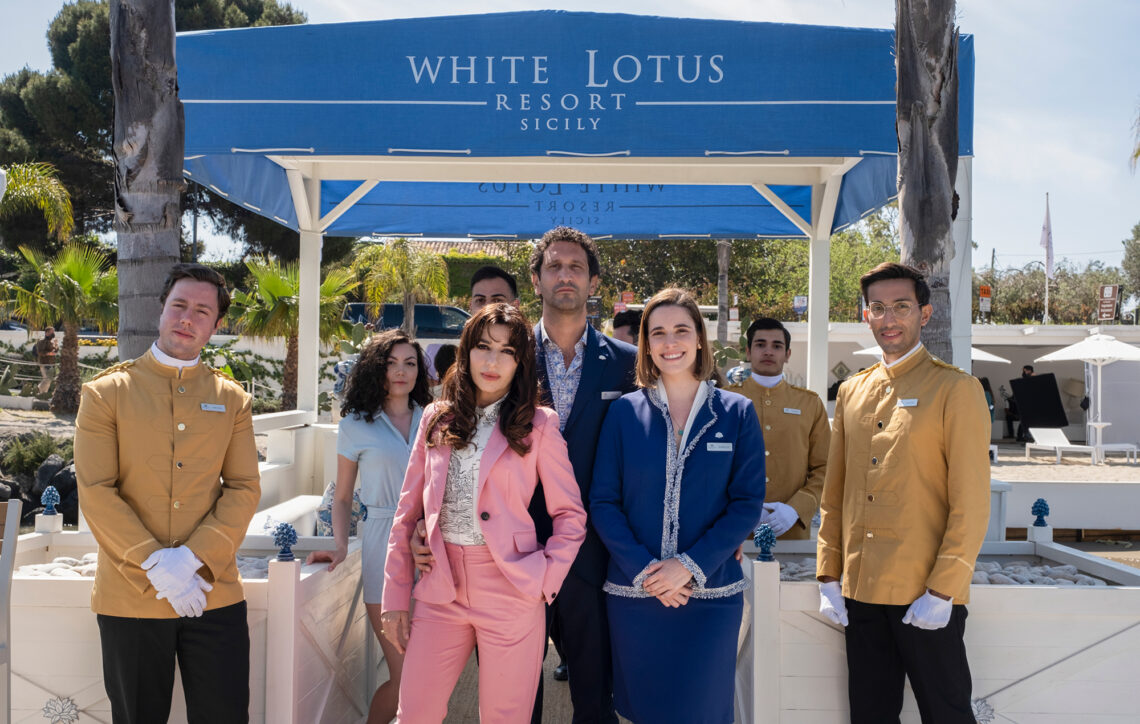
Where is White Lotus Season 2 filmed? This question has captivated millions of viewers worldwide since the hit HBO series premiered its second season in 2022.
The answer lies in the stunning Italian island of Sicily, where the show’s production team transformed breathtaking Mediterranean landscapes into the backdrop for drama, romance, and intrigue.
From luxury hotels perched on clifftops to pristine beaches with turquoise waters, Season 2 showcased Sicily’s most spectacular destinations.
The primary filming location was the magnificent San Domenico Palace in Taormina, along with several other iconic Sicilian towns including Cefalù, Noto, and Palermo.
Table of Contents
The Main Hotel: San Domenico Palace, Taormina: Where Is White Lotus Season 2 Filmed?
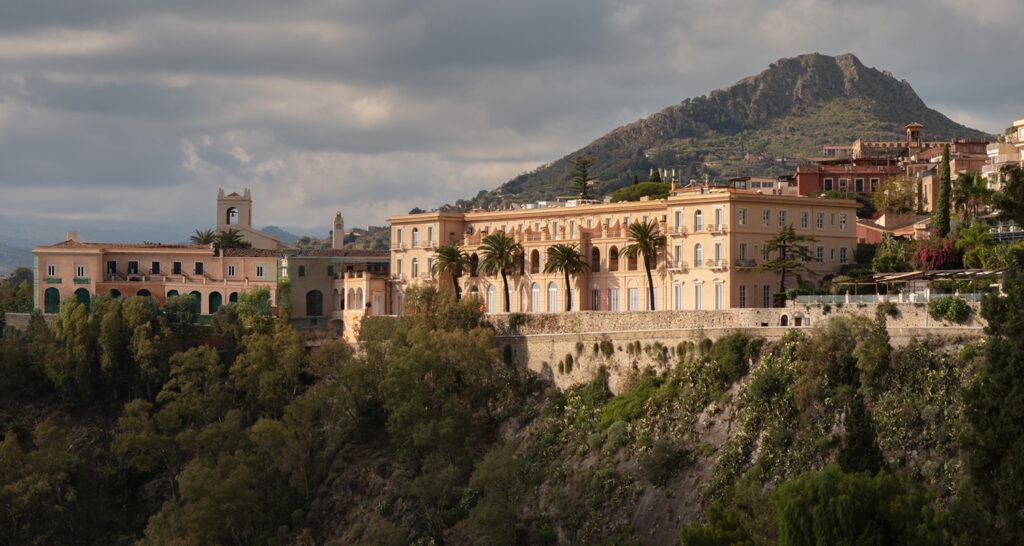
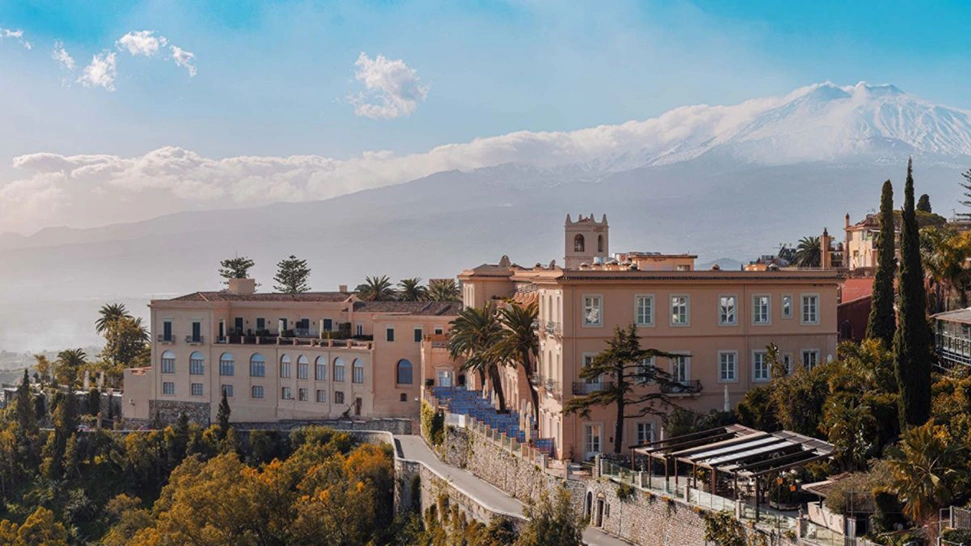
The crown jewel of White Lotus Season 2 filming locations is undoubtedly the San Domenico Palace in Taormina. This luxurious Four Seasons property served as the fictional White Lotus Resort throughout the entire season.
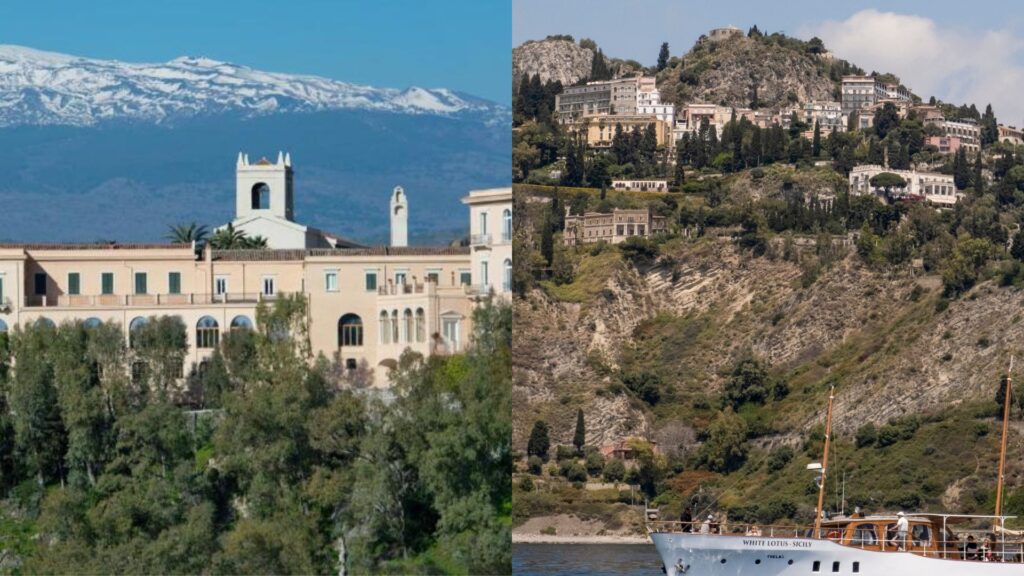
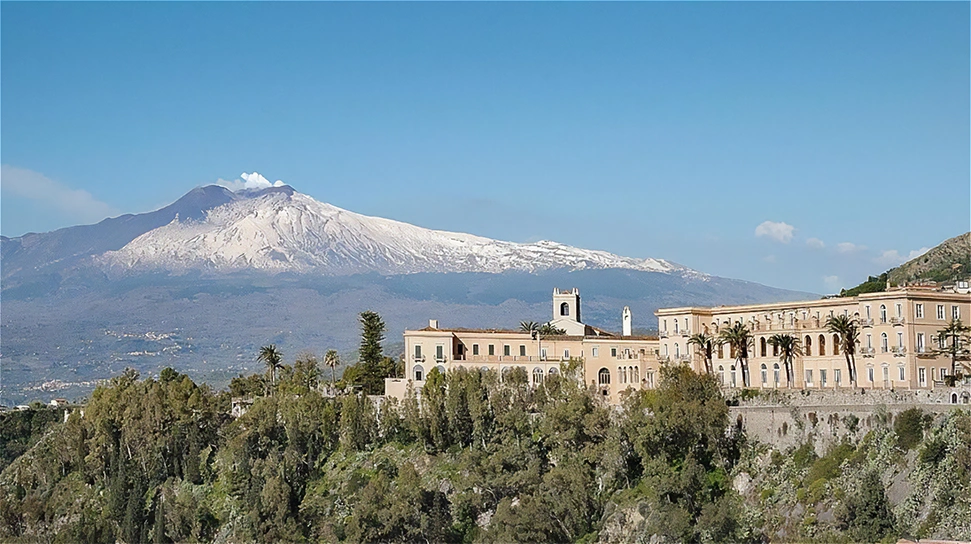
Originally built as a 15th-century Dominican monastery, this historic property sits majestically on a cliff overlooking the Ionian Sea. The hotel offers panoramic views of Mount Etna, Isola Bella, and the ancient Greek amphitheater that dominates Taormina’s landscape.
The transformation from monastery to luxury resort happened in 1896, and since then, the hotel has hosted numerous celebrities including Oscar Wilde, Elizabeth Taylor, Richard Burton, Sophia Loren, and Audrey Hepburn. Today, it features 111 elegantly appointed rooms and suites.
The hotel’s exterior scenes were filmed on location, showcasing its breathtaking terraces, infinity pool, and meticulously maintained gardens. However, the interior room scenes were actually filmed in a studio near Rome to allow for greater production control and flexibility.
Guest rooms at San Domenico Palace start at approximately €1,300 per night during the off-season, with premium suites commanding significantly higher rates. The property features two bars, multiple restaurants, a world-class spa, and courtyards that date back to its monastic origins.
The hotel gained additional prestige when it hosted the G7 Summit in 2017, with world leaders photographed on its iconic terraces. Its appearance in The White Lotus has further cemented its status as one of Sicily’s most desirable destinations.
Taormina: The Pearl of the Mediterranean
Beyond the hotel, the charming town of Taormina itself plays a significant role in Season 2. This historic resort town has been a favorite destination since the days of the Grand Tour.
Taormina’s narrow, winding streets and elegant buildings create a picture-perfect Mediterranean setting. The town’s main pedestrian thoroughfare, Corso Umberto, features prominently in several episodes, with its selection of upscale boutiques, restaurants, and cafés.
The ancient Teatro Antico di Taormina, a Greek theater built in the third century BC, appears in Episode 2 when the Di Grasso family visits the site. This open-air amphitheater is carved into a cliff face, offering spectacular views of the sea and Mount Etna.
Bam Bar, a Taormina institution located along Corso Umberto, makes a cameo appearance in Episode 3 when hotel manager Valentina stops for coffee. This beloved local spot is famous for its granita and brioche, a traditional Sicilian breakfast.
The bay of Taormina features prominently in the opening sequence of Episode 1, as the White Lotus boat arrives with new guests. The stunning backdrop includes Isola Bella, a small island nature reserve connected to the mainland by a narrow strip of beach.
Visitors can explore Taormina’s medieval charm, visit the nearby village of Castelmola perched high above the town, or take boat trips to hidden grottos along the coast. The town perfectly embodies the sophisticated Mediterranean lifestyle portrayed in the series.
Cefalù Beach: The Iconic Coastal Setting
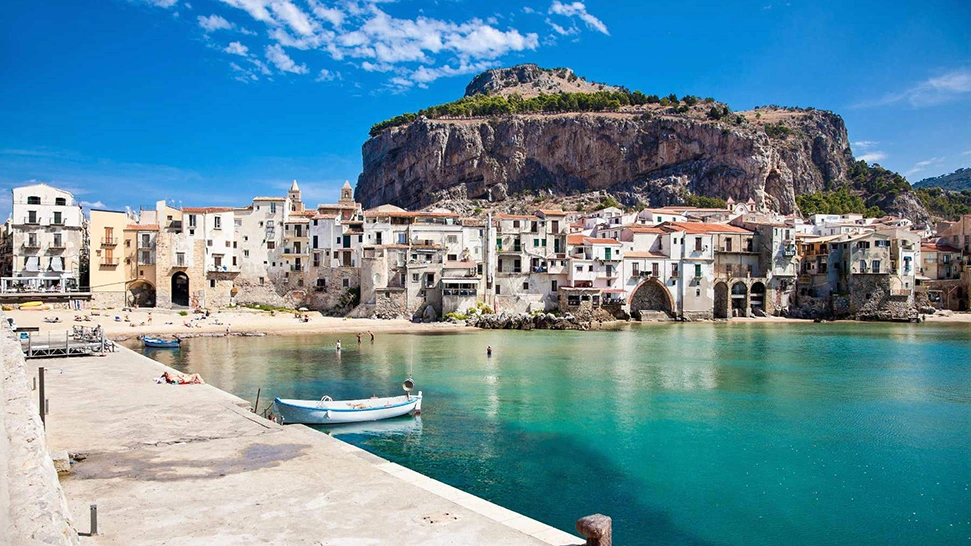
While many viewers assumed the beach scenes were filmed near the San Domenico Palace, they were actually shot at Cefalù Beach, located on Sicily’s northern coast along the Tyrrhenian Sea, approximately 2.5 hours from Taormina.
Cefalù’s stunning beach appears in the season’s opening and closing scenes, including the dramatic moment when Daphne discovers a body floating in the water. The beach’s golden sand and crystal-clear turquoise waters create an idyllic Mediterranean paradise.
The striking Norman Cathedral, Duomo di Cefalù, frequently appears in the background of beach scenes. This 12th-century cathedral is one of Sicily’s most recognizable landmarks, with its distinctive twin towers rising above the medieval town.
Most beach scenes were filmed along the seafront near the Sea Palace Hotel on Lungomare Giuseppe Giardina. The picturesque pier also features in Episode 6, when Portia and Jack share an intimate conversation.
Cefalù’s architecture dates back to medieval times, with narrow streets winding through the old town beneath the imposing Rock of Cefalù. Visitors can hike to ancient castle ruins atop this limestone promontory for breathtaking views of the coastline.
The town offers a more relaxed atmosphere compared to Taormina, with excellent restaurants serving fresh seafood, charming accommodations, and a laid-back beach culture. Cefalù has become increasingly popular with White Lotus fans seeking to recreate their favorite beach scenes.
Noto: Baroque Splendor
The beautiful baroque town of Noto features prominently in Episode 3, when Harper and Daphne embark on their memorable girls’ trip. This UNESCO World Heritage Site is renowned for its spectacular honey-colored limestone architecture.
The town was completely rebuilt after a devastating earthquake in 1693, resulting in a harmonious collection of baroque palaces, churches, and monuments. Sixteen of Noto’s buildings are designated UNESCO World Heritage Sites.
Harper and Daphne are shown descending the stairs of Chiesa di San Francesco d’Assisi all’Immacolata, one of Noto’s most beautiful churches. They later sit on the terrace of La Cattedrale Pizzeria, with views of the impressive Cattedrale di San Nicolò.
Palazzo Ducezio, the town hall featuring a stunning neoclassical facade, also appears in their scenes together. The main street, Corso Vittorio Emanuele, provides a perfect backdrop for their walk through town.
Noto has previously appeared in other major productions, including the big-screen adaptation of Cyrano. The town’s photogenic streets and golden-hour lighting make it a favorite among filmmakers and photographers.
Visitors can explore Noto’s architectural treasures, sample local wines from nearby vineyards, and enjoy traditional Sicilian cuisine in family-run trattorias. The town offers a quieter, more authentic Sicilian experience compared to busier tourist destinations.
Palermo: Capital City Grandeur
Sicily’s vibrant capital city, Palermo, provides several important filming locations for Season 2. The city’s mix of Arab, Norman, and baroque architecture creates a uniquely eclectic atmosphere.
Villa Tasca, a magnificent 16th-century neoclassical estate, serves as the overnight accommodation for Harper and Daphne during their Noto trip. In reality, Villa Tasca is located in Palermo, approximately four hours from Noto by car.
The villa features opulent interiors with walls covered in elaborate frescoes and paintings. The Contessa Suite, where the characters presumably stayed, is entirely decorated with intricate murals. The estate is open to guests, offering four luxury suites.
Villa Tasca also boasts beautifully landscaped gardens with palm trees, pines, and ornamental features. The property’s aristocratic heritage and refined elegance perfectly complement the show’s themes of wealth and privilege.
Teatro Massimo, one of Europe’s largest opera houses, makes a brief but impressive appearance in the series. This grand structure embodies Palermo’s cultural significance and architectural ambition.
The city’s historic center offers visitors a fascinating blend of cultures, with bustling markets, street food vendors, ornate churches, and baroque piazzas. Palermo provides a more authentic, less touristy experience than Sicily’s resort towns.
Villa Elena: Quentin’s Luxurious Retreat
Villa Elena serves as the holiday home of the enigmatic character Quentin, played by Tom Hollander. This spectacular estate is owned by renowned French interior designer Jacques Garcia in real life.
The property dates back over two thousand years, though its current incarnation represents a 17th-century monastery that has been transformed into a lavish summer retreat. Garcia’s design vision honors the building’s historical elements while adding contemporary luxury.
Villa Elena’s interiors are a visual feast, featuring colorful paintings, elaborate frescoes, classical busts, and carefully curated antiques. Every room showcases Garcia’s exceptional eye for detail and appreciation for Sicilian architectural heritage.
The exterior includes immaculate gardens with running water features, a lap pool, and a rustic temple facade. These outdoor spaces provide a serene contrast to the opulent interiors.
Interestingly, while Villa Elena appears to be in Palermo in the series, it’s actually located in Noto. This geographic liberty allowed the production to utilize multiple stunning locations while maintaining narrative continuity.
The villa’s atmosphere of faded aristocratic grandeur perfectly suits Quentin’s mysterious character and the season’s themes of deception and hidden motives. It remains one of the series’ most memorable and photographed locations.
The White Lotus Beach Club: UNA HOTELS Capotaormina
Episode 4 features extensive scenes at what’s called the White Lotus Beach Club in the series. This exclusive location is actually Le Grand Bleu restaurant, part of UNA HOTELS Capotaormina.
The secluded beach is accessed through a dramatic tunnel carved into the cliff face. Once through, guests discover a pristine private beach with crystal-clear waters and stunning views of Isola Bella.
The restaurant itself offers Mediterranean cuisine with panoramic sea views. Its elevated terrace provides the perfect setting for the show’s scenes of leisure and luxury.
UNA HOTELS Capotaormina is a luxury resort perched on a promontory between two bays. The property features modern architecture that contrasts beautifully with the natural landscape and historic Taormina above.
The beach club scenes emphasize the exclusivity and privilege that define the White Lotus experience. The location’s natural beauty and sophisticated amenities create an aspirational Mediterranean lifestyle.
Visitors can access this beach club by staying at the UNA HOTELS property or potentially booking a day pass. The experience offers a taste of the luxury lifestyle portrayed in the series.
Castello degli Schiavi: A Godfather Connection
In Episode 3, the Di Grasso family visits Castello degli Schiavi, creating a direct connection between The White Lotus and another iconic production: The Godfather. This aristocratic estate near Fiumefreddo di Sicilia appeared in the legendary film trilogy.
The castle served as the villa where Michael Corleone stayed during his Sicilian exile after murdering Sollozzo and McCluskey. This connection adds another layer of cinematic history to The White Lotus’s Sicily locations.
The estate’s imposing architecture and surrounding grounds evoke old-world Sicilian aristocracy. Its appearance reinforces the season’s exploration of family dynamics, tradition, and Italian cultural heritage.
Tours of Castello degli Schiavi are available but must be booked in advance. The private tours allow visitors to explore both its Godfather and White Lotus connections.
This location choice demonstrates the production’s attention to Sicily’s rich cinematic legacy. It also provides White Lotus fans with an opportunity to explore multiple iconic film locations in one trip.
Mount Etna: Sicily’s Dramatic Backdrop
Europe’s most active volcano, Mount Etna, looms large throughout Season 2, appearing in numerous establishing shots and background views. Its snow-capped peak provides a dramatic contrast to the Mediterranean coastline.
The volcano’s presence adds an element of danger and unpredictability that mirrors the show’s themes. Its smoking crater serves as a constant reminder of the forces bubbling beneath Sicily’s beautiful surface.
Several characters visit wineries on Mount Etna’s fertile volcanic slopes, where the mineral-rich soil produces exceptional wines. The Planeta Winery, featured in the series, is a renowned producer that offers tastings and tours.
Etna’s influence on Sicilian life extends far beyond viticulture. The volcano has shaped the island’s geography, agriculture, and culture for millennia. Its eruptions have both destroyed and enriched the surrounding region.
Visitors can take guided tours to Etna’s summit, explore volcanic caves, or visit the numerous wineries dotting its slopes. Helicopter tours, like those shown in the series, offer spectacular aerial views of the volcano and coastline.
The medieval village of Castiglione di Sicilia, located on Etna’s slopes, also appears briefly. This charming town is known for its wine production and stunning mountain views.
Isola Bella: The Romantic Island
Isola Bella, the small island nature reserve visible from Taormina, features in several important scenes. This picturesque island is connected to the mainland by a narrow sandy isthmus that disappears at high tide.
The island appears in Episode 6 during Ethan and Daphne’s mysterious walk after discussing potential infidelity between their spouses. The location’s romantic setting contrasts sharply with the tense conversation.
Isola Bella is a protected nature reserve, home to various plant and animal species. The island’s Mediterranean vegetation and clear waters make it a popular spot for swimming and snorkeling.
Visitors can walk to the island during low tide or take a short boat ride. The island offers beaches, hiking paths, and stunning views back toward Taormina perched on its cliff.
The island’s name, meaning “Beautiful Island,” certainly lives up to its promise. Its appearance throughout the season adds to Sicily’s romantic allure and natural beauty.
Boat tours from Taormina often include stops at Isola Bella and nearby grottos, allowing visitors to explore the same turquoise waters featured in the series.
Giardini Naxos: The Ancient Settlement
Located just south of Taormina, Giardini Naxos appears in several establishing shots throughout the season. This coastal town occupies the site of the first Greek colony in Sicily, founded in 734 BC.
The town offers a more relaxed, less touristy atmosphere than neighboring Taormina. Its long beach and waterfront promenade provide excellent views of Taormina perched on the hills above.
Giardini Naxos serves as a more affordable base for visitors exploring the area’s White Lotus locations. The town features numerous hotels, restaurants, and beach clubs along its seafront.
The archaeological site at Naxos contains remains of the ancient Greek settlement, including city walls and a temple. This historical depth adds context to the region’s significance.
From Giardini Naxos, visitors can easily access Taormina, Isola Bella, and other nearby filming locations. The town’s central location makes it an ideal base for White Lotus fans.
Studio Filming Near Rome
While most of Season 2 was filmed on location in Sicily, some interior hotel room scenes were shot at a studio facility near Rome on the Italian mainland. This decision allowed the production team greater control over lighting, sound, and scheduling.
Using studio sets for interiors is common practice in television and film production, even for shows that pride themselves on authentic locations. The studio work seamlessly blends with the Sicilian exterior footage.
This production choice meant the cast and crew could film complex interior scenes without disrupting hotel operations at the San Domenico Palace. It also provided flexibility for scenes requiring special effects or controlled environments.
The studio work demonstrates the meticulous planning involved in creating The White Lotus’s seamless visual experience. Viewers typically can’t distinguish between on-location and studio filming.
Despite some studio work, the production’s commitment to authentic Sicilian locations gives Season 2 its distinctive Mediterranean atmosphere and visual authenticity.
Planning Your White Lotus Sicily Trip
Visiting the White Lotus Season 2 filming locations has become a popular travel goal for fans of the series. Sicily offers a perfect blend of luxury, history, culture, and natural beauty.
The main filming locations span significant distances across Sicily. Taormina to Cefalù is approximately 2.5 hours by car, while Taormina to Noto takes about 1.5 hours. Palermo is roughly 2.5 hours from Taormina.
Renting a car provides the most flexibility for exploring multiple locations. However, organized tours specifically focused on White Lotus filming locations are increasingly available from local tour operators.
The best time to visit Sicily is during spring (April-May) or fall (September-October) when weather is pleasant and crowds are smaller. Summer months bring peak tourism and higher prices.
Accommodation options range from budget-friendly hotels to luxury resorts. While staying at the San Domenico Palace offers the ultimate White Lotus experience, many excellent alternatives exist throughout Sicily.
Budget-conscious travelers can experience the filming locations without luxury hotel prices. Cefalù, Noto, and Giardini Naxos offer more affordable accommodation while maintaining easy access to major filming sites.
Many locations featured in the series are free to visit, including Cefalù Beach, Noto’s historic center, and Taormina’s streets. Paid attractions include the Greek Theater, castello tours, and wine tastings.
The White Lotus Effect on Sicilian Tourism
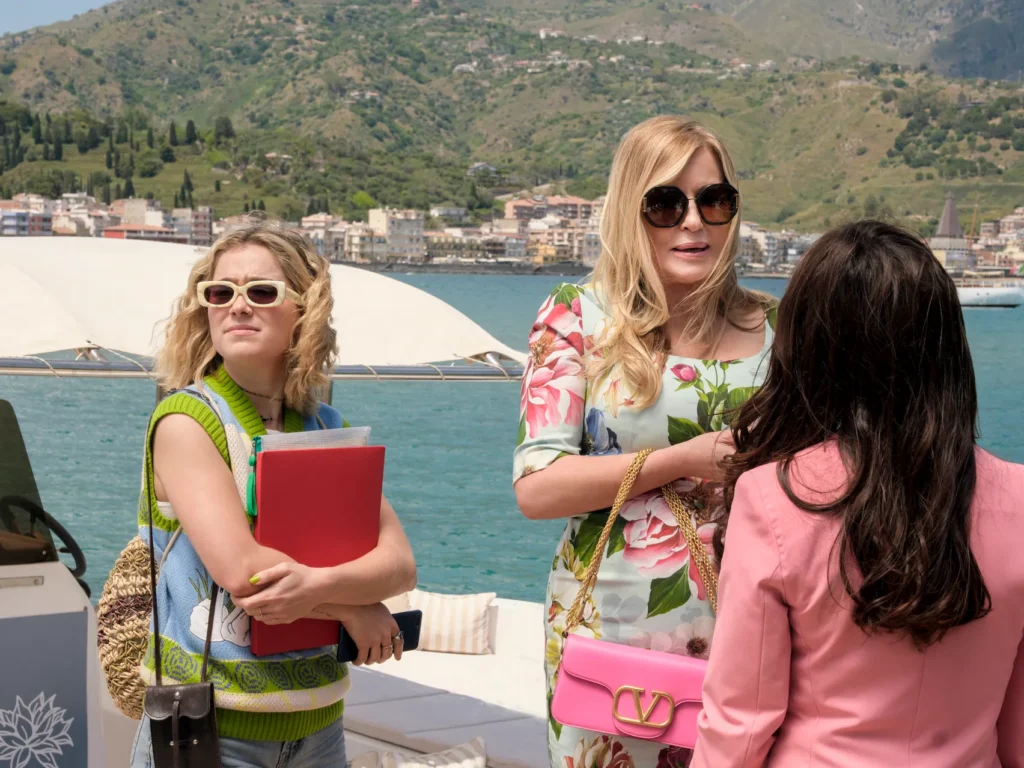
The White Lotus Season 2 has significantly boosted tourism to Sicily, with many destinations reporting increased visitor numbers and bookings. This phenomenon, known as “set-jetting,” sees travelers visiting filming locations from their favorite shows.
The San Domenico Palace experienced a surge in reservations, with some guests specifically requesting rooms or suites featured in the series. Room rates have increased accordingly, reflecting heightened demand.
Local tour operators have created White Lotus-themed tours, guiding visitors to filming locations while sharing behind-the-scenes stories. These tours combine traditional Sicilian tourism with contemporary pop culture appeal.
Restaurants and cafés featured in the series, like Bam Bar in Taormina, have seen increased traffic from fans wanting to experience locations where characters spent time.
This tourism boost has brought economic benefits to local communities while raising awareness of Sicily’s cultural and natural treasures. The series showcases destinations that might otherwise be overlooked by international travelers.
However, increased tourism also brings challenges, including overcrowding at popular sites and rising prices. Local authorities are working to manage tourism sustainably while preserving Sicily’s authentic character.
Behind the Scenes: Production Challenges
Filming The White Lotus Season 2 in Sicily presented unique challenges and opportunities for the production team. Creator Mike White chose Sicily for its rich cultural heritage and associations with passion, drama, and romance.
The production benefited from Italy’s generous tax incentives for foreign film and television productions, which offer up to 40% tax credits. This financial support helped keep production costs around $3 million per episode.
Coordinating filming across multiple locations required extensive logistics, including moving cast, crew, and equipment between Taormina, Cefalù, Palermo, and Noto. Weather and seasonal tourism also affected scheduling.
Unlike Season 1, which was confined to a single Hawaii resort due to COVID-19 restrictions, Season 2 could explore multiple locations. This freedom allowed for greater visual variety and storytelling possibilities.
The production team worked closely with local authorities and property owners to secure filming permissions. Some locations required careful scheduling to minimize disruption to hotel guests or public spaces.
Filming at the San Domenico Palace required coordination with Four Seasons management to balance production needs with guest services. Some areas were filmed during quieter periods to reduce inconvenience.
Comparing Season 1 and Season 2 Locations
The contrast between Season 1’s Hawaiian setting and Season 2’s Sicilian locations reflects the anthology series’ ambitious scope. Each location was carefully chosen to complement its season’s themes.
Season 1 filmed exclusively at the Four Seasons Resort Maui at Wailea, creating a contained, pressure-cooker environment. The tropical paradise setting emphasized American tourism and colonialism themes.
Season 2’s Sicilian setting allowed exploration of European culture, sexual politics, and operatic drama. The diverse locations—from baroque towns to ancient theaters—enriched the storytelling possibilities.
Both seasons feature Four Seasons properties as their main hotels, maintaining continuity in the White Lotus brand’s luxury standards. This consistency helps establish the show’s fictional hotel chain.
Sicily’s historic architecture and cultural depth provided a more textured backdrop than Hawaii’s modern resort environment. The European setting attracted a different type of wealthy guest, reflecting distinct social dynamics.
The expanded geographical scope in Season 2 allowed characters to venture beyond the hotel, creating opportunities for interaction with local culture and unexpected situations.
Best Photo Opportunities at White Lotus Locations
Photography enthusiasts will find endless opportunities at the White Lotus filming locations. These spots offer the most iconic and Instagram-worthy views from the series.
The San Domenico Palace’s infinity pool terrace provides breathtaking views of Mount Etna and the Ionian Sea. Sunset photos from this location capture the essence of Mediterranean luxury.
Cefalù Beach with the Norman Cathedral in the background recreates the series’ opening scenes. Early morning or late afternoon light creates the most dramatic images.
The stairs of Chiesa di San Francesco d’Assisi all’Immacolata in Noto offer a classic baroque backdrop. The honey-colored limestone glows beautifully in warm light.
Taormina’s ancient Greek theater, especially with Mount Etna visible in the background, creates spectacular photographs. Morning visits typically offer clearer views before afternoon haze develops.
Isola Bella viewed from Taormina’s heights provides a postcard-perfect panorama of the turquoise bay and nature reserve. Several viewpoints along the coast road offer excellent vantage points.
Villa Tasca’s frescoed interiors and gardens create stunning photographs, though access may be limited to guests. The exterior courtyard is often visible from the street.
Local Cuisine Featured in the Series
While The White Lotus characters primarily dine at the hotel, the series showcases elements of Sicily’s renowned cuisine. The region’s culinary traditions blend influences from Arab, Norman, Spanish, and Italian cultures.
Traditional Sicilian breakfast features granita (a semi-frozen dessert) served with brioche, as glimpsed in the Bam Bar scene. This combination is particularly popular during summer months.
Seafood plays a prominent role in coastal Sicilian cuisine, with fresh catches from the Mediterranean prepared simply to highlight natural flavors. Restaurants in Cefalù and Taormina specialize in seafood dishes.
Sicilian wines, particularly those from Mount Etna’s volcanic slopes, have gained international recognition. The Planeta Winery featured in the series offers tastings of local varietals like Nerello Mascalese.
Pasta alla Norma, made with eggplant, tomatoes, ricotta salata, and basil, originated in nearby Catania. This iconic dish represents Sicilian cooking at its finest.
Cannoli, Sicily’s famous pastry filled with sweet ricotta, appears throughout Italian regions but originated in Sicily. The crispy shells and creamy filling make them irresistible.
Arancini, fried rice balls with various fillings, are a Sicilian street food staple. These golden spheres can be found in bars and cafés throughout the filming locations.
Transportation Between Filming Locations
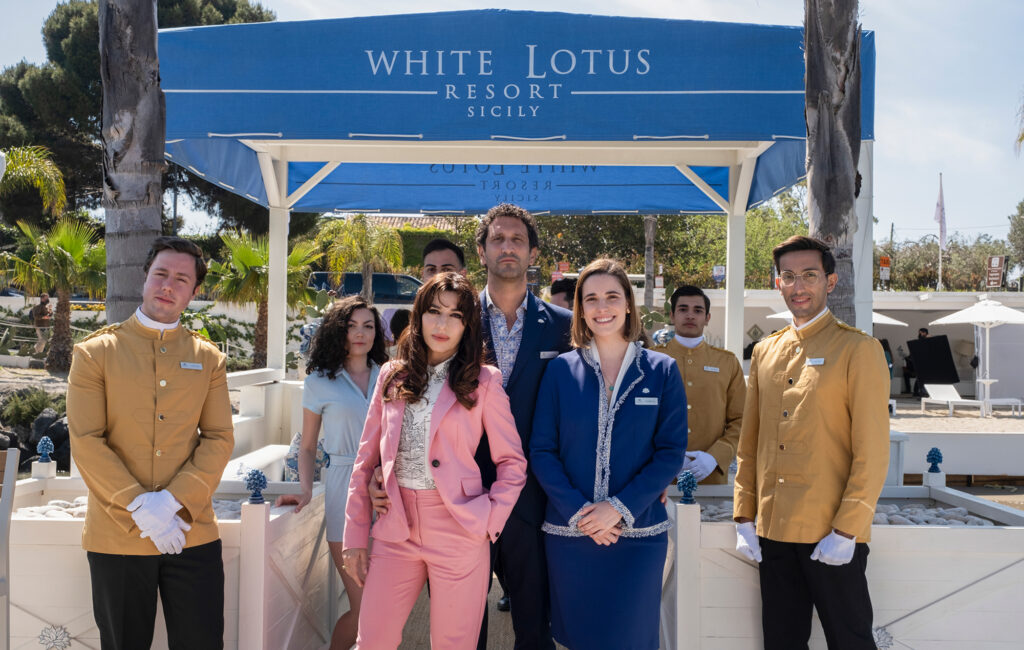
Navigating between White Lotus filming locations requires planning, as they span considerable distances across Sicily. Several transportation options accommodate different budgets and preferences.
Car rental offers the most flexibility for visiting multiple locations at your own pace. The drive from Taormina to Cefalù takes approximately 2.5 hours via A18 and A20 motorways.
Private drivers or car services provide a more relaxed option, allowing you to enjoy scenery without navigation concerns. Many hotels can arrange reliable transportation services.
Organized tours specifically designed for White Lotus fans combine multiple filming locations in a single day. These typically include Taormina, Cefalü, and sometimes Noto or Palermo.
Public buses connect major towns but require more time and patience. Interbus and AST operate routes between Taormina, Catania, and other Sicilian destinations.
Trains serve some locations, though Sicily’s rail network is less comprehensive than mainland Italy’s. The Catania-Palermo line passes through or near several filming locations.
Helicopters, as shown in the series, offer the ultimate luxury transportation option. Several companies provide aerial tours of Mount Etna and coastal regions.
Cultural Context: Sicily’s Rich History
Understanding Sicily’s complex history enriches appreciation for The White Lotus filming locations. The island has been influenced by Greeks, Romans, Arabs, Normans, Spanish, and Italians over millennia.
Greek colonization beginning in the 8th century BC left architectural treasures like Taormina’s ancient theater. These structures demonstrate the island’s importance in the classical Mediterranean world.
Arab rule from the 9th to 11th centuries introduced architectural elements, agricultural techniques, and culinary influences still visible today. Palermo particularly reflects this Islamic heritage.
Norman conquest in the 11th century created a unique architectural style blending Byzantine, Arab, and European elements. Cefalù’s cathedral exemplifies this distinctive Norman-Arab-Byzantine synthesis.
The 1693 earthquake that destroyed much of southeastern Sicily led to the baroque rebuilding of Noto and surrounding towns. This catastrophe ironically created some of Sicily’s most beautiful architecture.
Sicilian culture values family, tradition, and honor—themes explored in The White Lotus through the Di Grasso family storyline. The series engages with stereotypes while revealing contemporary Sicilian complexity.
Luxury Accommodations Near Filming Locations
While the San Domenico Palace represents the ultimate White Lotus experience, numerous other luxury accommodations exist throughout the filming locations. These properties offer exceptional service and proximity to featured sites.
Belmond Grand Hotel Timeo in Taormina offers similar clifftop views and proximity to the ancient theater. This historic property has hosted celebrities and royalty since 1873.
UNA HOTELS Capotaormina, where the beach club scenes were filmed, provides modern luxury with direct beach access. The property’s contemporary design contrasts with Taormina’s historic center.
Verdura Resort near Sciacca offers a coastal golf and spa retreat with extensive grounds. While not a filming location, it represents Sicily’s luxury hospitality standards.
Villa Igiea in Palermo combines art nouveau architecture with modern luxury. This historic hotel overlooks Palermo’s harbor and provides easy access to the city’s cultural attractions.
Palazzo Castelluccio in Noto offers boutique luxury in a restored baroque palazzo. Its intimate scale and historic setting provide an authentic Sicilian aristocratic experience.
Budget-friendly alternatives include charming agriturismos (farm stays) and family-run B&Bs throughout the region. These options provide authentic Sicilian hospitality at accessible prices.
Environmental and Cultural Preservation
The White Lotus’s popularity has raised awareness about balancing tourism development with environmental and cultural preservation in Sicily. Local communities face challenges maintaining authentic character while accommodating increased visitors.
Isola Bella nature reserve requires careful management to protect its ecosystems while allowing public access. Visitor limits and environmental education help preserve this fragile island environment.
Historic centers like Noto and Taormina must balance tourism revenue with preservation of baroque and medieval architecture. Regulations govern building modifications and commercial activities.
Mount Etna’s status as a UNESCO World Heritage Site brings recognition and protection. However, increased tourism requires sustainable management of hiking trails and natural resources.
Cefalù’s medieval character faces pressure from modernization and tourism development. Local authorities work to preserve architectural heritage while updating infrastructure.
The San Domenico Palace’s conversion from monastery to luxury hotel demonstrates successful adaptive reuse of historical buildings. Careful restoration honors original architecture while meeting contemporary hospitality standards.
Sustainable tourism initiatives encourage visitors to respect local culture, support family-owned businesses, and minimize environmental impact. Responsible travel benefits both visitors and local communities.
Season 3 Preview: Thailand Awaits
Following the success of Season 2’s Sicilian locations, The White Lotus Season 3 has moved to Thailand. The Four Seasons Resort Koh Samui serves as the newest fictional White Lotus property.
This shift to Southeast Asia continues the series’ pattern of showcasing distinct cultural settings. Each season explores different aspects of luxury tourism, cultural interaction, and class dynamics.
Thailand’s tropical beaches, Buddhist temples, and vibrant culture will provide a completely different aesthetic from Sicily’s Mediterranean charm. The location change allows fresh storytelling opportunities.
Production in Thailand began in 2024, with the season expected to premiere in 2025 or early 2026. The cast features new characters alongside potential returns from previous seasons.
Just as Sicily experienced increased tourism after Season 2, Thailand’s filming locations will likely see similar interest. Koh Samui is already preparing for White Lotus fans.
The Thailand season will benefit from the production team’s experience filming in exotic locations while maintaining the series’ signature blend of dark comedy and social commentary.
Frequently Asked Questions
What is the main hotel in White Lotus Season 2?
The main hotel is the San Domenico Palace, Taormina, A Four Seasons Hotel. This 15th-century former monastery sits on a cliff overlooking the Ionian Sea with views of Mount Etna.
Where were the beach scenes filmed in White Lotus Season 2?
Beach scenes were filmed at Cefalù Beach on Sicily’s northern coast, approximately 2.5 hours from Taormina. The Norman Cathedral appears in the background of many beach shots.
How far apart are the White Lotus Season 2 filming locations?
The filming locations span significant distances. Taormina to Cefalù is 2.5 hours by car, Taormina to Noto is 1.5 hours, and Taormina to Palermo is approximately 2.5 hours.
Can you stay at the White Lotus hotel in Sicily?
Yes, the San Domenico Palace is a functioning Four Seasons hotel open to guests. Room rates start around €1,300 per night during the off-season, with higher rates during peak season.
What towns are featured in White Lotus Season 2?
The main towns featured are Taormina, Cefalù, Noto, and Palermo. Other locations include Giardini Naxos, Castelmola, and areas around Mount Etna and the Ionian coast.
Were all White Lotus Season 2 scenes filmed in Sicily?
Most scenes were filmed in Sicily, but interior hotel room scenes were shot at a studio near Rome. All exterior locations and many interior public spaces were filmed in Sicily.
How much does it cost to visit White Lotus filming locations?
Costs vary widely. Many locations like Cefalù Beach and Noto’s historic center are free to visit. Accommodations range from budget B&Bs (€50-100) to luxury hotels (€1,000+).
What is the best time to visit Sicily for White Lotus locations?
Spring (April-May) and fall (September-October) offer pleasant weather and smaller crowds. Summer (June-August) brings peak tourism, while winter can be rainy but less crowded.
Is Villa Elena from White Lotus open to visitors?
Villa Elena is a private estate owned by designer Jacques Garcia. It’s not typically open to the public, though occasional private tours or events may be available.
Did The White Lotus increase tourism to Sicily?
Yes, the series significantly boosted Sicilian tourism. The San Domenico Palace reported increased bookings, and destinations like Taormina, Cefalù, and Noto saw more visitors interested in filming locations.
Conclusion
Where is White Lotus Season 2 filmed? The answer encompasses the magnificent island of Sicily, from Taormina’s clifftop luxury to Cefalù’s pristine beaches, from Noto’s baroque splendor to Palermo’s grand architecture. Each location contributes to the series’ visual richness and thematic depth.
The San Domenico Palace serves as the perfect centerpiece, embodying the luxury and drama that define The White Lotus experience.
Whether you’re planning a pilgrimage to these filming locations or simply appreciating them from afar, Sicily’s beauty transcends the screen.
These destinations offer travelers an opportunity to experience the Mediterranean lifestyle that captivated millions of viewers worldwide, minus the murder and mayhem.