
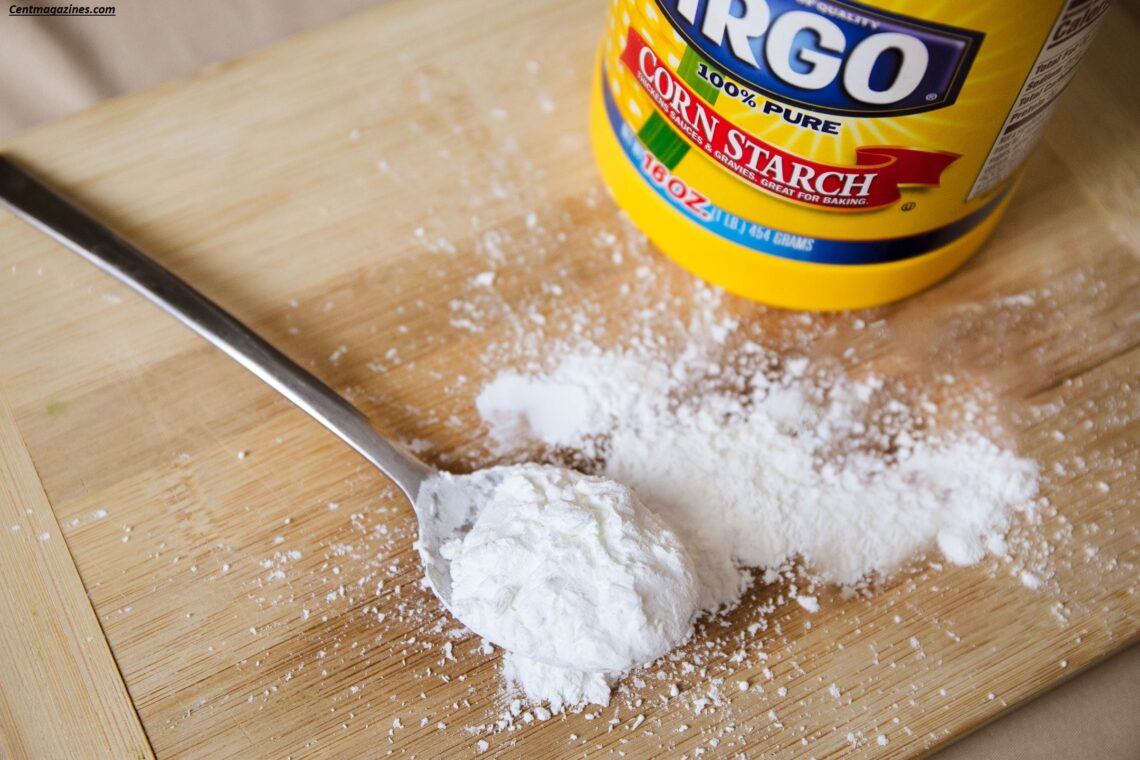
Why Do People Eat Corn Starch? People eat corn starch for various reasons, often linked to cultural, health, or psychological factors.
In some cultures, consuming raw corn starch is a traditional practice, sometimes believed to aid digestion or provide energy.
Others may eat it due to pica, a condition where individuals crave non-food substances, often linked to nutritional deficiencies like iron or zinc.
Some people consume it as a low-calorie filler to feel full or manage hunger, while others might do it out of habit or sensory preference.
While generally safe in small amounts, excessive consumption can lead to digestive issues or nutrient imbalance.
Table of Contents
Quick Table
| Topic | Key Insight |
|---|---|
| Main Reason | Often linked to pica disorder |
| Medical Cause | Iron deficiency anemia & other nutritional deficiencies |
| Common Group | Pregnant women (due to pregnancy cravings) |
| Behavior Type | Compulsive eating behavior / non-food cravings |
| Scientific Term | Amylophagia (craving starch) |
| Health Risk | Spikes in blood sugar levels |
| Texture Factor | Dry, powdery feel creates texture satisfaction |
| Trend Influence | Popularized by ASMR cornstarch trend online |
What Is Corn Starch?
Corn starch is a fine, white powder made from the endosperm of corn kernels. It is widely used as a thickening agent in cooking and baking, especially in sauces, soups, and desserts.
Because it is a form of refined carbohydrates, it contains almost no protein, fiber, or essential nutrients.
From a nutritional perspective, corn starch is mostly pure starch, which means it quickly breaks down into glucose in the body.
This gives it a high glycemic index, leading to rapid spikes in blood sugar levels. While it can provide quick energy, it lacks vitamins and minerals, making it nutritionally poor.
Despite this, some people develop a habit of eating raw cornstarch, not as food but as a craving. This behavior is often linked to non-food cravings or unusual eating patterns.
In some cases, it becomes a form of compulsive eating behavior, especially when consumed regularly.
Interestingly, corn starch is also used medically in certain conditions like glycogen storage disease, where controlled intake helps maintain stable glucose levels.
However, outside of medical supervision, regular consumption—especially raw—can lead to health concerns.
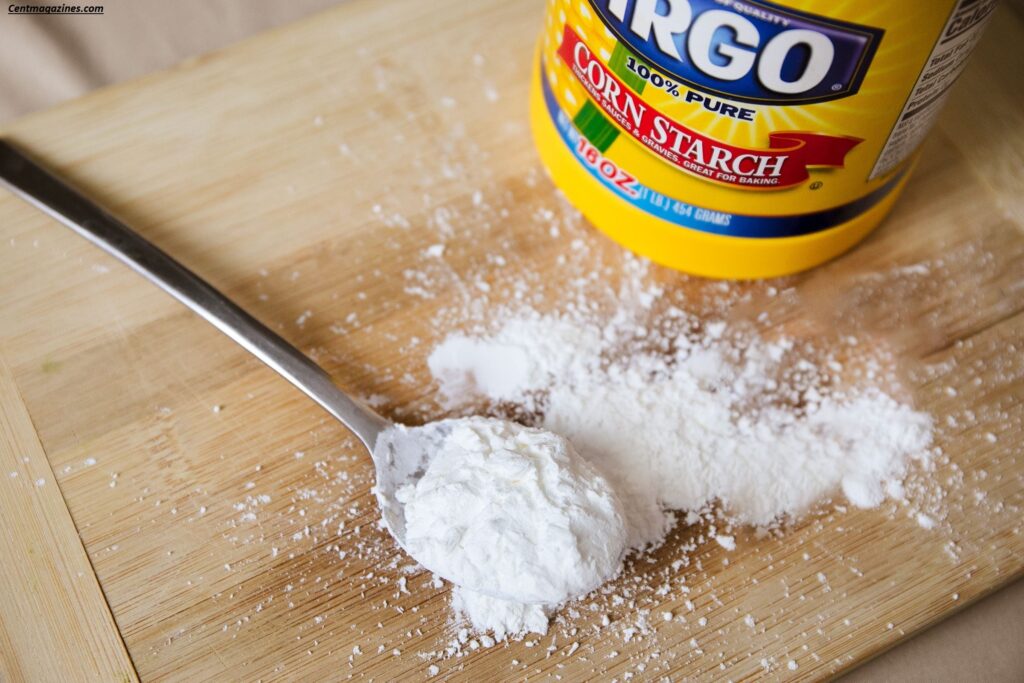
Why Do People Eat Corn Starch?
Many people are surprised to learn that eating corn starch is more common than it seems.
The reasons behind cornstarch cravings can range from medical conditions to psychological factors and even sensory preferences.
At the core, this behavior is often associated with pica disorder, a condition where individuals crave non-food substances.
A specific form of this is amylophagia, which refers to the craving and consumption of starch like corn starch.
Another major factor is nutritional deficiencies, particularly iron deficiency anemia and sometimes zinc deficiency.
When the body lacks essential nutrients, it may trigger unusual cravings as a signal that something is missing.
Hormonal changes, especially during pregnancy, can also lead to strong pregnancy cravings, including the urge to eat non-food items.
In addition, some individuals engage in this habit due to emotional stress, anxiety, or as a coping mechanism, making it a form of compulsive eating behavior.
Finally, the unique dry, powdery texture of corn starch provides a strange but satisfying sensory experience.
This has even led to viral trends like the ASMR cornstarch trend, where people consume it for entertainment and texture satisfaction.
Pica Disorder Explained
Pica disorder is an eating disorder characterized by persistent cravings for non-food items such as dirt, chalk, or starch.
When it specifically involves starch, it is called amylophagia. This condition is often linked to nutritional deficiencies, especially iron deficiency anemia.
People with pica may experience intense urges that are difficult to control, making it a form of compulsive eating behavior.
It is not just a habit but a recognized medical condition that may require treatment. In many cases, addressing the underlying deficiency can reduce or eliminate these unusual cravings.
Iron Deficiency and Anemia
One of the most common causes of cornstarch cravings is iron deficiency anemia. When the body lacks enough iron, it struggles to produce healthy red blood cells, leading to fatigue and weakness.
This deficiency can trigger non-food cravings, including the urge to eat raw corn starch. While the exact reason is not fully understood, researchers believe it may be the body’s way of signaling a need for nutrients.
In some cases, zinc deficiency may also play a role. Treating the deficiency often helps reduce cravings and restores normal eating behavior.
Pregnancy Cravings
During pregnancy, hormonal changes can lead to unusual pregnancy cravings, including non-food items like corn starch.
These cravings may be linked to nutritional deficiencies or shifts in taste and smell sensitivity.
Some pregnant women develop pica disorder, leading to cravings for substances like starch.
While occasional cravings may seem harmless, regular consumption can pose risks due to its high glycemic index and lack of nutrients.
It is important for pregnant women experiencing such cravings to consult a healthcare provider, as it may indicate iron deficiency anemia or other underlying health concerns.
Psychological and Emotional Reasons
For some individuals, eating corn starch is tied to emotional or psychological factors. It can become a form of compulsive eating behavior, especially during stress, anxiety, or boredom.
This habit may provide temporary comfort or distraction, similar to other coping mechanisms. Over time, it can develop into a pattern of non-food cravings that are difficult to break.
In certain cases, underlying mental health conditions may contribute to these behaviors. Addressing emotional triggers and seeking support can help individuals manage cravings and adopt healthier habits.
Texture and Sensory Appeal
One surprising reason people eat corn starch is the unique sensory experience it provides. The dry, powdery texture creates a distinct feeling in the mouth, leading to texture satisfaction.
This sensory appeal has been amplified by the ASMR cornstarch trend, where people share videos of themselves eating it. These videos often focus on sound and texture, making the experience more आकर्षive.
For some, this sensory enjoyment can lead to repeated consumption, even without hunger. While it may seem harmless, regular eating raw cornstarch can still have negative health effects.

Is It Safe to Eat Corn Starch?
Eating small amounts of corn starch occasionally is generally not harmful for most people.
However, regularly eating raw cornstarch can pose several health risks, especially when consumed in large quantities.
Because corn starch is made of refined carbohydrates, it lacks essential nutrients and does not provide balanced nutrition.
Its high glycemic index means it can cause rapid spikes in blood sugar levels, which may be particularly concerning for individuals with diabetes or insulin resistance.
In some medical cases, such as glycogen storage disease, corn starch is used under strict supervision to help maintain stable glucose levels.
Outside of these controlled situations, frequent consumption is not recommended.
Additionally, consistent cravings for corn starch may signal underlying issues such as pica disorder, iron deficiency anemia, or other nutritional deficiencies.
Ignoring these signs can lead to more serious health problems over time.
Overall, while occasional consumption may not be dangerous, regular intake—especially driven by cravings—should be taken seriously and evaluated by a healthcare professional.
Health Risks of Eating Corn Starch
Regular consumption of corn starch can lead to several health issues. One of the biggest concerns is its impact on blood sugar levels.
Due to its high glycemic index, it can cause rapid spikes and crashes, increasing the risk of diabetes over time.
Another issue is poor nutrition. Since corn starch is made of refined carbohydrates, it does not provide essential vitamins or minerals.
This can worsen existing nutritional deficiencies, including iron deficiency anemia and zinc deficiency.
Digestive problems are also common. Eating large amounts may lead to digestive issues such as bloating, constipation, or discomfort. In some cases, it can interfere with normal digestion and nutrient absorption.
There is also the risk of reinforcing compulsive eating behavior, especially in individuals with pica disorder or amylophagia. This can make it harder to maintain a healthy diet.
Finally, consuming raw corn starch may expose individuals to contaminants if it is not handled properly. Over time, these risks can add up, making it important to address the underlying causes of cravings.
When to See a Doctor
If you frequently experience cornstarch cravings or find yourself regularly eating raw cornstarch, it may be time to consult a doctor.
This behavior can be a sign of pica disorder or other underlying health conditions.
One of the most important reasons to seek medical advice is the possibility of iron deficiency anemia or other nutritional deficiencies.
A simple blood test can help identify these issues and guide proper treatment.
You should also seek help if the habit feels uncontrollable, as this may indicate compulsive eating behavior. Mental health support can be beneficial in addressing emotional or psychological triggers.
Pregnant women experiencing strong pregnancy cravings for non-food items should speak with their healthcare provider to ensure both their health and the baby’s well-being.
Additionally, if you notice symptoms like fatigue, weakness, or digestive discomfort, it could be related to digestive issues or imbalances caused by excessive corn starch consumption.
Early intervention can help prevent complications and restore healthy eating patterns.
Better Alternatives to Corn Starch Cravings
If you struggle with cornstarch cravings, finding healthier alternatives is essential.
The first step is addressing any underlying nutritional deficiencies, such as iron deficiency anemia or zinc deficiency, through a balanced diet or supplements.
For those seeking texture satisfaction, foods like crushed ice, crunchy vegetables, or whole-grain snacks can provide a similar sensory experience without the risks associated with eating raw cornstarch.
If the cravings are linked to compulsive eating behavior, mindfulness techniques and stress management strategies can help reduce the urge.
Drinking water or chewing sugar-free gum may also serve as simple substitutes.
Switching to nutrient-rich foods that stabilize blood sugar levels is another effective approach. Unlike refined carbohydrates, whole foods provide sustained energy and essential nutrients.
In cases where cravings are influenced by trends like the ASMR cornstarch trend, limiting exposure to such content can help reduce triggers.
Ultimately, the best solution is to identify the root cause and replace the habit with healthier, more sustainable choices.

FAQ’s
Why do people eat corn starch raw?
It is often linked to pica disorder, amylophagia, or nutritional deficiencies like iron deficiency anemia.
Is eating corn starch dangerous?
Occasional use may be safe, but frequent consumption can affect blood sugar levels and cause health issues.
What deficiency causes cornstarch cravings?
Most commonly iron deficiency anemia, but sometimes zinc deficiency.
Is it common during pregnancy?
Yes, some women experience pregnancy cravings linked to non-food cravings.
Can corn starch affect digestion?
Yes, excessive intake may lead to digestive issues like bloating or discomfort.
Conclusion
The question “why do people eat corn starch” reveals a complex mix of medical, psychological, and sensory factors.
While it may seem like a strange habit, it is often linked to real conditions such as pica disorder, amylophagia, and iron deficiency anemia.
In many cases, these cravings are the body’s way of signaling nutritional deficiencies or imbalances.
Other factors, including pregnancy cravings, emotional stress, and the desire for texture satisfaction, also play a role.
Modern influences like the ASMR cornstarch trend have further normalized this behavior, making it more visible and widespread.
However, regular eating raw cornstarch is not without risks.
Its high glycemic index, lack of nutrients, and potential to cause digestive issues make it an unhealthy long-term habit.
It can also reinforce compulsive eating behavior, especially if the underlying cause is not addressed.
The key to managing these cravings is understanding their root cause.
Whether it’s correcting iron deficiency anemia, improving diet, or addressing emotional triggers, taking the right steps can lead to healthier habits.
If you or someone you know struggles with these cravings, seeking professional advice is the best way forward.