
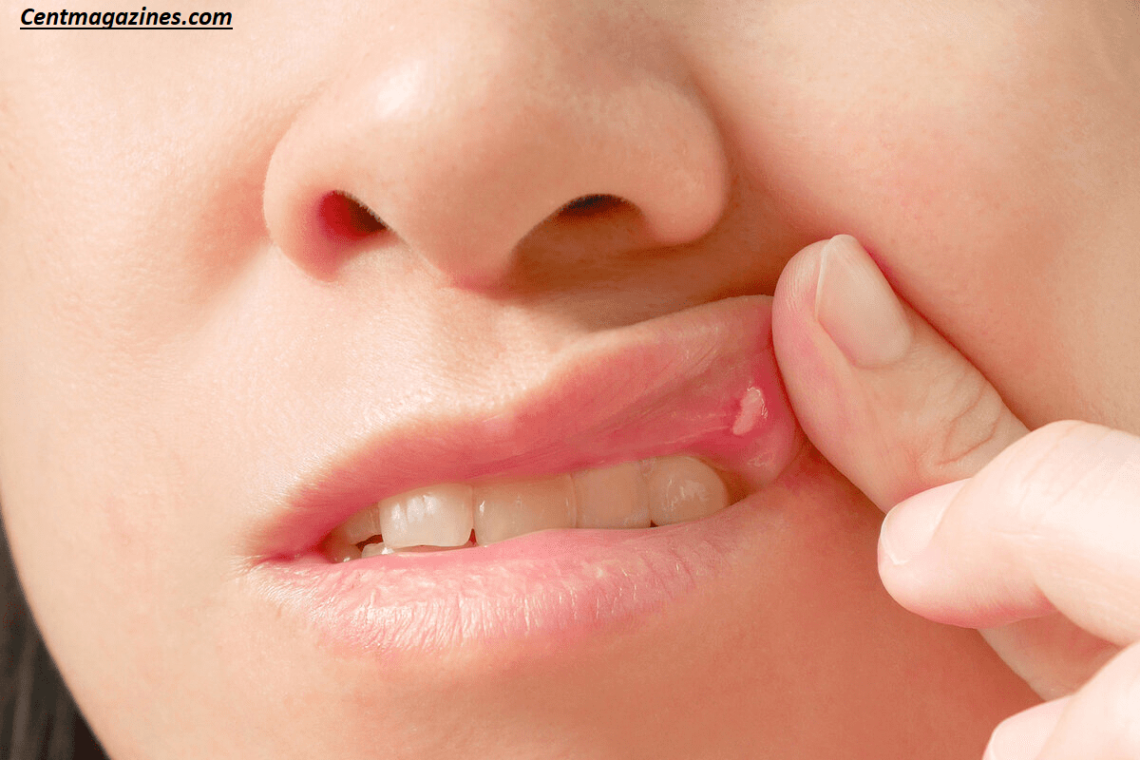
Why Is the Roof of My Mouth Sore? A sore roof of the mouth can happen for several reasons.
The most common cause is eating very hot foods or drinks that burn the delicate tissue on the palate.
Spicy foods, sharp snacks like chips, or rough bread can also irritate the area. Sometimes, dehydration or mouth dryness makes the roof of the mouth feel tender.
Infections, mouth ulcers, allergies, or conditions like Oral Thrush may also cause soreness. Poor oral hygiene and smoking can worsen irritation.
Most mild cases heal within a few days. However, if the pain lasts longer than a week or includes swelling or white patches, it is best to see a dentist or doctor.
Table of Contents
Quick Table
| Issue | Possible Cause | Symptoms | Quick Fix |
|---|---|---|---|
| Sudden pain after eating | Burns from hot food | Redness, tenderness | Cool water, avoid hot foods |
| Small painful spot | Mouth ulcers / canker sores | White or yellow sores | Saltwater rinse |
| White patches | Oral thrush | Creamy coating, irritation | Antifungal treatment |
| General soreness | Mouth irritation | Swelling, sensitivity | Avoid spicy/acidic foods |
| Long-term pain | Gum disease or infection | Bleeding gums, bad breath | Dental care needed |
| Sharp pain | Cuts or trauma | Localized soreness | Healing gels |
| Burning feeling | Palate inflammation | Sensitivity, redness | Hydration, soothing foods |
| Recurring pain | Oral infections | Pain + swelling | Medical checkup |
| Allergy reaction | Food irritation | Itching, swelling | Avoid triggers |
| Persistent pain | Serious condition | Lasts >1–2 weeks | See a doctor |
What Does It Mean When the Roof of Your Mouth Hurts?
If you’re asking, “why is the roof of my mouth sore?”, you’re not alone. This condition—often described as a sore palate or roof of mouth pain—is very common and usually harmless.
The roof of your mouth (called the palate) is made of sensitive tissue that can easily become irritated.
In many cases, the pain is temporary and caused by something simple like burns from hot food, spicy meals, or rough textures.
For example, eating very hot pizza or tea can damage the delicate lining, leading to soreness for a few days.
Other times, the issue may be linked to mouth irritation, mouth ulcers (canker sores), or mild oral infections. These can cause redness, swelling, and discomfort when eating or drinking.
However, not all causes are minor. Persistent palate inflammation, recurring sores, or severe roof of mouth pain may point to underlying issues such as oral thrush, immune responses, or even gum disease.
The key is to pay attention to how long the soreness lasts and what other symptoms appear. Short-term discomfort is usually nothing serious—but ongoing pain deserves closer attention.
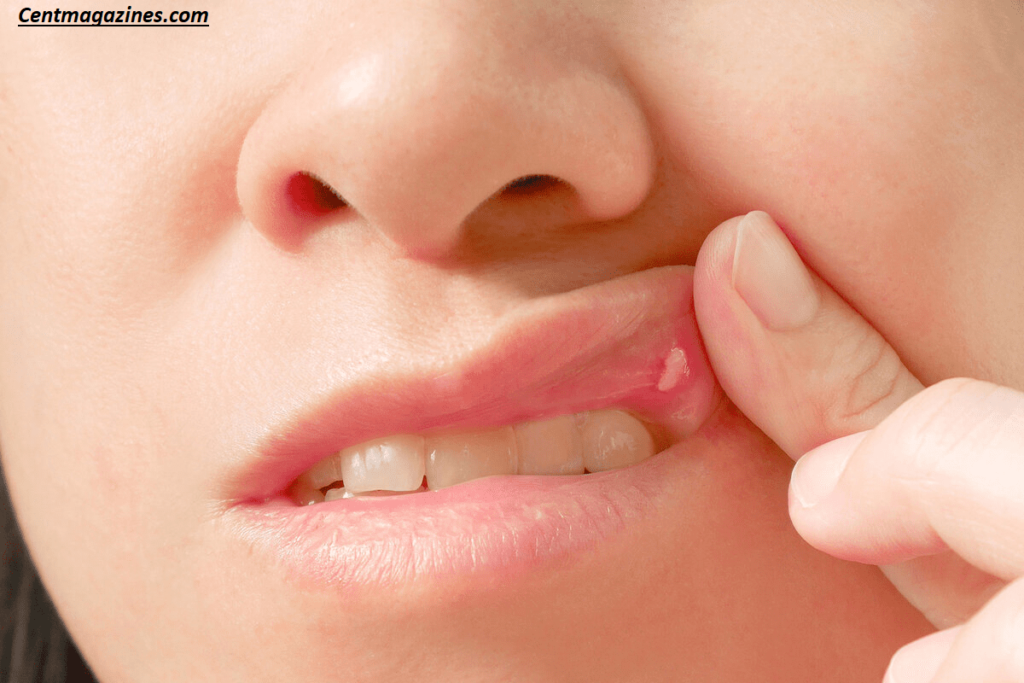
10 Common Causes
Understanding the mouth sores causes behind your discomfort can help you treat it quickly. Here are the most common reasons your palate may feel sore:
- Burns from hot food – One of the top causes of sudden roof of mouth pain.
- Mouth ulcers (canker sores) – Small, painful sores that appear on the palate.
- Oral thrush – A fungal infection causing white patches and soreness.
- Mouth irritation – From spicy, acidic, or rough foods.
- Palate inflammation – Often linked to irritation or minor infections.
- Oral infections – Bacterial or viral infections affecting mouth tissues.
- Allergic reactions – Certain foods may trigger swelling or irritation.
- Cuts or trauma – Hard foods like chips can scratch the palate.
- Gum disease – Can extend discomfort to the roof of the mouth.
- Dry mouth – Lack of saliva can lead to irritation and soreness.
Most of these causes are mild and heal on their own. However, recurring or severe symptoms should not be ignored.
Symptoms You Shouldn’t Ignore
While many cases of a sore palate are harmless, some symptoms may signal a more serious problem. Knowing what to watch for can help you decide when to take action.
Common symptoms include:
- Redness and swelling
- Burning sensation
- Pain when eating or drinking
- Sensitivity to hot or cold foods
However, more concerning signs include:
- Persistent roof of mouth pain lasting more than 1–2 weeks
- White patches (possible oral thrush)
- Large or recurring mouth ulcers (canker sores)
- Bleeding or signs of gum disease
- Severe palate inflammation
- Difficulty swallowing or speaking
If your pain is getting worse instead of better, it could indicate oral infections or another underlying issue.
Another warning sign is recurring irritation without a clear cause. Chronic mouth irritation may be linked to diet, allergies, or health conditions.
In short, occasional discomfort is normal—but persistent or worsening symptoms should never be ignored.

How to Treat a Sore Roof of Mouth
Treating roof of mouth pain depends on the cause, but most cases can be managed easily at home.
Home Remedies
- Saltwater rinse – Helps reduce bacteria and soothe irritation
- Cold water or ice – Relieves pain from burns
- Avoid spicy/acidic foods – Prevents further mouth irritation
- Stay hydrated – Reduces dryness and inflammation
- Honey – Natural healing for mouth ulcers
Medical Treatments
If symptoms persist, medical care may be needed:
- Antifungal medication for oral thrush
- Antibacterial treatments for oral infections
- Pain-relief gels for mouth ulcers (canker sores)
- Dental cleaning for gum disease
In cases of severe palate inflammation, doctors may recommend prescription treatments.
The key is to match the treatment to the cause. Mild irritation heals quickly, but infections or recurring sores need proper care.
When to See a Doctor
You should consider seeing a doctor or dentist if your symptoms don’t improve within a reasonable time.
Seek medical help if:
- Pain lasts longer than 10–14 days
- You have recurring mouth ulcers (canker sores)
- There are signs of oral thrush (white patches)
- You notice swelling, bleeding, or gum disease symptoms
- Eating and drinking become difficult
- The roof of mouth pain is severe or worsening
Persistent issues may indicate deeper oral infections or chronic conditions.
Also, if your sore palate keeps coming back, it may be linked to diet, immune health, or underlying medical problems.
Early diagnosis can prevent complications and ensure faster healing.

FAQs
Why is the roof of my mouth sore all of a sudden?
It’s often caused by burns from hot food or sudden mouth irritation.
How long does a sore palate last?
Most cases heal within 3–7 days.
Can stress cause mouth ulcers?
Yes, stress can trigger canker sores and irritation.
Is oral thrush serious?
It’s treatable but needs medical attention if it persists.
Can gum disease cause roof of mouth pain?
Yes, advanced gum disease can affect surrounding areas.
Conclusion
If you’ve been wondering, “why is the roof of my mouth sore?”, the answer is usually simple.
In most cases, it’s caused by everyday issues like burns from hot food, mouth irritation, or minor mouth ulcers (canker sores).
However, your mouth can also signal deeper problems. Conditions like oral thrush, oral infections, or even gum disease can lead to ongoing discomfort and palate inflammation.
That’s why it’s important to pay attention to your symptoms.
The good news is that most cases of roof of mouth pain are easy to treat. Simple remedies like saltwater rinses, hydration, and avoiding irritating foods can make a big difference.
Still, if your symptoms last longer than expected or keep coming back, don’t ignore them. Persistent pain is your body’s way of telling you something needs attention.
By understanding the causes, recognizing warning signs, and using the right treatments, you can quickly relieve discomfort and protect your oral health.
Taking care of your mouth today can prevent bigger problems tomorrow.