
Why Is My Gum Swollen Around One Tooth? Swelling around one tooth is usually a sign of localized irritation or infection.
The most common cause is gum disease, where plaque buildup leads to inflammation. It could also be due to food stuck between teeth, aggressive brushing, or a small injury.
In some cases, a tooth abscess may develop, causing pain, pus, or a bad taste.
Other causes include impacted teeth or dental work irritation. If the swelling is mild, improving oral hygiene and rinsing with saltwater may help.
However, if it persists, worsens, or becomes painful, you should see a dentist to prevent more serious complications.
Table of Contents
Quick Table
| Issue | Possible Cause | Key Symptoms | What to Do |
|---|---|---|---|
| Swelling around one tooth | Gum inflammation | Redness, pain | Improve oral hygiene |
| Pain + swelling | Dental abscess | Pus, severe pain | See dentist immediately |
| No pain, just swelling | Gingivitis | Bleeding gums | Clean thoroughly |
| Swelling with bad breath | Periodontitis | Gum recession | Professional treatment |
| Sudden swelling | Food stuck | Local irritation | Floss gently |
What Does It Mean If Gum Is Swollen Around One Tooth?
If your gum is swollen around one tooth, it usually points to a localized problem rather than a full-mouth condition.
This means something specific is affecting that particular area—such as bacteria, irritation, or injury.
Unlike general gum inflammation, which affects multiple teeth, this type of swelling is often easier to trace back to a single cause.
The most common reason is plaque buildup, a sticky film of bacteria that accumulates around teeth when oral hygiene is not consistent.
Over time, this can lead to gum disease, starting with gingivitis and potentially progressing to periodontitis if untreated.
When bacteria infection is concentrated around one tooth, the gum tissue reacts with swelling, redness, and sometimes pain.
In some cases, the swelling may not hurt at all. This doesn’t mean it’s harmless. Silent conditions like early gingivitis or minor infection can still worsen over time.
Other possibilities include trapped food particles, minor trauma, or even early stages of a dental abscess.
Understanding whether the swelling is painful, persistent, or spreading is key. A swollen gum around one tooth is your body’s warning sign—don’t ignore it.

Common Causes
There are several reasons why swelling may occur around a single tooth. Most are related to bacteria, irritation, or infection, but each has different severity levels.
Poor Oral Hygiene
Poor oral hygiene is one of the leading causes of gum inflammation.
When brushing and flossing are not done properly, plaque buildup accumulates around teeth. This creates an environment where bacteria thrive, leading to swelling, redness, and bleeding gums.
Over time, the gums become irritated and may swell around a specific tooth where plaque is concentrated. Bad breath and mild discomfort are also common signs.
Improving daily cleaning habits can often reverse early-stage issues before they become serious.
Gum Disease
Gum disease starts as gingivitis, which causes mild swelling, redness, and bleeding gums. If untreated, it can progress into periodontitis, a more severe condition that damages the tissues supporting the teeth.
When gum disease is localized, it may affect only one tooth area. This can result in persistent swelling, pain around tooth, and even gum recession.
Bacteria infection plays a major role here, and the longer it goes untreated, the higher the risk of tooth loss.
Food Stuck Between Teeth
Sometimes, something as simple as food stuck between teeth can cause noticeable swelling. When food particles remain trapped, they irritate the gums and encourage bacteria growth.
This leads to localized swelling, discomfort, and sometimes bleeding gums. If not removed, it can turn into a minor infection.
Flossing carefully can often resolve this issue quickly. However, repeated occurrences may indicate spacing issues or improper oral hygiene habits.
Tooth Abscess
A dental abscess is a serious condition caused by a deep bacteria infection. It often results from untreated tooth decay or gum disease.
This condition leads to intense swelling, severe pain around tooth, and the presence of pus. You may also notice bad breath and a bad taste in your mouth.
The swelling may feel warm and can spread to nearby areas. This is a dental emergency and requires immediate professional treatment to prevent complications.
Injury or Trauma
Physical injury or trauma to the gums can also cause swelling around one tooth. This may happen due to aggressive brushing, flossing too hard, or biting into hard foods.
The gum tissue becomes irritated, leading to redness and swelling. In most cases, this type of inflammation heals on its own within a few days.
However, if the swelling persists, it could indicate underlying damage or infection.
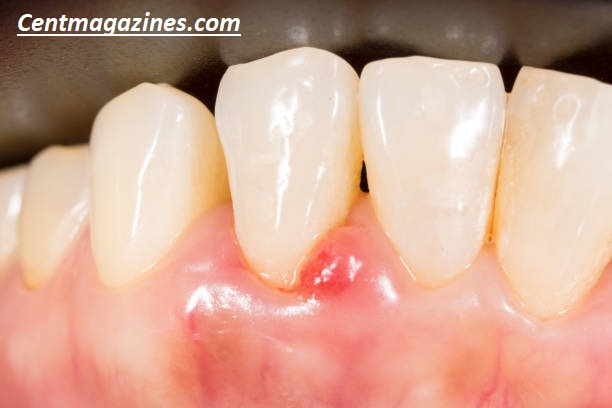
Symptoms to Watch For
Recognizing symptoms early can help prevent serious dental problems. While swelling is the most obvious sign, it often comes with other symptoms that indicate the underlying cause.
Common symptoms include:
- Redness and gum inflammation
- Pain around tooth (mild to severe)
- Bleeding gums, especially while brushing
- Persistent bad breath
- Pus or discharge near the gum line
- Sensitivity to hot or cold
- Loose tooth in severe cases
If the swelling is caused by gingivitis, symptoms are usually mild and reversible. However, if it progresses to periodontitis, you may notice gum recession and deeper infection.
One key warning sign is pus, which indicates a dental abscess or serious infection. Another is swelling that spreads or worsens over time. Pain that becomes sharp or throbbing is also a red flag.
Even if there is no pain, swelling should not be ignored. Silent gum disease can still cause long-term damage.
How to Treat Swollen Gum Around One Tooth
Treatment depends on the cause. Mild cases can often be managed at home, while more serious conditions require professional care.
Home Remedies
For mild swelling, improving oral hygiene is the first step. Brush twice daily and floss carefully to remove plaque buildup and trapped food. Rinsing with warm salt water can reduce bacteria infection and soothe gum inflammation.
Other helpful remedies include:
- Using an antibacterial mouthwash
- Applying a cold compress to reduce swelling
- Avoiding sugary or hard foods
- Staying hydrated
These methods are effective for early gingivitis or minor irritation. However, they are not a permanent solution if the root cause is more serious.
Medical Treatments
If home remedies don’t work, a dentist may recommend professional treatment. This can include deep cleaning to remove plaque buildup and tartar. In cases of gum disease, scaling and root planing may be necessary.
For a dental abscess, treatment may involve draining the pus, prescribing antibiotics, or performing a root canal. Severe cases of periodontitis may require surgical procedures.
Professional care targets the underlying bacteria infection and prevents further complications.
When to See a Dentist
You should see a dentist if the swelling lasts more than a few days or becomes worse. Persistent swelling often indicates gum disease or infection that cannot be treated at home.
Seek immediate dental care if you experience:
- Severe pain around tooth
- Pus or signs of dental abscess
- Fever or swelling spreading to face
- Difficulty chewing or swallowing
- Loose tooth
Ignoring these symptoms can lead to serious complications, including tooth loss or spreading infection.
Even mild symptoms like bleeding gums or bad breath should not be ignored if they persist. Early diagnosis can prevent the progression from gingivitis to periodontitis.
Prevention Tips
Preventing gum swelling starts with maintaining strong oral hygiene habits. Consistency is key to avoiding plaque buildup and bacteria infection.
Follow these tips:
- Brush twice daily with fluoride toothpaste
- Floss every day to remove trapped food
- Use antibacterial mouthwash
- Visit your dentist regularly for cleanings
- Avoid smoking and sugary foods
- Replace your toothbrush every 3 months
A healthy diet also plays a role. Foods rich in vitamins help strengthen gums and prevent inflammation.
By maintaining proper oral hygiene, you can significantly reduce the risk of gum disease, gingivitis, and dental abscess.
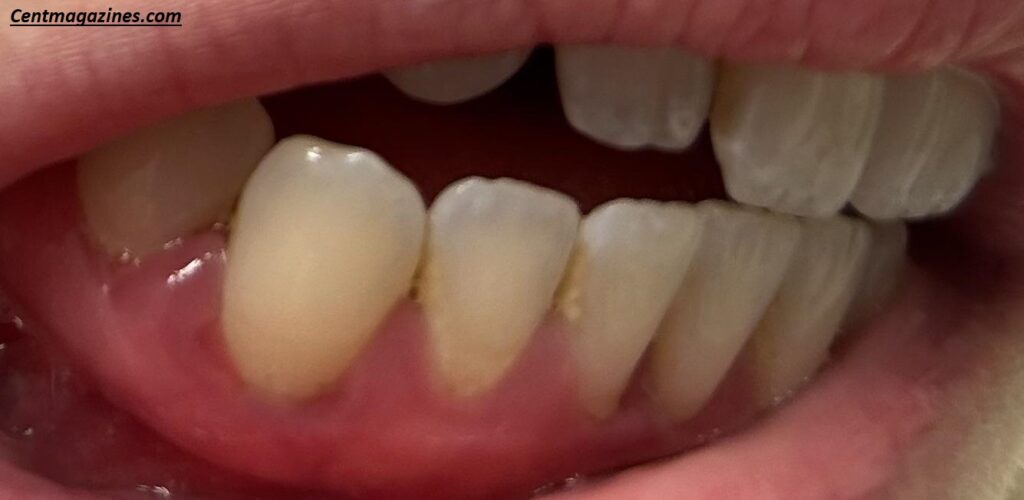
FAQs
Why is my gum swollen around one tooth but no pain?
It could be early gingivitis, food stuck, or mild gum inflammation.
Can a swollen gum heal on its own?
Yes, mild cases caused by irritation may heal with good oral hygiene.
Is swollen gum a sign of infection?
Yes, especially if there is pus, pain, or bad breath.
How long does gum swelling last?
Mild swelling may last a few days, but longer duration needs attention.
Can stress cause gum swelling?
Stress can weaken immunity, making gum disease more likely.
Conclusion
A swollen gum around one tooth may seem like a small issue, but it often signals an underlying problem that shouldn’t be ignored.
Whether it’s caused by poor oral hygiene, plaque buildup, gum disease, or a dental abscess, early action is crucial.
Conditions like gingivitis can be reversed, but if left untreated, they may progress into periodontitis, leading to serious damage.
Pay attention to symptoms like redness, bleeding gums, bad breath, and pain around tooth. Even if there is no pain, swelling can still indicate bacteria infection or early-stage gum disease.
Simple steps like brushing, flossing, and rinsing can help in mild cases, but persistent or severe symptoms require professional care.
The key is prevention. Maintaining strong oral hygiene habits and regular dental visits can protect your gums and teeth in the long run.
Your gums are a vital part of your oral health—taking care of them today can save you from major problems tomorrow.