Why Do Catholics Eat Fish on Friday? because of a long-standing religious tradition connected to the crucifixion of Jesus Christ.
According to Catholic practice, Friday is a day of penance and remembrance of Christ’s sacrifice.
In the early Church, believers were encouraged to avoid eating warm-blooded animals such as beef, pork, and chicken. Fish, being cold-blooded and often considered a simpler food, was allowed as a substitute.
This practice became especially important during the season of Lent, when Catholics traditionally abstain from meat on Fridays as an act of sacrifice, reflection, and spiritual discipline rooted in centuries of Christian tradition.
Table of Contents
Quick Table
| Topic | Key Insight |
|---|---|
| Main Reason | Friday is a day of penance remembering Jesus’ crucifixion |
| Why No Meat | Meat symbolizes celebration and luxury |
| Why Fish | Fish was historically considered a simple, non-luxury food |
| When It Applies | Mandatory during Lent, optional (or replaced) outside Lent |
| Core Concept | Sacrifice, discipline, and spiritual reflection |
| Tradition Type | Catholic Friday tradition rooted in religious fasting practices |
The Real Reason Behind the Tradition
The real reason behind the Catholic Friday tradition of eating fish instead of meat is rooted in penance, sacrifice, and remembrance.
For Catholics, Friday holds deep spiritual meaning because it marks the day Jesus Christ was crucified.
To honor this, the Church established Friday abstinence rules as a way for believers to practice self-discipline and reflect on sacrifice.
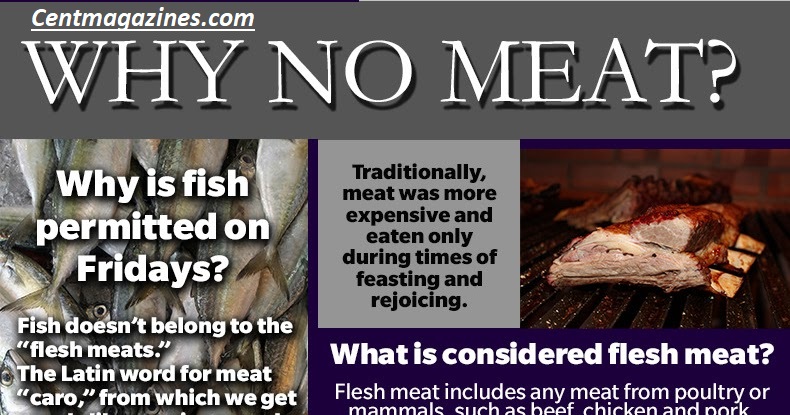
This is where the question “why no meat on Fridays” comes in. Historically, meat—especially from land animals—was considered a luxury.
Giving it up was a meaningful act of denial. The goal wasn’t about food itself, but about choosing something simple over something indulgent.
The fish on Friday meaning comes from this idea. Fish was seen as a basic, accessible food, not associated with feasting. So, Catholics replaced meat with fish as part of their religious fasting practices.
This tradition is especially important during Lent, following specific Lent fasting rules, but many Catholics continue it year-round.
Ultimately, it’s about mindfulness—making a small sacrifice to connect with a larger spiritual purpose.

Why Friday Is Important in Christianity
To fully understand why do Catholics eat fish on Friday, you need to understand why Friday itself matters.
In Christianity, Friday is significant because it is believed to be the day Jesus Christ was crucified. This event is central to Christian faith, representing sacrifice, redemption, and love.
Because of this, Friday became a weekly reminder of that sacrifice. The Church encouraged believers to observe religious fasting practices on this day as a way to stay spiritually connected.
This is the foundation of the Catholic Friday tradition.
The idea behind Friday abstinence rules is not punishment—it’s reflection. By giving up something enjoyable, like meat, Catholics are encouraged to think about deeper spiritual values.
This explains why no meat on Fridays became such a widespread and lasting practice.
Over time, this weekly observance became deeply embedded in Catholic life. Even today, during Lent, these practices are strictly followed under Lent fasting rules.
So, when asking about the fish on Friday meaning, it’s really about honoring a sacred day through small but meaningful acts of sacrifice and remembrance.
Why Fish Instead of Meat?
A common question is: why fish not meat? The answer lies in how different foods were viewed historically.
In the past, meat from animals like cows, pigs, and chickens was considered rich and celebratory. It was often served during feasts and special occasions.
Because of this, avoiding meat became a meaningful sacrifice under Friday abstinence rules.
Fish, on the other hand, was seen as a simpler, more everyday food. It wasn’t associated with luxury or celebration. This made it an acceptable alternative during religious fasting practices.
The fish on Friday meaning is not that fish is special—but that it’s less indulgent. By choosing fish, Catholics could still eat while honoring the idea of sacrifice.
This distinction explains why no meat on Fridays but fish is allowed. It’s about reducing comfort, not eliminating food entirely.
Today, even though food culture has changed and fish can sometimes be expensive, the tradition remains. It continues to symbolize humility, discipline, and respect for the Catholic Friday tradition.
The History of Friday Abstinence
The origins of Friday abstinence rules go back many centuries in Church history. Early Christians began practicing fasting as a way to imitate the sacrifice of Jesus Christ.
Over time, these religious fasting practices became more structured.
By the Middle Ages, the rule of why no meat on Fridays was firmly established across the Catholic Church.
It wasn’t just Fridays—many other fasting days existed throughout the year. However, Friday became the most consistent weekly observance.
During this time, the Catholic Friday tradition was strictly followed. Meat was avoided, and simple foods like fish became common. This is where the widespread habit of eating fish every Friday began.
The fish on Friday meaning also grew culturally. In some regions, it even influenced fishing industries and local economies.
In modern times, the rules have relaxed slightly. Outside of Lent, Catholics may choose another form of penance instead of abstaining from meat.
However, during Lent, the traditional Lent fasting rules still apply.
Understanding this history helps explain why fish not meat remains such a well-known and lasting practice.
Do Catholics Still Eat Fish on Fridays Today?
Yes—but it depends on the time of year and personal choice.
Today, the Catholic Friday tradition is still strongly observed during Lent.
According to Lent fasting rules, Catholics are required to abstain from meat on Fridays during this period. This keeps the tradition of why no meat on Fridays alive.
Outside of Lent, the rules are more flexible. In many countries, Catholics can choose a different form of penance instead of avoiding meat. However, many still choose to eat fish as a way to stay connected to tradition.
The fish on Friday meaning has also evolved. For some, it’s a religious practice. For others, it’s cultural or even habitual.
Even in modern times, the idea of why fish not meat continues to symbolize sacrifice and mindfulness. Whether strictly followed or adapted, the practice remains relevant.
So while not all Catholics eat fish every Friday anymore, the underlying principle—self-discipline through religious fasting practices—is still very much alive.
Common Myths Explained
There are many misunderstandings about why do Catholics eat fish on Friday. Let’s clear up a few:
Myth 1: Fish is required by the Bible
Not true. The Bible doesn’t specifically command eating fish. The practice comes from Church tradition and Friday abstinence rules.
Myth 2: Fish is considered “not meat” scientifically
This is partly true but mostly cultural. The rule of why no meat on Fridays is based on tradition, not biology.
Myth 3: All Catholics must follow it year-round
Today, strict adherence mainly applies during Lent under Lent fasting rules.
Myth 4: It’s only about food
Wrong. The fish on Friday meaning is about sacrifice, not diet.
Myth 5: It’s outdated and irrelevant
Many still follow it as part of meaningful religious fasting practices.
Understanding these myths helps clarify why fish not meat remains an important and symbolic part of the Catholic Friday tradition.
FAQ’s
Why do Catholics not eat meat on Fridays?
Because of Friday abstinence rules, which encourage sacrifice and remembrance of Jesus’ crucifixion.
Why is fish allowed during Lent?
Because it’s considered a simpler food, fitting within religious fasting practices.
Is eating fish mandatory every Friday?
Only during Lent under Lent fasting rules. Outside Lent, alternatives are allowed.
What is the fish on Friday meaning?
It symbolizes sacrifice, humility, and spiritual reflection.
Why fish not meat specifically?
Meat represents luxury, while fish aligns with simplicity and restraint.
Conclusion
So, why do Catholics eat fish on Friday? The answer goes far beyond food. It’s a tradition rooted in history, faith, and the desire to remember a meaningful moment in Christianity.
The practice began as part of religious fasting practices, evolving into the well-known Catholic Friday tradition we see today.
By following Friday abstinence rules, Catholics make a small but intentional sacrifice—choosing simplicity over indulgence.
Understanding why no meat on Fridays helps reveal the deeper purpose: reflection, discipline, and connection to faith.
The choice of fish is simply practical, answering the question of why fish not meat in a way that aligns with these values.
Even today, whether strictly followed or adapted, the fish on Friday meaning remains powerful. It’s a reminder that small actions can carry deep significance.
In a fast-paced world, traditions like this offer a moment to pause, reflect, and reconnect with something greater.
That’s the true reason this practice has endured for centuries—and why it continues to matter today.