
Why Do Cows Wear Bells? Cows wear bells, often called cowbells, mainly so farmers can easily locate them while they graze over large areas.
In places like Switzerland and mountainous regions, cows roam freely, and the sound of the bell helps track their movement without constant supervision.
Bells also help identify individual animals and prevent them from getting lost.
Traditionally, cowbells have cultural importance and are used in festivals and celebrations.
Overall, they are a simple, effective tool for managing livestock in open pastures.
Table of Contents
Quick Table
| Topic | Key Insight |
|---|---|
| Main Purpose | Tracking cattle in open grazing areas |
| Common Users | Farmers in alpine regions and rural pastures |
| Key Benefit | Easy herd identification and monitoring |
| Tradition | Strong cultural roots, especially in Switzerland |
| Animal Welfare | Mixed opinions; depends on bell size and usage |
| Modern Shift | GPS tracking replacing cowbells |
| Predator Control | Helps locate animals quick |
Why Do Cows Wear Bells?
Cows wear bells for several practical and traditional reasons that have been used by farmers for centuries.
Tracking and Location
The primary reason cows wear bells is so farmers can easily locate their animals.
When cows graze on large open pastures, hills, or forested areas, they can wander far out of sight.
The sound of the bell helps farmers track their herd without having to physically search for every animal.
Predator Awareness
The constant ringing of a bell can alert farmers when something is wrong.
If the bell suddenly stops or sounds unusual, it may indicate that a cow is in distress or has encountered a predator.
Herd Management
Often, the lead cow of a herd wears the largest bell. Other cows naturally follow the sound, making it easier to move and manage the entire herd together.
Cultural Tradition
In countries like Switzerland, Austria, and parts of Asia, cow bells are deeply rooted in cultural tradition and are considered symbols of rural farming heritage.
Preventing Straying
The bell also gives the cow itself a sense of the herd’s location, helping animals stay together naturally.
It is simple, effective, and timeless farming wisdom!

The Short Answer
Cows wear bells primarily so farmers can easily locate and track them while they are grazing in open pastures.
The sound of cowbells helps identify the position of individual animals within a herd, especially in large or mountainous areas where visibility is limited.
This practice is common in livestock farming, particularly in alpine regions like Switzerland, where cows roam freely over vast landscapes.
Beyond tracking cattle, bells also play a role in herd management, helping farmers distinguish between animals and maintain control over grazing patterns.
In some cases, the sound of bells may even deter predators or alert farmers to unusual movement within the herd.
While the tradition of using cowbells dates back centuries, modern technology like GPS tracking is gradually replacing them in some areas.
However, the use of cowbells is not purely practical. In many cultures, especially in Europe, they are also a symbol of tradition and rural identity.
Festivals, ceremonies, and seasonal cattle movements often feature decorated bells, highlighting their cultural importance.

5–7 Reasons Why Cows Wear Bells
There are several practical and cultural reasons why cowbells are used in livestock farming:
1. Tracking Cattle
The primary reason is tracking cattle. When cows are grazing across large pastures or mountainous terrain, the sound of bells allows farmers to locate them without constant visual contact.
2. Herd Management
Cowbells help manage the herd more efficiently. Farmers can monitor movement patterns and ensure animals stay together.
3. Identification
Each bell may produce a slightly different sound, making identification easier for farmers who know their herd well.
4. Grazing Control
The sound helps farmers understand grazing behavior and detect when cows move into restricted areas.
5. Predator Awareness
In some cases, the noise may alert predators or help farmers respond quickly if a cow is in danger.
6. Tradition and Culture
In countries like Switzerland, cowbells are deeply tied to tradition and are used during festivals and seasonal cattle drives.
7. Navigation in Low Visibility
In foggy or forested alpine regions, bells act as an audio signal when visibility is poor.
History of Cowbells
The use of cowbells dates back thousands of years and is closely linked to the development of livestock farming.
Early farmers needed a reliable way to monitor their animals while they grazed freely. Bells provided a simple yet effective solution.
In ancient pastoral societies, bells were often made from wood or iron and attached to animals like cows, sheep, and goats.
Over time, metalworking techniques improved, leading to more durable and resonant cowbells.
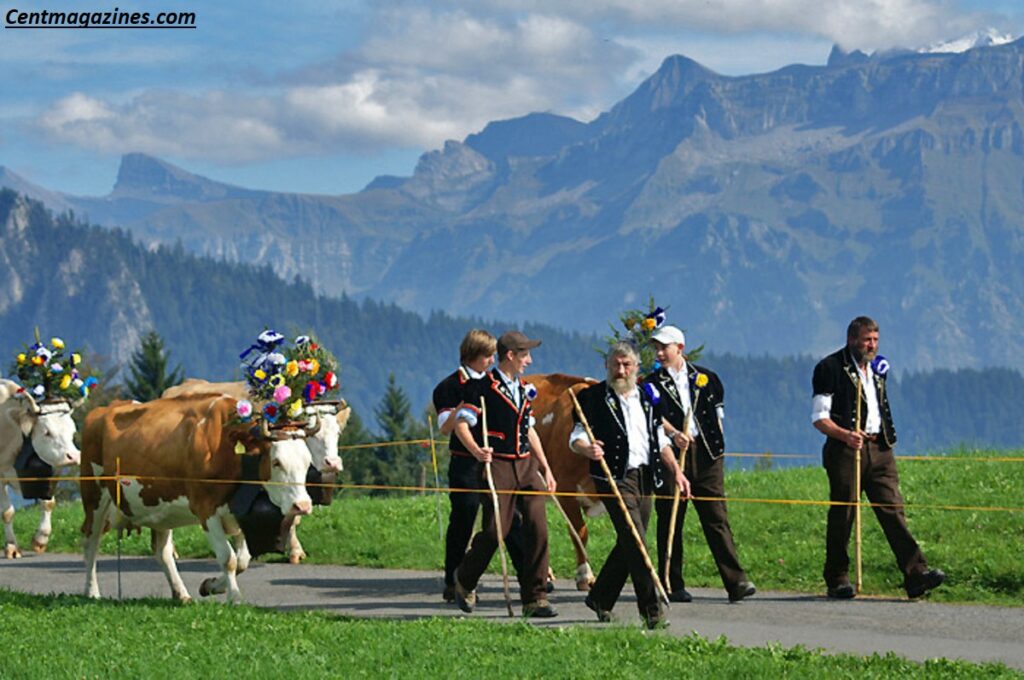
In Europe, especially in alpine regions, cowbells became an essential part of farming culture.
Countries like Switzerland developed unique styles of bells, often decorated and passed down through generations.
These bells were not only functional but also symbolic, representing prosperity and pride in livestock ownership.
During seasonal migrations, known as transhumance, farmers moved their herds between summer and winter pastures.
Bells played a crucial role in keeping track of animals during these long journeys.
Today, while modern technology offers new solutions, cowbells remain an iconic symbol of traditional farming and rural life.
Do Cow Bells Hurt Cows?
This is one of the most debated questions in animal welfare. The answer is: it depends.
Potential Concerns:
- Noise Levels: Continuous ringing close to a cow’s ears may cause stress or discomfort.
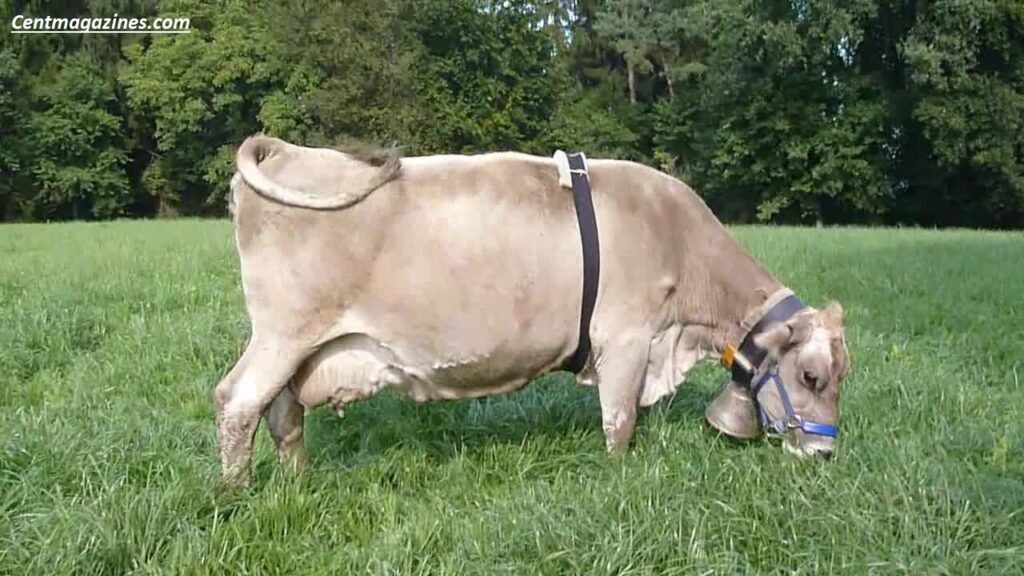
- Weight: Heavy bells can strain the animal’s neck over time.
- Behavior Changes: Some studies suggest cows may alter their natural grazing patterns due to constant noise.
When They Are Safe:
- Properly sized and lightweight bells minimize discomfort.
- Limited usage reduces long-term impact.
- Many farmers ensure bells are only used when necessary.
Modern livestock management focuses more on animal welfare, so there is increasing awareness about the effects of cowbells. In some regions, regulations or guidelines help ensure ethical use.
Do Cows Like Bells?
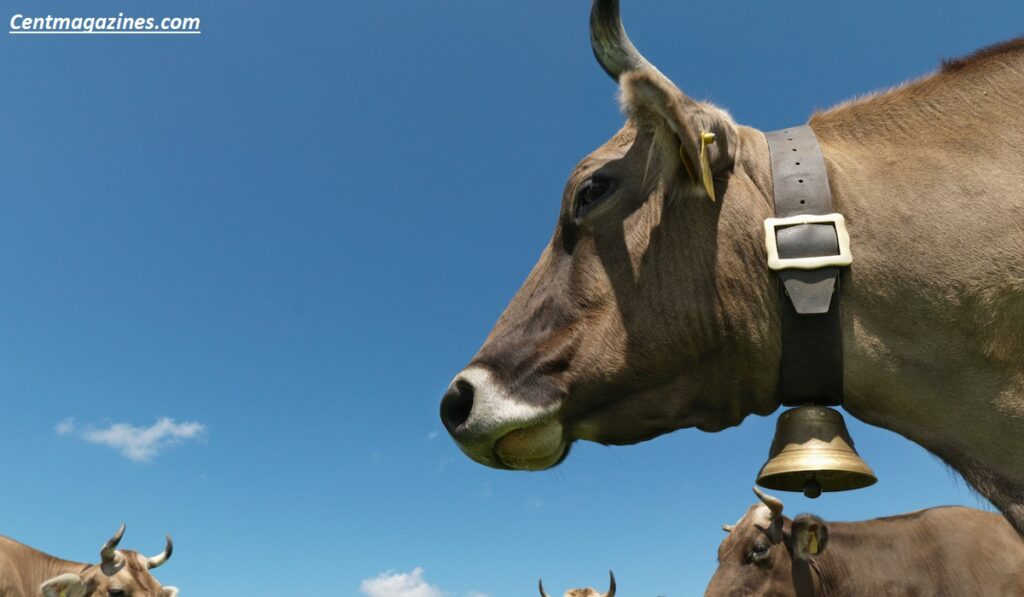
Cows do not “like” bells in the way humans enjoy objects, but they can become accustomed to them.
Key Points:
- Cows are adaptable animals and can get used to wearing bells over time.
- Initially, some cows may show signs of discomfort or curiosity.
- Over time, the sound becomes part of their environment.
However, not all cows react the same way. Some may remain sensitive to noise, while others ignore it completely.
From an animal behavior perspective, the goal is not whether cows like bells, but whether the bells negatively affect their well-being.
This is why modern farmers are becoming more cautious about their use.

Why Swiss Cows Wear Bells
Switzerland is one of the most famous places where cowbells are used, especially in alpine regions.
Reasons:
1. Mountain Grazing
Swiss cows often graze in vast mountainous areas where tracking cattle visually is difficult.
2. Strong Tradition
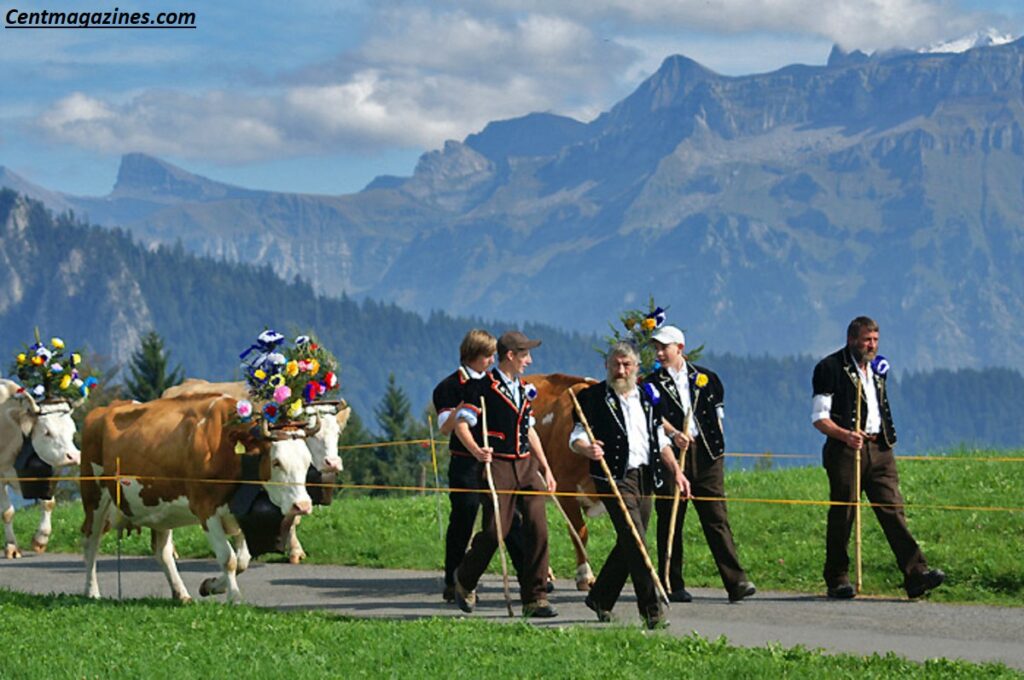
Cowbells are deeply rooted in Swiss culture. They are used during festivals, parades, and seasonal cattle movements.
3. Identification
Farmers can recognize individual animals by the sound of their bells.
4. Tourism and Heritage
Cowbells have become a symbol of Switzerland and attract tourists interested in rural traditions.
In events like cattle drives, cows are often decorated with large, ornate bells, showcasing both tradition and pride.
Modern Alternatives (GPS)
With advancements in technology, many farmers are now using GPS tracking systems instead of traditional cowbells.
Advantages of GPS:
- Real-time tracking of livestock
- No noise-related stress
- Accurate location data
- Alerts for unusual behavior
Comparison Table:
| Feature | Cowbells | GPS Tracking |
|---|---|---|
| Cost | Low | Higher |
| Accuracy | Limited | Very high |
| Animal Comfort | Moderate | High |
| Tradition | Strong | None |
| Maintenance | Minimal | Requires tech support |
Why Cowbells Are Still Used:
- Cost-effective
- No need for batteries or devices
- Cultural significance
The future of livestock management is likely to combine both traditional and modern methods.
FAQs
Why do cows wear bells in pastures?
To help farmers track cattle and manage the herd during grazing.
Do cowbells scare predators?
Not always, but they can help farmers respond quickly.
Are cowbells still used today?
Yes, especially in traditional farming and alpine regions.
What animals besides cows wear bells?
Sheep, goats, and other livestock often wear bells.
Are cowbells necessary?
Not always—modern GPS systems can replace them.
Conclusion
Cowbells may seem simple, but they play a significant role in livestock farming.
From helping farmers track cattle across vast pastures to supporting herd management and identification, their practical benefits are clear.
At the same time, cowbells carry deep cultural meaning, especially in alpine regions like Switzerland, where they symbolize tradition and rural life.
However, as awareness of animal welfare grows, questions about whether cowbells harm cows have become more important.
While they can be safe when used correctly, modern alternatives like GPS tracking offer quieter and more precise solutions.
The “surprising truth” is that cowbells are not just about tradition—they are a blend of practicality, history, and evolving technology.
As farming continues to modernize, the balance between tradition and innovation will shape how livestock is managed in the future.
Whether used for tracking cattle, maintaining herd control, or celebrating cultural heritage, cowbells remain an enduring symbol of agriculture and human connection to animals.