Why No Dairy After Dental Implant? Dental implant recovery comes with many rules—but one of the most confusing is avoiding dairy.
You may wonder: Is dairy really harmful, or is it just a precaution?
The truth is more nuanced than most articles explain.
Some dentists recommend avoiding milk, yogurt, and cheese right after surgery, while others say it’s not strictly necessary.
This guide uncovers the real science, hidden risks, myths, and best practices so you can protect your healing process, prevent infection, and ensure smooth oral surgery healing.
Table of Contents
Quick Table
| Topic | Key Insight |
|---|---|
| Why avoid dairy | May increase bacteria growth and inflammation |
| Main risk | Infection risk at surgical site |
| Critical period | First 24–72 hours |
| Blood clot importance | Essential for proper healing process |
| Medication concern | Possible antibiotics interaction |
| Safe reintroduction | After 3–5 days (if healing is stable) |
| Best alternatives | Soft foods after dental implant |
| Verdict | Avoid early, reintroduce carefully |
What Happens After Dental Implant Surgery
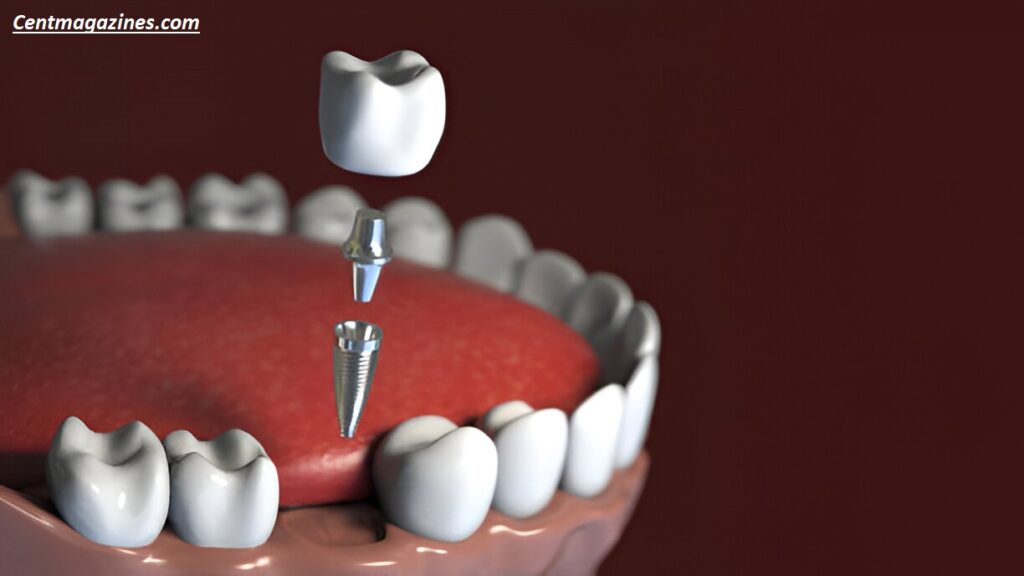
After a dental implant procedure, your body begins a delicate healing process. The implant is placed into the jawbone, and the surrounding tissue starts repairing itself.
A blood clot forms at the surgical site, which is essential for proper gum healing and protection against infection. Over time, a process called osseointegration occurs, where the implant fuses with the bone.
During this phase of dental implant recovery, your mouth is highly sensitive. Any irritation, bacteria growth, or disruption can slow oral surgery healing.
That’s why your post-surgery diet and implant aftercare play a crucial role.
Why Avoid Dair
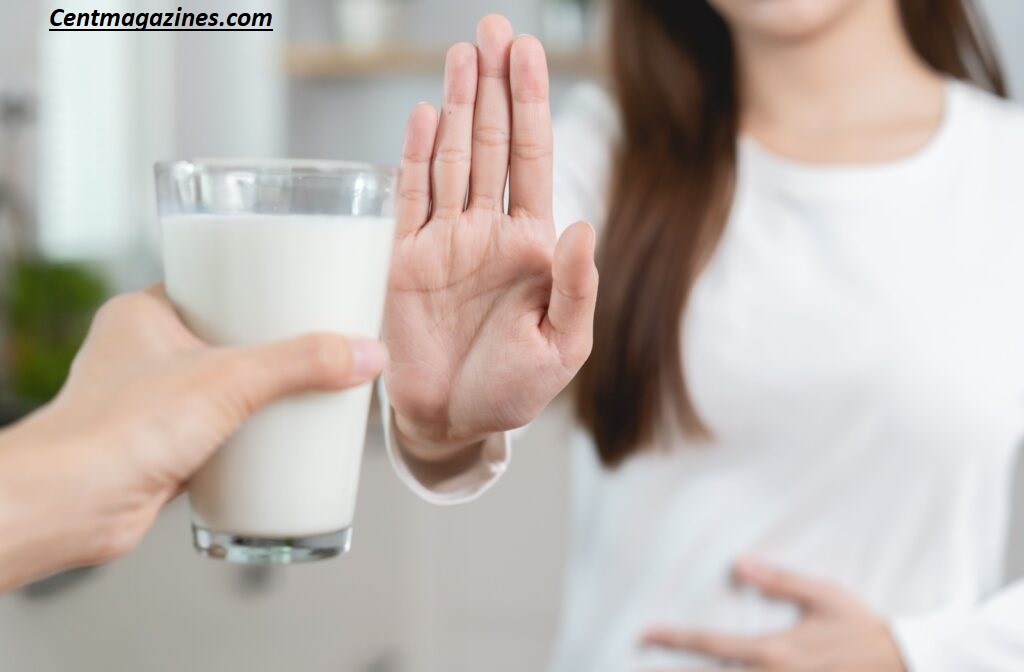
Avoiding dairy after implant surgery is often recommended to reduce complications during early dental implant recovery.
Dairy products like milk, cheese, and yogurt can sometimes contribute to bacteria growth, especially near the surgical site.
They may also increase inflammation or create a coating that interferes with proper gum healing. Additionally, dairy may not pair well with certain medications, leading to potential antibiotics interaction.
Since the healing process is fragile in the first few days, even small risks can impact results.
While not always strictly prohibited, limiting dairy supports smoother oral surgery healing and reduces overall infection risk.
Infection Risk
One of the biggest concerns after dental implant surgery is infection risk. The surgical site is essentially an open wound, making it vulnerable to bacteria.
Dairy products can sometimes carry or promote bacteria growth, especially if oral hygiene is not maintained properly.
When bacteria accumulate, they can interfere with the healing process and delay gum healing. In severe cases, infection may affect osseointegration, causing implant failure.
This is why many dentists recommend avoiding certain foods, including dairy, as part of strict implant aftercare.
Reducing risk during early dental implant recovery is always the safest approach.
Bacteria Growth
Dairy products may encourage bacteria growth in the mouth under certain conditions. After surgery, your mouth becomes more sensitive, and the surgical site can trap food particles easily.
Milk-based products sometimes leave a thin residue, which can create an environment where bacteria thrive.
This increases the chances of complications during oral surgery healing. When bacteria multiply, they can slow the healing process and lead to irritation or infection.
Maintaining a clean environment is crucial during dental implant recovery, and avoiding dairy temporarily can help reduce bacterial exposure and protect the surgical site.
Blood Clot Issues
A stable blood clot is critical after dental implant surgery. It protects the surgical site and supports the initial stage of the healing process.
Certain foods, including dairy, may interfere indirectly by causing discomfort or triggering reactions like nausea, which could disturb the clot.
If the clot is dislodged, it can delay oral surgery healing and increase infection risk. This condition is similar to complications seen in other dental procedures.
Protecting the clot ensures proper gum healing and supports successful osseointegration. That’s why careful implant aftercare and food choices are essential.
Medication Interaction
After implant surgery, dentists often prescribe antibiotics or pain medications.
Dairy products can sometimes interfere with these medications, leading to reduced effectiveness—this is known as antibiotics interaction.
For example, calcium in milk may affect how certain antibiotics are absorbed in the body. This can slow the healing process and increase infection risk if the medication doesn’t work properly.
During dental implant recovery, it’s important to follow all dietary guidelines to ensure medications perform as intended.
Avoiding dairy for a short period can help prevent complications and support smoother oral surgery healing.
Inflammation
Inflammation is a natural part of the healing process, but excessive inflammation can delay recovery. Some individuals may experience increased inflammation after consuming dairy products.
This can irritate the surgical site and slow gum healing. Since the area around the implant is already sensitive, minimizing triggers is important during dental implant recovery.
Increased swelling may also lead to discomfort and prolong oral surgery healing. By avoiding dairy temporarily, you reduce potential irritation and give your body the best chance to heal efficiently.
Proper implant aftercare always focuses on reducing unnecessary stress on the surgical site.
Is It Really Necessary?
So, is avoiding dairy truly necessary after a dental implant? The answer is not entirely black and white.
There is no universal rule that completely bans dairy, but many dentists recommend avoiding it during the early stages of dental implant recovery as a precaution.
From a scientific standpoint, the risks—such as bacteria growth, inflammation, and possible antibiotics interaction—are real but not guaranteed.
Some people may consume dairy without any issues, while others may experience irritation or delayed oral surgery healing. This is why dental advice often varies.
The most important factor is protecting the healing process. Since the surgical site is vulnerable, even small risks can affect gum healing and osseointegration.
Avoiding dairy for a few days reduces these risks and supports better outcomes.
In short, it’s not that dairy is inherently dangerous—it’s that your mouth is in a fragile state. Playing it safe during early implant aftercare ensures that your dental implant heals properly without complications.
When Can You Eat Dairy Again
Most patients can safely reintroduce dairy within 3 to 5 days after surgery, depending on how well the healing process is progressing.
The first 24–72 hours are the most critical for dental implant recovery, as this is when the blood clot stabilizes and gum healing begins.
If there are no signs of infection risk, excessive swelling, or discomfort, you may gradually include soft dairy products like yogurt.
However, it’s best to start slowly and observe how your body reacts.
Your dentist’s advice should always take priority, as each case is different. Factors like overall health, the complexity of the procedure, and how well you follow implant aftercare guidelines can influence recovery speed.
Even after reintroducing dairy, continue to avoid hard, sticky, or overly cold foods that may disrupt osseointegration.
Maintaining a balanced post-surgery diet with proper nutrition is key to successful oral surgery healing.
In summary, dairy can return to your diet—but timing and moderation are essential for a smooth recovery.
Why No Dairy After Dental Implant?
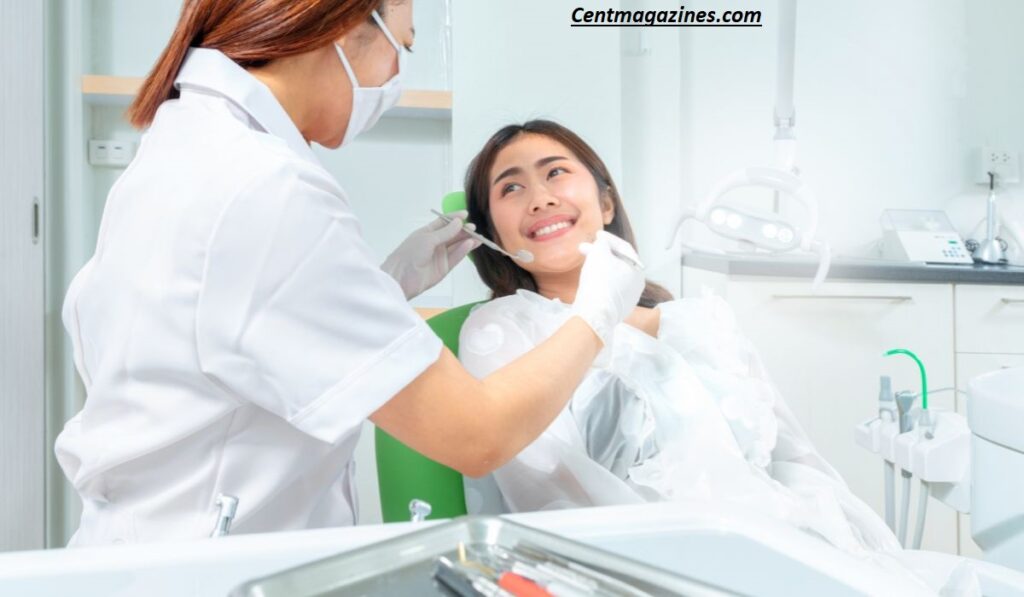
After getting a dental implant, your dentist likely told you to avoid dairy products for a period of time. Here’s why:
Risk of Infection
Dairy products like milk, yogurt, and cheese contain bacteria that can naturally ferment.
In the mouth — especially near a fresh surgical wound — these bacteria can increase the risk of infection at the implant site.
Nausea from Anesthesia
Most dental implant procedures involve local anesthesia or sedation.
Dairy products can trigger nausea and vomiting when consumed shortly after anesthesia, which can be uncomfortable and disruptive to healing.
Disruption of Blood Clot
Vomiting caused by dairy (post-anesthesia) can dislodge the blood clot forming at the surgical site — similar to the “dry socket” concern after tooth extraction — slowing healing.
Bacterial Environment
Dairy can alter the oral microbiome, potentially promoting the growth of harmful bacteria around the implant wound before it has properly sealed.
Interference with Osseointegration
Some dental professionals believe certain dairy proteins may subtly interfere with the early healing process, though this is more cautionary than strongly evidenced.
What To Eat Instead
Choosing the right foods is essential during dental implant recovery. Instead of dairy, focus on soft foods after dental implant that are gentle on the surgical site and support the healing process.
Recommended Foods
| Food Type | Examples |
|---|---|
| Soft fruits | Bananas, applesauce |
| Cooked vegetables | Mashed potatoes, carrots |
| Protein sources | Scrambled eggs, soft tofu |
| Grains | Oatmeal, soft rice |
| Hydration | Water, herbal tea |
These options minimize bacteria growth and reduce irritation, helping improve oral surgery healing and gum healing.Foods to Avoid After Dental Implant
| Avoid | Reason |
|---|---|
| Hard foods | Can damage surgical site |
| Sticky foods | May dislodge blood clot |
| Spicy foods | Increase inflammation |
| Acidic foods | Irritate tissues |
| Dairy (initially) | Possible infection risk |
A proper post-surgery diet plays a major role in implant aftercare. Eating the right foods ensures better healing, reduces discomfort, and supports successful osseointegration.
FAQs
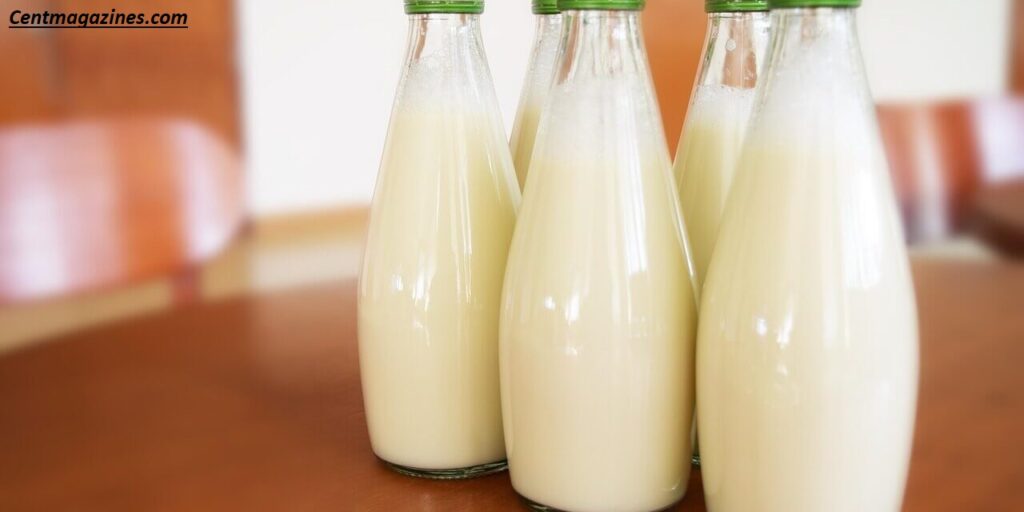
Can I drink milk after dental implant surgery?
It’s best to avoid milk for the first 24–72 hours to reduce infection risk and support healing.
Is yogurt safe after dental implant?
Yogurt may be reintroduced after a few days if healing is stable.
Why do dentists recommend no dairy?
To reduce bacteria growth, inflammation, and possible antibiotics interaction.
What happens if I eat dairy too soon?
You may increase irritation or slow the healing process.
What are the best foods after dental implant?
Soft, non-irritating foods that support oral surgery healing.
Conclusion
The advice to avoid dairy after dental implant surgery is not a strict rule—but it is a smart precaution.
During the early stages of dental implant recovery, your mouth is highly sensitive, and the healing process depends on protecting the surgical site.
Factors like bacteria growth, inflammation, and potential antibiotics interaction can interfere with proper gum healing and increase infection risk.
While some people may tolerate dairy without issues, avoiding it for the first few days supports smoother oral surgery healing and reduces complications.
The key is understanding that your body needs time to stabilize the blood clot and begin osseointegration.
Following proper implant aftercare, including a balanced post-surgery diet, ensures long-term success.
Focus on soft foods after dental implant, stay hydrated, and follow your dentist’s recommendations closely.
In the end, dairy isn’t the enemy—but timing matters. By making careful food choices during recovery, you give your dental implant the best chance to heal properly and last for years to come.