
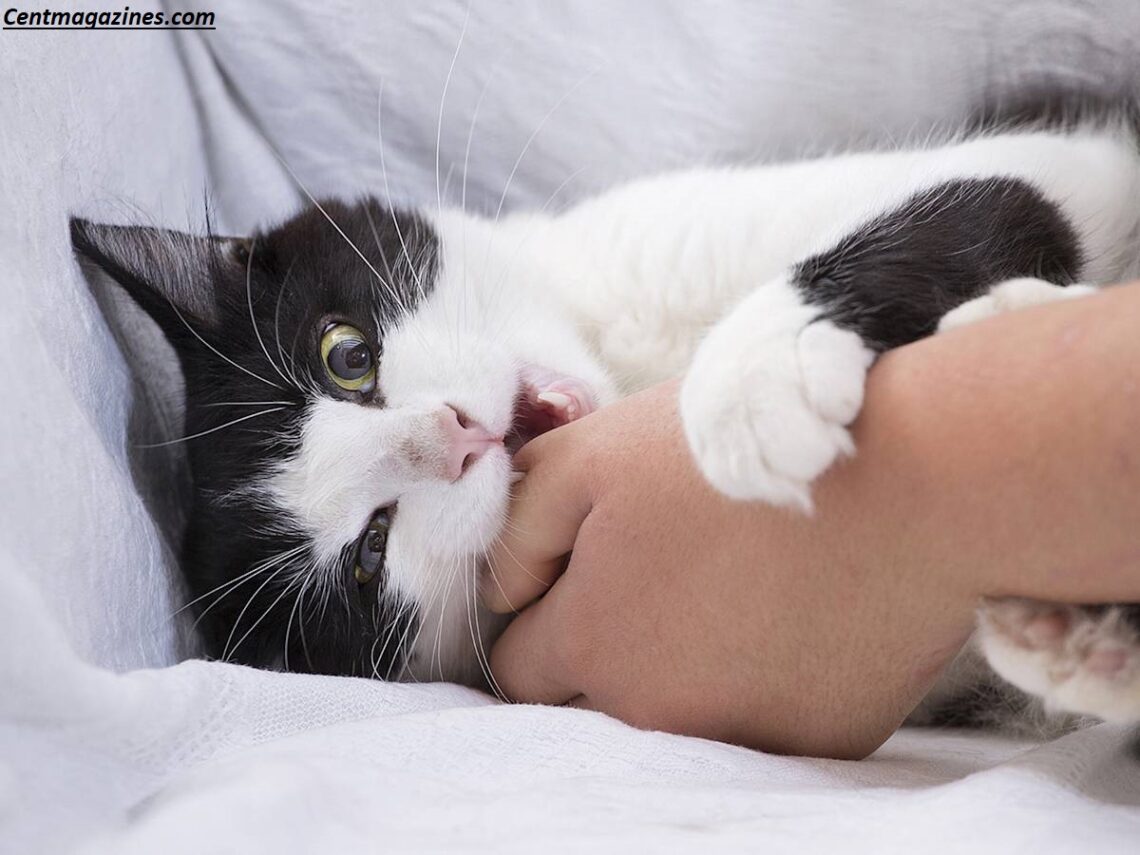
Why Does My Cat Bite Me? Cats bite for several reasons, and it’s usually a form of communication. Sometimes, a cat bites during play when it gets overstimulated or excited.
Other times, it may be a warning sign—your cat might feel scared, annoyed, or wants you to stop petting it. Sudden bites can also happen if the cat is in pain or stressed.
Kittens often bite while teething or learning boundaries. Pay attention to body language like tail flicking or flattened ears.
To prevent bites, avoid rough play, respect your cat’s limits, and use toys instead of hands during playtime.
Table of Contents
Quick Table
| Reason | What It Means | Common Signs | What To Do |
|---|---|---|---|
| Overstimulation | Too much petting overwhelms your cat | Tail flicking, sudden bite | Stop before threshold |
| Love Bites | Affectionate nibbling | Purring + gentle bite | Redirect gently |
| Play Aggression | Hunting instinct kicks in | Pouncing, chasing hands | Use toys instead |
| Fear or Anxiety | Defensive reaction | Hissing, hiding | Reduce stress triggers |
| Pain or Illness | Physical discomfort | Sudden aggression | Vet check needed |
| Attention-Seeking | Wants interaction | Biting then staring | Reward calm behavior |
| Territorial Instinct | Protecting space | Guarding areas | Respect boundaries |
Why Does My Cat Bite Me?
If you’ve ever wondered, “why does my cat bite me?”, you’re not alone. This is one of the most common concerns among cat owners.
The truth is, cat biting behavior is rarely random. Cats don’t bite “for no reason”—they’re actually communicating something important.
Unlike humans, cats rely heavily on body language and instinctive behavior. A bite can mean anything from affection to discomfort, depending on the situation.
For example, some cats bite during petting because of overstimulation in cats, while others may react due to fear, anxiety, or stress.
Understanding why cats bite during petting or play is crucial.
It helps you distinguish between harmless behaviors like love bites and more serious issues like cat aggression signs linked to pain or territorial behavior.
Many top-ranking articles stop at listing reasons. But here’s the gap: they don’t fully explain how to read your cat’s signals in real-time or connect behavior with emotional and physical triggers.
In this guide, you’ll not only learn the 7 surprising reasons your cat bites, but also how to interpret their feline behavior, prevent unwanted bites, and build a stronger bond with your pet.
Overstimulation
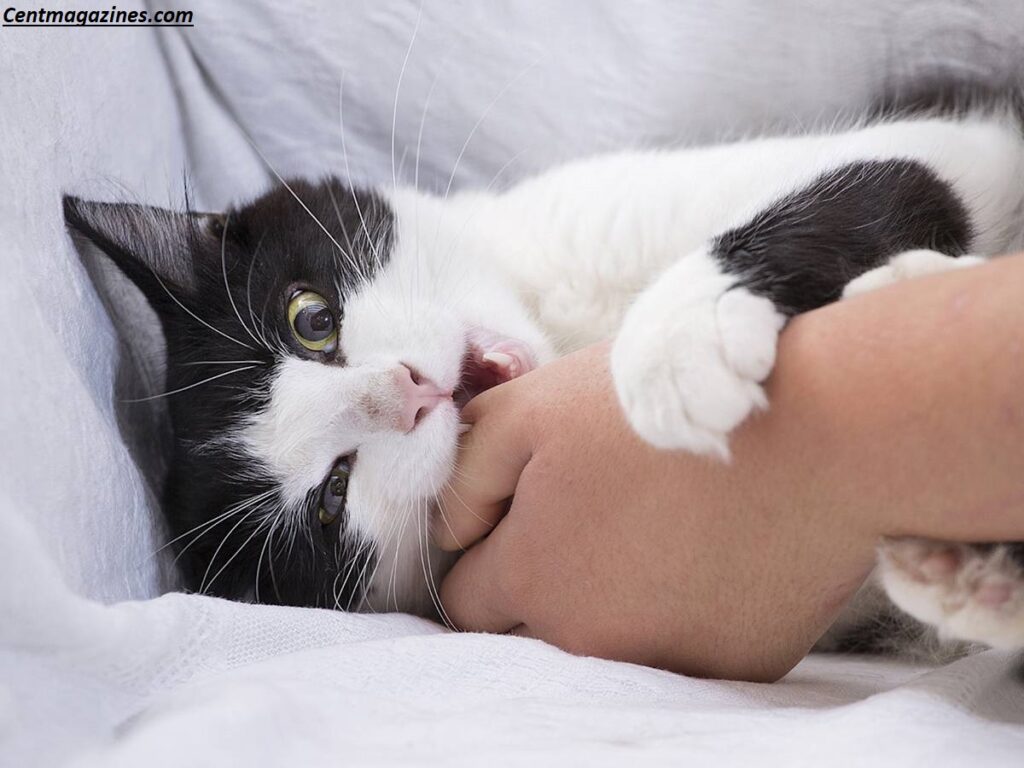
One of the most common answers to “why does my cat bite me?” is overstimulation in cats. Cats enjoy petting—but only up to a certain point.
Unlike dogs, cats have a low tolerance for repetitive touch, especially in sensitive areas like their belly or tail.
When petting continues beyond their comfort level, their nervous system becomes overwhelmed. This leads to a sudden bite as a way to say: “That’s enough.”
Signs of overstimulation:
- Tail flicking or whipping
- Flattened ears
- Dilated pupils
- Skin rippling along the back
- Sudden shift from purring to biting
This is a key part of cat biting behavior that many owners misunderstand. They assume the cat is enjoying the interaction because it’s purring—when in fact, overstimulation is building.
Why this matters:
Ignoring these signals can lead to repeated biting habits. Over time, your cat may skip warning signs altogether and go straight to biting.
What to do:
- Watch for early cat aggression signs
- Keep petting sessions short
- Focus on safe areas like under the chin
Understanding overstimulation fills a major gap left by competitors—because timing is everything when preventing bites.
Love Bites
Not all bites are aggressive. Sometimes, your cat bites you as a sign of affection—these are called love bites.
This behavior is rooted in kittenhood. Kittens gently nibble each other while playing or bonding. As adults, some cats carry this behavior into interactions with humans.
How to Recognition love bites:
- Gentle pressure (not painful)
- Accompanied by purring
- Relaxed body posture
- No warning signs like hissing
This explains why many people ask:
“Why does my cat bite me gently then lick me?”
It’s actually a mix of grooming and bonding behavior.
The hidden insight:
Competitors often mention love bites—but miss the connection to social bonding and feline communication.
Important distinction:
- Love bites = controlled and gentle
- Aggressive bites = sudden, forceful, and defensive
What to do:
- Don’t punish your cat
- Redirect with a toy if needed
- Avoid encouraging hand play
Love bites are normal, but they should still be managed to prevent escalation into play aggression in cats.
Play Aggression
Play aggression in cats happens when your cat treats your hands like prey. This is especially common in kittens or highly energetic cats.
Cats are natural hunters. When they don’t get enough stimulation, they turn to whatever moves—including your fingers.
Signs:
- Stalking your hands or feet
- Pouncing suddenly
- Biting during play
This is often mistaken for bad behavior, but it’s actually misdirected hunting instinct.
Why it happens:
- Lack of toys
- Too much hand play
- Built-up energy
Fix:
- Use interactive toys (wand toys, laser pointers)
- Avoid using hands as toys
Fear or Anxiety
Another major reason behind cat biting behavior is fear or anxiety.
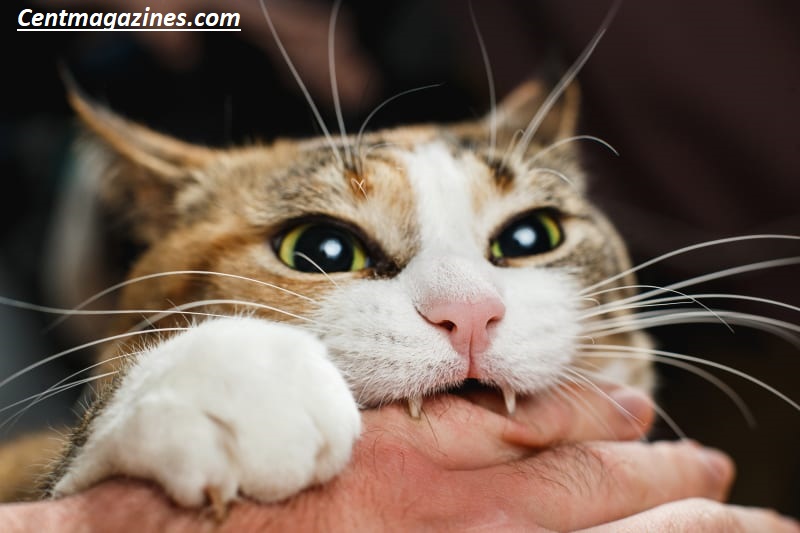
When a cat feels threatened, biting becomes a defensive reaction. This is not aggression—it’s survival instinct.
Common triggers:
- Loud noises
- New environments
- Strangers
- Sudden movements
Signs of fear-based biting:
- Hissing or growling
- Hiding
- Flattened ears
- Tense body posture
Fear-based bites are often stronger and more sudden.
What to do:
- Identify stress triggers
- Create a safe, quiet space
- Avoid forcing interaction
Addressing stress and anxiety is crucial for reducing unwanted bites.
Pain or Illness
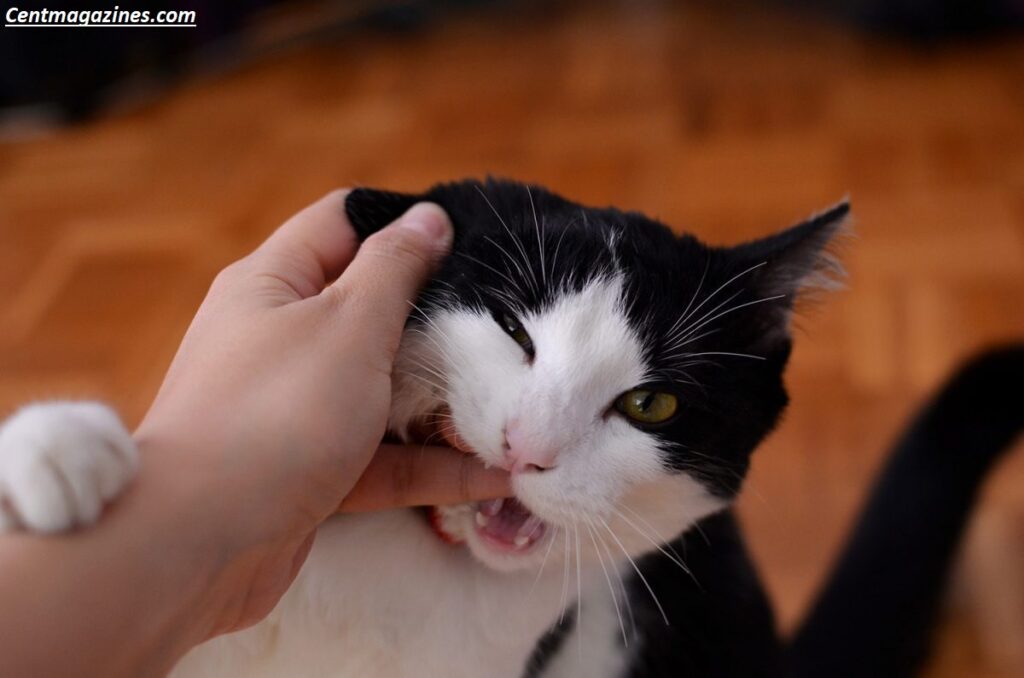
Sometimes, the answer to “why does my cat bite me?” is pain in cats.
If your normally friendly cat suddenly becomes aggressive, it could be due to medical issues or illness signs.
Warning signs:
- Sudden change in behavior
- Biting when touched in specific areas
- Reduced activity
- Loss of appetite
Cats instinctively hide pain, so biting may be one of the first visible signs.
Common causes:
- Injury
- Dental problems
- Arthritis
What to do:
- Schedule a vet visit immediately
- Avoid touching sensitive areas
This is one of the most overlooked content gaps—many articles don’t emphasize the seriousness of pain-related aggression.
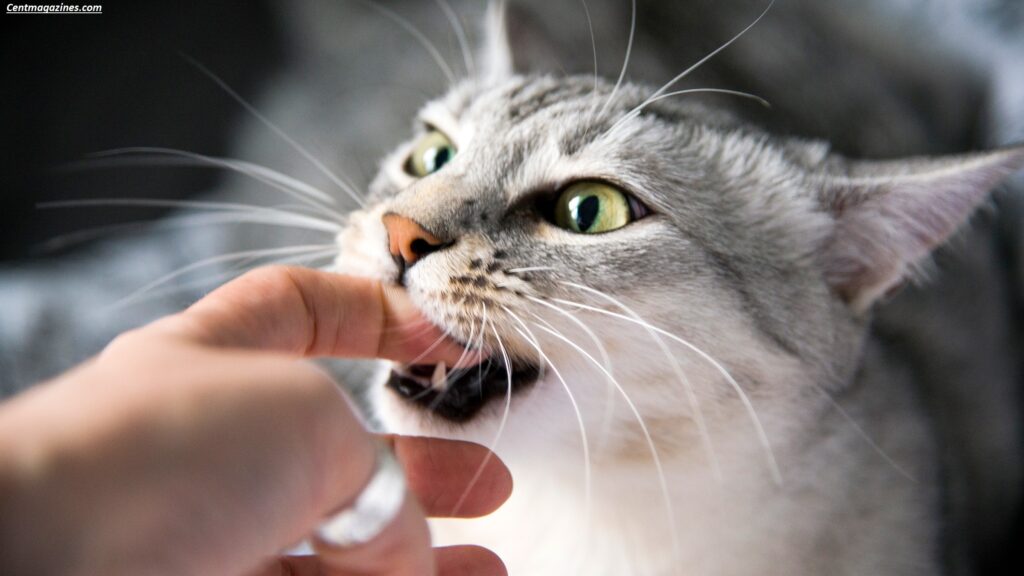
Attention-Seeking Behavior
Yes—your cat might bite you simply because it wants attention.
This type of cat biting behavior happens when your cat learns that biting gets a reaction.
Signs:
- Biting followed by staring
- Biting during boredom
- Biting when you ignore them
Why it works:
Even negative attention reinforces behavior.
Solution:
- Reward calm behavior
- Ignore attention-seeking bites
- Provide regular playtime
Territorial Instinct
Cats are naturally territorial animals. Territorial behavior can lead to biting when they feel their space is threatened.
Triggers:
- New pets
- Guests
- Changes in environment
Signs:
- Guarding areas
- Marking territory
- Aggressive posture
What to do:
- Respect your cat’s space
- Introduce changes gradually
How to Tell WHY Your Cat Is Biting
Understanding the reason behind cat biting behavior requires observing your cat’s body language.
Key signals to watch:
- Tail flicking → irritation or overstimulation
- Dilated pupils → excitement or fear
- Flattened ears → aggression or anxiety
- Purring + biting → possible overstimulation or love bite
Context matters:
Ask yourself:
- Were you petting your cat? → likely overstimulation
- Playing? → play aggression
- Touching a sensitive area? → pain in cats
- New environment? → stress or anxiety
Pro tip:
Most cats give warning signs before biting. The problem is, many owners don’t recognize them.
Learning to read these signals bridges a major gap in competitor content—because prevention starts before the bite happens.
How to Stop Your Cat from Biting
Stopping cat aggression signs requires a mix of understanding, training, and consistency.
Step-by-step solution:
- Identify the trigger
Is it overstimulation, fear, or play? - Redirect behavior
Use toys instead of hands - Avoid punishment
It increases anxiety and stress - Reward good behavior
Positive reinforcement works best - Create routine
Regular feeding and play reduce stress - Limit overstimulation
Stop petting before signs appear
What NOT to do:
- Don’t hit or yell
- Don’t use your hands as toys
Consistency is key. Over time, your cat will learn safer ways to interact.
When You Should Be Concerned
Not all bites are harmless. Some situations require immediate attention.
Warning signs:
- Sudden increase in aggression
- Deep or frequent bites
- Signs of pain in cats
- Behavioral changes
Possible causes:
- Hidden medical issues
- Severe anxiety
- Trauma
When to act:
- If bites break skin regularly
- If behavior changes overnight
- If your cat shows illness signs
Consult a veterinarian or animal behaviorist if needed.
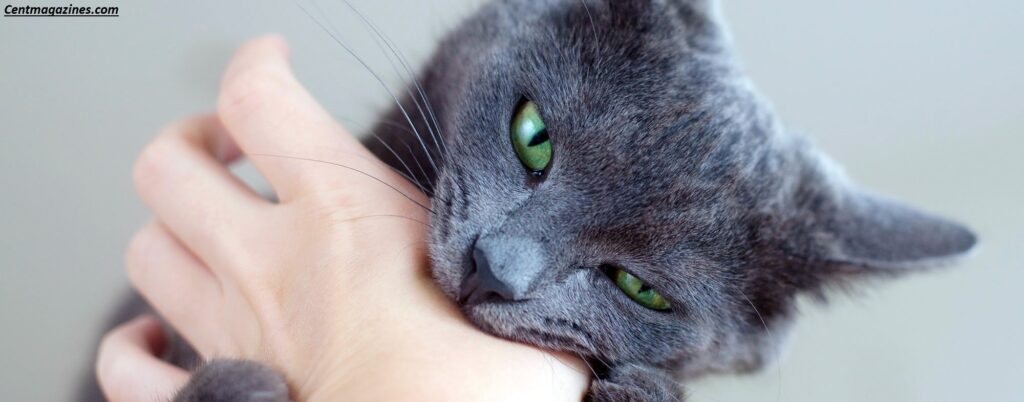
Ignoring serious cat aggression signs can make the problem worse over time.
FAQs
Why does my cat bite me when I pet him?
Usually due to overstimulation in cats or sensitivity to touch.
Why does my cat bite me gently?
These are often love bites, a form of affection.
Why does my cat bite me for no reason?
There’s always a reason—often subtle stress, fear, or body language signals.
Is cat biting normal?
Yes, but frequent or aggressive biting needs attention.
How do I stop my cat from biting me?
Identify triggers, redirect behavior, and use positive reinforcement.
Conclusion
So, why does my cat bite me? The answer isn’t simple—but it is understandable.
From overstimulation in cats to play aggression, fear, anxiety, territorial behavior, and even pain in cats, every bite has a reason behind it.
Your cat isn’t being “bad”—it’s communicating in the only way it knows how.
The biggest mistake many owners make is ignoring early cat aggression signs like tail flicking, ear flattening, or changes in body language.
Learning to recognize these signals gives you the power to prevent bites before they happen.
What sets this guide apart is its focus on real understanding—not just listing reasons, but connecting behavior with emotional and physical triggers. Whether it’s why cats bite during petting or how to manage attention-seeking behavior, you now have the tools to respond effectively.
With patience, consistency, and awareness, you can reduce unwanted biting and build a stronger, more trusting relationship with your cat.