
Why Do Car Seats Expire? Car seats are one of the most important safety tools for protecting children in vehicles, yet many parents are surprised to learn that they come with an expiration date.
Unlike food or medicine, the idea of a durable product “expiring” can feel confusing or even unnecessary.
However, this expiration is rooted in science, engineering, and evolving safety regulations—not marketing tactics.
Child restraint systems are carefully designed to perform under extreme stress during a collision.
Over time, the materials used in these seats—such as plastic shells, foam padding, and harness systems—can degrade due to environmental exposure, including heat, sunlight, and humidity.
In regions with high temperatures like Pakistan, this degradation can happen faster, making expiration even more relevant.
Table of Contents
Quick Table
| Factor | Key Insight |
|---|---|
| Average Lifespan | 6–10 years |
| Main Reason for Expiry | Material degradation |
| Safety Concern | Reduced crash protection |
| Legal Status | Varies by region |
| Replacement Cost | $50–$300+ |
| High-Risk Conditions | Heat, UV exposure, crashes |
Why Do Car Seats Expire?
Car seats expire primarily because their ability to protect a child diminishes over time. This is due to a combination of physical wear, environmental exposure, and advancements in safety standards.
First, materials degrade. Most car seats are made from high-impact plastics, foam, and fabric. Over time, these materials weaken.
Heat and UV rays can make plastic brittle, while moisture and repeated use can wear down straps and padding. In hot climates like Karachi, these effects are amplified, reducing the seat’s structural integrity.
Second, safety technology evolves. Crash testing and research continuously improve child safety.
Standards introduced by organizations such as the European New Car Assessment Programme have led to better side-impact protection and improved harness systems. Older seats may not include these enhancements, putting children at greater risk.
Third, manufacturers set expiration dates based on testing limits. Car seats are rigorously tested for durability over a defined period—typically up to 10 years. Beyond this, their performance in a crash becomes unpredictable.
Fourth, wear and tear plays a significant role. Daily use can lead to frayed straps, weakened buckles, and minor cracks that aren’t always visible but can compromise safety.
Finally, recalls and product tracking become harder over time. Older models may have been recalled for defects, and without proper tracking, parents may unknowingly use unsafe seats.
In short, car seat expiration is about ensuring that every component performs exactly as intended during a crash—when it matters most.
How Long Do Car Seats Last?
The lifespan of a car seat varies depending on its type, manufacturer, and usage conditions. However, most car seats fall within a general range of 6 to 10 years from the date of manufacture.
Infant car seats typically last around 6 to 7 years. These are designed for newborns and are often exposed to frequent handling, which can accelerate wear.
Convertible car seats, which transition from rear-facing to forward-facing, usually last longer—around 8 to 10 years—because they are built for extended use. Booster seats also fall within the 6 to 10-year range.
Manufacturers determine these lifespans through extensive testing. They evaluate how materials hold up under stress, temperature fluctuations, and long-term use.
Organizations like the National Highway Traffic Safety Administration provide guidelines, but the final expiration date is set by the manufacturer.
Environmental factors can shorten a seat’s lifespan. In hotter regions such as Lahore, prolonged exposure to heat can accelerate material degradation. Similarly, frequent installation and removal can cause mechanical wear.
It’s also important to note that the lifespan begins from the date of manufacture—not the purchase date. This means a seat that has been sitting unused in storage for years may already be close to expiration when bought.
Understanding your car seat’s lifespan is essential for planning replacements and ensuring continuous protection. Always check the manufacturer’s label and manual to confirm the exact expiration date and recommended usage period.
Where to Find the Expiration Date
Finding the expiration date on a car seat is crucial for ensuring your child’s safety, yet many parents are unsure where to look. Fortunately, manufacturers are required to clearly label this information.
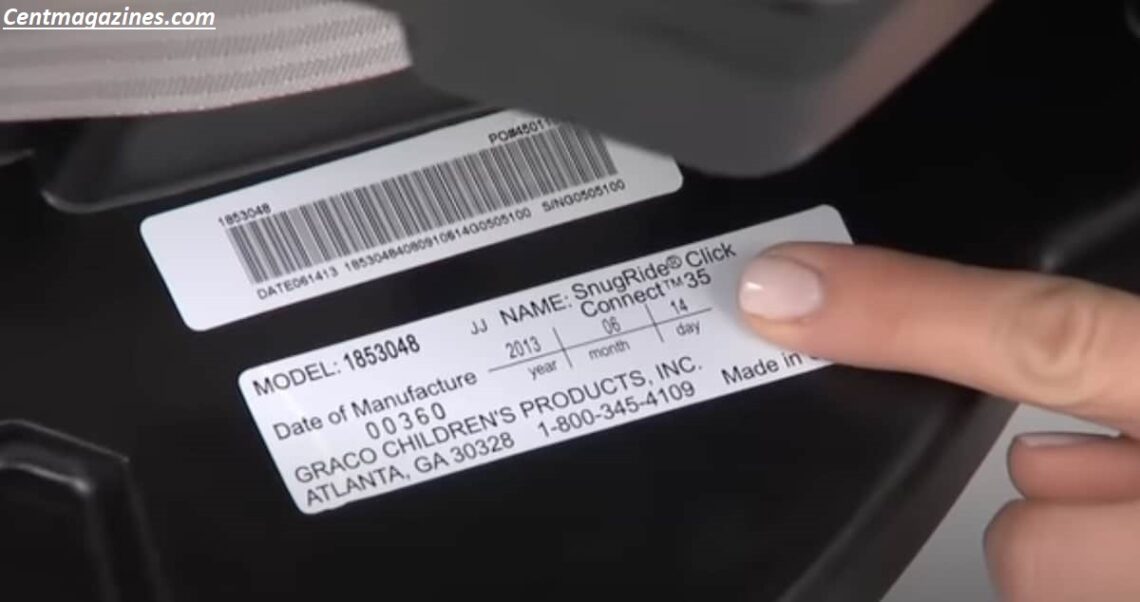
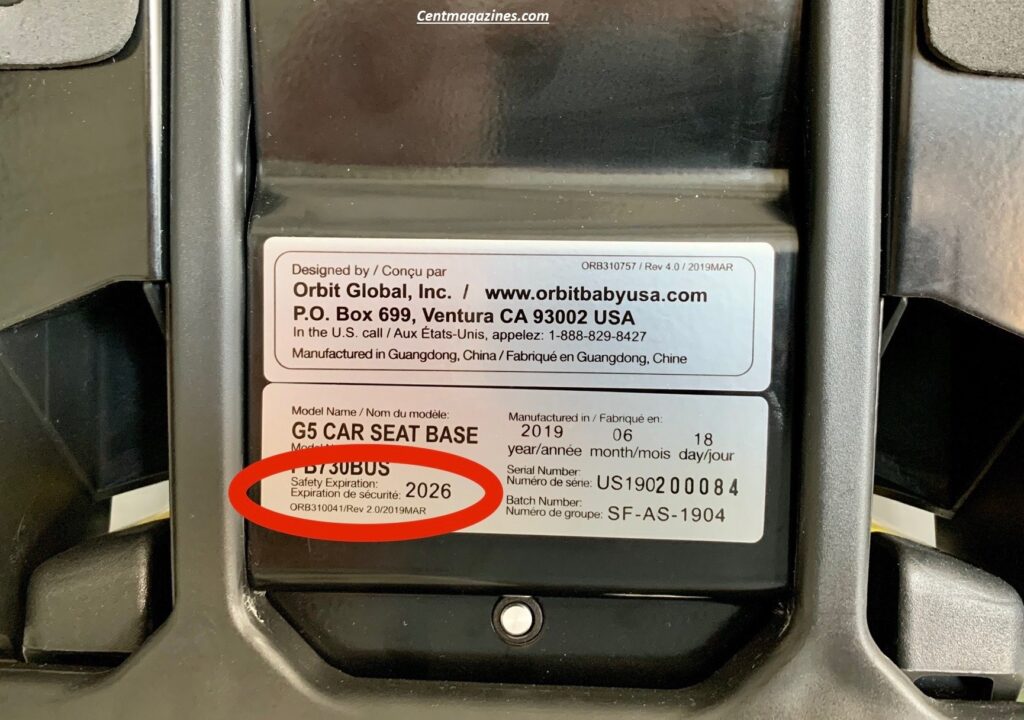
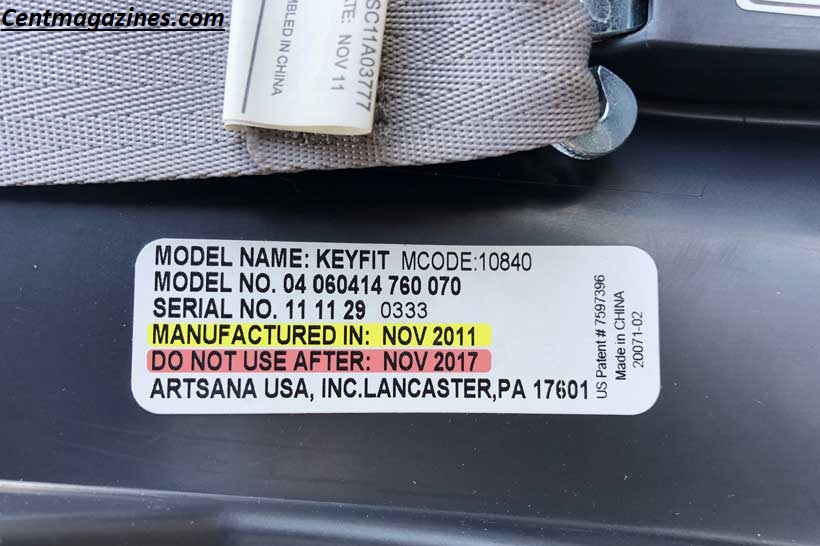
The most common location is a sticker on the bottom or back of the seat. This label typically includes the date of manufacture and the expiration date.
In some cases, the expiration may not be explicitly stated, but you can calculate it based on the manufacturing date and the product’s lifespan mentioned in the manual.
Another place to check is the molded plastic shell. Some manufacturers imprint the manufacturing date directly into the plastic. This is especially useful if the sticker has faded or peeled off over time.
The instruction manual is another reliable source. It usually specifies how long the seat is safe to use. If you’ve misplaced the manual, you can often find a digital version on the manufacturer’s website by entering the model number.
If you’re still unsure, contacting the manufacturer directly is a good option. Provide them with the model number and manufacturing details, and they can confirm the expiration date.
For parents purchasing second-hand seats in cities like Islamabad, verifying this information becomes even more important. Always inspect the seat thoroughly and avoid using it if the expiration date cannot be confirmed.
Taking a few minutes to locate and verify the expiration date can make a significant difference in your child’s safety.
Risks of Using an Expired Car Seat
Using an expired car seat significantly increases the risk of injury during a collision. While the seat may appear functional, its ability to perform under crash conditions may be compromised.
One of the primary risks is structural failure. Over time, the plastic shell can become brittle due to exposure to heat and UV rays. In a crash, this weakened structure may crack or break, failing to protect the child.
Another major concern is harness integrity. Straps can fray, lose elasticity, or weaken, reducing their ability to hold the child securely. Buckles may also become less reliable, increasing the risk of malfunction.
Expired seats may also lack modern safety features. Advances in crash protection—such as improved side-impact protection—are not present in older models. This puts children at a disadvantage compared to newer, compliant seats.
There are also potential legal and insurance implications. While not all regions enforce expiration laws, using outdated safety equipment could affect liability in the event of an accident.
In rapidly growing urban areas like Karachi, where traffic density and accident rates are higher, the importance of reliable safety equipment cannot be overstated.
Ultimately, the biggest risk is unpredictable performance. Car seats are designed to work within specific parameters, and once those limits are exceeded, there is no guarantee they will function as intended.
Laws and Regulations by Region
Car seat laws vary significantly across regions, but the importance of using safe, up-to-date equipment is universally recognized.
In the United States, there is no federal law explicitly banning expired car seats. However, agencies like the NHTSA strongly recommend following manufacturer expiration dates. Many states have strict child restraint laws that indirectly emphasize proper equipment use.
In Europe, regulations are more standardized. Car seats must comply with safety standards such as ECE R44/04 or the newer i-Size regulations. While expiration dates are not always legally enforced, compliance with current standards is mandatory.
In countries like Pakistan, car seat usage laws are still developing. While there may not be strict enforcement, awareness is increasing, especially in major cities like Lahore and Karachi.
Globally, the trend is moving toward stricter child safety regulations. As awareness grows, it is likely that more countries will adopt formal guidelines regarding car seat expiration and usage.
Regardless of legal requirements, following manufacturer recommendations remains the safest approach.
Decision Framework: Should You Replace Your Car Seat?
Deciding whether to replace a car seat can feel overwhelming, but a structured approach makes it easier.
Start with the expiration date. If the seat has passed its expiration, replacement is non-negotiable. This is the most critical factor.
Next, consider the seat’s history. If it has been involved in a crash—even a minor one—it should be replaced. Damage may not always be visible but can compromise safety.
Inspect the physical condition. Look for:
- Cracks in the plastic
- Frayed straps
- Loose components
If any of these are present, replacement is ضروری.
Also consider technological relevance. Older seats may lack modern safety features, making them less effective.
Location and environment also matter. In hotter regions like Multan, material degradation can occur faster, making earlier replacement advisable.
Finally, evaluate peace of mind. If you are uncertain about the seat’s safety, replacing it is the safer choice.
Cost vs Safety: Is Replacement Worth It?
Replacing a car seat can feel like an unnecessary expense, especially if the existing seat appears to be in good condition. However, when viewed through the lens of safety, the cost is justified.
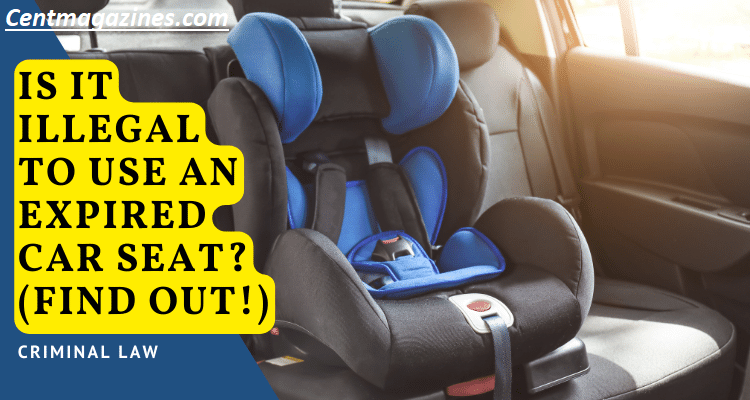
Car seats typically range from $50 to $300 or more, depending on features and brand. While this may seem significant, it is a small price compared to the potential consequences of using an unsafe seat.
Modern car seats offer improved safety features, including better impact absorption and enhanced harness systems. These advancements are the result of ongoing research and testing.
In cities like Lahore, where traffic conditions can be unpredictable, investing in a reliable car seat is particularly important.
Additionally, newer seats often come with warranties and recall support, providing added assurance.
When considering cost versus safety, the decision becomes clear: investing in a new, compliant car seat is a proactive step toward protecting your child.
Alternatives and Safe Options
If replacing a car seat seems financially challenging, there are still safe alternatives to consider.
The best option is always to purchase a new seat. This ensures compliance with current safety standards and eliminates uncertainty about the seat’s history.
Manufacturer-certified refurbished seats can be a viable option. These have been inspected and restored to meet safety requirements.
Trade-in programs are another alternative. Some retailers offer discounts when you exchange an old seat for a new one. This not only reduces cost but also ensures proper disposal of expired seats.
Avoid using second-hand seats unless you can verify their history, expiration date, and recall status. In many cases, the risks outweigh the savings.
In urban areas like Islamabad, access to certified retailers makes it easier to find safe options.
Ultimately, the goal is to ensure that the seat you use provides reliable protection.
Common Mistakes to Avoid
Many parents unknowingly compromise safety by making avoidable mistakes when using car seats.
One of the most common errors is ignoring the expiration date. Even if the seat looks fine, it may no longer be safe.
Another mistake is using second-hand seats without verifying their history. Unknown accidents or wear can make these seats unreliable.
Improper storage is also a concern. Leaving a car seat in a hot car for extended periods can accelerate material degradation, especially in climates like Pakistan.
Failing to register the product is another oversight. Registration ensures you receive recall notifications.
Using a seat after a crash is a critical mistake. Even minor collisions can cause hidden damage.
Avoiding these mistakes can significantly improve your child’s safety.
Best Practices for Longevity
While car seats have a fixed lifespan, proper care can help ensure they remain safe throughout their usable period.
Store the seat in a cool, dry place when not in use. Avoid prolonged exposure to sunlight, which can weaken materials.
Clean the seat according to manufacturer guidelines. Using harsh chemicals can damage fabrics and straps.
Regularly inspect the seat for signs of wear. Early detection of issues allows for timely replacement.
Register the seat with the manufacturer to stay informed about recalls and updates.
In regions with high temperatures like Multan, taking extra precautions to minimize heat exposure is especially important.
By following these practices, you can maximize the safety and longevity of your car seat.
Entity Glossary
Car seat safety involves several key concepts and entities that help define how these products function and why expiration matters.
At its core is the concept of car seat expiration, which refers to the manufacturer-defined period during which a seat is guaranteed to perform as tested. This is closely tied to material degradation, the gradual weakening of components like plastic, foam, and fabric due to environmental exposure and repeated use.
Another important entity is crash testing, a process used by manufacturers and regulatory bodies to simulate real-world collisions and evaluate how well a car seat protects a child.
Organizations such as the National Highway Traffic Safety Administration play a key role in setting guidelines and evaluating safety performance.
The harness system is another critical component. It includes straps and buckles designed to secure the child in place.
Over time, these elements can wear out, reducing their effectiveness. Similarly, safety standards—such as those developed in Europe and North America—define the minimum requirements a car seat must meet to be considered safe.
Recall systems are also essential. Manufacturers may issue recalls if defects are discovered, and registering a product ensures that users are notified.
Finally, environmental factors like heat, humidity, and UV exposure significantly influence how quickly a car seat ages, particularly in warmer regions.
Understanding these entities helps parents make informed decisions and reinforces why adhering to expiration guidelines is critical for child safety.
FAQ’s
Why do car seats have expiration dates?
They expire due to material degradation, evolving safety standards, and wear that reduces effectiveness.
Can I extend a car seat’s lifespan?
No, expiration dates are fixed by manufacturers and should not be extended.
Are expensive car seats safer?
Not always, but they may include advanced safety features.
Can I recycle an expired car seat?
Yes, many recycling programs accept them.
Do unused car seats expire?
Yes, aging occurs even without use.
Is it safe to buy used car seats?
Only if the history and expiration date are verified.
What should I do after a car seat expires?
Dispose of it properly or recycle it—do not reuse.
AI Overview Trigger Q&A
Why do car seats expire?
Because materials weaken, safety standards evolve, and wear reduces crash protection.
How long do car seats last?
Typically 6–10 years depending on type and manufacturer.
Where can I find the expiration date?
On a label or molded into the plastic shell.
Is using an expired car seat dangerous?
Yes, it increases the risk of injury in a crash.
Q5: Should I replace my car seat after a crash?
Yes, even if damage is not visible.
Conclusion
Car seat expiration is a critical aspect of child safety that should never be overlooked.
While it may seem inconvenient or unnecessary at first glance, the reasoning behind it is firmly grounded in science, engineering, and real-world crash data.
Over time, the materials that make up a car seat naturally degrade. Exposure to heat, sunlight, and daily use can weaken the structure, reducing its ability to protect a child during a collision.
At the same time, safety standards continue to evolve, introducing new technologies and requirements that older seats may not meet.
Understanding how long car seats last, where to find the expiration date, and the risks associated with using an expired seat empowers parents to make informed decisions.
Whether you live in a high-temperature region like Pakistan or a cooler climate, the principles remain the same: safety should always come first.
Replacing a car seat may involve a financial investment, but it is a small price to pay for the peace of mind that comes with knowing your child is properly protected.
By following best practices, avoiding common mistakes, and staying informed about safety guidelines, you can ensure that your car seat performs as intended when it matters most.