
Why Is My Snot Yellow? Yellow snot is your body’s clearest signal that something is actively fighting inside your respiratory system.
When your immune system sends white blood cells to battle an infection, their byproducts mix with mucus, turning it distinctly yellow.
A common cold transitioning into its peak fighting stage is the most frequent cause, typically appearing on days three through five.
Sinus infections trap bacteria behind blocked nasal passages, producing thick, discolored mucus that lingers for weeks.
Bacterial infections, allergies combined with inflammation, dry air irritation, and smoking damage all force your body to produce this telltale yellow warning sign demanding your immediate attention.
Table of Contents
Quick Table
| Cause | What It Means | Common Symptoms | Should You Worry? |
|---|---|---|---|
| Common cold | Early infection stage | Sneezing, mild fever | Usually not |
| Sinus infection | Bacterial/viral buildup | Facial pain, pressure | Sometimes |
| Allergies | Immune reaction | Itchy eyes, runny nose | Not serious |
| Dehydration | Thickened mucus | Dry mouth, fatigue | Fixable |
| Air pollution | Irritated nasal passages | Cough, congestion | Mild |
| Smoking | Damaged nasal lining | Chronic mucus | Yes |
| Nasal blockage | Trapped mucus | Difficulty breathing | Depends |
What Does Yellow Snot Mean?
Yellow snot is one of the most common signs your body is actively fighting something off. It usually reflects your immune system response in action.
When viruses or bacteria enter your nasal passages, your body sends white blood cells to attack them. These cells contain enzymes that can give mucus its yellow color.
In the early stages of a common cold or mild infection, mucus often changes from clear to white, then yellow.
This shift happens because of inflammation and increased activity in your immune system. Your body is essentially cleaning out harmful invaders.
It’s important to understand that yellow mucus doesn’t automatically mean you have a serious infection. Many people assume yellow or green mucus equals a bacterial infection, but that’s not always true.
In fact, viral infections like the flu or cold can also produce yellow mucus.
Another factor is nasal congestion. When mucus sits in your sinuses for longer periods, it thickens and changes color. This is why you might notice darker yellow mucus in the morning.
In short, yellow snot is usually a normal stage of your body healing itself. However, if it lasts too long or comes with severe symptoms, it may signal something more serious like a sinus infection.
7 Surprising Reasons Your Snot Is Yellow
Common Cold
The common cold is the most frequent cause of yellow mucus. It starts with clear, watery discharge, but as your immune system response ramps up, mucus thickens and turns yellow.
This happens because white blood cells are actively fighting the virus. Along with yellow snot, you may experience sneezing, mild fever, sore throat, and nasal congestion.
This stage is completely normal and usually resolves within 7–10 days without treatment.
Sinus Infection
A sinus infection (sinusitis) occurs when your sinuses become inflamed and filled with mucus. This leads to thick yellow or even green discharge.
The infection can be viral or bacterial and is often accompanied by facial pressure, headaches, and blocked nasal passages.
Persistent inflammation traps mucus, making it darker and thicker. If symptoms last more than 10 days, it could indicate a bacterial infection that needs medical attention.
Allergies
Allergies can also lead to yellow mucus, although they usually start with clear discharge. When allergens like dust or pollen irritate your nasal lining, they trigger inflammation and increased mucus production.
Over time, trapped mucus can turn yellow due to buildup and mild immune activity. Symptoms include sneezing, itchy eyes, and nasal congestion.
Unlike infections, allergies don’t involve fever but can still cause discomfort.
Dehydration
Dehydration is an often-overlooked cause of yellow snot.
When your body lacks fluids, mucus becomes thick and sticky instead of thin and clear.
This thicker mucus can appear yellow because it stays in your nasal passages longer. Proper hydration helps your body flush out irritants and supports a healthy immune system response.
Drinking enough water can quickly improve mucus consistency.
Air Pollution
Exposure to polluted air can irritate your nasal passages and lead to yellow mucus.
Dust, smoke, and chemicals trigger inflammation and increased mucus production.
Your body tries to trap and remove harmful particles through mucus, which can become yellow as it accumulates debris.
People living in urban areas often experience this, especially during high pollution days.

Smoking
Smoking damages the lining of your nasal passages and weakens your immune system response. It also increases mucus production and reduces your body’s ability to clear it.
Over time, this leads to thick, yellow mucus and chronic nasal congestion. Smokers are also at higher risk for infections, making yellow snot more persistent and concerning.
Nasal Blockage
A nasal blockage, such as a deviated septum or nasal polyps, can trap mucus inside your sinuses. When mucus cannot drain properly, it thickens and turns yellow.
This often leads to pressure, difficulty breathing, and prolonged symptoms. The lack of proper airflow and drainage contributes to inflammation and bacterial growth.
Yellow vs Green Snot
Many people wonder about the difference between yellow and green mucus. Both are linked to your body’s immune system response, but they represent slightly different stages.
Yellow mucus usually appears earlier in an infection. It indicates that your white blood cells are actively fighting off viruses or irritants.
Green mucus, on the other hand, often appears later when the immune response is stronger and more prolonged.
However, color alone doesn’t determine the severity of illness. Both yellow and green mucus can occur in viral infections like the common cold or flu. A sinus infection may also produce either color.
The key difference lies in duration and symptoms.
If your mucus stays yellow or green for more than 10–14 days and is accompanied by severe nasal congestion, fever, or facial pain, it may require medical attention.
When Should You Be Concerned?
While yellow snot is usually harmless, there are times when it signals a more serious issue. You should pay attention to how long your symptoms last and what other signs accompany them.
Seek medical advice if:
- Symptoms persist for more than 10–14 days
- You have a high fever
- There is severe facial pain or pressure
- Mucus becomes very thick and foul-smelling
- You experience worsening flu symptoms
Chronic inflammation and prolonged nasal congestion may indicate a bacterial sinus infection or another underlying condition.
In rare cases, yellow mucus combined with severe symptoms could point to complications.
Your body’s immune system response is usually effective, but persistent symptoms mean it might need help. Early diagnosis can prevent complications and speed up recovery.
How to Get Rid of Yellow Snot Fast
Getting rid of yellow mucus involves supporting your body’s natural healing process. Here are effective ways:
- Stay hydrated: Drinking water helps thin mucus
- Use steam inhalation: Moist air reduces nasal congestion
- Saline sprays: Flush out irritants from nasal passages
- Rest: Supports your immune system response
- Warm fluids: Tea and soups soothe inflammation
- Avoid irritants: Smoke and pollution worsen symptoms
If symptoms are caused by a sinus infection, a doctor may recommend medications. For allergies, antihistamines can reduce inflammation and mucus production.
The goal is to keep mucus moving and prevent buildup.
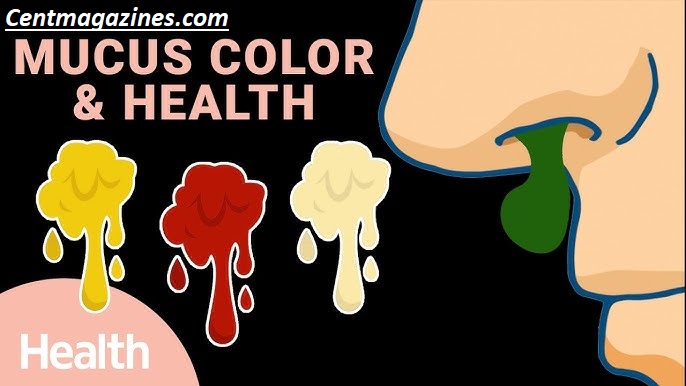
Snot Color Chart
Understanding mucus colors can help you identify what’s happening in your body:
| Color | Meaning |
|---|---|
| Clear | Normal, healthy |
| White | Mild congestion |
| Yellow | Active immune response |
| Green | Strong immune activity |
| Brown | Dirt or pollution |
| Black | Smoke or fungal infection |
This mucus color chart shows how your body reacts to different conditions. Yellow and green shades are often part of the healing process and not always a cause for concern.
FAQs
Why is my snot yellow but I feel fine?
Your body may be fighting a mild infection or irritation without noticeable symptoms.
Does yellow mucus mean infection?
Not always. It often reflects a normal immune system response.
How long does yellow snot last?
Usually 5–10 days, depending on the cause.
Can allergies cause yellow mucus?
Yes, due to inflammation and mucus buildup.
Should I take antibiotics?
Only if a doctor confirms a bacterial sinus infection.
Conclusion
Yellow snot might look alarming, but in most cases, it’s a normal part of your body’s defense system.
It shows that your immune system response is actively working to eliminate viruses, bacteria, or irritants.
Whether it’s caused by a common cold, allergies, dehydration, or even air pollution, yellow mucus is often temporary and harmless.
The key is to look beyond the color. Pay attention to how long your symptoms last and whether they’re getting worse.
Short-term yellow mucus with mild flu symptoms or nasal congestion is usually nothing to worry about.
However, persistent symptoms combined with pain, fever, or severe inflammation may indicate a sinus infection that requires medical care.
By staying hydrated, maintaining good hygiene, and avoiding irritants like smoking and pollution, you can support your body’s natural healing process.
Using a mucus color chart can also help you better understand what your body is telling you.
In the end, yellow snot is less of a problem and more of a message. Listen to your body, take simple steps to care for yourself, and seek help when needed.