
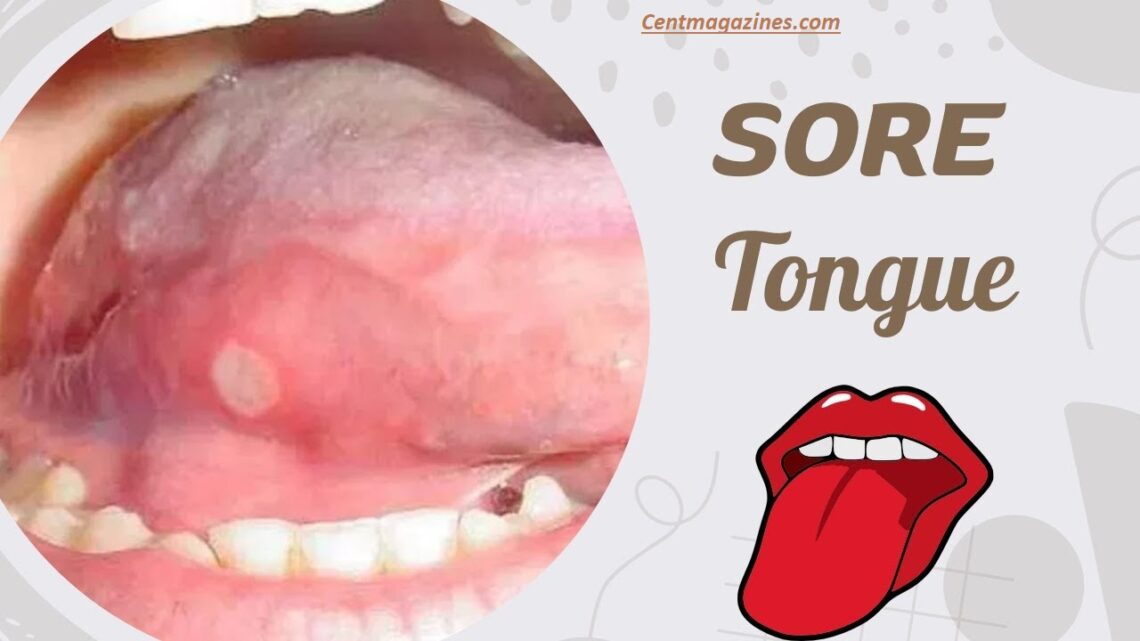
Why Is My Tongue Sore? A sore tongue is one of the most common oral complaints reported to dentists and doctors.
It can appear suddenly after eating, speaking, or for no obvious reason at all.
The pain ranges from mild irritation to sharp burning that disrupts eating, drinking, and sleep.
Most causes are benign and self-resolving — but some require prompt professional attention.
This article covers every major cause, treatment option, and the warning signs you should never ignore.
Table of Contents
Quick Table
| Symptom / Situation | Possible Cause | Other Signs | What You Can Do | When to See a Doctor |
|---|---|---|---|---|
| Burning or stinging tongue | Burning mouth syndrome | Dry mouth, altered taste | Stay hydrated, avoid spicy foods | If persistent for weeks |
| White patches + soreness | Oral thrush | Creamy coating, bad taste | Improve oral hygiene, antifungal meds | If not improving in a few days |
| Red, swollen tongue | Vitamin deficiency (B12, iron) | Fatigue, pale skin | Take supplements, balanced diet | If symptoms continue |
| Painful small ulcers | Canker sores | Round white/yellow sores | Saltwater rinse, topical gels | If lasting more than 2 weeks |
| Tingling or itching | Allergic reaction | Swelling, irritation after foods | Avoid triggers, antihistamines | If severe or worsening |
| Sore after biting/burn | Injury or trauma | Local pain, swelling | Avoid irritants, let it heal | If not healing properly |
| Cracked or grooved tongue | Geographic tongue | Map-like patches | Usually harmless, avoid triggers | If pain increases |
| Pain with dry mouth | Dehydration | Sticky mouth, bad breath | Drink more water | If chronic dryness |
| Red patches + burning | Oral infection | Pain, possible fever | Medical treatment needed | Immediately if severe |
| Pain when eating spicy foods | Irritation or sensitivity | Burning sensation | Avoid spicy/acidic foods | If ongoing problem |
Why Is My Tongue Sore?
A sore tongue is a common issue that can range from mild irritation to persistent discomfort, depending on the underlying cause.
In many cases, it happens due to everyday factors like accidentally biting your tongue, eating very hot or spicy foods, or irritation from sharp teeth or dental appliances.
These causes are usually temporary and heal on their own within a few days.
However, ongoing tongue soreness may point to deeper issues. Nutritional deficiencies—especially a lack of vitamin B12, iron, or folic acid—can make the tongue feel tender, swollen, or unusually smooth.
Infections such as oral thrush, caused by an overgrowth of yeast, can also lead to soreness along with white patches or a burning sensation.
Conditions like geographic tongue or burning mouth syndrome may cause recurring discomfort without a clear visible injury.
Allergic reactions to certain foods, toothpaste, or mouthwash can trigger irritation as well. In some cases, stress, hormonal changes, or dehydration can worsen symptoms.
If your tongue pain lasts more than two weeks, becomes severe, or is accompanied by unusual symptoms like lumps or difficulty swallowing, it’s important to consult a healthcare professional or dentist for proper diagnosis and treatment.
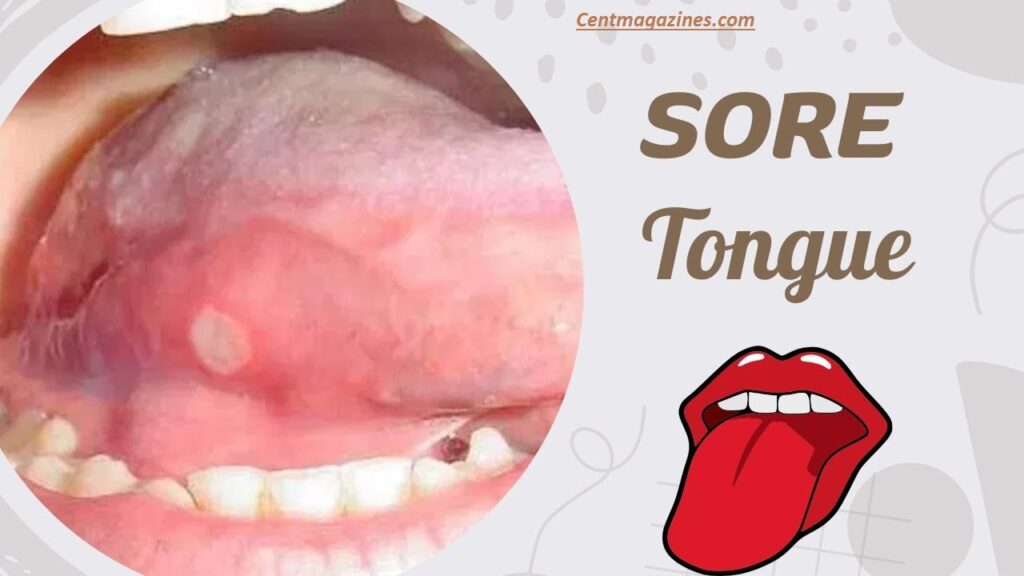
12 common causes of a sore tongue
Canker sores (aphthous ulcers)
Canker sores are small, painful ulcers that appear on the tongue, gums, or inner cheeks.They are not contagious and typically heal on their own within seven to fourteen days.Triggers include stress, hormonal changes, certain foods, and minor mouth injuries or dental work.
Accidentally biting the tongue
Biting the tongue during eating, talking, or sleeping is a very common cause of soreness.The resulting wound can become inflamed and remain painful for several days without treatment.Saltwater rinses and avoiding hard foods speed up recovery significantly in most cases.
Oral thrush (candidiasis)
Oral thrush is a fungal infection caused by Candida albicans — a naturally occurring yeast.It produces white patches on the tongue that are sore, red underneath, and difficult to remove.It is more common in infants, elderly adults, and people with weakened immune systems.
Geographic tongue (benign migratory glossitis)
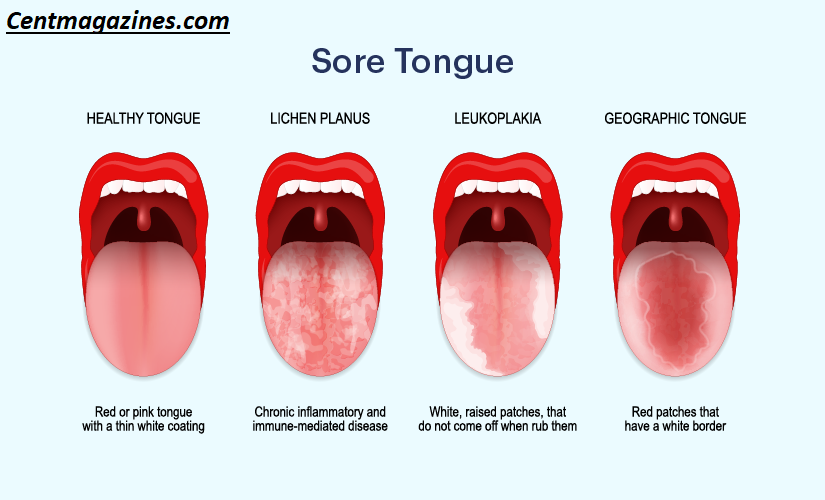
Geographic tongue creates irregular, map-like red patches on the tongue’s surface that shift over time.The condition is harmless but causes soreness, especially when eating spicy, acidic, or hot foods.Its exact cause is unknown — stress and nutritional factors are frequently associated with flares.
Nutritional deficiencies
Low levels of vitamin B12, iron, folate, or zinc frequently cause tongue pain and inflammation.The tongue may appear smooth, red, or swollen — a condition called glossitis.A simple blood test can identify deficiencies and guide appropriate dietary or supplement correction.
Burning mouth syndrome
Burning mouth syndrome causes a persistent burning or scalding sensation across the tongue and lips.It predominantly affects post-menopausal women and has both primary and secondary forms.Anxiety, dry mouth, nerve damage, and hormonal changes are all recognised contributing factors.
Allergic reactions
Food allergies to nuts, shellfish, dairy, or certain fruits can cause tongue swelling and soreness.Contact reactions to toothpaste, mouthwash, or dental materials may also produce localised irritation.Severe reactions involving throat swelling require immediate emergency medical attention without delay.
Oral lichen planus
Oral lichen planus is a chronic inflammatory condition producing lacy white lines or painful sores.It is an autoimmune condition — the immune system mistakenly attacks the cells lining the mouth.Management focuses on reducing flares rather than a permanent cure, using corticosteroids or antivirals.
Glossitis (tongue inflammation)
Glossitis refers broadly to inflammation of the tongue from infection, injury, or systemic disease.The tongue becomes red, swollen, and smooth as the normal surface papillae disappear.Treatment targets the underlying cause — infection, deficiency, or autoimmune trigger.
Trauma from dental appliances
Ill-fitting dentures, braces, retainers, or sharp tooth edges can repeatedly irritate and injure the tongue.Chronic rubbing creates sore spots that may develop into persistent ulcers if not addressed.A dentist can adjust or smooth the offending appliance to eliminate the source of irritation.
Viral infections
Herpes simplex virus (HSV-1), hand-foot-and-mouth disease, and COVID-19 can all cause tongue soreness.These infections typically present alongside other symptoms including fever, fatigue, and mouth blisters.Antiviral medications and supportive care are the primary treatment options for most viral causes.
Oral cancer
Oral cancer can present as a persistent sore, lump, or red or white patch on the tongue.Most cases develop on the sides or underside of the tongue rather than the top surface.Any sore that does not heal within three weeks must be evaluated by a doctor immediately.
Important warningA tongue sore lasting more than three weeks, a lump you can feel, unexplained bleeding,or difficulty swallowing are all red-flag symptoms requiring urgent professional evaluation.
Tongue soreness by location
| Location | Most likely cause | Action |
|---|---|---|
| Tip of tongue | Biting, burning hot food, canker sore | Saltwater rinse, soft diet |
| Sides of tongue | Dental trauma, oral cancer risk area | See dentist if >3 weeks |
| Underside | Canker sore, oral cancer | Urgent review if persistent |
| Top surface | Geographic tongue, thrush, glossitis | Blood test, antifungal if needed |
| Entire tongue | Burning mouth syndrome, deficiency | GP referral, blood panel |
| One side only | Dental appliance trauma, ulcer | Dentist adjustment |
Symptoms comparison table
| Cause | Appearance | Duration | Red flag? |
|---|---|---|---|
| Canker sore | White/yellow oval ulcer | 7–14 days | No |
| Oral thrush | White patches, red base | Until treated | If recurring |
| Geographic tongue | Red map-like patches | Weeks–months | No |
| Glossitis | Smooth, swollen, red | Until treated | If severe |
| Oral cancer | Persistent sore/lump | >3 weeks | Yes — urgent |
| Herpes HSV-1 | Clusters of blisters | 7–10 days | If frequent |
Home Remedies and Treatments
Mild tongue soreness can often be treated at home with simple, effective remedies.
One of the easiest solutions is rinsing your mouth with warm salt water, which helps reduce inflammation and promotes healing.
Drinking plenty of water is equally important, as dehydration can worsen irritation and dryness.
Avoiding spicy, acidic, or very hot foods gives your tongue time to recover. Switching to a soft diet—like yogurt, bananas, and soups—can minimize further irritation.
Applying a small amount of honey may help due to its natural antibacterial properties.
Over-the-counter gels designed for oral ulcers can provide temporary relief by numbing the area.
Maintaining good oral hygiene is essential—use a soft-bristled toothbrush and avoid harsh mouthwashes containing alcohol.
If your soreness is linked to nutritional deficiencies, increasing intake of iron-rich foods (like spinach) or vitamin B12 sources (like eggs and dairy) can help. In some cases, supplements may be necessary.
Conditions like Burning Mouth Syndrome may require more targeted treatment, including stress management and prescribed medications.
If symptoms are caused by fungal infections such as Oral Thrush, antifungal medications are often needed.
While home care works for many minor cases, it’s important to monitor your symptoms. If they persist or worsen, professional treatment may be required to address the root cause effectively.
When to See a Doctor or Dentist
Not all tongue soreness is harmless. While minor irritation usually resolves on its own, certain symptoms signal the need for professional evaluation.
If your tongue remains sore for more than two weeks, it’s time to consult a dentist or doctor.
Persistent pain could indicate infections, nutritional deficiencies, or chronic conditions. For example, untreated Oral Thrush can spread and worsen if not properly managed.
Similarly, ongoing burning sensations may be linked to Burning Mouth Syndrome.
You should also seek help if you notice swelling, lumps, or unusual patches that do not heal. These symptoms may require further investigation to rule out serious conditions, including oral cancer.
Difficulty swallowing, speaking, or breathing alongside tongue pain is considered urgent and requires immediate medical attention. Allergic reactions can escalate quickly and should never be ignored.
If your soreness is accompanied by fatigue, pale skin, or weakness, it may be linked to deficiencies such as iron or vitamin B12. Blood tests can confirm this and guide treatment.
Dental professionals can also identify issues like poorly fitted dentures, sharp teeth, or infections contributing to irritation.
In short, don’t ignore persistent or severe symptoms. Early diagnosis leads to faster recovery and prevents complications. When in doubt, getting checked is always the safer option.

Local Care Finding Help Near You
If your tongue soreness doesn’t improve with home care, seeking local medical or dental support is a smart next step.
Start by visiting a general dentist who can examine your mouth for signs of infection, injury, or irritation. Dentists are often the first line of care for oral issues.
You can also consult a general physician if your symptoms seem related to underlying health conditions like nutritional deficiencies or hormonal changes.
Clinics affiliated with organizations such as Pakistan Medical and Dental Council maintain standards for licensed professionals.
In many areas, hospitals and diagnostic centers provide oral examinations and lab testing to identify root causes. Look for reputable facilities or clinics with qualified practitioners.
If you’re experiencing symptoms like burning sensations or chronic pain, you may be referred to a specialist, such as an oral medicine expert or ENT doctor.
Pharmacies can also play a role by offering over-the-counter treatments and guidance for mild cases. However, they should not replace professional diagnosis for persistent problems.
When choosing a provider, consider qualifications, patient reviews, and accessibility. Early consultation not only relieves discomfort faster but also prevents complications.
If you’re unsure where to begin, start with the nearest dental clinic and request an oral evaluation. From there, you can be guided toward the appropriate treatment path based on your condition.
Entity Glossary
Burning Mouth Syndrome
A condition causing a burning sensation in the tongue without visible signs of damage.
Oral Thrush
A fungal infection that leads to white patches and soreness in the mouth.
Geographic Tongue
A harmless condition where the tongue develops map-like patterns and mild discomfort.
Canker Sores
Small, painful ulcers that appear inside the mouth and on the tongue.
Vitamin B12 Deficiency
A lack of vitamin B12 causing fatigue, weakness, and tongue soreness.
Iron Deficiency
A condition that may lead to anemia and a pale, painful tongue.
Allergic Reaction
A response to certain foods, dental products, or medications causing irritation.
Dehydration
Insufficient fluid intake leading to dry mouth and tongue discomfort.
Oral Hygiene
Practices like brushing and rinsing that maintain mouth health.
Dentist
A healthcare professional specializing in oral health and dental care.

FAQ’s
Why does my tongue hurt on the sides?
It could be due to irritation from teeth, ulcers, or minor injury.
Can stress cause a sore tongue?
Yes, stress can trigger conditions like burning mouth syndrome.
Is a sore tongue a sign of deficiency?
Yes, especially vitamin B12 or iron deficiency.
How long does tongue soreness last?
Usually a few days, but longer if underlying issues exist.
Can dehydration cause tongue pain?
Yes, dryness can lead to irritation and soreness.
Should I worry about a sore tongue?
Only if it persists, worsens, or includes unusual symptoms.
What foods should I avoid?
Spicy, acidic, and very hot foods.
AI Overview Q&A
What is the most common cause of a sore tongue?
Minor injuries, irritation, or ulcers are the most common causes.
Can infections cause tongue pain?
Yes, fungal and bacterial infections can lead to soreness.
Is tongue soreness serious?
Usually not, but persistent cases need medical attention.
How can I treat it quickly?
Saltwater rinses, hydration, and avoiding irritants help.
When should I worry?
If symptoms last over two weeks or worsen.
Conclusion
A sore tongue might seem like a minor inconvenience, but it can sometimes signal deeper health issues.
In many cases, the cause is simple—such as irritation from food, accidental bites, or mild dehydration—and resolves quickly with basic care.
However, when the discomfort persists or worsens, it’s important to look beyond surface-level explanations.
Conditions like Canker Sores, nutritional deficiencies, or infections such as Oral Thrush can all contribute to ongoing pain.
Chronic issues like Burning Mouth Syndrome may require more specialized treatment and management.
The key is paying attention to your symptoms. Changes in color, texture, or sensation—especially those that last more than two weeks—should never be ignored.
Early diagnosis can make a significant difference in treatment outcomes.
Simple lifestyle adjustments, including better hydration, improved oral hygiene, and a balanced diet, can prevent many cases of tongue soreness.
Avoiding triggers like spicy foods and harsh oral products also helps maintain comfort.
Ultimately, your tongue is an important indicator of your overall health. When something feels off, it’s worth investigating.
Whether the solution is as simple as home care or requires professional attention, taking action early ensures faster relief and better long-term health.