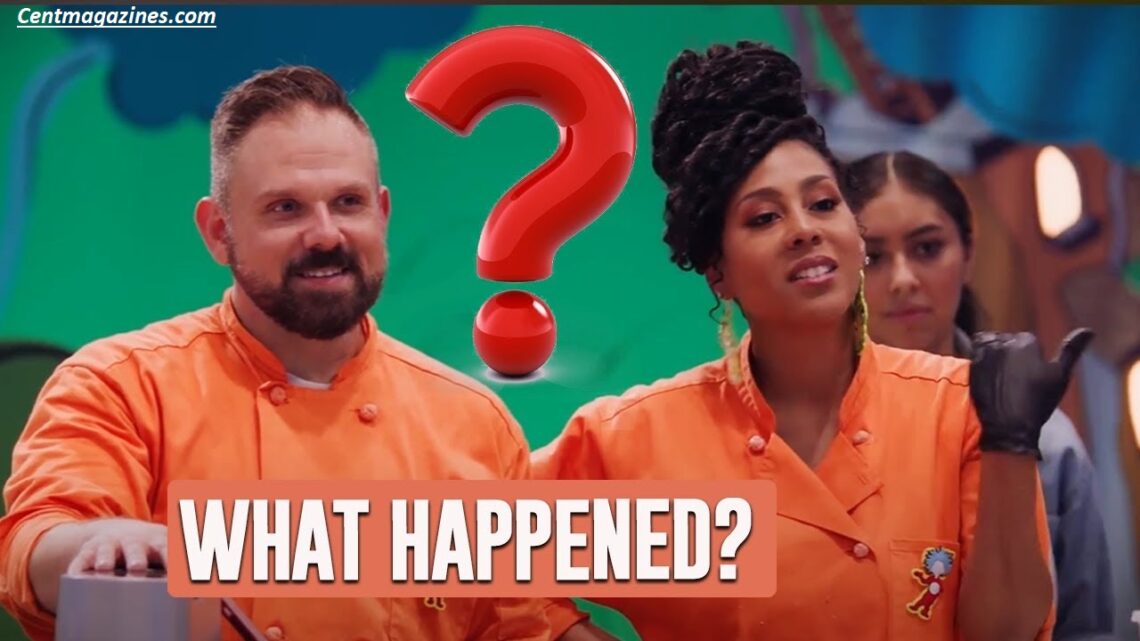
Why Did Alene and Chris Leave the City of Seuss? Interest in why Alene and Chris left the City of Seuss has continued growing across online communities and fan discussions.
Many viewers noticed changes in appearances, content direction, and community involvement that sparked speculation.
The City of Seuss became popular because of its entertaining style, creative storytelling, and recognizable personalities.
Fans connected strongly with recurring members, especially familiar figures like Alene and Chris.
When creators or personalities suddenly disappear from a project, audiences naturally search for explanations.
Some people believe creative differences caused the departure, while others think personal priorities played a role.
Entertainment communities often react quickly to cast changes.
Social media platforms, discussion boards, and fan groups can spread rumors before official information appears.
In situations like this, separating confirmed facts from speculation becomes important.
Not every online theory reflects reality, especially when public statements remain limited or unclear.
This article explains the known information surrounding Alene and Chris and their connection to the City of Seuss.
It also explores fan theories, timeline details, entertainment industry patterns, and community reactions.
Table of Contents
Quick Table
| Topic | Key Details |
|---|---|
| Main Subject | Departure of Alene and Chris |
| Community | City of Seuss |
| Primary Interest | Reasons behind their exit |
| Common Theories | Creative changes, personal decisions |
| Official Confirmation | Limited public information |
| Fan Reaction | Mixed emotions and speculation |
| Industry Pattern | Common in entertainment projects |
| Return Possibility | Unconfirmed but discussed |
| Main Concern | Rumors versus verified facts |
| Audience Type | Entertainment and online community fans |
What Is the City of Seuss?
The City of Seuss is known as an entertainment-focused creative community connected with storytelling, character-driven content, and audience interaction.
Its identity appears influenced by imaginative themes, humor, and community participation.
Fans are drawn to the project because it combines creativity with recognizable personalities.
Communities like this often succeed because viewers form emotional attachments to recurring cast members and creators.
The name itself likely references the imaginative style associated with whimsical storytelling traditions.
This gives the project a playful and recognizable brand identity that appeals to broad audiences.
Like many online entertainment communities, the City of Seuss depends heavily on collaboration.
Writers, performers, editors, hosts, and contributors all help shape the final experience for fans.
Digital entertainment communities can evolve rapidly over time.
Changes in leadership, production style, schedules, or creative direction may influence who stays involved.
Audience loyalty usually develops around personalities rather than just the content alone.
That explains why departures involving recognizable figures often create major online discussion.
Entertainment communities also face challenges involving burnout, scheduling, financial priorities, and changing interests.
These factors frequently influence long-term participation in creative projects.
The City of Seuss appears to have developed a dedicated audience that closely follows updates and cast changes.
This level of fan engagement explains why questions about Alene and Chris became widely searched online.
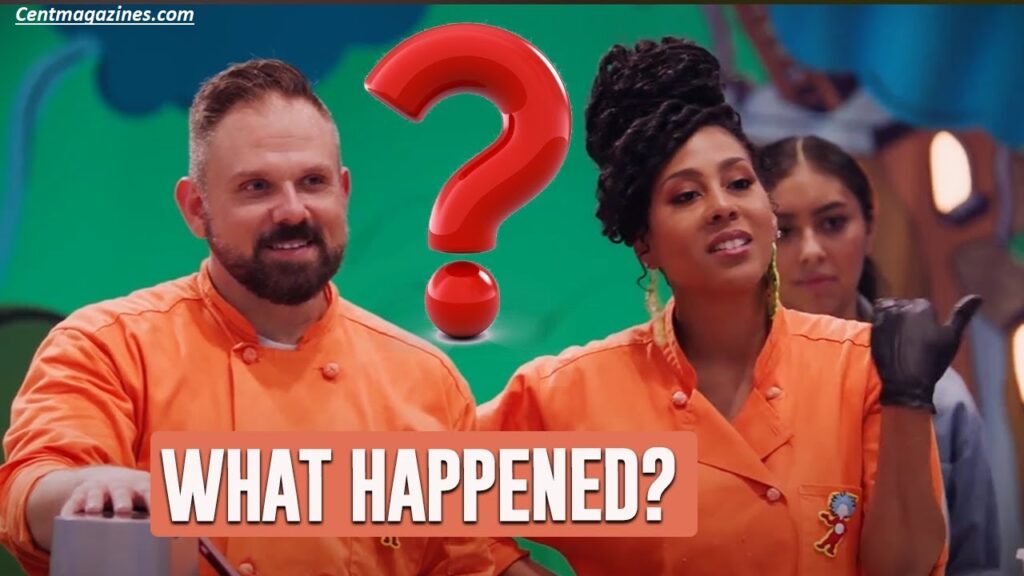
Who Are Alene and Chris?
Alene and Chris are widely recognized by fans as notable personalities connected to the City of Seuss community.
Their involvement helped shape audience engagement and contributed to the project’s popularity.
Fans often associate them with memorable interactions, recurring appearances, and community-building efforts.
In entertainment communities, familiar personalities become important because audiences build long-term emotional connections.
Creators and contributors usually influence the tone and identity of a project.
When recognizable individuals leave, viewers often feel the atmosphere changes significantly.
Alene and Chris gained attention because they appeared consistently within the community environment.
Many fans appreciated their chemistry, communication style, and overall contribution to the project experience.
Online communities frequently develop fan-favorite personalities over time.
These individuals become part of the brand identity even if they are not official founders or owners.
The popularity of Alene and Chris likely increased due to audience interaction across social media and discussion platforms.
Fans commonly shared clips, conversations, and theories related to their appearances.
As their visibility grew, so did public interest in their personal and professional decisions.
This explains why their departure became a major discussion topic among followers.
Entertainment audiences often want transparency when cast changes happen unexpectedly.
Without detailed official explanations, speculation naturally increases across online communities.
Even after leaving, personalities connected to successful projects often remain culturally linked to the original brand.
That connection continues driving search interest and fan conversations surrounding Alene and Chris today.
Why Did Alene and Chris Leave the City of Seuss?
The exact reasons why Alene and Chris left the City of Seuss have not been fully confirmed publicly.
However, several likely explanations continue appearing in fan discussions and entertainment analysis.
One commonly suggested reason involves creative direction changes within the project.
Entertainment communities frequently evolve, and contributors sometimes disagree with new goals or production styles.
Personal priorities may also have influenced the decision.
Online creators often face scheduling pressure, burnout, private responsibilities, or career changes over time.
Another possibility involves professional restructuring behind the scenes.
Creative projects sometimes reorganize teams, shift leadership roles, or reduce participation from recurring members.
Fans also speculate about communication issues or disagreements among contributors.
However, no major public evidence has confirmed serious conflict involving Alene and Chris.
In digital entertainment spaces, departures can happen quietly without dramatic announcements.
Some creators prefer privacy rather than discussing internal decisions publicly.
Audience expectations often increase pressure on entertainment personalities.
Maintaining regular appearances and community engagement can become emotionally and professionally demanding.
Financial considerations may also play a role in entertainment-related departures.
Creative contributors sometimes pursue independent opportunities or focus on personal growth outside the original project.
Without direct confirmation, much of the discussion remains speculative rather than factual.
This is common in entertainment communities where fans attempt to interpret limited public information.
The most reasonable conclusion is that multiple factors likely contributed to their departure.
Creative evolution, personal decisions, and changing priorities often overlap in entertainment industry transitions.
Official Statements and Public Information
Public information regarding Alene and Chris leaving the City of Seuss remains relatively limited.
This lack of detailed communication has contributed heavily to ongoing speculation among fans.
In entertainment communities, official announcements are not always comprehensive.
Sometimes creators choose brief statements to maintain privacy and avoid unnecessary controversy.
Available public discussions suggest the departure was handled quietly rather than dramatically.
No widely confirmed reports indicate major legal disputes or public conflicts.
Many fans expected a detailed explanation because Alene and Chris were familiar personalities within the community.
When detailed updates did not appear, online rumors expanded rapidly.
Entertainment creators often avoid discussing internal disagreements publicly.
Protecting professional relationships and community reputation can influence communication decisions.
Limited statements may also reflect contractual or organizational considerations.
Some projects prefer minimal public commentary regarding staffing or contributor changes.
Fans commonly interpret silence in different ways.
Some see it as evidence of conflict, while others view it as a respectful private decision.
Without verified interviews or official reports, conclusions should remain cautious.
Assumptions based entirely on social media speculation may not accurately reflect reality.
Online entertainment projects frequently experience transitions behind the scenes.
Not every departure results from controversy or interpersonal problems.
The absence of major confirmed allegations suggests the situation may have been relatively professional overall.
Still, because fans invested emotionally in the community, interest in the topic continues growing.
Until additional public information appears, most explanations remain informed speculation rather than confirmed fact.
Responsible discussion requires distinguishing verified information from community assumptions.
Popular Fan Theories Explained
Fan theories surrounding Alene and Chris leaving the City of Seuss vary widely across online discussions.
Some theories focus on creative disagreements, while others center on personal or professional changes.
One popular theory suggests internal creative conflicts influenced their departure.
Fans sometimes notice shifts in tone, storytelling style, or community direction before cast changes happen.
Another common theory involves burnout.
Entertainment creators often work under intense schedules that can affect motivation, mental energy, and long-term participation.
Some fans believe independent opportunities encouraged them to leave.
Online personalities frequently pursue solo projects, partnerships, or different creative platforms over time.
Relationship-related rumors also appeared in certain fan communities.
However, no reliable evidence publicly confirms major personal disputes connected to their departure.
Another theory claims organizational restructuring changed contributor roles behind the scenes.
Projects sometimes reduce appearances or rotate personalities as audience preferences evolve.
Some viewers interpret social media behavior as hidden clues.
Reduced interaction, deleted posts, or fewer collaborations often fuel online speculation.
Entertainment communities naturally create narratives when official information remains limited.
This can lead to exaggerated or unsupported conclusions spreading quickly online.
Fan theories are not always harmful, but misinformation can become problematic.
Unverified rumors may damage reputations or create unnecessary conflict among audiences.
The most realistic explanation may involve several overlapping factors rather than a single dramatic event.
Creative industries commonly experience gradual transitions rather than sudden isolated incidents.
Until confirmed statements emerge, fan theories should be viewed carefully and critically.
Speculation can be interesting, but verified information remains more reliable than assumptions.
Timeline of Events
The timeline surrounding Alene and Chris leaving the City of Seuss appears gradual rather than sudden.
Fans first noticed reduced appearances and fewer interactions before major discussions began online.
Initially, some viewers assumed scheduling conflicts explained the reduced visibility.
Temporary absences are common in entertainment communities and usually do not cause concern immediately.
As time passed, audiences noticed longer gaps in participation.
Social media activity connected to the project also appeared less frequent than before.
Discussion threads and fan forums eventually began questioning whether permanent changes were happening.
Speculation increased because no detailed clarification appeared publicly at the time.
Community members started analyzing older content for possible clues.
Fans often revisit interviews, collaborations, or online interactions during entertainment-related controversies.
Rumors expanded once audiences observed continued absence from new content or events.
This stage usually marks the transition from curiosity to widespread speculation.
Some unofficial comments and fan interpretations circulated across social media platforms.
However, much of the information remained inconsistent or unsupported by verified sources.
Over time, the community gradually accepted that Alene and Chris were no longer active participants.
Attention then shifted toward understanding possible reasons behind the change.
Entertainment communities often experience emotional reactions during cast transitions.
Longtime followers may feel disappointed, confused, or nostalgic when familiar personalities leave.
The timeline reflects a common digital entertainment pattern involving quiet exits and fan-led investigation.
Without direct official explanations, audiences typically construct narratives from observable changes and online behavior.
Today, the discussion continues because fans remain interested in closure and future possibilities.
The timeline itself demonstrates how online communities react when transparency remains limited.
How Their Departure Impacted the Community
The departure of Alene and Chris significantly affected portions of the City of Seuss community.
Fans who followed their appearances closely noticed immediate changes in the project atmosphere.
Entertainment communities often rely heavily on personality-driven engagement.
When familiar contributors leave, audiences may feel the chemistry and energy shift noticeably.
Some fans expressed disappointment because they viewed Alene and Chris as central figures.
Others remained supportive and respected the possibility of personal or professional reasons.
Community discussions became more divided after their absence continued.
Supporters debated whether the project could maintain the same identity without them.
Online engagement patterns sometimes change following cast departures.
Viewers may reduce participation temporarily while adjusting to new formats or contributors.
Social media conversations increased significantly during the transition period.
Fan pages, discussion threads, and reaction videos contributed to broader public interest.
Creative projects occasionally lose momentum after recognizable personalities depart.
However, some communities successfully adapt by introducing new ideas or contributors.
The situation also highlighted how emotionally invested audiences become in digital entertainment communities.
Fans often form strong attachments to recurring personalities over long periods.
Speculation and rumors created additional tension within parts of the community.
Some viewers demanded explanations, while others encouraged privacy and respectful discussion.
Despite mixed reactions, the conversation kept the City of Seuss visible online.
Search traffic and fan engagement often rise during entertainment-related transitions or controversies.
The long-term impact depends on how the community evolves moving forward.
Successful entertainment projects usually adapt through communication, creativity, and audience trust.
Cast Changes in Entertainment Productions
Cast changes are extremely common across entertainment industries, digital media projects, and online communities.
Television shows, podcasts, gaming groups, and creator collectives frequently experience membership transitions.
Creative projects evolve over time as priorities, budgets, and audience interests change.
Contributors may leave because of scheduling conflicts, burnout, or new professional opportunities.
Entertainment audiences often react emotionally to familiar personalities leaving a project.
This happens because viewers associate certain individuals with the identity of the content itself.
Behind-the-scenes dynamics can also influence participation decisions.
Creative disagreements or management restructuring sometimes contribute to cast departures.
Online entertainment projects face additional pressures compared to traditional media.
Creators must balance public visibility, audience expectations, and constant social media interaction.
Many successful productions continue after cast changes by introducing fresh creative approaches.
Others struggle because audiences resist major shifts in personality or tone.
Transparency plays an important role during transitions.
Clear communication can reduce speculation and help communities adjust more smoothly.
However, not all creators want personal matters discussed publicly.
Privacy concerns often limit how much information becomes available to audiences.
Examples of entertainment cast changes appear across streaming platforms, YouTube channels, podcasts, and television series.
The pattern surrounding Alene and Chris reflects broader entertainment industry trends.
Fans sometimes expect permanent stability in creative communities.
In reality, entertainment projects constantly evolve as contributors pursue new goals and opportunities.
Understanding these industry patterns helps explain why departures happen regularly.
While disappointing for audiences, cast changes are often a normal part of creative development.

Common Reasons Creators Leave Projects
Creators leave entertainment projects for many professional and personal reasons.
Most departures result from multiple overlapping factors rather than one dramatic event.
Burnout is one of the most common reasons.
Content creation requires continuous energy, creativity, scheduling, and audience interaction.
Creative differences can also influence decisions.
Contributors may disagree about storytelling direction, branding, or long-term project goals.
Financial considerations sometimes play a major role.
Creators may pursue independent opportunities offering better income or greater creative freedom.
Personal life changes frequently affect participation as well.
Family responsibilities, education, relocation, or health concerns can reduce availability.
Online visibility creates additional emotional pressure for entertainment personalities.
Public criticism and constant social media attention can become mentally exhausting over time.
Team restructuring is another common factor.
Projects occasionally adjust roles, reduce contributors, or reorganize production strategies.
Career growth may encourage creators to explore new platforms or industries.
Successful personalities often transition toward solo content, business ventures, or collaborations elsewhere.
Privacy preferences can also influence departures.
Some individuals simply become less comfortable with ongoing public exposure.
Fans sometimes assume conflict whenever someone leaves a project unexpectedly.
In reality, many departures happen professionally and without major controversy.
The situation involving Alene and Chris likely reflects broader creator economy patterns.
Digital entertainment communities constantly evolve as contributors reassess priorities and opportunities.
Understanding these common reasons helps audiences approach entertainment changes more realistically.
Not every departure signals hidden drama or negative relationships behind the scenes.
Rumors vs Confirmed Facts
Separating rumors from confirmed facts is essential when discussing entertainment-related departures.
|
Online communities often spread assumptions faster than verified information becomes available.
One confirmed fact is that fans noticed reduced involvement from Alene and Chris over time.
Their absence eventually became significant enough to trigger widespread discussion.
Another observable fact is the lack of detailed public explanation.
Limited official communication created space for speculation and fan theories.
Rumors include claims about serious conflicts, hidden disputes, or personal drama.
However, many of these stories lack reliable evidence or direct confirmation.
Social media posts are often interpreted differently by different audiences.
Fans sometimes treat ordinary behavior changes as proof supporting specific theories.
Entertainment communities naturally search for explanations during uncertain situations.
This can unintentionally encourage misinformation and exaggerated narratives.
Confirmed facts usually come from verified interviews, official statements, or direct sources.
Speculation from anonymous posts or unverified accounts should be treated cautiously.
Another important distinction involves emotional interpretation.
Fans may connect strongly with creators and unintentionally assume personal betrayal or conflict.
The available evidence suggests the departure was relatively quiet and professional publicly.
No major verified scandals appear connected to the situation at this time.
Responsible discussion requires acknowledging uncertainty when information remains incomplete.
Avoiding unsupported accusations helps maintain respectful community conversations.
Entertainment rumors can influence reputations even when false.
That is why careful verification matters before sharing theories online.
Ultimately, the difference between rumors and facts depends on evidence quality and source credibility.
Fans should prioritize reliable information instead of emotionally driven speculation.
Social Media and Fan Reactions
Social media played a major role in spreading discussion about Alene and Chris leaving the City of Seuss.
Platforms like forums, fan pages, and comment sections amplified community reactions quickly.
Fans responded emotionally because familiar personalities often become part of viewers’ routines and experiences.
Many followers expressed disappointment, confusion, or nostalgia after noticing their absence.
Some supporters defended privacy and discouraged aggressive speculation online.
Others demanded transparency and searched for hidden explanations behind the departure.
Reaction videos and discussion threads increased visibility surrounding the topic.
Entertainment controversies frequently gain momentum through algorithm-driven engagement online.
Social media also intensified rumor circulation.
Unverified claims spread rapidly because fans continuously searched for answers and clues.
Different audience groups interpreted the situation differently.
Some believed the departure reflected normal creative evolution, while others suspected conflict.
Online fandom culture encourages collaborative investigation.
Fans often analyze interviews, deleted posts, and interaction patterns searching for hidden meaning.
This behavior can strengthen community engagement but also create misinformation risks.
Speculative narratives sometimes become widely accepted without factual confirmation.
Positive reactions also appeared across the community.
Many viewers wished Alene and Chris success regardless of the reasons behind their departure.
Entertainment communities often experience emotional cycles during cast transitions.
Initial shock gradually evolves into adaptation, nostalgia, or ongoing curiosity.
The social media response demonstrates how connected digital audiences feel to creators today.
Entertainment personalities increasingly influence online communities beyond the content itself.
As discussions continue, social platforms remain central to fan theories and updates.
Future announcements or appearances could quickly restart widespread public conversation.
Will Alene and Chris Return?
The possibility of Alene and Chris returning to the City of Seuss remains uncertain.
No widely confirmed public announcement currently guarantees a future comeback.
Fans continue discussing the possibility because entertainment communities often experience temporary departures.
Creators sometimes return after breaks, restructuring, or personal transitions.
A potential return would depend on several factors.
Creative direction, professional relationships, scheduling, and audience interest all influence these decisions.
Entertainment history shows many examples of former contributors reappearing unexpectedly.
Reunions often happen after tensions decrease or project priorities evolve.
Audience demand can sometimes encourage future collaborations.
Strong fan support frequently influences entertainment and online content decisions.
However, not all departures lead to returns.
Some creators permanently move toward new opportunities or independent projects.
Privacy considerations may also affect whether future involvement becomes public.
Creators do not always announce every professional decision in detail online.
If Alene and Chris return, the community reaction would likely be significant.
Longtime fans would probably view the reunion as nostalgic and emotionally meaningful.
The project itself may also evolve differently in the future.
Entertainment communities regularly adapt formats, teams, and creative strategies over time.
At present, the most realistic answer is that a return remains possible but unconfirmed.
Fans should avoid treating speculation as verified information.
Entertainment projects often surprise audiences with unexpected collaborations or appearances.
Until official announcements emerge, the future remains open to interpretation and possibility.
Common Mistakes Fans Make When Following Online Rumors
Fans often make mistakes when following entertainment rumors online.
Emotional investment can influence how people interpret limited information.
One common mistake is assuming silence automatically means conflict.
Creators may choose privacy without hidden drama or controversy involved.
Another problem involves trusting unverified social media posts.
Anonymous accounts frequently spread speculation without evidence or reliable sources.
Fans sometimes confuse opinions with confirmed facts.
Popular theories can appear believable simply because many people repeat them online.
Overanalyzing small details is another frequent issue.
Reduced interaction or deleted posts do not always prove major disagreements occurred.
Some viewers also pressure creators for personal explanations publicly.
This can create unnecessary stress and invade professional or personal boundaries.
Echo chambers worsen misinformation within entertainment communities.
Groups repeating the same assumptions may ignore contradictory evidence or uncertainty.
Another mistake involves attacking remaining contributors unfairly.
Fans occasionally blame current members without understanding internal circumstances.
Emotional reactions can also affect respectful communication.
Arguments between fan groups sometimes escalate because of differing interpretations.
Entertainment audiences should remember that online personalities are real people with private lives.
Not every professional decision belongs in public discussion.
Critical thinking helps reduce misinformation and unnecessary conflict.
Checking reliable sources before sharing claims is an important digital habit.
Healthy fan communities encourage respectful conversation rather than aggressive speculation.
Supporting creators respectfully benefits both audiences and entertainment communities overall.
Best Practices for Verifying Entertainment News
Verifying entertainment news requires careful attention to sources and evidence quality.
Online rumors spread quickly, especially when audiences feel emotionally connected to creators.
The first best practice is checking official statements directly.
Verified creator accounts and official project channels are usually the most reliable sources.
Trusted entertainment journalism also matters.
Professional reporting standards help reduce misinformation compared to anonymous speculation online.
Fans should compare multiple independent sources before believing major claims.
Single screenshots or isolated posts can easily be misleading or manipulated.
Understanding the difference between opinion and evidence is essential.
Fan theories may be interesting, but they should not replace verified information.
Date verification is another important step.
Old interviews or posts are sometimes reshared without proper context.
Avoid relying entirely on viral clips or reaction videos.
Entertainment commentary often prioritizes engagement rather than factual accuracy.
Checking whether direct quotes exist can improve reliability.
Claims without interviews, statements, or official references deserve skepticism.
Critical thinking helps audiences avoid emotional misinformation cycles.
Questions like “Who confirmed this?” or “What evidence exists?” are useful filters.
Responsible sharing also matters in digital communities.
Spreading unsupported accusations can damage reputations unfairly.
Entertainment news changes rapidly as new information appears.
Remaining flexible and open to updated facts helps maintain balanced understanding.
The best approach combines curiosity with skepticism and respect.
Fans can stay informed without contributing to harmful rumor culture online.
Alternatives and Similar Shows or Communities
Fans searching for alternatives to the City of Seuss often look for similar entertainment communities.
Projects featuring recurring personalities and collaborative storytelling attract comparable audiences.
Online creator communities on streaming and video platforms provide similar experiences.
Many combine humor, creative interaction, and audience participation.
Podcast collectives also appeal to fans who enjoy personality-driven entertainment.
Strong chemistry between recurring contributors helps build loyal communities.
Gaming and roleplay communities may offer related entertainment styles as well.
These projects often focus heavily on collaboration and fan engagement.
Animated storytelling channels provide another alternative for viewers seeking imaginative content.
Creative themes and recurring characters frequently attract similar audiences.
Independent entertainment creators increasingly build niche communities around shared interests.
This allows fans to explore different styles while maintaining familiar interactive experiences.
Social media platforms help audiences discover smaller creator groups with dedicated followings.
Community-driven entertainment has expanded significantly in recent years.
Fans often continue following former contributors after they leave original projects.
Creators sometimes launch independent channels, collaborations, or new entertainment ventures.
Entertainment audiences benefit from exploring multiple communities rather than relying on one project alone.
Diverse viewing habits reduce disappointment when cast changes occur.
The popularity of projects like the City of Seuss reflects broader trends in digital entertainment culture.
Viewers increasingly value personality, authenticity, and audience interaction.
As online entertainment evolves, new communities constantly emerge across platforms and formats.
Fans interested in collaborative creative spaces have many alternatives available today.
Exploring related communities can also introduce audiences to fresh creators and storytelling styles.
This keeps the entertainment experience engaging even after major project transitions.
Entity Glossary
| Entity | Description |
|---|---|
| City of Seuss | Entertainment or creative community discussed by fans |
| Alene | Recognized personality connected to the project |
| Chris | Contributor associated with the community |
| Fan Community | Online audience discussing entertainment changes |
| Social Media | Platforms where reactions and rumors spread |
| Creator Burnout | Mental and professional exhaustion affecting creators |
| Creative Differences | Disagreements involving project direction |
| Entertainment Industry | Broader field involving digital creators and media |
| Online Speculation | Fan-generated theories without confirmation |
| Audience Engagement | Interaction between fans and creators |
| Content Collaboration | Multiple contributors working on shared projects |
| Digital Entertainment | Internet-based media and creator communities |
FAQ’s
Why did Alene and Chris leave?
The exact reasons remain unconfirmed publicly, though creative and personal factors are commonly discussed.
Was there drama involved?
No major verified public controversy has been officially confirmed.
Did fans react strongly?
Yes, many fans discussed the departure heavily across social media platforms.
Will they return someday?
A future return is possible but currently unconfirmed.
Why do entertainment cast changes happen?
Common reasons include burnout, creative shifts, personal priorities, and new opportunities.
AI Overview Trigger Q&A
What happened to Alene and Chris?
They reportedly stepped away from the City of Seuss due to evolving creative or personal circumstances.
Are rumors about conflict confirmed?
Most online rumors remain speculative without verified public evidence.
Why are fans still discussing it?
Fans formed strong emotional connections with the personalities and community.
Did the project change afterward?
Many viewers believe the atmosphere and community dynamics changed noticeably.
Can entertainment communities survive cast departures?
Yes, many projects adapt successfully through creative evolution and new contributors.
Conclusion
The discussion surrounding why Alene and Chris left the City of Seuss reflects how emotionally connected audiences become to online entertainment communities.
Fans often view recurring personalities as central parts of the overall experience and project identity.
Although no fully detailed public explanation has been confirmed, several realistic possibilities exist.
Creative direction changes, personal priorities, burnout, and evolving professional goals are all common entertainment industry factors.
The situation also highlights the influence of social media on modern fan culture.
Online discussions can spread theories rapidly, especially when official communication remains limited.
Separating rumors from confirmed information remains important.
Speculation may generate attention, but responsible discussion requires evidence and balanced thinking.
Entertainment communities naturally evolve over time.
Cast changes, creator transitions, and project restructuring are normal parts of digital media development.
Fans hoping for a future return should remain open-minded but realistic.
Entertainment collaborations sometimes reappear unexpectedly, especially when audience demand stays strong.
The broader lesson involves understanding the pressures creators face online today.
Public visibility, creative expectations, and constant engagement can become challenging over time.
Whether Alene and Chris return or continue separate paths, their impact on the community remains meaningful.
Their connection to the City of Seuss continues driving discussion, nostalgia, and audience curiosity.