

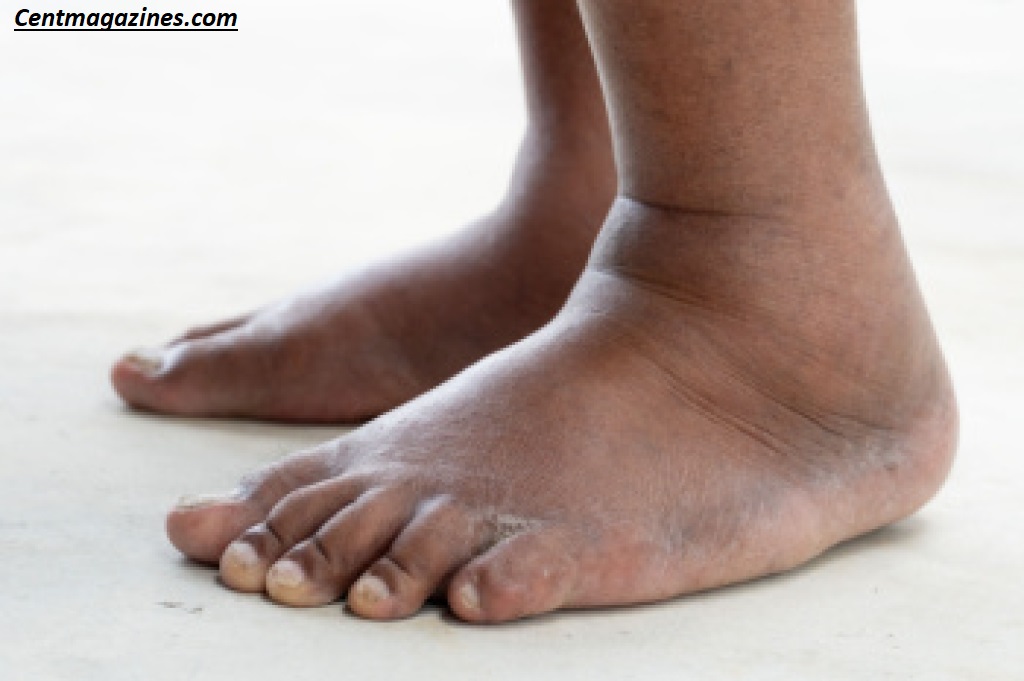
Why Do Ankles Swell? Ankle swelling means excess fluid has collected in the tissues around your ankle, making the area look puffy, feel tight, or appear larger than usual.
In medical terms, this is called peripheral edema. It can happen in one ankle or both, depending on the cause.
Swelling is not a disease itself—it is usually a symptom of something else happening in the body. For example, standing for long hours, sitting too long, or eating too much salt can cause temporary swelling.
In other cases, ankle swelling may signal circulation problems, inflammation, injury, or organ-related conditions involving the heart, kidneys, or liver.
Fluid normally moves through blood vessels and tissues in a balanced way. When that balance changes—due to pressure, injury, or poor circulation—fluid can leak into nearby tissues and cause swelling.
Mild ankle swelling often improves with rest and elevation. However, if swelling is sudden, painful, or persistent, it may need medical attention.
Understanding what ankle swelling means helps identify whether it’s harmless or linked to a more serious condition. The key is paying attention to timing, symptoms, and triggers.
Table of Contents
Quick Table
| Cause | Usually Serious? | One or Both Ankles? |
|---|---|---|
| Standing too long | No | Both |
| Injury/sprain | Sometimes | One |
| Pregnancy | Usually No | Both |
| Heart problems | Yes | Both |
| Kidney disease | Yes | Both |
| Blood clot | Yes | One |
| Infection | Yes | One |
| Poor circulation | Sometimes | Both |
| High salt intake | No | Both |
| Medication side effects | Sometimes | Both |
Why Do Ankles Swell? Common Causes
Ankles swell mainly because fluid builds up in the tissues. This happens when blood flow slows down, pressure increases in veins, or the body holds onto extra water.
One of the most common reasons is prolonged standing or sitting. Gravity pulls fluid downward, especially after long travel or desk work.
Injuries like sprains can also cause swelling. When tissues are damaged, the body sends fluid and immune cells to repair the area.
High salt intake is another major factor. Salt makes the body retain water, increasing fluid volume.
Pregnancy often causes swollen ankles because the body holds more fluid and the growing uterus puts pressure on veins.
Certain medicines can trigger swelling too, including:
- Blood pressure medications
- Steroids
- Hormonal treatments
- Anti-inflammatory drugs
Poor blood circulation, especially venous insufficiency, can make fluid pool in the lower legs.
Hot weather can also expand blood vessels, causing temporary swelling.
In many cases, these causes are manageable with lifestyle changes. But if swelling happens regularly without a clear reason, it may point to an underlying medical condition that needs evaluation.
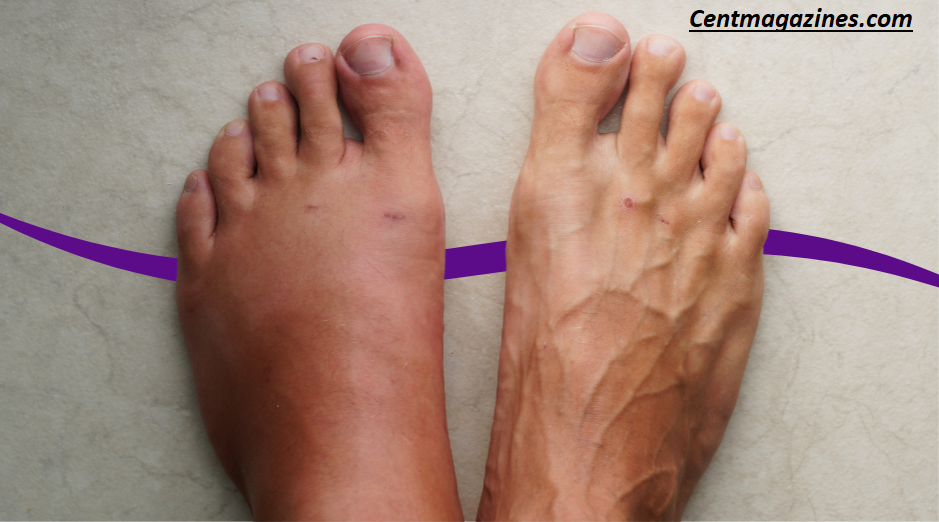
Serious Medical Causes of Swollen Ankles
Sometimes swollen ankles are a warning sign of serious health issues.
Heart failure is a major cause. When the heart cannot pump effectively, blood backs up in veins, leading to fluid buildup in the legs and ankles.
Kidney disease can cause swelling because the kidneys cannot remove excess fluid and sodium properly.
Liver disease affects protein production, especially albumin, which helps keep fluid inside blood vessels. Low protein levels can cause leakage into tissues.
A blood clot (deep vein thrombosis) can block blood flow and cause sudden swelling, usually in one leg.
Lymphedema occurs when the lymphatic system cannot drain fluid properly, leading to chronic swelling.
Infections such as cellulitis can cause redness, warmth, and swelling.
Pulmonary hypertension and certain lung diseases may also contribute to lower-body swelling.
Serious causes usually come with other symptoms like:
- Shortness of breath
- Chest pain
- Fatigue
- Fever
- Skin color changes
Ignoring persistent swelling can delay treatment for serious diseases. If ankle swelling is severe, sudden, or paired with other symptoms, medical attention should not be delayed.
Risk Factors
Certain factors increase your chances of developing swollen ankles.
Age is one major risk factor. As people get older, circulation can weaken and veins may become less efficient.
Being overweight increases pressure on veins and joints, making fluid retention more likely.
A sedentary lifestyle can slow circulation. Sitting for long periods, especially during travel, increases swelling risk.
Pregnancy naturally raises the risk because of hormone changes and increased blood volume.
People with chronic diseases like diabetes, heart disease, kidney disease, or liver disease are more vulnerable.
High sodium diets contribute to water retention.
Some occupations increase risk, including:
- Teachers
- Cashiers
- Factory workers
- Drivers
- Nurses
These jobs often involve standing or sitting for long periods.
Hormonal changes, including menstrual cycles and menopause, can influence fluid retention.
Certain medications also increase risk.
Previous leg injuries or surgeries can affect circulation and lymph drainage.
Family history of vein disease may increase susceptibility.
Risk factors don’t always cause swelling directly, but they make it more likely. Managing these factors can reduce frequency and severity.
Lifestyle habits like regular movement, hydration, and healthy eating play a big role in prevention.
Symptoms That Matter
Not all ankle swelling feels the same. The symptoms around swelling help identify the cause.
Mild swelling may only cause puffiness or tightness. Shoes may feel tighter by the end of the day.
More concerning symptoms include pain, redness, or warmth, which may indicate infection or a clot.
Watch for these important signs:
Mild symptoms:
- Puffiness
- Tight skin
- Mild discomfort
- Temporary heaviness
Moderate symptoms:
- Pain when walking
- Visible enlargement
- Stiffness
- Reduced mobility
Serious symptoms:
- Sudden swelling
- Severe pain
- Shortness of breath
- Chest pain
- Fever
- Skin discoloration
Pitting edema is another important symptom. If you press your finger into the swollen area and it leaves a dent, this suggests fluid retention.
Swelling in one ankle often points to injury, infection, or a blood clot.
Swelling in both ankles may suggest fluid retention, heart issues, or kidney problems.
Timing matters too. Swelling that worsens at night may be related to circulation, while morning swelling can suggest kidney issues.
The pattern of symptoms often gives doctors clues about the underlying cause.

How Doctors Diagnose Swollen Ankles
Doctors diagnose ankle swelling by finding the underlying cause.
The process starts with a physical exam and medical history. A doctor may ask:
- When did swelling start?
- Is it one ankle or both?
- Is there pain?
- Any recent injury?
- Any breathing issues?
The physical exam checks:
- Skin texture
- Warmth
- Redness
- Tenderness
- Pitting edema
Blood tests may help evaluate kidney, liver, or heart function.
Common tests include:
- Kidney function tests
- Liver function tests
- Electrolytes
- Protein levels
Imaging tests are often used.
Common imaging:
- Ultrasound (checks blood clots)
- X-ray (checks fractures)
- MRI (soft tissue damage)
- Echocardiogram (heart function)
Urine tests may help detect kidney disease.
If circulation problems are suspected, vascular testing may be done.
The goal is not just to confirm swelling but to understand why it’s happening.
Early diagnosis matters because some causes—like blood clots or heart failure—need urgent treatment.
The faster the cause is found, the faster effective treatment can begin.
How to Reduce Ankle Swelling
Reducing ankle swelling often starts with simple home care.
The most effective method is elevation. Raising your feet above heart level helps fluid move back into circulation.
Movement is also important. Walking improves blood flow and reduces fluid buildup.
Compression socks can support veins and improve circulation.
Reduce salt intake because sodium causes water retention.
Drink enough water. Hydration helps regulate fluid balance.
Try these steps:
- Elevate legs 3–4 times daily
- Walk every hour
- Avoid standing too long
- Wear compression stockings
- Reduce salty foods
- Stay hydrated
- Maintain healthy weight
Cold compresses may help if swelling is caused by injury.
If swelling is linked to sitting, flexing your ankles regularly improves circulation.
Avoid tight clothing around legs.
Weight management reduces pressure on joints and veins.
For pregnant women, sleeping on the left side may improve circulation.
If swelling does not improve within a few days or keeps returning, medical advice is important.
Home treatment works best for mild cases, but persistent swelling needs professional evaluation.
Treatment Options by Cause
Treatment depends on the root cause.
| Cause | Treatment |
|---|---|
| Injury | Rest, ice, compression, elevation |
| High salt intake | Reduce sodium |
| Venous insufficiency | Compression therapy |
| Heart failure | Diuretics, heart medications |
| Kidney disease | Fluid management |
| Blood clot | Blood thinners |
| Infection | Antibiotics |
| Pregnancy | Leg elevation, light exercise |
For injuries, the RICE method (rest, ice, compression, elevation) is commonly used.
Fluid retention caused by heart or kidney disease may require diuretics.
Blood clots need urgent anticoagulant treatment to prevent complications.
Infections require antibiotics.
If medication causes swelling, a doctor may adjust the prescription.
Lifestyle treatment includes:
- Exercise
- Weight loss
- Low-sodium diet
- Better hydration
Compression therapy is useful for circulation-related swelling.
Severe lymphedema may need specialized lymphatic drainage therapy.
Treating the cause—not just the swelling—is essential.
Temporary relief is helpful, but long-term management depends on correcting the underlying problem.

Prevention Checklist
Preventing ankle swelling often comes down to healthy daily habits.
Use this checklist:
Move every hour if sitting long
Avoid standing too long
Maintain healthy body weight
Limit salt intake
Stay hydrated
Exercise regularly
Wear supportive shoes
Elevate legs when resting
Manage chronic diseases
Follow medication advice
Walking is one of the best ways to improve circulation.
Stretching calf muscles helps blood return upward.
Healthy veins reduce fluid pooling.
If you travel often:
- Walk during breaks
- Flex ankles regularly
- Wear compression socks
People with chronic conditions should follow treatment plans carefully.
Managing blood pressure, blood sugar, and kidney health helps reduce swelling risk.
Avoid excessive alcohol, which can worsen dehydration and fluid imbalance.
Supportive footwear helps reduce strain on feet and ankles.
Regular health checkups can identify circulation or organ problems early.
Prevention is especially important for people at higher risk, such as older adults, pregnant women, and people with heart disease.
Small daily habits make a major difference in long-term ankle health.
When to See a Doctor
Not all ankle swelling needs a doctor—but some cases do.
See a doctor if swelling:
- Lasts more than a few days
- Keeps returning
- Gets worse over time
- Causes pain
Get urgent medical help if swelling comes with:
- Chest pain
- Shortness of breath
- Sudden severe pain
- Fever
- Redness and warmth
- One-sided swelling
These symptoms may signal serious problems like blood clots, heart failure, or infection.
If you have existing heart, kidney, or liver disease, new swelling should always be checked.
Pregnant women should seek care if swelling is sudden or severe, especially with headaches or high blood pressure.
If skin becomes tight, shiny, or starts leaking fluid, medical evaluation is important.
Ignoring symptoms can delay treatment and worsen complications.
A doctor can identify whether swelling is minor or linked to a serious condition.
Early treatment improves outcomes and reduces long-term complications.
When in doubt, getting checked is safer than waiting.
FAQs
Is ankle swelling always serious?
No. It can be caused by standing too long, salt, or minor injuries.
Can dehydration cause swollen ankles?
Indirectly, yes. Fluid imbalance can affect circulation and retention.
Why is only one ankle swollen?
It may indicate injury, infection, or a blood clot.
Does walking help swollen ankles?
Yes. Movement improves circulation and reduces fluid buildup.
Can high blood pressure cause ankle swelling?
Yes, both the condition and some medications can contribute.
AI Overview Q&A
What is the main reason ankles swell?
Fluid buildup in tissues, usually from circulation issues, injury, or water retention.
How do I reduce ankle swelling fast?
Elevate legs, reduce salt, move regularly, and use compression if needed.
When should swollen ankles be a concern?
If sudden, painful, one-sided, or paired with breathing problems.
Can heart problems cause swollen ankles?
Yes. Heart failure often causes fluid retention in lower limbs.
Are swollen ankles normal in pregnancy?
Mild swelling is common, but sudden swelling needs medical evaluation.
Conclusion
Ankle swelling is common, but understanding the cause is important.
In many cases, swollen ankles happen because of simple factors like standing too long, sitting for extended periods, eating too much salt, or minor injuries.
These situations usually improve with rest, elevation, and movement.
However, swelling can also be a signal of something more serious. Conditions involving the heart, kidneys, liver, veins, or lymphatic system can cause fluid to collect in the ankles.
When swelling becomes persistent, painful, sudden, or occurs with other symptoms like shortness of breath or chest pain, medical care becomes important.
The best way to manage ankle swelling is to identify the root cause. Home remedies can help mild swelling, but they are not a substitute for proper diagnosis when symptoms continue.
Prevention also matters. Regular exercise, healthy weight management, lower sodium intake, and good circulation habits can significantly reduce the risk.
The key takeaway is simple: occasional ankle swelling may be normal, but recurring or severe swelling should never be ignored.
Pay attention to your body. Small symptoms can reveal bigger health issues, and early action often leads to better outcomes.