Why Did Cain Kill Abel? because of jealousy and anger. In the Book of Genesis, both brothers offered sacrifices to God.
Abel’s offering was accepted, but Cain’s was not. Instead of correcting his actions or attitude, Cain became resentful and allowed his anger to grow.
God warned him to control his emotions, but Cain ignored this advice. Driven by jealousy, he invited Abel into a field and killed him.
This story highlights themes of envy, personal responsibility, and the consequences of unchecked anger.
It teaches that negative emotions, if not controlled, can lead to destructive actions and serious consequences.
Table of Contents
Quick Table
| Topic | Key Insight |
|---|---|
| Main Reason | Cain killed Abel due to jealousy and anger |
| Biblical Source | Genesis 4 |
| Core Issue | Rejected offering vs accepted sacrifice |
| Moral Conflict | Righteousness vs evil |
| Root Cause | Sin and uncontrolled emotions |
| Outcome | Cain’s punishment and exile |
| Lesson | Control anger, choose righteousness |
The Story of Cain and Abel
The Cain and Abel story is one of the most well-known accounts in the Bible and is often described as the first murder in the Bible.
Found in Genesis 4, it follows the lives of Cain and Abel, the sons of Adam and Eve.
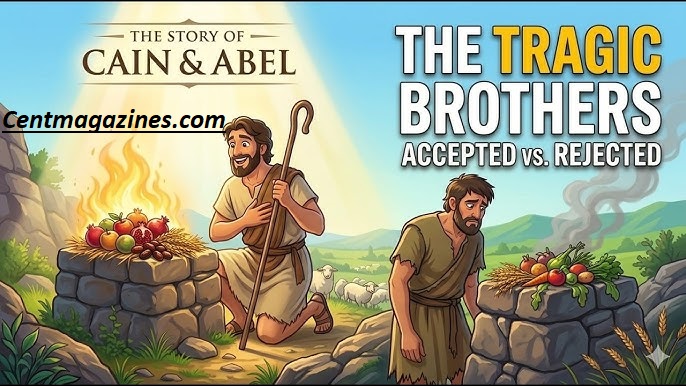
Cain was a farmer who worked the land, while Abel was a shepherd who cared for flocks. Both brothers brought a sacrifice / offering to God.
Abel offered the best portions of his flock, while Cain presented fruits from the ground. According to the Genesis 4 explanation, God accepted Abel’s offering, but He did not accept Cain’s.
This moment became the turning point. Cain grew angry and jealous when he saw that the Abel sacrifice accepted by God was favored over his own.
Instead of correcting his actions or attitude, Cain allowed negative emotions to grow.
God warned Cain about sin, telling him that it was “crouching at the door,” but Cain ignored the warning. Eventually, Cain invited Abel into the field and killed him.
This tragic moment marks the beginning of human violence and highlights deep themes like jealousy / anger, obedience, and the struggle between righteousness vs evil.
Why Did Cain Kill Abel?
The simple biblical explanation is that Cain killed Abel because of jealousy, anger, and rejection.
When God rejected Cain’s offering but accepted Abel’s, Cain felt humiliated and resentful. Instead of improving his actions, he allowed sin to control his thoughts.
The deeper answer combines multiple factors: Cain jealousy, wounded pride, and a failure to choose righteousness. This wasn’t just about an offering—it was about the condition of Cain’s heart.
In short, Cain killed Abel because he let jealousy turn into anger, and anger turn into violence—resulting in the first murder in the Bible.
Jealousy Over God’s Favor
One of the biggest reasons behind the tragedy is Cain jealousy. When Cain saw that God favored Abel, he felt overlooked and inferior.
The cain and abel meaning here reflects a universal human struggle—comparison.
Abel’s offering was accepted because it came from sincerity and faith, while Cain’s lacked the same devotion. This created a visible difference in God’s response.
Instead of being inspired, Cain became bitter. His focus shifted from self-improvement to resentment. This jealousy slowly grew into hatred.
The story clearly shows how unchecked jealousy can destroy relationships and lead to devastating consequences.
Rejected Offering
Another key factor is the rejected offering. In the Genesis 4 explanation, God did not reject Cain as a person—but He rejected his offering. This is a crucial distinction.
Abel brought the best of his flock, showing devotion and faith. Cain, however, brought a more casual offering without the same level of care.
This explains why the Abel sacrifice accepted while Cain’s was not. It wasn’t about favoritism—it was about intention and attitude.
Still, Cain misunderstood this. Instead of correcting his actions, he took it personally. This rejection fueled his anger and pushed him further toward sin.
Anger and Sin Nature
After the rejection, Cain became overwhelmed with jealousy / anger. God even warned him about sin, saying it was waiting to take control.
This part of the biblical explanation highlights human nature. Everyone faces temptation, but not everyone gives in. Cain had a choice.
Instead of mastering his anger, he allowed it to grow. His emotions clouded his judgment, leading to violence.
This shows how dangerous uncontrolled anger can be. It starts small but can escalate quickly.
Cain’s failure to control his emotions ultimately led to the first murder in the Bible, making this a powerful lesson about self-control.
Righteous vs Evil Conflict
The story also represents a deeper struggle between righteousness vs evil. Abel symbolizes righteousness—faith, obedience, and sincerity. Cain represents disobedience and moral failure.
This contrast is central to the cain and abel story. It shows that actions reflect inner character.
The conflict wasn’t just between two brothers—it was between good and evil within the human heart. Cain chose the wrong path, allowing sin to dominate.
This theme appears throughout the Bible and remains relevant today.
The cain and abel meaning ultimately teaches that every person must choose between righteousness and wrongdoing.
What Really Happened Before the Murder?
Before the murder took place, several warning signs appeared. The Genesis 4 explanation reveals that God noticed Cain’s anger early.
He asked Cain why he was upset and warned him about sin, describing it as something dangerous waiting to control him.
This moment is often overlooked in many explanations of the cain and abel story, but it is crucial. Cain was given a chance to change.
He could have corrected his offering, improved his attitude, or sought forgiveness.
Instead, Cain ignored the warning. His jealousy / anger continued to grow. Internally, he was battling emotions like rejection, pride, and resentment.
Another important detail is that Cain planned the act. He invited Abel into the field, which shows intention rather than impulse.
This wasn’t just a sudden reaction—it was a decision influenced by unresolved anger.
The situation also reflects early human struggles after Adam and Eve—living in a world where sin had already entered.
Cain’s actions demonstrate how quickly humanity moved from disobedience to violence.
Understanding these events helps us see that the murder didn’t happen instantly. It was the result of a process—unchecked emotions, ignored warnings, and poor choices.

Deeper Meaning of Cain and Abel
The cain and abel meaning goes far beyond the surface-level story. It represents the internal battle every human faces—choosing between right and wrong.
From a deeper biblical explanation, Cain symbolizes self-centeredness, while Abel represents faith and righteousness. Their offerings reflect their hearts.
This is why the Abel sacrifice accepted but Cain’s was not.
The story also introduces the concept of accountability. After the murder, God asked Cain where Abel was. Cain responded, “Am I my brother’s keeper?” This question still resonates today.
Another key theme is consequences. The cain punishment was severe—he was cursed and forced to wander. This shows that actions have lasting effects.
Additionally, the story reflects the spread of sin from Adam and Eve to the next generation. It highlights how moral failure can escalate if not addressed.
The contrast between righteousness vs evil is central. Abel chose righteousness, while Cain chose disobedience.
Ultimately, this story is not just historical—it’s symbolic of human nature, choices, and the importance of doing what is right.
Lessons We Can Learn Today
The cain and abel story offers powerful lessons that remain relevant today.
First, it teaches the danger of jealousy / anger. Like Cain, people often compare themselves to others. This can lead to resentment if not managed properly.
Second, it highlights the importance of intention. The difference between the brothers wasn’t their work—it was their attitude. This is why the rejected offering became such a key moment.
Third, it shows the importance of controlling emotions. God warned Cain about sin, but he ignored it. Today, the lesson is clear: address problems early before they grow.
Fourth, accountability matters. The question “Am I my brother’s keeper?” reminds us of our responsibility toward others.
Fifth, actions have consequences. The cain punishment shows that wrongdoing leads to serious outcomes.
Finally, the story emphasizes choosing righteousness vs evil. Every person faces this choice daily.
This Genesis 4 explanation is not just about the past—it’s a guide for living a better life today by making wise, thoughtful decisions.

FAQs
Why did God reject Cain’s offering?
Because it lacked sincerity and proper intention compared to Abel’s.
How did Cain kill Abel?
The Bible does not specify the exact method, only that he killed him in the field.
What was Cain’s punishment?
The cain punishment was exile—he became a wanderer on the earth.
What is the main lesson of the story?
Control jealousy / anger and choose righteousness over sin.
Where is this story found?
In Genesis 4.
Conclusion
So, why did Cain kill Abel? The answer is both simple and deeply complex. At the surface, it was because of jealousy, anger, and a rejected offering.
But at a deeper level, it reflects the struggle with sin, pride, and the failure to choose righteousness.
The cain and abel story is powerful because it mirrors real human emotions. Everyone experiences comparison, rejection, and frustration at some point.
What matters is how those emotions are handled.
The Genesis 4 explanation shows that Cain had a choice. He was warned but ignored it.
His story serves as a reminder that small negative emotions can grow into serious consequences if left unchecked.
The contrast between righteousness vs evil is central. Abel chose faith and sincerity, while Cain allowed sin to take control.
The first murder in the Bible is not just about violence—it’s about human nature. It teaches responsibility, self-control, and the importance of doing what is right.
In the end, the story challenges every reader: when faced with jealousy or anger, will you choose the path of Cain—or the path of righteousness?