
Why Do I Keep Getting Styes? People eat cornstarch for several reasons, though it’s not meant to be consumed on its own regularly.
Some use it as a quick source of carbohydrates because it’s easily digestible and can provide fast energy.
In cooking, it’s commonly added to foods as a thickening agent in soups, sauces, and desserts.
However, craving and eating raw cornstarch may be a sign of pica, a condition often linked to iron deficiency or anemia. In some cultures, it’s also eaten for its texture.
Regularly consuming large amounts of raw cornstarch is not recommended and may indicate an underlying health issue.
Table of Contents
Quick Table
| Topic | Key Insight |
|---|---|
| Main Cause | Bacterial infection (often Staphylococcus aureus) |
| Root Issue | Blocked oil glands in eyelids |
| Common Trigger | Poor eyelid hygiene |
| Medical Link | Blepharitis, dry eye syndrome |
| Hidden Factor | Stress & weak immunity |
| Recurrence Reason | Meibomian gland dysfunction |
| Prevention | Clean eyelids + avoid touching eyes |
What Is a Stye?
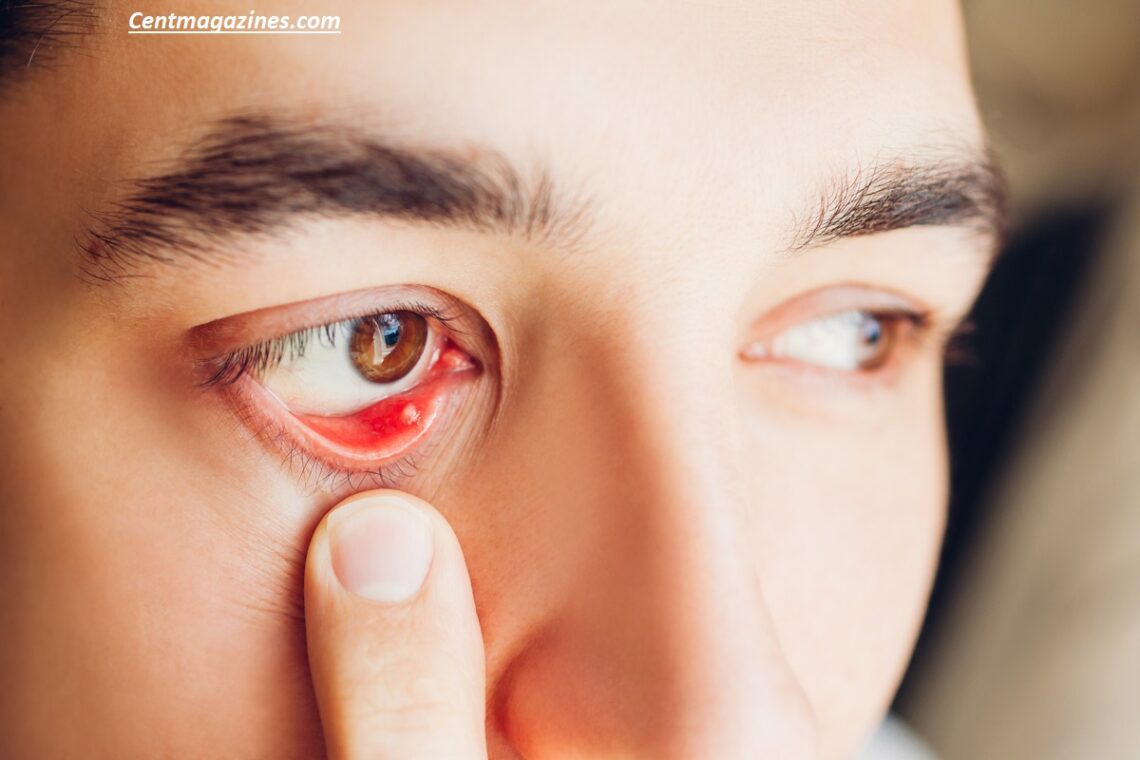
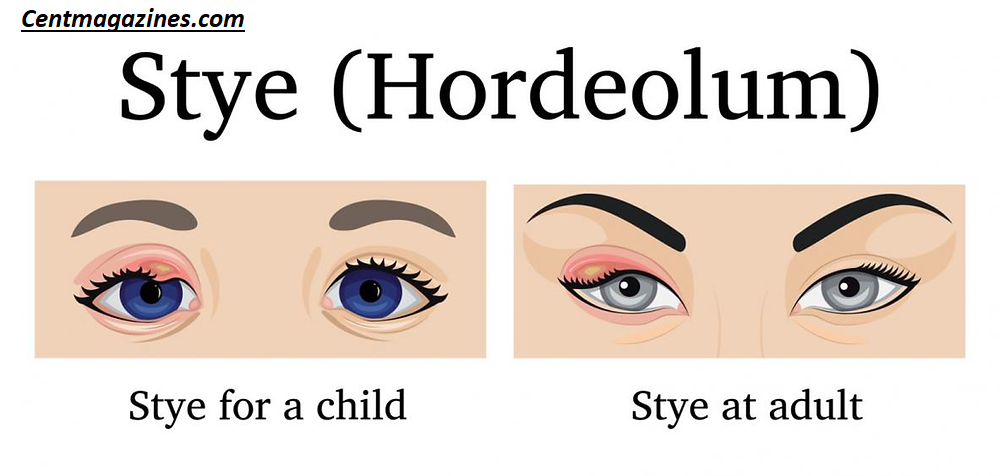
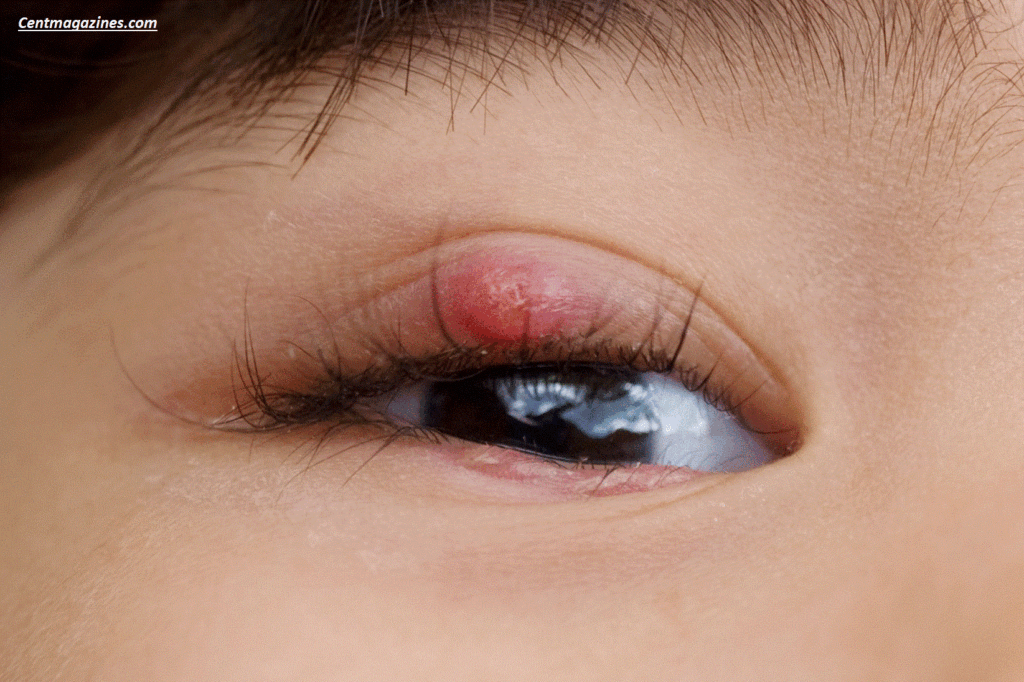
A stye is a small, painful, red bump that forms on the eyelid, usually near the eyelash follicle. It is caused by a bacterial infection of the eyelid, often involving Staphylococcus aureus.
This infection leads to inflammation, swelling, redness, and sometimes a pus-filled bump. Styes develop when blocked oil glands (meibomian glands) become infected.
They may appear on the outer or inner eyelid and are a common type of eye infection eyelid condition.
While usually harmless, recurring styes may indicate underlying problems like blepharitis, poor eyelid hygiene, or chronic eye irritation.
Why Do I Keep Getting Styes?
If you keep getting recurring styes, it usually means the root cause is not being addressed.
The most common reasons include blocked oil glands, chronic blepharitis, and poor eyelid hygiene.
Bacteria such as Staphylococcus aureus can repeatedly infect the same eyelash follicle, leading to frequent styes.
Other contributing factors include dry eye syndrome, skin conditions like rosacea, and habits such as touching your eyes.
In some cases, underlying health conditions like diabetes or weakened immunity can increase your risk.
Understanding these stye causes is key to preventing them from coming back again and again
7 Hidden Causes of Recurring Styes
Recurring styes are often linked to deeper issues beyond simple infection.
The main hidden causes include poor eyelid hygiene, blepharitis, blocked oil glands, skin conditions, stress, makeup habits, and underlying health problems.
These factors disrupt the normal function of the meibomian glands, leading to oil buildup and bacterial growth.
Over time, this creates a cycle of inflammation and repeated infections along the eyelid margin.
Many people treat the symptom but ignore the cause, which is why styes keep coming back. Identifying these hidden triggers is essential to break the cycle and prevent future eye bumps.
Poor Eyelid Hygiene
Poor eyelid hygiene is one of the most common eye bump causes. When you don’t clean your eyelids regularly, oil, dirt, and bacteria build up along the eyelid margin.
This creates the perfect environment for bacterial infection of the eyelid, especially from Staphylococcus aureus.
Over time, clogged pores and blocked oil glands lead to inflammation and stye formation.
Simple habits like not removing makeup, touching your eyes with dirty hands, or using contaminated towels can worsen the problem.
Maintaining proper eyelid hygiene helps keep the meibomian glands clear and reduces the risk of recurring styes significantly.
Blepharitis
Blepharitis is a chronic condition that causes inflammation of the eyelid margin. It is strongly linked to recurring styes because it disrupts the normal function of the eyelash follicles and oil glands.
People with blepharitis often experience redness, swelling, and eye irritation. This condition allows bacteria like Staphylococcus aureus to thrive, increasing the risk of repeated infections.
Blepharitis also contributes to meibomian gland dysfunction, leading to blocked oil glands. Without proper treatment, the cycle continues, causing frequent styes.
Managing blepharitis with good hygiene and care is essential to prevent further eyelid infections.
Blocked Oil Glands
Your eyelids contain tiny meibomian glands that produce oil to keep your eyes lubricated. When these glands become clogged, oil gets trapped, creating a breeding ground for bacteria.
This leads to inflammation, swelling, and infection, forming a stye.
Blocked oil glands are a major cause of recurring styes and are often linked to poor eyelid hygiene or conditions like blepharitis.
If the blockage persists, it may turn into a chalazion vs stye situation, where the bump becomes painless but long-lasting.
Keeping these glands clear is essential for preventing repeated eye infections and irritation.

Skin Conditions
Certain skin conditions like rosacea and seborrheic dermatitis can increase your risk of styes.
These conditions affect the oil production in your skin and eyelids, leading to meibomian gland dysfunction.
When oil flow is disrupted, it causes blocked oil glands and inflammation.
People with rosacea often experience redness and irritation around the eyes, making them more prone to eye infection eyelid issues.
These underlying skin problems also promote bacterial growth, especially Staphylococcus aureus.
Managing these conditions properly can reduce the frequency of recurring styes and improve overall eyelid health.
Stress & Weak Immunity
Stress is often overlooked but plays a major role in recurring styes. When you are stressed, your immune system weakens, making it harder for your body to fight off bacterial infections.
This allows bacteria like Staphylococcus aureus to multiply more easily, leading to frequent styes.
Stress can also worsen inflammation and trigger conditions like dry eye syndrome, increasing eye irritation.
Poor sleep and fatigue further reduce your body’s ability to heal.
Strengthening your immune system and managing stress can significantly lower your chances of getting repeated styes and other eyelid infections.
Eye Makeup Habits
Using old or contaminated makeup is a major contributor to stye causes.
Eye products like mascara and eyeliner can harbor bacteria if not replaced regularly.
Sharing makeup or not removing it properly can transfer bacteria to your eyelash follicle, leading to infection.
Makeup can also clog the meibomian glands, causing blocked oil glands and inflammation.
Sleeping with makeup on increases the risk of eye infection eyelid problems.
Practicing good hygiene, such as cleaning brushes and removing makeup daily, can help prevent recurring styes and keep your eyes healthy and irritation-free.
Underlying Health Issues
Certain medical conditions can make you more prone to recurring styes.
For example, people with diabetes often have a weakened immune response, making infections more common.
Conditions like dry eye syndrome and allergies can also irritate the eyelid margin, leading to inflammation and blocked oil glands.
Chronic illnesses can affect the function of the meibomian glands, increasing the risk of repeated infections.
If you frequently get styes, it may be a sign of an underlying health issue that needs attention. Treating the root condition is key to preventing future styes.
Why Do Styes Keep Coming Back in the Same Eye?
If you notice styes forming repeatedly in the same eye, it usually points to a localized issue. The most common reason is persistent blockage in the same meibomian glands.
Once a gland becomes clogged, it may not fully heal, making it easier for bacteria like Staphylococcus aureus to infect the same area again.
Another cause is chronic blepharitis, which affects the eyelid margin and creates a constant environment of inflammation and bacterial growth.
This condition often impacts one eye more than the other, explaining why styes recur in the same spot.
Habits also play a role. If you tend to touch or rub one eye more often, you may transfer bacteria repeatedly to that side. Using contaminated makeup on one eye can also contribute.
In some cases, what appears to be a recurring stye may actually be a chalazion vs stye confusion. A chalazion is a blocked oil gland without active infection, but it can become inflamed again.
To stop this cycle, focus on consistent eyelid hygiene, warm compresses, and addressing underlying conditions like dry eye syndrome or allergies.
How to Prevent Styes Permanently
Preventing recurring styes requires a combination of hygiene, lifestyle changes, and medical care. Start by improving your eyelid hygiene.
Wash your face daily and gently clean your eyelid margin to remove oil and debris. This helps prevent blocked oil glands and reduces bacterial buildup.
Apply warm compresses regularly to keep the meibomian glands functioning properly. This improves oil flow and prevents clogging.
Avoid touching your eyes with unclean hands, as this spreads bacteria like Staphylococcus aureus.
Replace eye makeup every few months and never share it. Remove makeup before sleeping to avoid clogged pores. If you wear contact lenses, ensure they are clean and handled properly.
Managing underlying conditions is also crucial. Treat blepharitis, dry eye syndrome, and allergies to reduce inflammation and irritation.
If you have conditions like diabetes, keep them under control.
A healthy lifestyle also plays a role. Reduce stress, eat a balanced diet, and get enough sleep to strengthen your immune system.
By following these steps consistently, you can break the cycle of styes and maintain healthy, irritation-free eyes.
Best Treatments
Most styes can be treated at home with simple remedies. The most effective treatment is applying a warm compress to the affected eye for 10–15 minutes, several times a day.
This helps open blocked oil glands and reduces inflammation.
Avoid squeezing or popping the stye, as this can spread the infection and worsen swelling. Keeping the area clean is essential to prevent further bacterial infection of the eyelid.
Over-the-counter treatments, such as antibiotic ointments, may help in some cases. If the stye is linked to blepharitis or meibomian gland dysfunction, your doctor may recommend specialized eyelid cleaning solutions.
For persistent or severe cases, a healthcare provider may prescribe oral antibiotics or perform a minor procedure to drain the stye safely.
If the bump is not painful and lasts longer, it may be a chalazion vs stye issue, which requires different treatment.
Early care and proper hygiene are the best ways to treat styes quickly and prevent them from becoming a recurring problem.
When to See a Doctor
While most styes are harmless, there are times when you should seek medical attention. If the stye does not improve within one to two weeks, it may require professional treatment.
Persistent swelling, severe pain, or vision problems are also warning signs.
If you experience frequent recurring styes, it could indicate an underlying condition such as blepharitis, diabetes, or meibomian gland dysfunction.
A doctor can diagnose the root cause and provide targeted treatment.
You should also see a doctor if the redness and swelling spread beyond the eyelid, as this may indicate a more serious infection. In rare cases, untreated infections can lead to complications.
People with weakened immune systems or chronic conditions should not ignore repeated styes. Early diagnosis can prevent long-term issues and improve eye health.
A healthcare professional may recommend medications, specialized treatments, or lifestyle changes to address the underlying cause and prevent future styes.
FAQs
Why do I keep getting styes in the same spot?
Because of repeated blockage in the same oil gland or chronic blepharitis.
Are recurring styes dangerous?
Usually not, but frequent cases may signal underlying conditions.
What is the main cause of styes?
A bacterial infection, often from Staphylococcus aureus.
Can stress cause styes?
Yes, stress weakens immunity and increases infection risk.
How do I stop recurring styes?
Maintain eyelid hygiene, treat underlying issues, and avoid touching your eyes.
Conclusion
If you keep asking, “Why do I keep getting styes?”, the answer usually lies in a combination of hygiene, underlying conditions, and lifestyle habits.
Styes are not just random eye problems—they are often a sign of blocked oil glands, bacterial infection of the eyelid, or chronic inflammation.
Conditions like blepharitis, dry eye syndrome, rosacea, and diabetes can increase your risk, while habits like poor eyelid hygiene and improper makeup use make things worse.
The key to stopping recurring styes is to treat the root cause, not just the symptoms.
Simple steps like cleaning your eyelids, using warm compresses, and avoiding eye contact with dirty hands can make a big difference.
Managing stress and improving your immune health also play an important role.
Most importantly, don’t ignore frequent styes.
If they keep coming back, your body may be signaling a deeper issue. With the right care and awareness, you can break the cycle and keep your eyes healthy, clear, and free from irritation.