
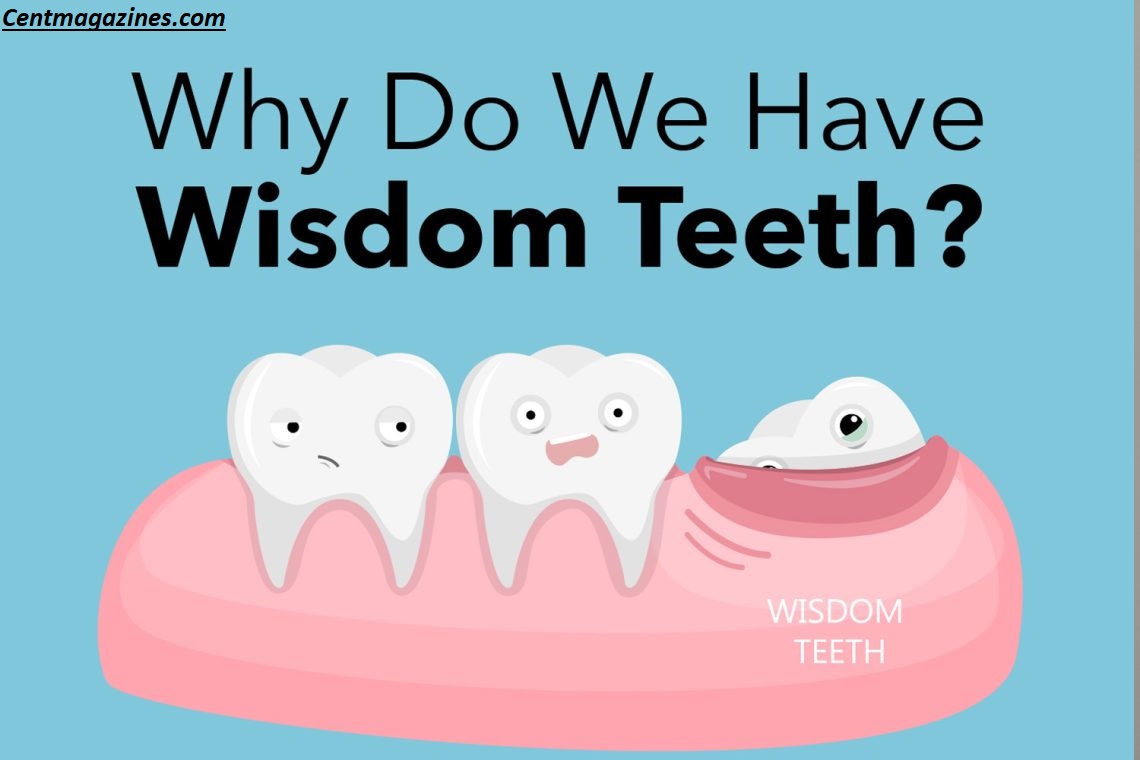
Why Do We Have Wisdom Teeth? Wisdom teeth are the third set of molars that usually grow in late teens or early adulthood.
We have them because our ancestors needed extra teeth to chew tough foods like raw meat, roots, and plants.
Early human jaws were larger, so wisdom teeth fit properly and helped with grinding food.
Over time, human diets became softer and jaws became smaller due to evolution, leaving less space for these teeth.
As a result, wisdom teeth often become impacted, painful, or misaligned today. They are considered vestigial organs, meaning they are useful in the past but less necessary now.
Table of Contents
Quick Table
| Topic | Key Insight |
|---|---|
| What are wisdom teeth? | Third molars that appear in early adulthood |
| Purpose of wisdom teeth | Helped human ancestors chew tough food |
| When do wisdom teeth come in | Usually between ages 17–25 |
| Are wisdom teeth useless? | Mostly yes in modern humans |
| Why do wisdom teeth hurt | Lack of space, impaction, infection |
| Do all humans have wisdom teeth | No, some people never develop them |
| Why remove wisdom teeth | Prevent pain, overcrowding, and infection |
What Are Wisdom Teeth?
Wisdom teeth, also called third molars, are the last set of teeth that grow at the back of your mouth.
They usually appear in late teens or early adulthood, which is why people often ask when do wisdom teeth come in.
These teeth were once essential for our human ancestors, helping them chew raw plants and tough meat. Today, however, they often cause more harm than good.
Because of jaw evolution and smaller modern jaws, there is often not enough room for them.
This leads to overcrowding, discomfort, and various dental health issues.
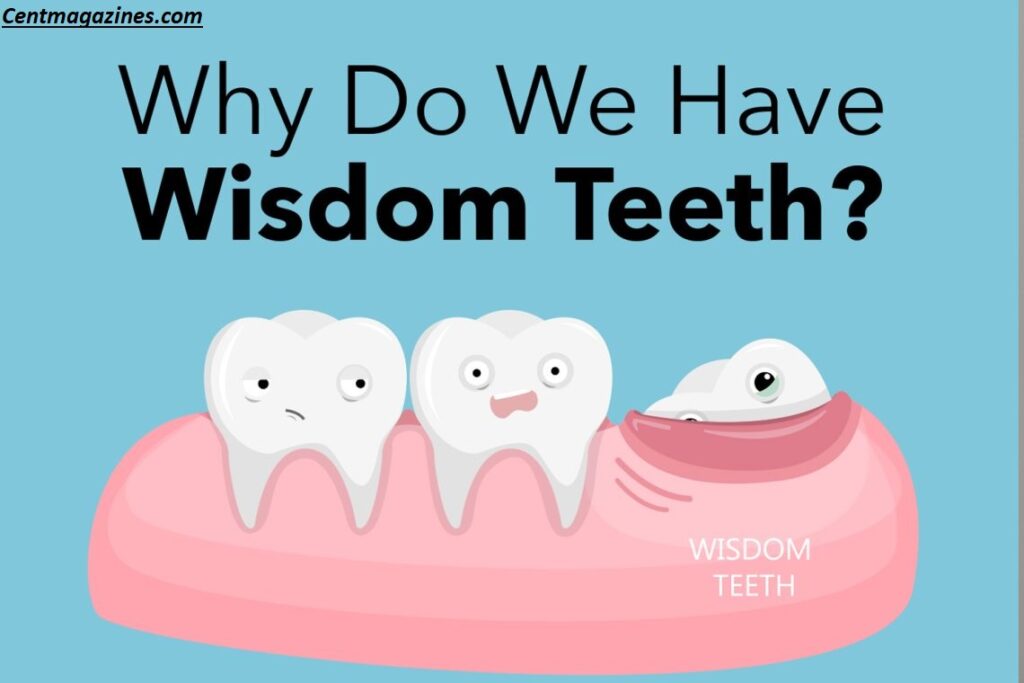
Impacted Wisdom Teeth
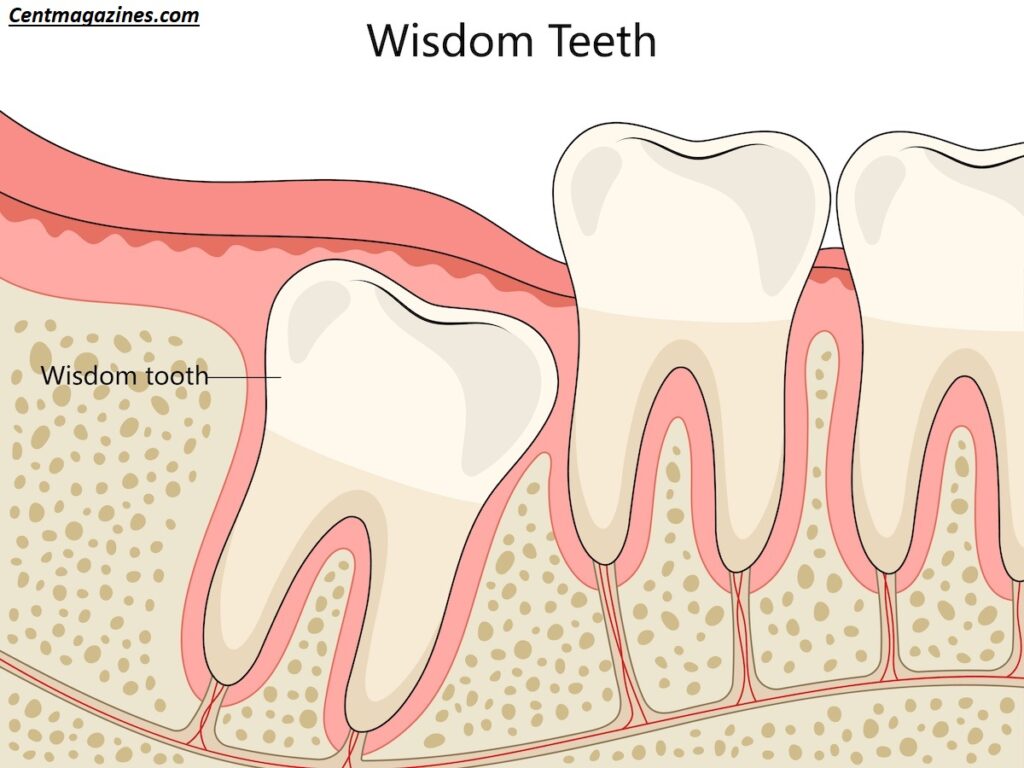
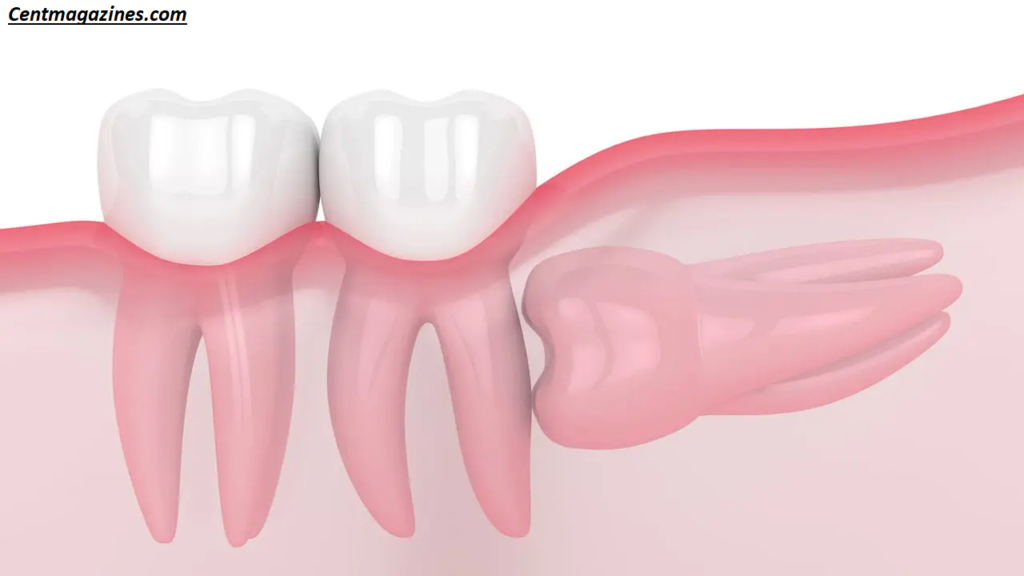
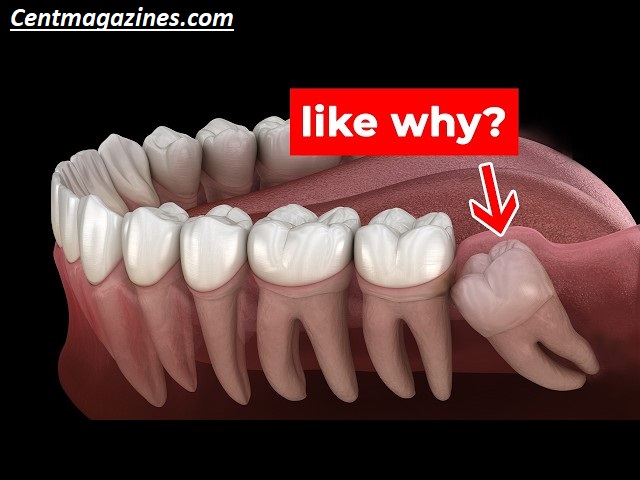
Impacted teeth occur when wisdom teeth don’t have enough space to grow properly. Instead of emerging fully, they become trapped under the gums or grow at odd angles.
This is one of the main reasons people wonder why do wisdom teeth hurt. Impacted wisdom teeth can press against neighboring teeth, causing pain and misalignment.
In many cases, they remain partially hidden, creating pockets where bacteria thrive.
This increases the risk of infection and swelling. Impacted teeth are one of the most common reasons dentists recommend tooth extraction or oral surgery.
Symptoms
If you’re asking why do wisdom teeth grow and then cause discomfort, symptoms are often the first clue. Common signs include jaw pain, swelling, redness in the gums, and difficulty opening your mouth
. You may also notice bad breath or an unpleasant taste due to bacterial buildup.
Headaches and ear pain can also occur because of pressure in the jaw. These symptoms are especially common when wisdom teeth are impacted or growing incorrectly.
Recognizing these signs early can help prevent serious dental health complications and reduce the need for complex oral surgery later.
Risks
Ignoring wisdom teeth problems can lead to serious risks. One major issue is infection, which can spread to surrounding tissues and even affect overall health.
Impacted teeth can also cause cysts or damage nearby teeth due to pressure and overcrowding. Another risk is gum disease, as partially erupted teeth are hard to clean properly.
This creates an ideal environment for bacteria. Over time, this can lead to tooth decay and long-term oral complications.
These risks explain why remove wisdom teeth is such a common recommendation by dentists worldwide.
Treatment Options
Treatment depends on the severity of the problem. If wisdom teeth grow normally and don’t cause issues, they may not require removal.
However, if there is pain, overcrowding, or infection, dentists often recommend tooth extraction. This procedure is usually done through oral surgery, especially for impacted teeth.
Pain relief medications and antibiotics may also be used to manage symptoms temporarily. Regular dental checkups are essential to monitor their growth.
Understanding your options helps answer are wisdom teeth useless—because even if they aren’t always harmful, they often require careful management.
Why Did Humans Evolve Wisdom Teeth?
To understand the purpose of wisdom teeth, we need to look at early human history. Our human ancestors had much larger jaws and a very different diet.
They consumed raw vegetables, nuts, roots, and tough meat that required intense chewing. In this environment, having extra molars—third molars—was extremely useful.
This is where jaw evolution plays a key role. Thousands of years ago, larger jaws could easily accommodate more teeth.
Wisdom teeth acted as backup grinders, helping break down hard foods and ensuring survival. At that time, tooth wear and damage were common, so having extra teeth was a biological advantage.
However, as diet changes occurred—especially with cooking and food processing—humans no longer needed such powerful chewing ability. Softer diets reduced the need for additional molars.
Over generations, our jaws became smaller, but wisdom teeth didn’t disappear completely.
This mismatch between jaw size and tooth count explains why do wisdom teeth grow even today. They are essentially a leftover feature from our evolutionary past.
While they once served a clear function, modern lifestyles have made them largely unnecessary, leading many people to question their relevance.
Why Don’t We Need Them Today?
In modern times, wisdom teeth are often considered unnecessary. So, are wisdom teeth useless? For most people, the answer is yes.
The main reason lies in how human lifestyles have changed over time.
Today’s diets consist of soft, processed foods that require far less chewing effort. This means we no longer need extra molars to grind food effectively.
At the same time, jaw evolution has led to smaller jaws, leaving little room for additional teeth. This creates problems like overcrowding and misalignment.
Another factor is modern dental health care. In the past, losing teeth was common, so extra molars were helpful replacements.
Now, with better hygiene and dental treatments, we can preserve our teeth for much longer. This reduces the need for backup teeth like wisdom teeth.
Because of these changes, wisdom teeth often become more of a liability than an asset. They can lead to pain, infection, and other complications.
This is why many dentists recommend monitoring or removing them.
So while wisdom teeth once had a clear purpose, they no longer serve a meaningful role in most people’s lives today.
Why Do Wisdom Teeth Cause Problems?
If wisdom teeth are natural, why do they cause so many issues? The answer lies in space—or the lack of it.
Modern human jaws are smaller due to jaw evolution, which means there often isn’t enough room for third molars to grow properly.
This leads to impacted teeth, where wisdom teeth become trapped under the gums or grow sideways. This is a major reason behind why do wisdom teeth hurt.
The pressure they exert on nearby teeth can cause pain, swelling, and even damage to surrounding structures.
Another problem is hygiene. Wisdom teeth are located at the very back of the mouth, making them difficult to clean.
This increases the risk of infection, cavities, and gum disease. Partially erupted teeth create openings where bacteria can accumulate, worsening the problem.
Additionally, wisdom teeth can cause overcrowding, pushing other teeth out of alignment.
This can undo years of orthodontic work and lead to further complications.
These combined factors explain why wisdom teeth are often problematic. While not everyone experiences issues, a large percentage of people do—making it one of the most common dental concerns worldwide.
Do All People Have Wisdom Teeth?
A common question is: do all humans have wisdom teeth? Surprisingly, the answer is no. While most people develop wisdom teeth, some individuals never form them at all.
This variation is linked to genetics and ongoing jaw evolution.
Over time, humans are gradually evolving to have fewer teeth. In some populations, the absence of third molars is becoming more common.
This suggests that wisdom teeth may eventually disappear entirely in the distant future.
Even among those who do develop wisdom teeth, the number can vary. Some people have all four, others may have fewer, and in rare cases, none at all.
Additionally, not all wisdom teeth cause problems. If they grow properly and align with other teeth, they may function like normal molars.
However, due to limited space in modern jaws, many people experience complications such as impacted teeth, overcrowding, or infection.
This is why regular dental checkups are important.
So while wisdom teeth are common, they are not universal—and their presence (or absence) depends largely on genetics and evolution.
Should You Remove Wisdom Teeth?
The question why remove wisdom teeth depends on individual circumstances. Not everyone needs to have them removed, but in many cases, tooth extraction is recommended to prevent future problems.
Dentists usually suggest removal if there are signs of impacted teeth, pain, infection, or overcrowding.
These issues can worsen over time and lead to more serious complications if left untreated. Early removal is often easier and involves less risk.
The procedure itself is a common form of oral surgery. It is typically done under local or general anesthesia, and recovery usually takes a few days.
While it may sound intimidating, modern techniques make it relatively safe and manageable.
However, if wisdom teeth grow normally and do not cause any problems, they may not need to be removed. Regular monitoring is key in such cases.
Ultimately, the decision should be made in consultation with a dental professional. They can assess your situation and recommend the best course of action based on your dental health needs.
FAQ’s
Why do wisdom teeth grow?
They are a leftover trait from human ancestors who needed extra teeth for chewing tough food.
When do wisdom teeth come in?
Usually between ages 17 and 25.
Are wisdom teeth useless?
In most modern cases, yes, due to smaller jaws and softer diets.
Why do wisdom teeth hurt?
Pain is often caused by impacted teeth, pressure, or infection.
Do all humans have wisdom teeth?
No, some people never develop them due to genetics and evolution.
Conclusion
Wisdom teeth are a fascinating example of how human evolution shapes our bodies over time.
Once essential for survival, these third molars helped our human ancestors process tough foods and maintain proper nutrition.
However, due to diet changes and jaw evolution, they have become largely unnecessary in modern life.
Today, wisdom teeth often create more problems than benefits. Issues like impacted teeth, overcrowding, and infection are common, leading many people to seek tooth extraction or oral surgery.
This explains why so many individuals ask questions like why do wisdom teeth hurt or why remove wisdom teeth.
At the same time, not everyone experiences complications. Some people have wisdom teeth that grow normally and function without issues.
Others may not develop them at all, highlighting the ongoing changes in human biology.
Understanding the purpose of wisdom teeth and their role in our evolutionary past helps make sense of their presence today.
While they may no longer be necessary, they remain an important part of the conversation around dental health.
In the end, whether to keep or remove wisdom teeth depends on individual circumstances—but one thing is clear: they are a relic of our past that continues to impact us today.