
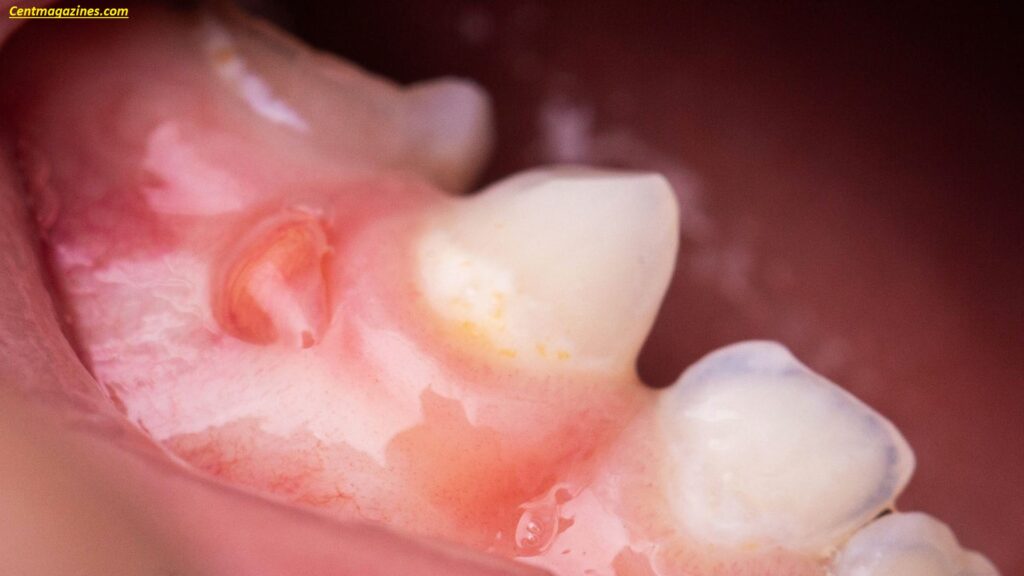
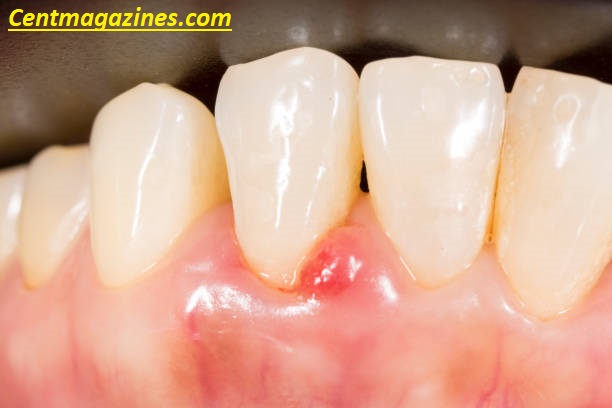
Why Is My Gum Swollen gums around in the Back? a single tooth in the back are often caused by gum infection or irritation.
Common reasons include food particles stuck between teeth, plaque buildup, or gingivitis affecting that area.
Sometimes, it may signal a tooth abscess, which is an infection at the tooth root, often accompanied by pain, redness, or pus.
Other causes can be wisdom teeth erupting, braces or dental appliances, or minor trauma from chewing.
Maintaining good oral hygiene, including flossing and rinsing with antiseptic mouthwash, usually helps, but persistent swelling should be evaluated by a dentist to prevent infection or complications.
Table of Contents
Quick Table
| Issue | Possible Cause | Symptoms | Quick Fix |
|---|---|---|---|
| Swollen gum around one tooth | Food stuck | Mild pain, gum redness | Floss, rinse |
| Gum inflammation | Gingivitis | Bleeding gums, bad breath | Improve oral hygiene |
| Severe swelling | Periodontitis | Loose tooth, pus | Dentist visit |
| Painful swelling | Dental abscess | Severe dental pain | Urgent care |
| Back gum swelling | Wisdom tooth | Pressure, swelling | Salt rinse |
| Gum injury | Brushing too hard | Soreness | Gentle care |
| Decay-related swelling | Tooth decay | Sensitivity, infection | Fillings |
What Does It Mean If One Gum Is Swollen in the Back?
If you’re wondering why is my gum swollen around one tooth in the back, it usually points to a localized problem rather than a whole-mouth condition.
This means something is specifically affecting that single tooth or the surrounding gum tissue.
In most cases, swelling is caused by gum inflammation, which happens when bacteria build up in your mouth. This bacteria forms plaque buildup, a sticky film that coats your teeth. If not removed through proper oral hygiene, plaque hardens into tartar, leading to irritation and infection.
Your body reacts through an immune response, sending blood and protective cells to fight the infection. This results in visible gum redness, swelling, and sometimes bleeding gums.
When the swelling is in the back, it often involves molars or wisdom teeth. These areas are harder to clean, making them more prone to bacteria, infection, and tooth decay.
You might also notice bad breath, discomfort, or mild dental pain.
While some causes are minor (like food stuck between teeth), others—such as gingivitis, periodontitis, or a dental abscess—can become serious if ignored.
Understanding the cause early helps you treat it quickly and prevent complications.

7 Causes of Swollen Gum Around One Back Tooth
There are several reasons why your gum may be swollen around one tooth in the back. Below are the most common causes explained simply:
Food Stuck
Food particles can easily get trapped between back teeth. This leads to bacterial growth, causing gum inflammation, irritation, and swelling. It may also cause bad breath if not removed.
Gingivitis
Gingivitis is an early stage of gum disease caused by plaque buildup. It leads to gum redness, swelling, and bleeding gums, especially when brushing.
Periodontitis
If gingivitis worsens, it can develop into periodontitis. This advanced condition damages the gums and bone, leading to severe swelling, infection, and even tooth loss.
Abscess
A dental abscess is a pocket of pus caused by a bacterial infection. It results in intense dental pain, swelling, and sometimes fever.
Wisdom Tooth
When a wisdom tooth is erupting, it can trap bacteria under the gum. This causes swelling, infection, and discomfort in the back of the mouth.
Injury
Brushing too hard or using sharp foods can injure the gum. This leads to temporary swelling and soreness.
Tooth Decay
Untreated tooth decay allows bacteria to reach deeper layers, causing infection, swelling, and pain.
Symptoms You Should NOT Ignore
While mild swelling may go away on its own, some symptoms signal a more serious issue. If you notice any of the following, don’t ignore them:
- Persistent gum inflammation lasting more than a few days
- Severe dental pain or throbbing sensation
- Bleeding gums when brushing or flossing
- Swelling that spreads to the face or jaw
- Pus or discharge (sign of infection or dental abscess)
- Loose tooth (possible periodontitis)
- Constant bad breath despite brushing
- Increased sensitivity to hot or cold
These symptoms often indicate an underlying gum infection or advanced disease. The progression usually follows this path:
Plaque buildup → tartar → bacteria growth → inflammation → infection
If left untreated, your body’s immune response can’t control the infection, leading to worsening damage.
Back teeth are especially vulnerable because they are harder to clean properly. This makes oral hygiene even more important.
Ignoring these warning signs can result in serious complications, including tooth loss or spreading infection.
Quick Fixes You Can Try at Home
If your gum is swollen around one tooth in the back, you can try these simple remedies to reduce discomfort:
1. Saltwater Rinse
Mix salt in warm water and rinse your mouth. This helps reduce bacteria and inflammation.
2. Improve Oral Hygiene
Brush twice daily and floss carefully. Removing plaque buildup prevents it from turning into tartar.
3. Use Antibacterial Mouthwash
This reduces gum infection and controls bad breath.
4. Cold Compress
Apply a cold pack outside your cheek to reduce swelling and dental pain.
5. Remove Food Debris
Use floss or a water flosser to clean between teeth.
6. Avoid Irritating Foods
Stay away from very hot, spicy, or hard foods that can worsen gum redness.
7. Pain Relief
Over-the-counter pain relievers can help temporarily.
These fixes are helpful for minor issues like food stuck or mild gingivitis, but they won’t cure serious conditions like periodontitis or a dental abscess.
When to See a Dentist
You should see a dentist if your symptoms don’t improve within 2–3 days or if they worsen.
Seek professional care if you experience:
- Severe or persistent dental pain
- Swelling that doesn’t go down
- Signs of infection (pus, fever)
- Loose tooth or gum recession
- Difficulty chewing
Dentists can diagnose the exact cause, whether it’s tooth decay, gingivitis, or periodontitis.
They may perform treatments such as:
- Professional cleaning (removes tartar)
- Antibiotics for gum infection
- Drainage of a dental abscess
- Fillings or root canal for decay
Early treatment prevents complications and protects your oral health.
Remember, your mouth is connected to your overall health. Untreated infections can spread and become serious.
How to Prevent It
Prevention is the best way to avoid swollen gums around one tooth in the back.
Maintain Good Oral Hygiene
Brush twice daily and floss regularly to remove plaque buildup before it hardens into tartar.
Regular Dental Checkups
Visit your dentist every 6 months for cleaning and early detection of gum inflammation.
Eat a Healthy Diet
Limit sugary foods that feed bacteria and cause tooth decay.
Stay Hydrated
Water helps wash away food particles and bacteria.
Use Proper Brushing Technique
Avoid brushing too hard to prevent gum injury.
Clean Back Teeth Properly
Pay extra attention to molars and wisdom teeth where food easily gets trapped.
Quit Smoking
Smoking weakens your immune response and increases risk of periodontitis.
By following these habits, you can reduce the risk of gum infection, bleeding gums, and swelling.
FAQ’S
Why is only one gum swollen in the back?
Usually due to localized issues like food stuck, infection, or tooth decay.
Can swollen gums go away on their own?
Mild cases may improve, but infections need treatment.
Is it serious if there’s no pain?
Yes, conditions like gingivitis can be painless but still harmful.
Can a wisdom tooth cause gum swelling?
Yes, it can trap bacteria and cause inflammation.
How long does gum swelling last?
A few days for minor issues; longer means you should see a dentist.
Conclusion
If you’ve been asking yourself, why is my gum swollen around one tooth in the back, the answer usually lies in a localized dental issue.
Whether it’s something simple like food stuck between your teeth or something more serious like gingivitis, periodontitis, or a dental abscess, your body is signaling that something needs attention.
Swelling is often the result of gum inflammation, triggered by bacteria and the buildup of plaque.
When plaque isn’t removed, it hardens into tartar, creating the perfect environment for infection. This leads to symptoms like gum redness, bleeding gums, bad breath, and dental pain.
The good news is that many mild cases can be managed at home with proper oral hygiene, saltwater rinses, and careful cleaning.
However, it’s important to understand that these are temporary solutions. If the root cause is deeper—like tooth decay or a gum infection—professional treatment is necessary.