
Why Is the Roof of My Mouth Itchy? An itchy roof of the mouth is a surprisingly common complaint that can have several causes.
Allergies are the most frequent culprit, particularly oral allergy syndrome triggered by pollen, certain fruits, or nuts.
Food allergies to dairy, wheat, or shellfish can also cause itching and irritation.
Dry mouth reduces saliva production, leaving the palate feeling uncomfortable and itchy.
Viral or fungal infections, such as oral thrush or a cold, can irritate the mouth’s roof.
Irritating foods like spicy or acidic items may also trigger temporary itchiness. See a doctor if symptoms persist or worsen significantly.
Table of Contents
Quick Table
| Cause | Details |
|---|---|
| Allergies | Pollen, fruits, or nuts trigger oral allergy syndrome |
| Food Allergies | Dairy, wheat, or shellfish cause itching and irritation |
| Dry Mouth | Low saliva leaves palate uncomfortable and itchy |
| Viral Infections | Cold or flu viruses irritate the mouth’s roof |
| Oral Thrush | Fungal infection causing irritation and discomfort |
| Spicy or Acidic Foods | Temporarily irritates and inflames the palate |
| Medications | Some drugs cause dry mouth and itching as side effects |
| See a Doctor If… | Symptoms persist, swell, or are accompanied by breathing difficulty |
Why Is the Roof of My Mouth Itchy?
I was sitting at my desk last spring, eating what I thought was a totally harmless apple, when it hit — this weird, maddening itch right at the top of my mouth. Not a sore throat. Not a toothache.
Just this persistent, almost crawly itch on the roof of my mouth that I couldn’t scratch no matter what I did with my tongue.
I probably looked ridiculous trying to relieve it. Tongue pressed up, clicking sounds, making weird faces at my monitor. My roommate walked in and just turned around and left.
That afternoon, I went down a research rabbit hole, talked to my allergist a few days later, and honestly learned way more about the human mouth than I ever expected to.
So if you’re dealing with the same thing right now — that itchy, tingly, or irritated feeling on your palate — here’s what I found out, in plain English.

It’s More Common Than You Think
First, let me just say: you’re not imagining it, and you’re probably not dying.
An itchy roof of the mouth is one of those symptoms that sounds minor but can drive you absolutely crazy.
It can be a mild, one-time thing — or it can be a sign that something in your environment or diet needs attention. Most of the time, it falls into a handful of well-known categories.
The Most Likely Culprit: Oral Allergy Syndrome
This was my issue, and it’s probably the most common reason people suddenly experience an itchy palate — especially adults who previously had no food sensitivities.
Oral Allergy Syndrome (OAS) — sometimes called pollen-food allergy syndrome — happens when your immune system confuses certain raw fruits, vegetables, or nuts with pollen proteins.
If you’re allergic to birch pollen, for example, your body might also react to apples, peaches, hazelnuts, or cherries. Same deal with grass pollen and tomatoes, or ragweed and bananas.
The reaction usually hits within a few minutes of eating the food. You get an itchy or tingly feeling in your mouth, lips, or throat — and it almost always goes away on its own pretty quickly.
What’s wild is that cooking usually destroys the proteins that cause the reaction. So raw apples might make your mouth itch, but applesauce or apple pie? Totally fine.
I tested this myself, very scientifically, by eating a baked apple and feeling zero symptoms. Progress.
Foods that commonly trigger OAS:
- Raw apples, pears, peaches, cherries
- Carrots, celery, tomatoes
- Almonds, hazelnuts, walnuts
- Bananas, kiwi, melons
- Raw potatoes
If you notice the itch happens right after eating certain fresh foods — especially in allergy season — OAS is a strong bet.
Seasonal Allergies and Post-Nasal Drip
If it’s not food-triggered, think about what’s going on outside.
When I get bad hay fever in the spring, sometimes the itchiness isn’t just in my nose and eyes — it creeps into my mouth too.
That’s because when you’re breathing through your mouth (because your nose is stuffed), allergens like pollen, mold, or dust land directly on the tissues of your palate.
Post-nasal drip — that annoying drip of mucus down the back of your throat — can also irritate the soft tissue at the roof of your mouth and cause that itchy, scratchy sensation.
If your itchy palate comes with sneezing, watery eyes, or a runny nose, seasonal allergies are probably the link.

Dry Mouth: The Underrated Troublemaker
I never paid much attention to hydration until I started working longer hours and drinking way too much coffee.
Dry mouth (xerostomia) is surprisingly uncomfortable — and one of its lesser-known symptoms is an itchy or irritated palate.
Without enough saliva, the tissues in your mouth become more vulnerable to irritation. The roof of your mouth can feel scratchy, tight, or itchy in a way that’s hard to pinpoint.
Common causes of dry mouth:
- Dehydration (not drinking enough water)
- Caffeine and alcohol (both are diuretics)
- Certain medications — antihistamines, antidepressants, blood pressure meds
- Sleeping with your mouth open
- Breathing through your mouth during exercise
The fix is usually simple: drink more water, cut back on caffeine, and if it’s medication-related, talk to your doctor about alternatives or saliva substitutes.
Canker Sores Starting to Form
Sometimes an itchy or tingling sensation on the roof of the mouth is a heads-up that a canker sore is about to appear.
There’s often a “prodrome” phase — a warning period of tingling or itching before the sore actually shows up.
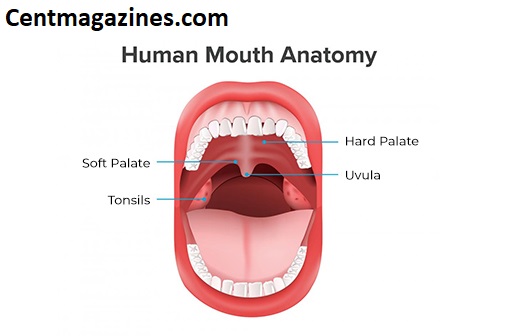
Canker sores aren’t contagious and aren’t caused by a virus (unlike cold sores, which are herpes simplex). They’re ulcers that form inside your mouth, and they can appear on the soft palate, inner cheeks, or under the tongue.
If your itch is in one specific spot and you notice a small white or yellowish sore forming there over a day or two, canker sores are likely the explanation.
Stress, acidic foods, minor injuries (like biting the inside of your mouth), and hormonal changes are common triggers.
Most canker sores heal on their own within 1–2 weeks.
Fungal Infection (Oral Thrush)
This one sounds alarming, but it’s more common than people realize — especially if you’ve been on antibiotics recently, use an inhaled corticosteroid (like an asthma inhaler), or have a condition that affects your immune system.
Oral thrush is a yeast infection in the mouth caused by Candida albicans. It can cause itching, soreness, or burning on the roof of the mouth, along with white patches that look a bit like cottage cheese.
If you see white patches along with the itch — particularly if you’ve recently taken antibiotics — this is worth bringing up with a doctor. It’s easily treated with antifungal medication.
Something You Ate Was Just Irritating
Not every itchy mouth is an allergy or infection. Sometimes it’s simpler than that.
Hot food or drinks can mildly burn the soft tissue of the palate, leaving it irritated and itchy while it heals.
Certain spicy foods, acidic things like citrus and vinegar, or even crunchy chips that scratched the tissue can all leave you with that low-grade itch for a day or two.
I learned this one the hard way after eating an entire bag of kettle chips during a movie. Totally worth it. Also completely responsible for two days of a mildly scratchy palate.
Step-by-Step: What to Actually Do About It
Okay, so you’ve got the itch — here’s a practical action plan depending on what you think is causing it.
If you think it’s OAS (happened after eating raw fruit or vegetables):
- Stop eating the food immediately.
- Drink some water to rinse your mouth.
- The symptoms should fade within 30 minutes. If they don’t, or if you develop hives, swelling, or trouble breathing, treat it as a possible anaphylaxis emergency and call for help.
- Try cooking the offending food next time and see if the reaction disappears.
- Book an appointment with an allergist to get tested — it’s a simple skin prick test and completely worth it.
If you think it’s seasonal allergies:
- Take an antihistamine (like cetirizine or loratadine — non-drowsy options are great for daytime).
- Rinse your mouth with water after being outside on high-pollen days.
- Consider nasal corticosteroid sprays to reduce overall inflammation.
- Track your symptoms with an app like Zyrtec AllergyCast or Weather.com’s allergy tracker — they show pollen counts in your area.
If dry mouth seems to be the issue:
- Drink at least 8 glasses of water a day — more if you’re active or consuming caffeine.
- Try a moisturizing mouth rinse (Biotène is a solid over-the-counter option).
- Chew sugar-free gum to stimulate saliva production.
- If a medication is the cause, talk to your prescribing doctor.
If it’s a canker sore:
- Avoid acidic and spicy foods while it heals.
- Use an OTC canker sore gel like Orajel or Kank-A for pain relief.
- Rinse with a warm salt water solution a few times a day.
- Try not to stress — easier said than done, I know, but stress is a major trigger.
If you suspect oral thrush:
- Don’t try to scrape off the white patches — it can cause bleeding.
- See a doctor. They’ll likely prescribe an antifungal like nystatin or fluconazole.
- If you use an inhaled corticosteroid, rinse your mouth with water immediately after using it — this is something a lot of people (including me, until recently) don’t know to do.
Mistakes People Make That Make It Worse
Constantly pressing their tongue against it. I do this every single time and it always makes things more irritated. It feels satisfying for half a second and then the itch gets worse.
Assuming it’ll just go away without figuring out why. Sometimes it does, but if your itchy palate keeps coming back — especially at certain times of year or after certain foods — there’s a pattern worth investigating.
Taking too many antihistamines without understanding the cause. Antihistamines can cause dry mouth, which might actually worsen the itch if dry mouth was the original problem. A little ironic.
Ignoring it when it comes with other symptoms. An itchy roof of the mouth paired with throat tightening, difficulty swallowing, or facial swelling is not something to wait out.
That could be a more serious allergic reaction and needs medical attention fast.
When to Actually See a Doctor
Most of the time, an itchy palate is benign and resolves on its own. But go see a professional if:
- The itch lasts more than two weeks without an obvious cause
- You have white patches, swelling, or visible sores
- It comes with difficulty breathing, throat tightening, or swelling of the lips/tongue
- You’re losing weight unexpectedly or having trouble swallowing
- You suspect a medication side effect
There’s no shame in asking. I waited three weeks before seeing my allergist, and she figured out my OAS in one appointment. Would have saved myself a lot of annoyed tongue-pressing.
FAQ’s
Is an itchy roof of the mouth a sign of allergies?
Yes, allergies are the most common cause. Oral allergy syndrome, triggered by pollen, certain fruits, or nuts, frequently causes itching on the roof of the mouth.
Can dry mouth cause an itchy palate?
Absolutely. When saliva production is reduced, the mouth’s protective lining becomes dry and irritated, leading to an uncomfortable itchy sensation on the palate.
Is an itchy roof of the mouth dangerous?
In most cases it is harmless and temporary. However, if itching is accompanied by swelling, difficulty breathing, or hives, it could indicate a serious allergic reaction requiring immediate medical attention.
Can certain foods cause an itchy mouth roof?
Yes, spicy, acidic, or highly processed foods can temporarily irritate and inflame the palate, causing a brief itching or burning sensation after eating.
How can I relieve an itchy roof of my mouth at home?
Drinking cold water, avoiding trigger foods, using antihistamines for allergies, and maintaining good oral hygiene can all help relieve mild itching effectively.
Conclusion
An itchy roof of the mouth is a sensation that most people experience at some point, and while it can feel quite annoying and distracting, it is usually a minor and temporary condition.
In the majority of cases, the cause is something straightforward such as a mild allergic reaction, a response to certain foods, or simply a dry mouth that needs better hydration.
Identifying your personal triggers is the most effective way to prevent the itching from recurring regularly.
Allergies remain the leading cause of palate itching, and many people are surprised to discover that common foods like apples, peaches, or certain nuts can provoke an oral allergic response, especially during high pollen seasons.
If you notice a pattern between what you eat and when the itching occurs, keeping a simple food diary can help you pinpoint the problem quickly and accurately.
For most people, simple home remedies such as drinking cold water, avoiding known trigger foods, taking antihistamines, and staying well hydrated are enough to manage the condition comfortably.
However, if the itching becomes persistent, spreads, or is accompanied by swelling or difficulty breathing, seeking prompt medical attention is absolutely essential.
Your oral health is an important part of your overall wellbeing, so never ignore symptoms that feel unusual or severe.