
Why Are My Toenails Yellow? Yellow toenails are a common issue caused by several factors. Fungal infections, or onychomycosis, are the most frequent culprit, leading to thickened, brittle nails.
Repeated use of dark nail polish can also stain the nail plate, while aging naturally changes keratin, causing yellowing.
Trauma or subungual hematomas, medications, and underlying health conditions like diabetes, thyroid problems, or psoriasis can contribute.
Rarely, yellow nail syndrome, associated with slow nail growth and respiratory issues, is the cause.
Proper hygiene, avoiding prolonged polish, and consulting a doctor when persistent can help restore healthy, strong nails.
Table of Contents
Quick Table
| Cause | Key Signs | Easy Fixes |
|---|---|---|
| Fungal Infection (Onychomycosis) | Thickened, brittle nails, yellow discoloration | Antifungal creams, oral medications, keep nails dry |
| Nail Polish & Staining | Yellowing after dark nail polish use | Use clear polish base, avoid prolonged use, gentle buffing |
| Aging | Gradual yellowing with nail thickening | Proper nail care, moisturizing, trimming |
| Injury & Trauma | Discoloration, subungual hematoma (blood under nail) | Protect nails, allow healing, consult doctor if severe |
| Systemic Health Conditions | Yellow nails with other symptoms (diabetes, thyroid, psoriasis) | Treat underlying condition, consult healthcare provider |
| Medication Side Effects | Nail discoloration after starting certain meds | Talk to doctor about alternatives, maintain nail hygiene |
| Yellow Nail Syndrome | Thickened nails, slow growth, respiratory issues | Medical assessment required, treat underlying causes |
What Yellow Toenails Actually Look Like
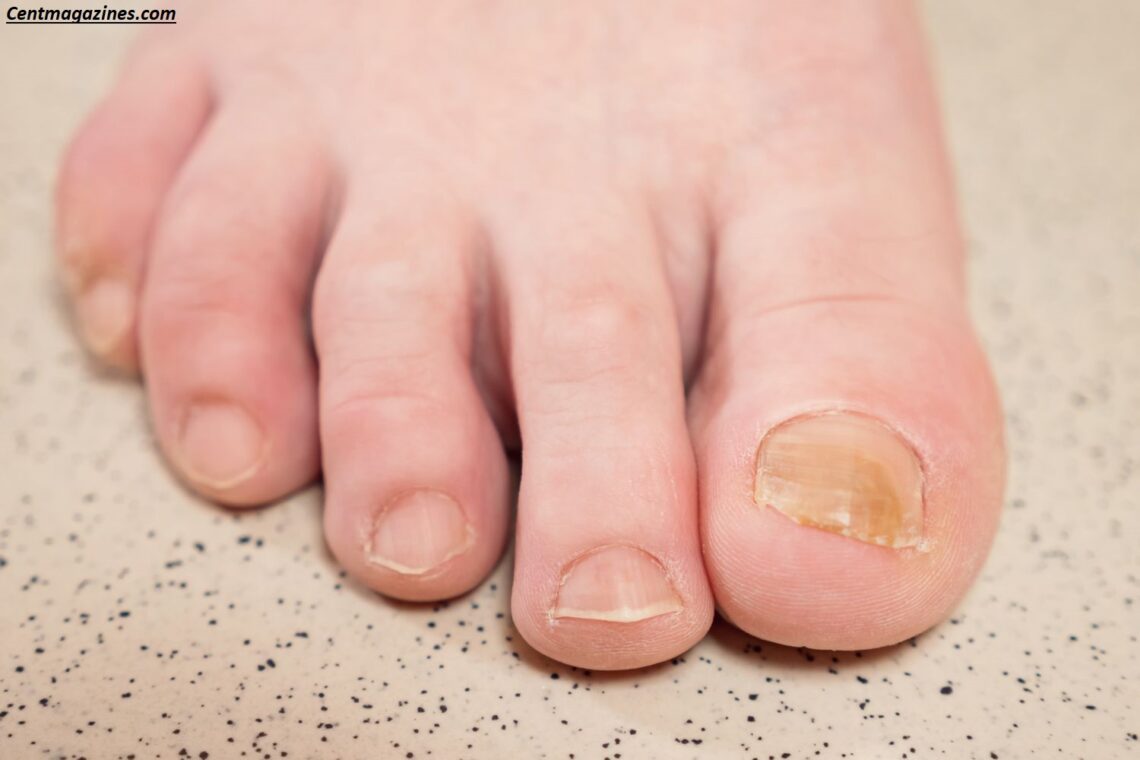
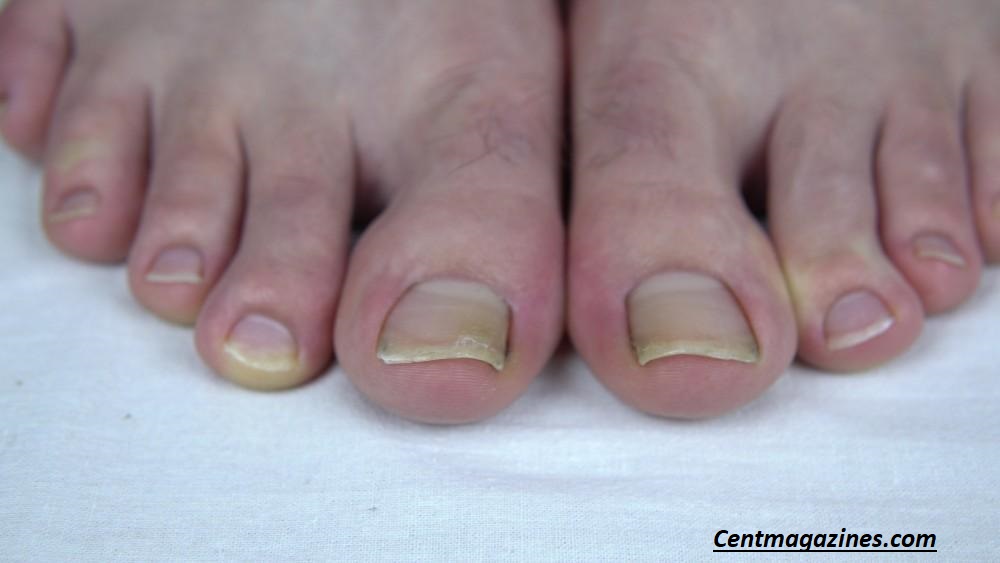
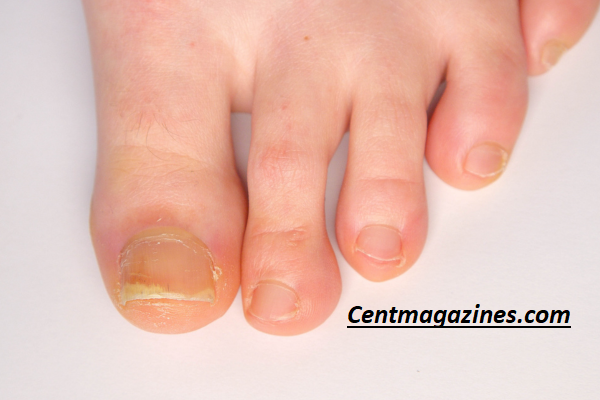
Yellow toenails can vary from pale, muted yellow to a deep, almost orange shade. Often, the nail becomes thickened and brittle, showing ridges or even crumbling at the edges.
The nail plate, which is the hard surface of the nail, may lift from the nail bed in severe cases, creating a gap that can collect debris or cause discomfort.
Sometimes yellowing starts at the tip and progresses toward the cuticle, while in other cases, the entire nail is affected from the base.
It may occur in one nail or multiple nails simultaneously.
Observing additional signs such as thickness, brittleness, or slow growth is crucial, as they often point toward a fungal infection called onychomycosis or other underlying health conditions like diabetes, thyroid problems, or psoriasis.
Early detection helps prevent worsening and aids in choosing the most effective treatments. Moisturizing the nail, keeping feet clean, and inspecting nails regularly can also help catch changes early.
Top Causes of Yellow Toenails
Yellow toenails often result from a combination of factors. Understanding these causes helps in effective prevention and treatment.
Fungal Infection
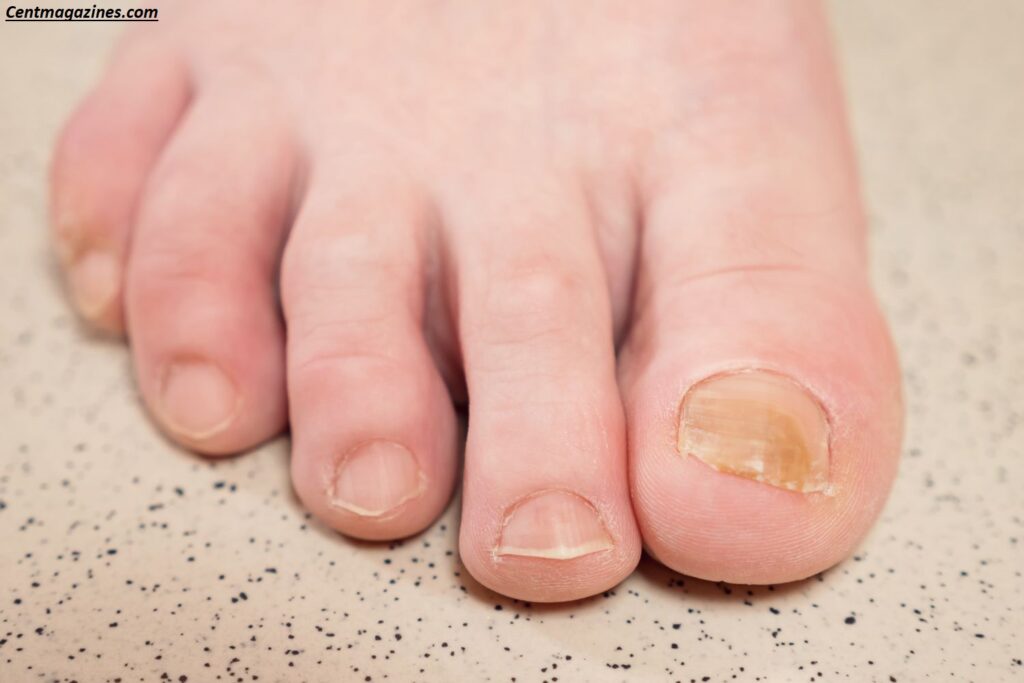
Onychomycosis is the most common cause of yellow toenails. Fungal infections thrive in warm, moist environments like sweaty shoes.
The nail may thicken, become brittle, and develop a yellow or brown hue. Antifungal medication, either topical or oral, is typically prescribed to eliminate the infection.
Maintaining proper foot hygiene, keeping nails trimmed, and wearing breathable footwear can prevent recurrence.
Nail Polish & Staining
Repeated use of dark nail polish can cause chemical staining of the nail plate. Yellow discoloration often occurs without an underlying medical problem.
Applying a clear base coat, limiting prolonged polish use, and gently buffing the nails can restore their natural color.
Aging
As we age, the keratin in nails changes, leading to thickened, brittle, or yellowed nails. While this is a natural process, moisturizing, careful trimming, and protective measures can help maintain nail health.
Injury & Trauma
Blunt trauma, repetitive pressure, or subungual hematoma can damage the nail bed, causing yellowing or dark discoloration. Protecting the toes, avoiding repeated pressure, and allowing the nail to grow out usually resolves the issue. Severe injuries may require medical attention.
Systemic Health Conditions
Underlying health conditions like diabetes, thyroid disorders, or psoriasis can lead to yellow toenails.
Often, nail changes accompany other symptoms such as fatigue, skin changes, or joint pain. Treating the underlying condition and consulting a healthcare provider is essential.
Medication Side Effects
Certain medications, including chemotherapy agents, tetracycline antibiotics, or antimalarial drugs, may cause nail discoloration.
Monitoring changes, maintaining nail hygiene, and discussing alternatives with a doctor can minimize the effects.
Yellow Nail Syndrome
A rare condition associated with respiratory issues, lymphedema, and slow-growing, thickened yellow nails.
It requires medical assessment and targeted treatment for underlying problems. Ignoring this syndrome may worsen nail health and overall well-being.
When to See a Doctor
Seeing a doctor is necessary if yellowing persists, worsens, or is accompanied by pain, thickening, or deformity.
Red flags include signs of infection (swelling, redness, pus), sudden nail changes, or systemic symptoms like fatigue, skin rashes, or respiratory issues.
Early consultation can prevent complications, help diagnose fungal infections (onychomycosis), subungual hematomas, or systemic illnesses like diabetes, thyroid disorders, or psoriasis.
Your healthcare provider may conduct lab tests, nail cultures, or imaging to determine the cause.
Prompt treatment ensures faster recovery, prevents spread of infection, and reduces the risk of chronic nail deformities.
Regular monitoring of nail changes and reporting them to a doctor is key to maintaining long-term nail and overall health.
Treatment Options
Treatment depends on the underlying cause. Fungal infections, injuries, or systemic conditions require tailored approaches.
Medical Treatment
Medical interventions often include topical antifungal creams, oral antifungal medications, or procedures to remove damaged nail portions.
Doctors may prescribe medications like terbinafine or itraconazole for onychomycosis.
Treating systemic conditions, adjusting medications causing discoloration, or addressing yellow nail syndrome can also restore nail appearance.
Clinical monitoring ensures effectiveness and minimizes side effects.
Home & Natural Remedies
Home remedies include keeping nails clean and dry, soaking feet in vinegar or tea tree oil, gentle buffing, and avoiding harsh chemicals.
Regular moisturizing, wearing breathable shoes, and trimming nails correctly support nail health.
Though slower than medical treatment, these methods reduce further discoloration and maintain nail strength.
Prevention Tips
Maintaining healthy toenails reduces yellowing risk. Key preventive measures include:
- Wearing breathable shoes and moisture-wicking socks
- Regular nail trimming and careful filing
- Limiting dark nail polish and using a protective base coat
- Avoiding repetitive trauma or pressure to nails
- Keeping feet clean and dry
- Monitoring for early signs of fungal infection or systemic disease
- Managing underlying health conditions (diabetes, thyroid, psoriasis) Prevention not only preserves nail appearance but also improves overall foot health and reduces infection risk.
FAQ Section
Can nail polish cause yellow toenails?
Yes, repeated use of dark nail polish can stain the nail plate, causing yellowing.
Is yellow nail syndrome dangerous?
It is rare but indicates possible respiratory or lymphatic issues. Consult a doctor.
How long does it take for yellow toenails to return to normal?
Depending on cause, healing may take weeks to months, especially for fungal infections.
Can diabetes cause yellow toenails?
Yes, underlying health conditions like diabetes can alter nail color.
Are home remedies effective for yellow toenails?
They help maintain nail health, but severe cases may require medical treatment.
Conclusion
Yellow toenails are common and can result from various causes, including fungal infections (onychomycosis), nail polish staining, aging, trauma, medications, or systemic health conditions.
Recognizing changes early is crucial for effective treatment and prevention.
Most cases respond well to proper nail care, medical treatment, or home remedies, while rare conditions like yellow nail syndrome require professional intervention.
By maintaining nail hygiene, monitoring for symptoms, and addressing underlying causes, you can restore healthy, strong, and aesthetically pleasing toenails.
Incorporating these strategies, along with regular consultations when needed, ensures long-term nail and foot health while preventing recurring yellow discoloration.