
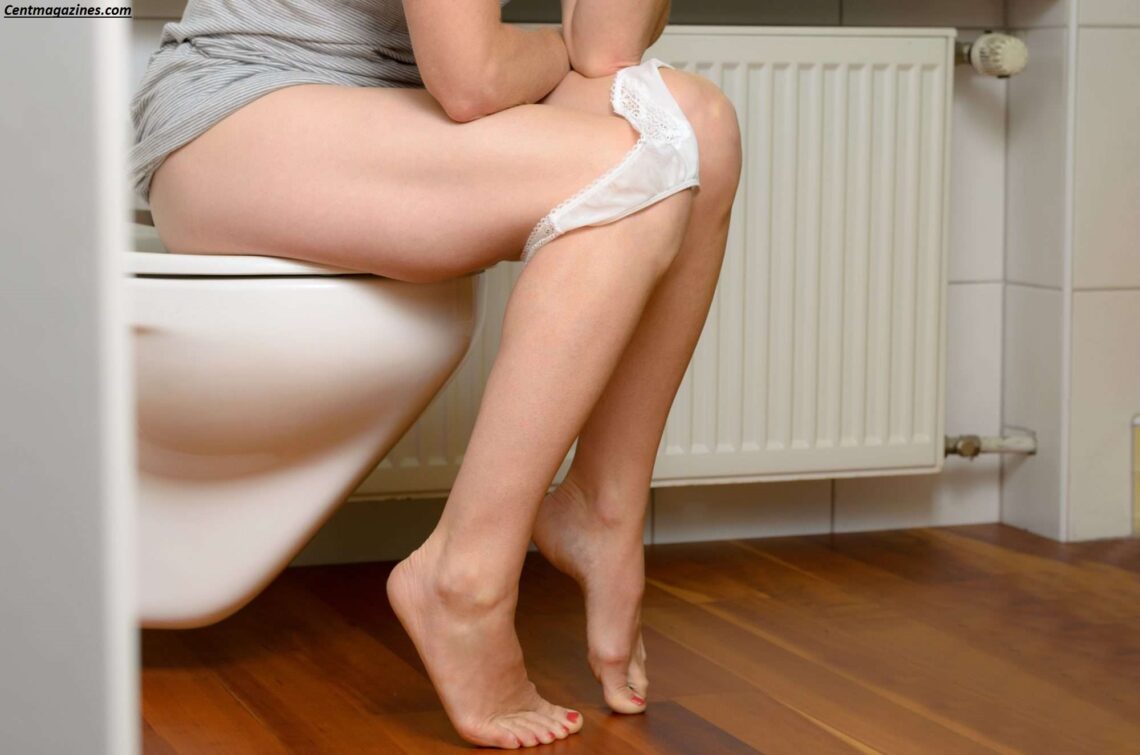
Why Does It Hurt to Pee After Sex? Post-sex urinary discomfort is common and usually harmless.
Sexual activity can irritate the urethra through friction, causing temporary burning.
Intercourse can also push bacteria toward the urethra, potentially triggering a urinary tract infection (UTI) — more common in women due to their shorter urethra.
Dehydration makes concentrated urine sting irritated tissue more intensely. Certain lubricants, spermicides, or latex condoms can also cause allergic irritation.
Peeing shortly after sex helps flush out bacteria and reduces infection risk.
However, if discomfort persists beyond a day or two, or comes with fever, discharge, or frequent urges, see a doctor to rule out a UTI or STI.
Nobody warns you about it the first time it happens. You’re going about your night, and then — ouch. That sharp, stinging burn when you go to the bathroom after sex.
It catches you completely off guard, and your first thought is probably what is wrong with me?
Table of Contents
Quick Table
| Cause | Who It Affects | Solution |
|---|---|---|
| Urethral friction | Anyone | Rest, stay hydrated |
| Bacterial UTI | Mostly women | Pee after sex, see a doctor |
| Dehydration | Anyone | Drink more water |
| Lubricant/condom allergy | Anyone | Switch products |
| STI | Anyone | Medical testing & treatment |
Why Does It Hurt to Pee After Sex?
Post-sex urinary discomfort is common and usually harmless. Sexual activity can irritate the urethra through friction, causing temporary burning.
Intercourse can also push bacteria toward the urethra, potentially triggering a urinary tract infection (UTI) — more common in women due to their shorter urethra.
Dehydration makes concentrated urine sting irritated tissue more intensely. Certain lubricants, spermicides, or latex condoms can also cause allergic irritation.
Peeing shortly after sex helps flush out bacteria and reduces infection risk.
However, if discomfort persists beyond a day or two, or comes with fever, discharge, or frequent urges, see a doctor to rule out a UTI or STI.
First, Take a Breath — It’s More Common Than You Think
The technical term is “dysuria,” which just means painful or difficult urination.
But when it happens specifically after sex, there are a handful of reasons it might be occurring — and most of them are very manageable once you know what’s going on.
The tricky part? The cause matters. A UTI feels different from irritation, which feels different from an allergic reaction. Getting that distinction right is what helps you figure out what to actually do about it.
The Most Likely Culprits
A UTI (Urinary Tract Infection) — The #1 Suspect
If there’s one thing I wish someone had told me earlier, it’s this: sex can push bacteria into your urethra. Women have a much shorter urethra than men, which means bacteria have a much shorter journey to reach the bladder.
This is so common it even has a nickname — “honeymoon cystitis.” The symptoms usually include:
- A burning sensation when you pee
- Feeling like you need to pee constantly, even when you don’t
- Cloudy or strong-smelling urine
- Sometimes a low-grade fever or pelvic pressure
The pain from a UTI usually doesn’t show up immediately after sex. It tends to creep in over the next 24–48 hours. So if you’re fine right after but woke up the next morning with that awful burning? UTI is probably the culprit.
What to do: Don’t wait this one out hoping it goes away. UTIs rarely resolve on their own, and an untreated one can move into your kidneys, which is genuinely miserable.
See a doctor or use a telehealth app like Wisp, Nurx, or even a same-day urgent care visit. Many providers now offer UTI treatment without an in-person visit, which is genuinely a game-changer.
Some people swear by AZO (phenazopyridine) for temporary relief — it turns your pee orange but numbs the burning while you wait for antibiotics.
It’s a short-term fix, not a cure, but it gets you through the worst hours.

Friction and Irritation — More Common Than Most Realize
If the burning starts immediately after sex or during urination right afterward, it might not be an infection at all. It might simply be physical irritation.
Sex involves a lot of friction, and the tissue around the vulva and vaginal opening is genuinely sensitive.
If there wasn’t enough lubrication, things can get micro-irritated in ways you don’t notice in the moment but definitely feel when urine — which is slightly acidic — makes contact with those tissues.
This is especially common if:
- Sex was longer or more vigorous than usual
- You’re prone to dryness (this can be hormonal, stress-related, medication-related, or just individual anatomy)
- You’re postpartum or perimenopausal, when estrogen levels affect vaginal moisture
- You’re going multiple rounds without giving tissues time to recover
The burn from irritation tends to be more of an external sting — like the urine is hitting raw skin — rather than an internal cramping or pressure feeling.
What to do: Next time, use a good water-based lubricant. Brands like Sliquid,
Überlube, or Good Clean Love are popular because they’re body-safe and don’t contain glycerin or parabens (which can cause their own issues).
If you’re consistently dry regardless of arousal, it’s worth chatting with your gynecologist — it’s often a simple hormonal fix.
After irritation-type pain, a lukewarm sitz bath can soothe the external tissues. Avoid using scented soaps or wipes near the area, which can make it worse.
Allergic Reactions or Sensitivities
This one sneaks up on people. You might be reacting to:
- Latex condoms — latex allergies are real and underdiagnosed
- Spermicide — notoriously irritating to vaginal tissue
- Lubricants with certain ingredients — flavored lubes, warming lubes, or anything with glycerin
- Your partner’s hygiene products — soaps, body washes, or even laundry detergent on fabric
Reaction-related burning tends to come with other symptoms like itching, swelling, or redness.
What to do: Swap to non-latex condoms (polyisoprene or polyurethane are good options) and try a fragrance-free, hypoallergenic lube.
Process of elimination is your friend here. If you suspect a true latex allergy, mention it to your doctor — it’s worth knowing because it affects other medical contexts too.
Vaginismus or Vulvodynia — When Pain Is Deeper
If painful sex and painful urination afterward are recurring issues for you, it’s worth knowing about conditions like vaginismus (involuntary muscle tightening) and vulvodynia (chronic vulvar pain without a clear cause).
These are real, diagnosable conditions that often go unrecognized for years because women are sometimes told to “just relax.”
That’s not helpful advice, and it’s not accurate medicine.
If burning after sex is part of a broader pattern of pain — during sex, after sex, even just day-to-day — please bring it up with a gynecologist or a pelvic floor physical therapist.
Pelvic floor PT in particular has changed lives for women dealing with chronic pelvic pain, and it’s more widely available than it used to be.

STIs — Worth Ruling Out
Chlamydia, gonorrhea, and herpes can all cause urinary burning. Chlamydia and gonorrhea in particular are often symptom-free in women, which is part of why they spread so easily.
If you’re sexually active and it’s been a while since your last STI screen, this is a gentle nudge to get tested. Planned Parenthood clinics and services like Let’s Get Checked (at-home testing kits) make this really straightforward now.
No shame in it. Testing regularly is just part of taking care of yourself.
What You Can Do Right Now (A Practical Rundown)
If you’re reading this mid-discomfort, here’s a quick action guide:
Figure out the type of pain
- Burning that starts immediately after sex and feels external → likely irritation or a reaction
- Burning that develops hours later with urgency and frequency → likely a UTI
- Burning with itching, odor, or unusual discharge → could be yeast infection, BV, or STI — get tested
Drink water Sounds simple, but staying hydrated dilutes your urine (making it less acidic) and helps flush bacteria if there’s a brewing infection. Aim for two or three large glasses right away.
Pee after sex — every single time Seriously. This one habit alone can dramatically reduce your chances of getting UTIs. Urinating after sex helps flush out any bacteria that may have entered the urethra. It doesn’t have to be immediate — within 30 minutes is fine.
Skip the douching and scented products Your vagina is self-cleaning. Douching disrupts the natural pH balance and can make everything worse. Rinse externally with plain water — that’s enough.
See someone if it persists One episode of mild burning that resolves quickly? Probably irritation. Burning that lasts more than a day, comes with other symptoms, or keeps happening after every sexual encounter? Time to loop in a healthcare provider.
Mistakes I’ve Seen
- Waiting too long to treat a UTI — hoping it would go away and ending up with a kidney infection. Not a fun time.
- Using flavored or warming lubes without knowing the ingredients — caused irritation that I initially mistook for an infection.
- Not mentioning recurring pain to a doctor because it felt embarrassing — wasted months of unnecessary discomfort.
- Self-diagnosing as a yeast infection and treating with OTC creams when it was actually BV (bacterial vaginosis), which needs antibiotics, not antifungals.
The takeaway from all of this: if something keeps happening, talk to a provider. There’s genuinely no awkward question in a gynecologist’s office — they’ve heard it all.

A Few Prevention Tips Worth Adopting
- Pee after sex (yes, worth repeating)
- Keep a body-safe, water-based lubricant on your nightstand
- Wear breathable cotton underwear
- Stay hydrated generally, not just after sex
- Get regular STI screens if you’re sexually active
- Don’t use scented products anywhere near the vaginal area
FAQ’s
Is it normal to feel burning after sex?
Yes, mild and temporary burning is common due to friction or mild irritation, but persistent burning may signal an infection.
How soon after sex can a UTI develop?
Symptoms can appear within 24–48 hours after bacteria enter the urethra.
Does peeing after sex actually help?
Yes — urinating after sex helps flush bacteria from the urethra, significantly reducing UTI risk.
Can men experience this too?
Yes, though less common. Men can develop urethral irritation or UTIs after sex.
When should I see a doctor?
If discomfort lasts more than 1–2 days, or is accompanied by fever, discharge, or frequent urination.
Conclusion
Post-sex urinary discomfort is a widespread experience that affects people of all genders, though women tend to be more vulnerable due to their anatomy.
In most cases, the pain is temporary and stems from simple causes like urethral friction, mild irritation, or slight dehydration — all of which resolve on their own within a short time.
However, it is important not to dismiss persistent symptoms. A urinary tract infection, if left untreated, can travel from the bladder to the kidneys and cause serious complications.
Similarly, some sexually transmitted infections can mimic UTI symptoms, making professional diagnosis essential when discomfort lingers.
Fortunately, prevention is straightforward. Staying well-hydrated, urinating promptly after sex, choosing body-safe lubricants, and practicing good hygiene can dramatically reduce your risk of post-sex urinary problems.
Open communication with your partner about comfort and product sensitivities also plays a meaningful role.
If you experience recurring discomfort, don’t normalize it — consult a healthcare provider.
Your urinary and sexual health are deeply connected, and addressing concerns early leads to better long-term outcomes. Being proactive about your body is always the right choice.