
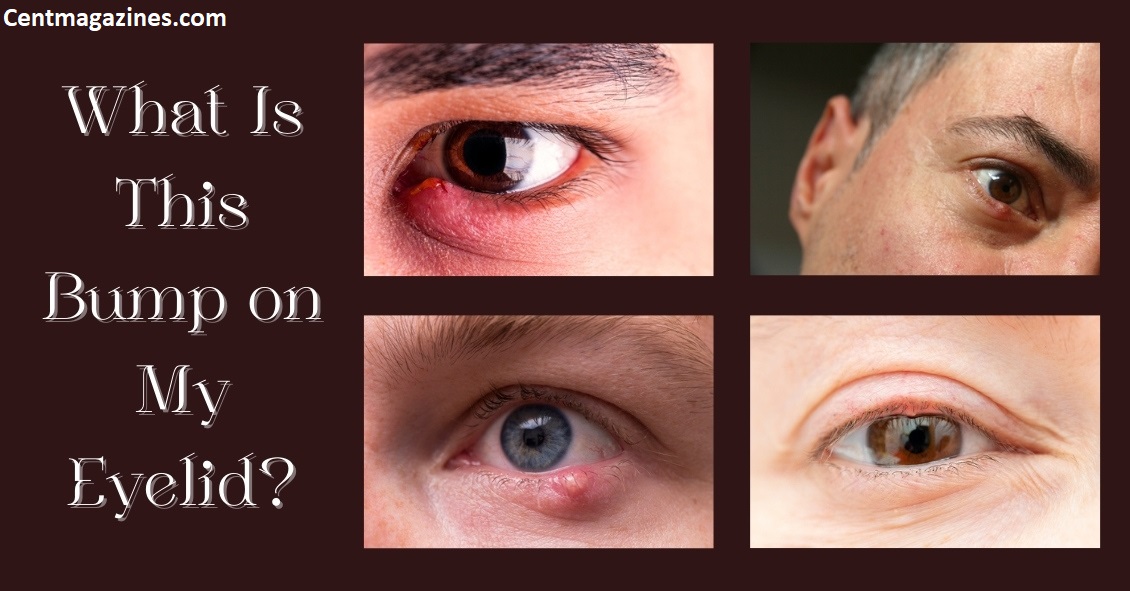
Why Do I Have a Bump on My Eyelid?A bump on your eyelid is usually caused by a blocked gland, infection, or skin condition and is more common than most people realize.
A stye is one of the most frequent culprits, forming when an oil gland or hair follicle near the eyelid becomes infected, resulting in a red, painful lump.
A chalazion is similar but typically painless, caused by a clogged meibomian gland deeper in the lid.
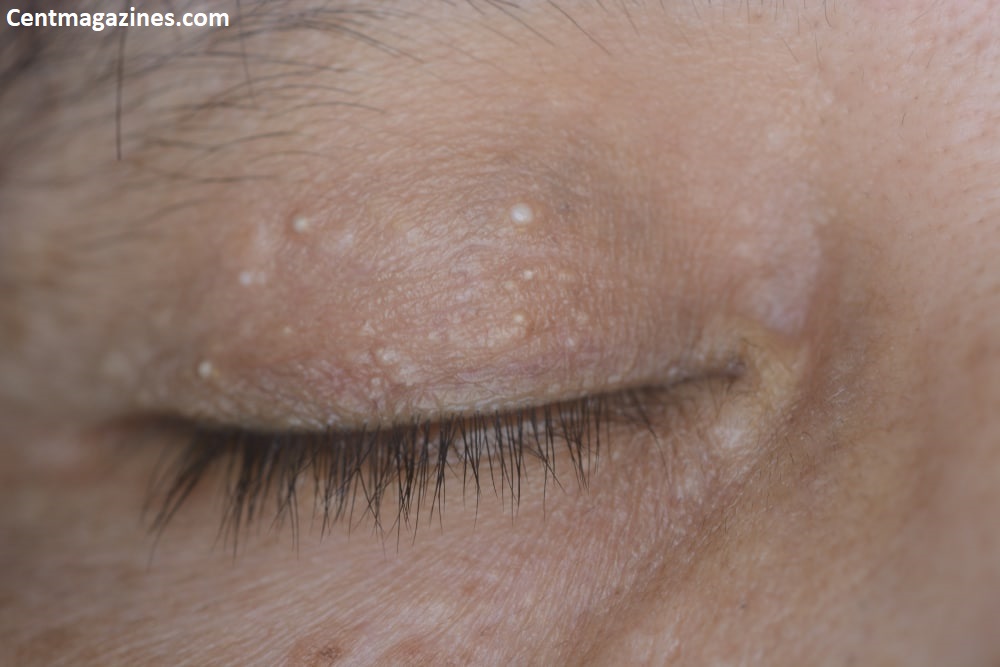
Other causes include milia (small white cysts), xanthelasma (cholesterol deposits), or contact dermatitis from cosmetics.
Most eyelid bumps are harmless and resolve on their own with warm compress treatment.
It showed up on a Monday morning. Right on my upper eyelid, a small red bump that made me look like I’d been in a fight I definitely didn’t win.
I had a video call at 9 AM and spent the entire morning blinking into my webcam wondering what on earth was growing on my face.
That was my first stye. Since then, I’ve had two more — plus a chalazion that stuck around for three months — so at this point I feel like I have a PhD in annoying eyelid bumps.
If you’re sitting here googling “bump on eyelid,” this is the honest breakdown I wish I’d found first.
Table of Contents
Quick Table
| Type | Cause | Appearance | Pain Level | Treatment |
|---|---|---|---|---|
| Stye | Infected oil gland or hair follicle | Red, swollen lump on lid edge | Painful | Warm compress, antibiotic drops |
| Chalazion | Clogged meibomian gland | Firm, round painless lump | Painless | Warm compress, steroid injection |
| Milia | Trapped keratin under skin | Small white or yellow cysts | Painless | Usually resolves on its own |
| Xanthelasma | Cholesterol deposits under skin | Flat yellowish patches | Painless | Medical or cosmetic removal |
| Contact Dermatitis | Reaction to cosmetics or products | Red, itchy, swollen skin | Mild irritation | Remove trigger, antihistamines |
| Papilloma | Benign skin overgrowth | Soft, flesh-colored skin tag | Painless | Surgical removal if needed |
| Cyst | Blocked sebaceous gland | Smooth, fluid-filled lump | Usually painless | Drainage or surgical removal |
| When to See a Doctor | Lump grows, vision changes, or persists over 4 weeks | Any unusual or worsening bump | Any level | Immediate medical consultation |
Why Do I Have a Bump on My Eyelid?
A bump on your eyelid is usually caused by a blocked gland, infection, or skin condition and is more common than most people realize.
A stye is one of the most frequent culprits, forming when an oil gland or hair follicle near the eyelid becomes infected, resulting in a red, painful lump.
A chalazion is similar but typically painless, caused by a clogged meibomian gland deeper in the lid.
Other causes include milia (small white cysts), xanthelasma (cholesterol deposits), or contact dermatitis from cosmetics.
I had a video call at 9 AM and spent the entire morning blinking into my webcam wondering what on earth was growing on my face.
That was my first stye. Since then, I’ve had two more — plus a chalazion that stuck around for three months — so at this point I feel like I have a PhD in annoying eyelid bumps.
If you’re sitting here googling “bump on eyelid,” this is the honest breakdown I wish I’d found first.
Most eyelid bumps are harmless and resolve on their own with warm compress treatment.
The most common types of eyelid bumps
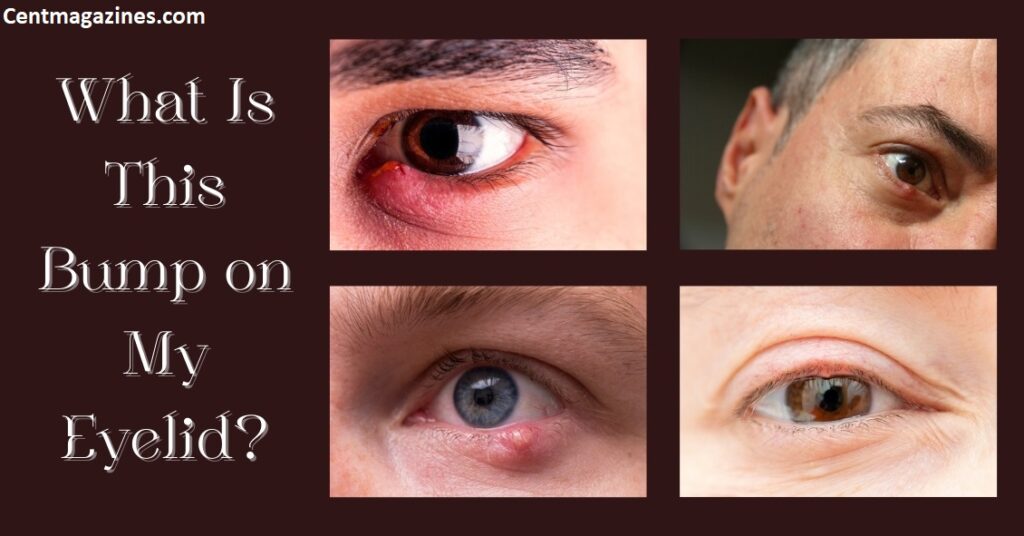
Not all bumps are the same. The four you’re most likely dealing with:
Stye (Hordeolum)
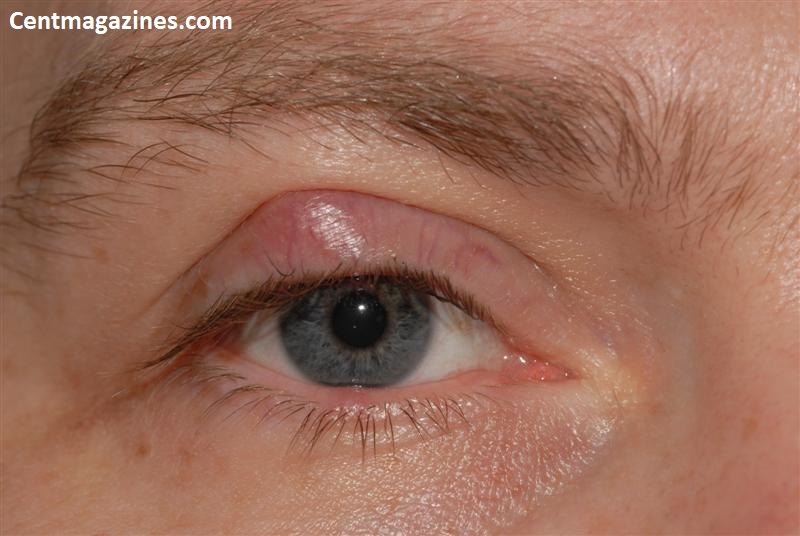
Red, tender, often near the lash line. Usually has a visible white or yellow center. Caused by a bacterial infection in an oil gland.
Chalazion
Painless, firm, slow-growing lump. Sits further back on the lid. A blocked oil gland — not infected, just clogged.
Milia
Tiny, white, hard cysts. No redness, no pain. Dead skin trapped under the surface. Very common and harmless.
Xanthelasma
Soft, yellowish, flat patches near the inner corner. Cholesterol deposits. Worth mentioning to your doctor.
The reason I kept misdiagnosing my own bumps is that a stye and a chalazion can look almost identical at first. The big tell: styes hurt.
A chalazion is basically painless — it just sits there minding its own business and quietly ruining your eye photos.
Why do these bumps happen in the first place?
Your eyelids have tiny oil glands (meibomian glands) that keep your eyes moist. When these glands get clogged — by dead skin cells, makeup residue, or just bad luck — you get a bump.
Bacteria (usually Staphylococcus aureus, the same thing behind a lot of skin infections) can move in and cause the redness and pain of a stye.
The thing nobody told me: screen time and dry eye are actually linked to more frequent eyelid bumps.
Staring at a screen reduces your blink rate, which means those oil glands aren’t being stimulated properly, and they clog more easily. I work 10+ hours a day on a monitor. Coincidence? Probably not.
Other common triggers: sleeping in eye makeup, touching your eyes with unwashed hands, using old or expired mascara, wearing contact lenses without proper hygiene, or going through a stressful period (stress messes with your immune response in ways you don’t see coming).
After my third stye, I realized I’d been sharing an eye makeup brush with my partner without cleaning it. Classic mistake, honestly embarrassing in retrospect.
What actually helped me — a step-by-step approach
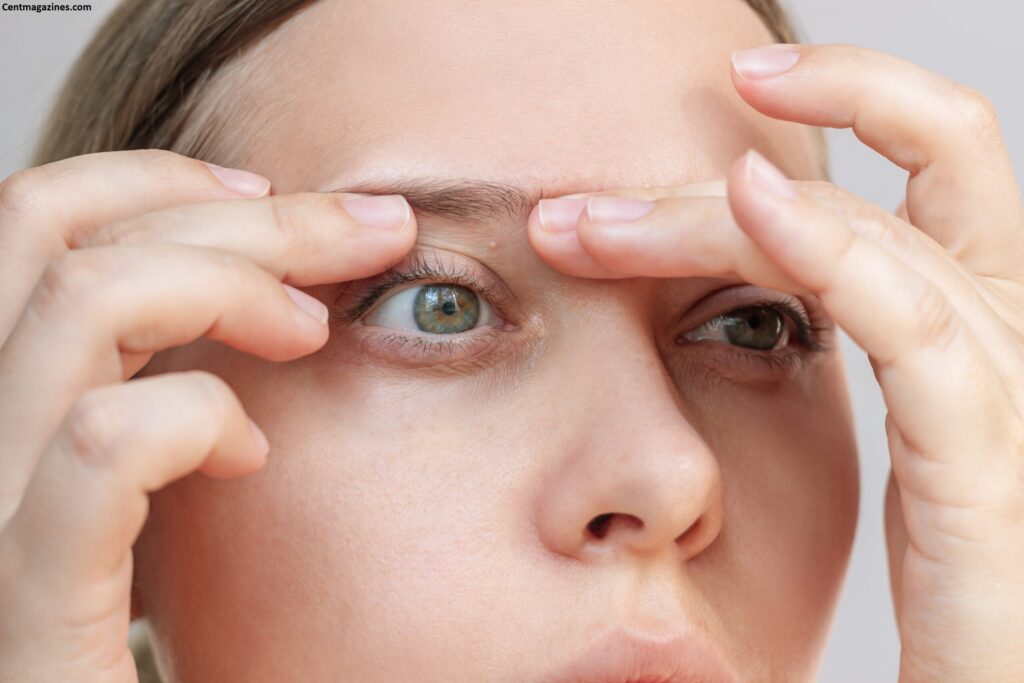
For a stye or chalazion, the first-line treatment is heat. Not a guessing game — actual consistent warm compresses. Here’s what the process looks like:
- Wet a clean washclothwith warm (not scalding) water. Wring it out so it’s damp but not dripping.
- Hold it over your closed eyefor 10–15 minutes. The goal is sustained warmth, so reheat it every few minutes.
- Do this 3–4 times a day— morning, midday, evening, and before bed if you can. Consistency matters way more than duration.
- Gently massage the lidafter the compress (ask your doctor or pharmacist first — not always appropriate for styes). For chalazions, gentle massage toward the lash line can help drain the blocked gland.
- Keep the area clean.Use a diluted baby shampoo on a cotton pad to gently clean along the lash line once a day. There are also pre-made eyelid wipes (I used Ocusoft Lid Scrubs) that make this less of a hassle.
For a stye, most people see improvement within a week. A chalazion? That one is slower. Mine took about six weeks of consistent warm compresses before it fully resolved.
If it doesn’t budge after a couple of months, a doctor can inject it with a steroid or drain it — both are quick in-office procedures.
For milia, warm compresses won’t do much. A dermatologist can extract them with a tiny lancet in about 30 seconds. Don’t try this at home — I did, predictably made it worse.
When to actually see a doctor
Most eyelid bumps are harmless and go away on their own. But there are signs you shouldn’t wait it out:
- The bump grows rapidly over a few days
- Your whole eyelid is swollen, red, or warm (could be preseptal cellulitis, which needs antibiotics)
- Your vision is affected in any way
- The bump bleeds, ulcerates, or loses eyelashes around it
- You’ve had a chalazion in the exact same spot more than twice (rarely, recurrent chalazions can indicate a more serious condition)
Worth knowing
A very rare eyelid cancer called sebaceous carcinoma can mimic a chalazion.
It’s uncommon, but if you’re in your 60s or older and have a chalazion that keeps coming back in the same spot and doesn’t respond to treatment, have it checked out.
Your ophthalmologist will know what to look for.
Mistakes I made (that you shouldn’t)
- Squeezing or popping it.I did this on my first stye. It got significantly more red and swollen and took twice as long to heal. Never again.
- Using eye drops instead of warm compresses.Anti-redness drops do nothing for a stye. They reduce surface blood vessels but don’t touch the blocked gland.
- Wearing contact lenses through a stye.Your eye is inflamed. Give it a break — wear glasses until it clears up to avoid spreading bacteria.
- Continuing to wear eye makeup.Even if it looks weird going to work without it, wearing mascara or liner while you have a stye extends how long it takes to heal and can re-infect a clearing stye.
- Giving up on warm compresses after two days.They work — but not that fast. Stick with it for at least a week before deciding they’re not helping.
How to stop them from coming back
Once you’ve had one, your glands are apparently more prone to getting clogged again. Here’s what changed for me:
I started doing a quick eyelid hygiene routine every night — about 30 seconds with an eyelid wipe along the lash line. It sounds annoyingly fussy but it made a real difference.
I also switched to replacing my mascara every 3 months instead of whenever it dried out (which was… not 3 months).
And I set a reminder to take a 5-minute screen break every hour, which also just makes me a more functional human in general.
If you wear contact lenses, making sure you’re cleaning your hands properly before touching your eyes and replacing your contacts on schedule isn’t just advice — it’s the actual difference between a clear month and another week of looking like you cried at a birthday party.
“The warm compress felt like doing nothing. Then one morning I woke up and it was just… gone.”
That’s genuinely how it feels.
Anticlimactic but satisfying. If you’re in the middle of waiting one out right now, I promise the monotony of those twice-daily warm cloths does eventually pay off.
FAQ’s
Can a stye go away on its own?
Yes, most styes resolve within one to two weeks without treatment. Applying a warm compress several times daily can speed up healing by encouraging the blocked gland to drain naturally.
Is a bump on my eyelid contagious?
Styes caused by bacterial infection can potentially spread bacteria through direct contact. Avoid sharing towels, pillowcases, or eye makeup to prevent spreading infection to others or your other eye.
Can eye makeup cause eyelid bumps?
Yes. Expired or contaminated eye makeup can introduce bacteria to the eyelid area, blocking glands and triggering styes or contact dermatitis. Always replace eye products regularly and remove makeup before sleeping.
When should I see a doctor about an eyelid bump?
Seek medical advice if the bump persists longer than four weeks, grows rapidly, affects your vision, bleeds, or causes significant pain and swelling beyond normal discomfort.
Can I pop a stye or chalazion at home?
Never. Popping an eyelid bump at home risks spreading infection deeper into surrounding tissue, potentially causing a serious condition called orbital cellulitis requiring urgent medical treatment.
Conclusion
Eyelid bumps are an incredibly common experience that most people will encounter at least once in their lifetime.
While they can feel alarming and uncomfortable, the vast majority are completely benign and resolve with simple at-home care and patience.
Understanding the difference between a stye, chalazion, milia, or other type of bump empowers you to respond appropriately rather than panic unnecessarily.
The most effective and accessible treatment for many eyelid bumps remains the humble warm compress.
Applied consistently several times a day, it encourages blocked glands to open, reduces inflammation, and speeds up the natural healing process significantly.
Good hygiene habits, such as removing eye makeup thoroughly, replacing old cosmetics regularly, and avoiding touching your eyes with unwashed hands, go a long way in preventing future bumps from developing.
However, not every bump should be managed at home. Any lump that grows quickly, changes in appearance, affects your vision, or simply refuses to go away deserves professional medical evaluation.
An eye doctor can accurately diagnose the bump and recommend the most appropriate course of treatment, whether that is medication, a minor procedure, or simply continued observation.
Your eyes are among your most precious assets — treat any concerns about them with the care and attention they deserve.