
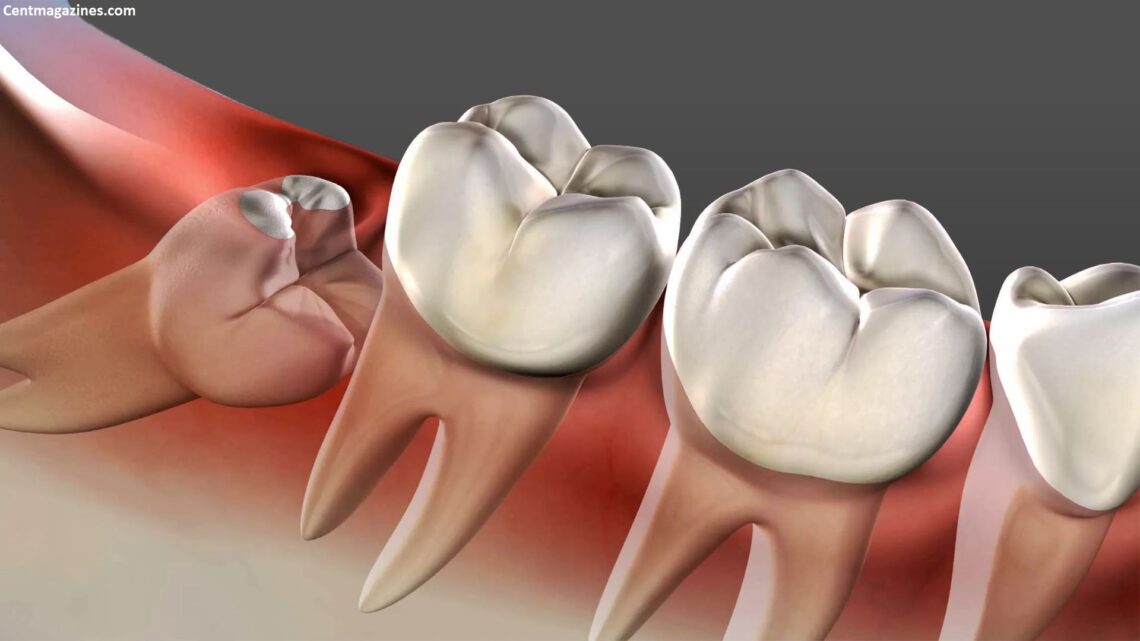
Why Does Wisdom Tooth Pain Come and Go? Wisdom tooth pain is frustratingly unpredictable, and understanding why it comes and goes can help you make sense of what your body is going through.
The primary reason for this cycle of discomfort is the eruption process itself — wisdom teeth do not push through the gum all at once but rather emerge gradually in stages, causing pain to flare up during active movement and then temporarily ease when the tooth pauses its growth.
Many wisdom teeth only partially emerge, leaving a flap of gum tissue over the tooth that becomes a trap for food particles and bacteria.
This leads to repeated cycles of infection and inflammation, known as pericoronitis, which causes intense pain followed by periods of relief once the irritation settles down.
The tooth also exerts intermittent pressure on neighboring teeth as it shifts and moves beneath the surface, creating waves of discomfort that come and go unpredictably.
Inflammation in the surrounding gum tissue follows a similar pattern, flaring up in response to chewing, stress, or poor oral hygiene, then calming down temporarily with rest or medication.
Table of Contents
Quick Table
| Cause | Why Pain Comes & Goes | What To Do |
|---|---|---|
| Eruption Process | Tooth emerges in stages, pain flares then eases | Monitor and consult your dentist |
| Partial Eruption | Gum flap traps food and bacteria repeatedly | Professional cleaning or extraction |
| Pericoronitis | Infection flares up then temporarily settles | Antibiotics and dental treatment |
| Pressure on Neighbors | Tooth shifts intermittently against other teeth | X-ray to assess alignment |
| Inflammation Cycles | Swelling rises and falls with irritation | Anti-inflammatory medication |
| Poor Oral Hygiene | Bacteria buildup triggers repeated infections | Improve brushing and rinsing habits |
| Impacted Wisdom Tooth | Trapped tooth causes on and off nerve pressure | Extraction usually recommended |
| Stress and Teeth Grinding | Increases jaw tension and aggravates the area | Stress management and night guard |
Why Does Wisdom Tooth Pain Come and Go?
I remember the first time I felt it — a dull, throbbing ache in the back of my jaw, right side. It showed up one evening, bad enough that I couldn’t chew on that side.
I panicked a little, Googled everything, and mentally prepared myself for an emergency dentist visit the next morning.
Then I woke up and… nothing. The pain was completely gone.
I genuinely thought I’d imagined it.
Three weeks later, same thing. Sharp ache, swollen gum, couldn’t sleep comfortably. Took some ibuprofen and it faded within a day.
This on-and-off cycle went on for almost four months before I finally got an X-ray and understood what was actually going on inside my jaw.
If any of that sounds familiar, you’re dealing with wisdom tooth pain — and this specific on-again, off-again pattern is incredibly common. Let me explain why it happens and what you can actually do about it.
First, Why Does Wisdom Tooth Pain Exist at All?
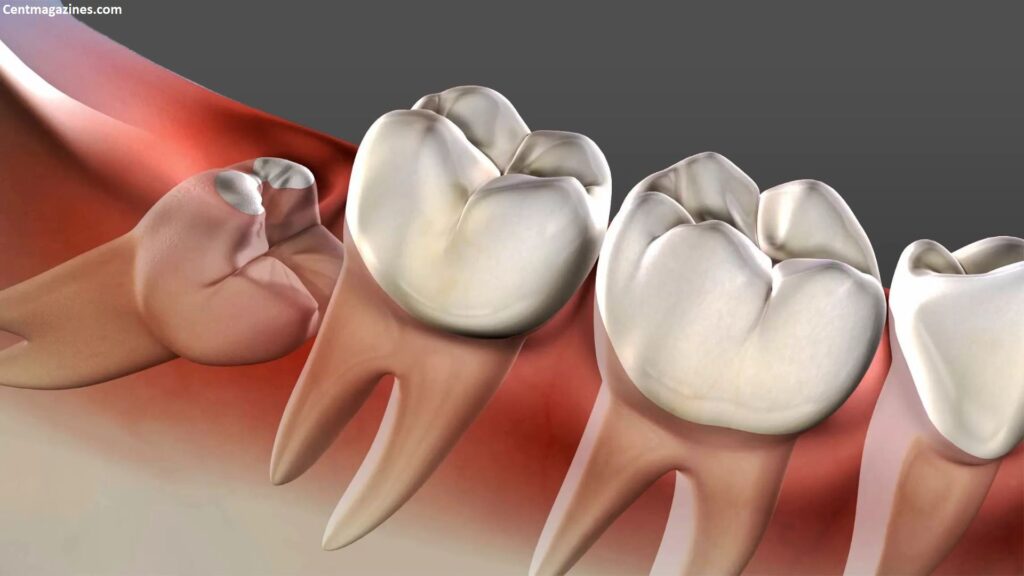
Wisdom teeth — your third molars — are the last teeth to emerge, usually between ages 17 and 25. The problem? For most people, there’s simply not enough space left in the jaw.
So these teeth push, twist, and angle their way in however they can. Sometimes they come in sideways. Sometimes they press against the tooth next to them.
Sometimes they only partially break through the gum.
That partial breakthrough is where all the drama begins.
The Real Reason the Pain Comes and Goes
Here’s the thing nobody explains clearly: wisdom tooth pain isn’t usually constant because the situation causing it keeps changing.
Your gum tissue, the tooth’s position, and bacterial activity all fluctuate. Pain is your body’s way of reporting those fluctuations.
There are a few main reasons the pain cycles:
The Tooth Is Actively Trying to Erupt
When a wisdom tooth is pushing through, it doesn’t move at a steady pace. It moves in bursts — a little pressure here, a little shift there.
When it’s actively pushing against gum tissue or the neighboring tooth, you feel it. When it pauses, the inflammation settles down and so does the pain.
This is exactly what I was experiencing. My wisdom tooth was making slow, gradual progress over months. Every “flare-up” corresponded to a period of movement.
Pericoronitis — The Gum Flap Problem
This one surprised me when my dentist explained it.
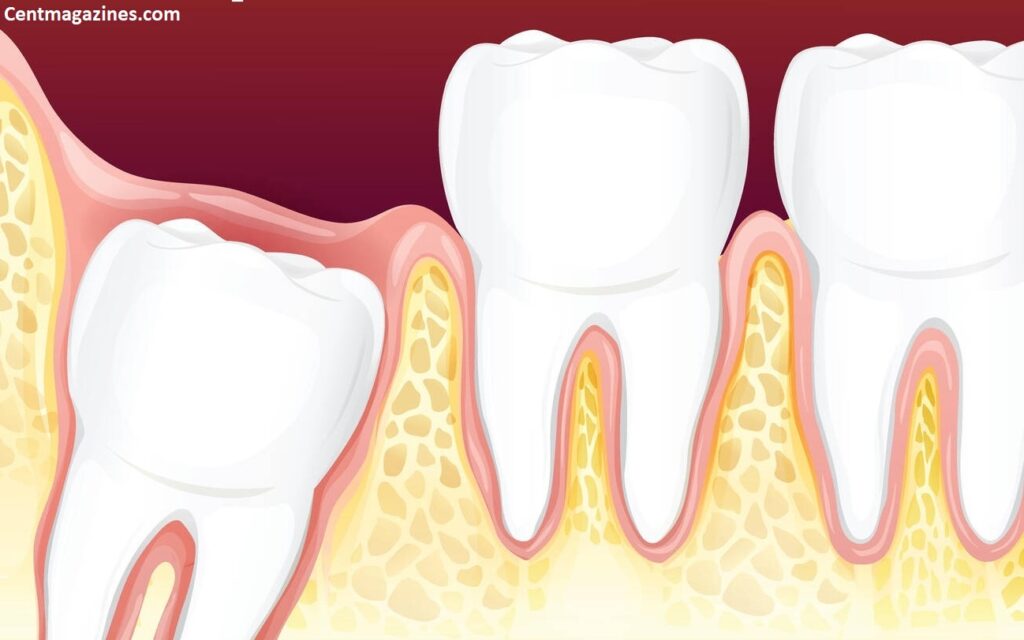
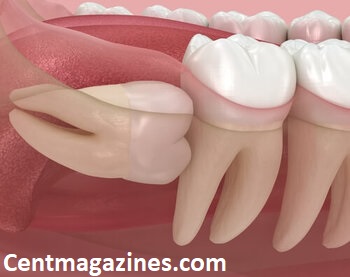
When a wisdom tooth partially erupts, a flap of gum tissue called an operculum hangs over part of the tooth. That little flap is basically a trap. Food particles and bacteria collect underneath it constantly.
When bacteria multiply under the flap, you get an infection called pericoronitis. The area swells, hurts, sometimes makes it hard to open your mouth fully. Then you rinse well, the bacteria die down, the swelling goes, and the pain disappears.
Until next time.
This cycle can repeat every few weeks indefinitely — and it will, until the tooth either fully erupts or gets removed.
I tried to manage mine with saltwater rinses and a small syringe (the kind used for post-surgical cleaning) to flush debris out from under the flap. It helped temporarily, but it was never a real fix.
Pressure on the Neighboring Tooth
An impacted wisdom tooth — one that can’t come in straight — often pushes against the second molar beside it.
This causes a referred kind of ache that’s hard to localize. You might feel it in multiple teeth or even in your ear or jaw.
When the tooth shifts angle slightly or the surrounding tissue swells and cushions it, the pressure changes.
That’s why some days it feels like the whole side of your jaw hurts, and other days it’s oddly localized or gone entirely.
Clenching or Grinding (Especially at Night)
If you clench your teeth when stressed or grind at night (bruxism), you’re applying extra pressure on an already-aggravated area.
Wisdom tooth pain that’s worse in the mornings or after stressful periods is often made worse by this. The tooth itself may be the underlying issue, but lifestyle factors amplify and quiet the pain unpredictably.
The Pain Is Tied to Your Immune Response
Here’s something interesting: your body’s inflammatory response naturally rises and falls. When you’re run-down, sick, stressed, or not sleeping well, your immune system is already taxed — and that gum infection gets worse. When you’re rested and healthy, your body keeps it in check more effectively.
I noticed my worst flare-ups always happened during exam weeks or when I was traveling and sleeping poorly. It wasn’t a coincidence.
How to Tell If It’s Just Normal Eruption Pain or Something More Serious
Not all wisdom tooth pain is equal. Here’s how to read the signals:
Normal eruption discomfort looks like:
- Mild soreness in the back of the jaw
- Slight swelling of the gum near the tooth
- Pain that comes and goes over days or weeks
- Relief with ibuprofen or saltwater rinses
- No fever, no spreading pain
Signs you need to see a dentist soon:
- Pain spreading toward your ear, neck, or throat
- Difficulty opening your mouth fully (trismus)
- Visible pus or a bad taste that doesn’t go away
- Fever alongside jaw pain
- Swelling that’s increasing, not decreasing
- Pain that doesn’t respond to over-the-counter medication at all
The second list is pericoronitis getting serious, or potentially an abscess. Don’t wait that out at home.
What Actually Helps During a Flare-Up
I tried a lot of things over those four months. Here’s an honest rundown of what actually made a difference:
Ibuprofen (not just paracetamol). Ibuprofen is an anti-inflammatory — it targets the actual swelling, not just the pain signal. Taking 400mg with food every 6–8 hours during a bad flare was far more effective for me than paracetamol alone. Some dentists recommend alternating them.
Warm saltwater rinses. Dissolve half a teaspoon of salt in a glass of warm water and rinse gently for 30 seconds, especially after meals. This reduces bacterial load and soothes inflamed tissue. Do it 2–3 times a day during a flare.
A curved irrigation syringe. You can find these at pharmacies or online. Getting underneath that gum flap to flush out trapped food is a game-changer for pericoronitis specifically. It’s mildly uncomfortable but genuinely effective at calming inflammation faster.
Clove oil (eugenol). A small amount applied directly to the gum with a cotton swab numbs the area temporarily. It’s not a cure, but for getting through a rough night it works. Don’t overdo it — it can irritate the tissue if used too frequently.
Avoiding hard, crunchy foods on that side. Seems obvious but I kept forgetting. Every time I crunched something on the affected side I’d set myself back a day or two.
Cold pack on the outside of the jaw. 15 minutes on, 15 minutes off. Helps with swelling if the pain is acute.
The Mistake I Made (And You’ll Probably Make Too)
I kept hoping it would resolve on its own. Every time the pain went away, I convinced myself the tooth had settled and the worst was over.
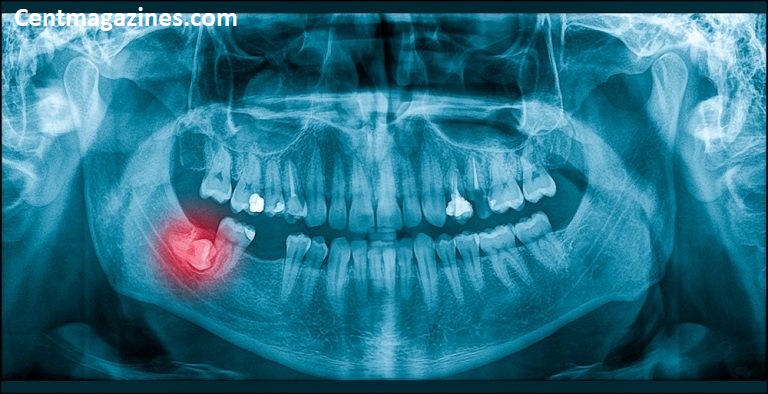
Four months in, a dental X-ray showed the tooth was horizontally impacted — it was physically impossible for it to ever erupt properly. It had been pressing against my second molar the entire time.
The dentist told me if I’d left it another year, there was a real risk of damage to the root of that second molar.
The pain “going away” wasn’t the problem resolving. It was just the inflammation temporarily settling. The underlying problem — an impacted tooth with no space — wasn’t going anywhere.
If your wisdom tooth pain has been cycling for more than 4–6 weeks, please get an X-ray.
A panoramic dental X-ray (called an OPG) shows the angle, depth, and relationship of all four wisdom teeth at once. It’s quick, inexpensive, and gives you actual information instead of guesswork.
When Extraction Is the Right Call
Not every wisdom tooth needs to come out. If it erupts fully, comes in straight, and doesn’t crowd your other teeth, it can stay. Plenty of people keep all four with no issues.
But if the tooth is:
- Impacted (fully or partially stuck under the gum)
- Causing recurring pericoronitis
- Pressing against the adjacent tooth
- Contributing to crowding or alignment issues
- Developing a cyst around it
…extraction is almost always the right call. And I’ll be honest — I put it off longer than I should have because I was scared.
The actual procedure wasn’t nearly as bad as the months of on-and-off pain I’d already been through. Recovery took about 4 days of being careful. I was back to normal eating within a week.
A Quick Word on Home Remedies That Don’t Work
Avoid packing clove oil, garlic, or anything else directly into the gum flap for extended periods. Some forums recommend this but it can introduce bacteria or irritate the tissue further.
There’s no topical remedy that addresses the structural reason the pain exists.
Antibiotics, if prescribed by a dentist, will clear up an acute pericoronitis infection — but they won’t prevent it from coming back. The gum flap is still there.
The trap still exists. Unless the underlying issue changes (full eruption or extraction), the cycle continues.
The Short Answer
Wisdom tooth pain comes and goes because the factors causing it — tissue inflammation, bacterial activity under the gum, the tooth’s movement, pressure on neighboring teeth — all fluctuate.
Your body can suppress the inflammation for a while, making it feel like things are fine, but the underlying cause remains.
It’s not in your head. It’s not randomly appearing and disappearing. It’s a predictable cycle tied to a structural problem that doesn’t resolve on its own.
Get an X-ray. Know what you’re actually dealing with. And don’t spend four months doing what I did — managing the symptoms while ignoring the cause.
FAQ’s
How long does wisdom tooth pain usually last?
The duration of wisdom tooth pain varies depending on the cause. Pain from normal eruption may come and go for several months as the tooth gradually pushes through. However, pain caused by infection, impaction, or pressure on neighboring teeth will not resolve on its own and requires professional dental treatment.
Can wisdom tooth pain go away permanently without extraction?
In some cases, if the wisdom tooth erupts fully and correctly with enough space, the pain may eventually stop on its own. However, for most people, recurring wisdom tooth pain is a sign of an underlying issue that will not resolve without intervention, making extraction the most common and effective long term solution.
What helps relieve wisdom tooth pain at home?
Several home remedies can provide temporary relief, including over the counter pain relievers like ibuprofen, rinsing with warm salt water, applying a cold compress to the jaw, and using clove oil on the affected area. These methods manage discomfort but do not treat the underlying cause.
Is it dangerous to ignore wisdom tooth pain?
Yes, ignoring recurring wisdom tooth pain can lead to serious complications including deep infection, damage to neighboring teeth, cyst formation, and in rare cases the spread of infection to the jaw, neck, or other areas of the body.
At what age do wisdom teeth typically cause problems?
Wisdom teeth usually begin emerging between the ages of 17 and 25, which is why they are often called the third molars of young adulthood. However, some people experience wisdom tooth problems well into their thirties, and others never develop them at all.
Conclusion
Wisdom tooth pain that comes and goes is one of the most common yet most misunderstood dental experiences people face.
The intermittent nature of the pain can be deceiving, leading many to believe the problem has resolved itself during the quiet periods, only to be caught off guard when the discomfort returns with greater intensity.
The truth is that recurring wisdom tooth pain is rarely something that simply disappears without proper treatment.
Whether the cause is a partially erupted tooth, a developing infection, pressure on neighboring teeth, or a fully impacted molar, the underlying issue almost always requires professional attention sooner or later.
Delaying treatment not only prolongs your discomfort but also increases the risk of more serious complications that are far more difficult and costly to address.
The good news is that modern dentistry makes wisdom tooth evaluation and extraction a straightforward and manageable process for the vast majority of patients.
If your wisdom tooth pain keeps returning, do not wait for it to become unbearable before seeking help.
Schedule a dental appointment, get the right diagnosis, and take control of your oral health before the problem has a chance to escalate further.