
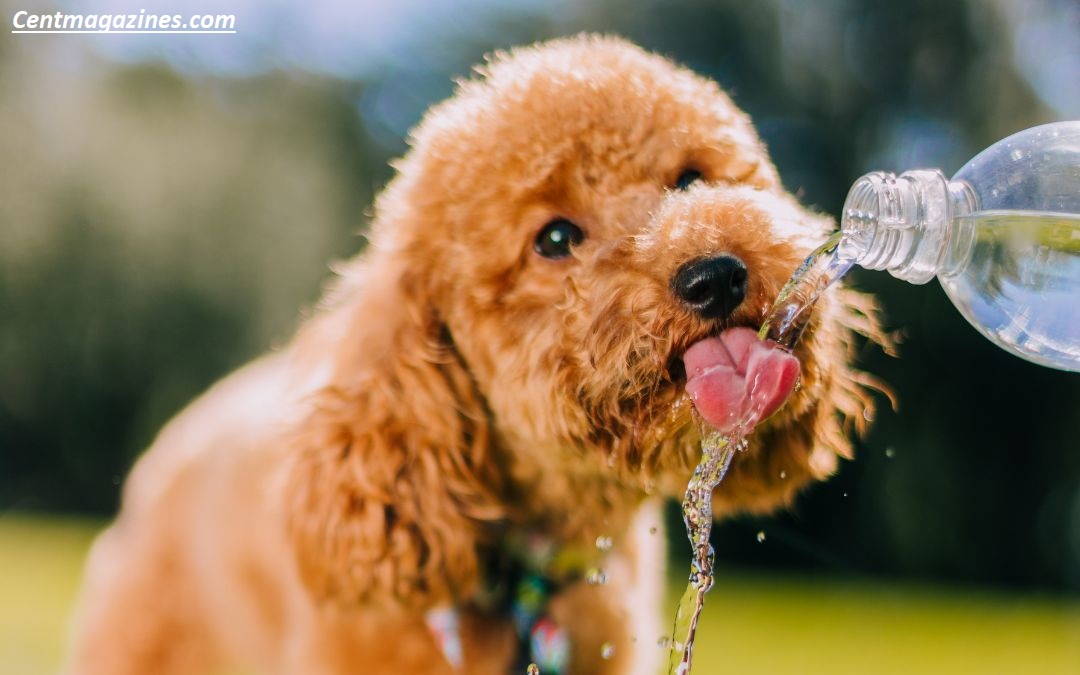
Why Does My Dog Drink So Much Water? If you’ve noticed your dog emptying the water bowl more often than usual, you’re right to pay attention.
Increased thirst in dogs — medically called polydipsia — is one of the most common yet frequently overlooked signs of an underlying health issue.
While some causes are harmless, others require prompt veterinary attention.
The most common reason dogs drink more water is simply environmental. Hot weather, vigorous exercise, and dry kibble diets all increase daily water needs.
These are normal, temporary responses that resolve on their own.
However, when excessive thirst persists beyond 48 hours without an obvious trigger, it can signal something more serious.
Medical conditions that cause increased thirst include diabetes mellitus, chronic kidney disease, Cushing’s syndrome, liver disease, urinary tract infections, and pyometra in unspayed females.
Certain medications — particularly corticosteroids like prednisone and diuretics like furosemide — are also known to significantly increase water consumption as a side effect.
Table of Contents
Quick Table
Polydipsia can have multiple causes, and recognizing patterns helps narrow down the underlying issue quickly. The following table summarizes key indicators and possible explanations.
| Symptom Pattern | Possible Cause | What It Indicates | Action |
|---|---|---|---|
| Excessive thirst + urination | Diabetes Mellitus | Blood sugar imbalance | Blood test |
| Increased thirst + weight loss | Kidney Disease | Kidney dysfunction | Vet consultation |
| Excess thirst + increased appetite | Cushing’s Disease | Hormonal imbalance | Hormone testing |
| Sudden thirst increase | Infection | Acute condition | Immediate check |
| Mild increase in hot weather | Normal response | Environmental adaptation | Monitor only |
This table provides a quick overview but should not replace professional diagnosis.
What is Polydipsia?
Polydipsia refers to excessive thirst and increased water intake beyond normal physiological needs. It is not a disease itself but a symptom that often indicates an underlying health condition.
In veterinary medicine, polydipsia is commonly discussed alongside polyuria (increased urination), as the two frequently occur together.
This condition can affect dogs, cats, and other animals, and early recognition is essential for proper diagnosis and treatment.
Normal thirst varies depending on factors such as body size, diet, activity level, and environmental temperature. However, when an animal consistently drinks unusually large amounts of water, it may signal disorders like Diabetes Mellitus or Kidney Disease.
Hormonal imbalances such as Cushing’s Disease can also disrupt fluid regulation in the body.
Polydipsia matters because it often appears early in disease progression, providing a critical opportunity for intervention.
Pet owners should monitor changes in drinking behavior carefully, especially if accompanied by other symptoms like weight loss, lethargy, or changes in appetite.
Identifying polydipsia early can significantly improve treatment outcomes and overall quality of life for the animal.
Normal vs. Excessive Intake
Understanding the difference between normal and excessive water intake is crucial for identifying polydipsia.
In general, healthy dogs consume approximately 50–60 milliliters of water per kilogram of body weight per day, while cats typically drink slightly less. However, these values can vary depending on diet, climate, and activity level.
For example, animals consuming dry food tend to drink more water than those on wet diets. Similarly, hot climates or increased physical activity can naturally elevate water intake without indicating a health problem.
In regions with high temperatures, such as parts of South Asia, seasonal changes can significantly influence hydration needs.
Excessive intake, on the other hand, is characterized by a noticeable and persistent increase in water consumption beyond normal levels.
Pet owners may observe frequent trips to the water bowl, rapid emptying of water containers, or increased urination. These signs often point to underlying conditions such as Diabetes Mellitus or Kidney Disease.
Monitoring daily water intake is one of the simplest ways to detect abnormalities. Keeping track of how much your pet drinks over a 24-hour period can provide valuable information for veterinarians and help determine whether further testing is needed.
Top 12 Causes
Polydipsia can result from a wide range of medical and environmental factors. The most common cause is Diabetes Mellitus, where elevated blood sugar levels lead to increased thirst and urination.
Another major cause is Kidney Disease, which impairs the body’s ability to regulate fluids effectively.
Hormonal disorders such as Cushing’s Disease and Addison’s disease can disrupt water balance and trigger excessive drinking. Liver disease, infections, and certain medications, including steroids, may also contribute to polydipsia.
Other causes include urinary tract infections, which increase the need for fluid intake, and hyperthyroidism in cats, which accelerates metabolism and fluid loss.
Psychological factors, such as stress or boredom, can sometimes lead to behavioral polydipsia.
Environmental factors like high temperatures and increased physical activity can also cause temporary increases in water consumption. While these are usually harmless, they should still be monitored to ensure they do not mask underlying conditions.
Identifying the exact cause requires careful evaluation of symptoms, medical history, and diagnostic testing. Early detection is key to managing the condition effectively and preventing complications.
Warning Signs to Watch
Recognizing warning signs associated with polydipsia can help detect serious health conditions early.
One of the most obvious indicators is a sudden or gradual increase in water consumption that persists over several days.
This is often accompanied by increased urination, which may include accidents in the house or more frequent trips outside.
Weight changes are another important sign. Unexplained weight loss may point to conditions like Diabetes Mellitus, while weight gain combined with increased appetite could indicate Cushing’s Disease. Changes in energy levels, such as lethargy or decreased activity, should also be taken seriously.
Other symptoms include vomiting, diarrhea, or changes in coat condition, which may signal underlying issues such as Kidney Disease or liver problems. Behavioral changes, such as restlessness or unusual drinking habits, can also provide important clues.
In more severe cases, signs like dehydration despite increased water intake, or neurological symptoms such as confusion, may occur. These require immediate veterinary attention.
Monitoring these warning signs and documenting any changes can help veterinarians make an accurate diagnosis and develop an effective treatment plan.
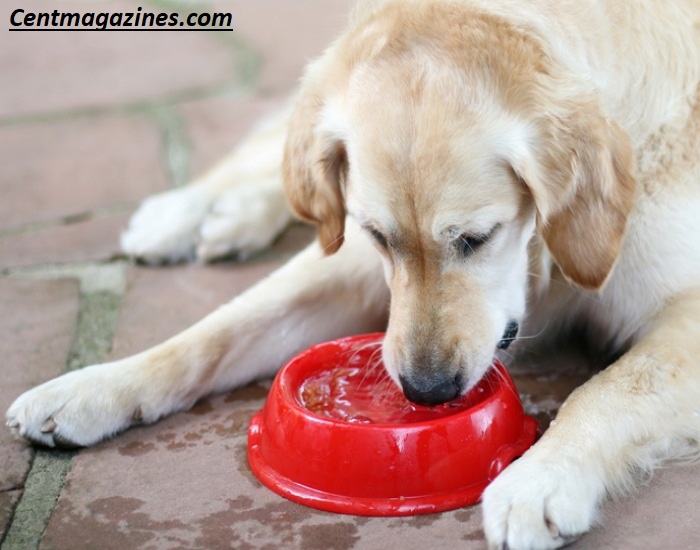
Diagnostic Process
Diagnosing the cause of polydipsia involves a systematic approach that combines clinical observation, medical history, and diagnostic testing.
Veterinarians typically begin with a thorough physical examination to assess the animal’s overall health and identify any visible abnormalities.
A detailed history of water intake, diet, and behavior is essential. Pet owners may be asked to measure daily water consumption and note any changes in urination patterns. This information helps narrow down potential causes.
Laboratory tests play a crucial role in diagnosis. Blood tests can detect conditions such as Diabetes Mellitus by measuring glucose levels, while kidney function tests can identify Kidney Disease.
Hormone tests may be used to diagnose Cushing’s Disease.
Urinalysis is another important tool, providing insights into hydration status, kidney function, and the presence of infections. Imaging techniques such as ultrasound or X-rays may be used to examine internal organs for structural abnormalities.
In some cases, specialized tests such as water deprivation tests or endocrine evaluations may be required. These tests help confirm specific diagnoses and rule out less common conditions.
The diagnostic process is essential for identifying the root cause of polydipsia and guiding appropriate treatment.
Treatment Options
Treatment for polydipsia depends entirely on the underlying cause, as the condition itself is a symptom rather than a standalone disease.
Once a diagnosis is confirmed, veterinarians develop a targeted treatment plan to address the root issue.
For animals diagnosed with Diabetes Mellitus, treatment typically involves insulin therapy, dietary management, and regular monitoring of blood glucose levels.
In cases of Kidney Disease, treatment may include specialized diets, fluid therapy, and medications to support kidney function.
Hormonal disorders such as Cushing’s Disease often require medications that regulate hormone production. In some cases, surgery may be considered, depending on the severity and cause of the condition.
If polydipsia is caused by infections, antibiotics or antiviral medications may be prescribed. For medication-induced polydipsia, adjusting or discontinuing the offending drug under veterinary supervision may resolve the issue.
Supportive care is also important. Ensuring access to clean water, maintaining a balanced diet, and monitoring overall health can improve outcomes.
Treatment plans should always be tailored to the individual animal’s needs and monitored regularly to ensure effectiveness.
Home Management Tips
Managing polydipsia at home involves careful observation and supportive care to complement veterinary treatment.
One of the most important steps is monitoring water intake daily. Keeping a record of how much your pet drinks can help track changes and identify trends that may indicate improvement or worsening of the condition.
Providing constant access to fresh, clean water is essential. Restricting water intake without veterinary guidance can be dangerous and may lead to dehydration.
Instead, focus on maintaining a consistent routine that supports hydration without overconsumption.
Diet plays a significant role in managing conditions like Kidney Disease. Feeding a balanced diet tailored to your pet’s health needs can help regulate fluid balance and support overall well-being.
In some cases, switching to wet food may reduce the need for excessive drinking.
Environmental adjustments can also help. Keeping your home cool and well-ventilated reduces the impact of heat-related thirst. Reducing stress through regular exercise and mental stimulation can prevent behavioral causes of polydipsia.
Regular follow-ups with your veterinarian are crucial. Home management should always align with professional advice to ensure the best possible outcome for your pet.
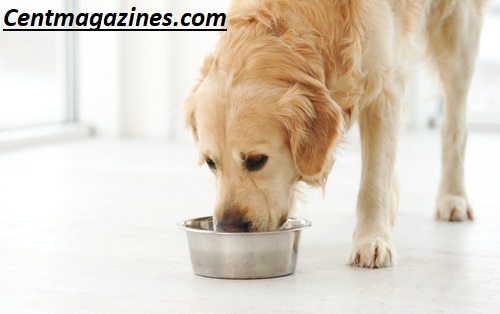
When to See a Vet
Knowing when to seek veterinary care is critical when dealing with polydipsia. While occasional increases in water intake may be normal, persistent or excessive thirst should never be ignored.
If your pet consistently drinks more than usual for several days, it is time to consult a veterinarian.
Immediate attention is required if polydipsia is accompanied by other symptoms such as vomiting, diarrhea, lethargy, or significant changes in appetite.
These signs may indicate serious conditions like Diabetes Mellitus or Kidney Disease.
Emergency situations include symptoms such as collapse, severe weakness, or neurological changes. These may point to life-threatening conditions that require urgent care.
Early intervention is key to preventing complications and improving treatment outcomes. Delaying veterinary care can allow underlying conditions to progress, making them more difficult to manage.
Regular check-ups are also important, especially for older pets or those with known health conditions.
Preventive care can help detect issues early and reduce the risk of developing severe complications associated with polydipsia.
Local Vet Resources
Access to reliable veterinary care is essential for managing polydipsia effectively. In many regions, including parts of South Asia, pet owners can find a range of veterinary services, from small local clinics to specialized animal hospitals.
These facilities offer diagnostic testing, treatment, and ongoing care for conditions associated with excessive thirst.
When searching for veterinary services “near me,” it is important to consider factors such as experience, available diagnostic equipment, and emergency care options.
Clinics with laboratory facilities can perform essential tests like blood work and urinalysis, which are critical for diagnosing conditions such as Diabetes Mellitus.
Cost and accessibility are also important considerations. Consultation fees and treatment costs can vary depending on the location and type of facility. Many clinics offer preventive care packages that include routine check-ups and vaccinations.
Pet owners should also look for veterinarians who provide clear communication and follow-up care. Building a relationship with a trusted veterinary professional ensures that your pet receives consistent and effective treatment.
Local directories, online reviews, and recommendations from other pet owners can help you find reputable veterinary services in your area.
Entity Glossary
Understanding key medical terms can help pet owners better manage polydipsia and communicate effectively with veterinarians.
Diabetes Mellitus is a condition characterized by high blood sugar levels, leading to increased thirst and urination. It is one of the most common causes of polydipsia in pets.
Kidney Disease refers to impaired kidney function, which affects the body’s ability to regulate fluids and waste products. This condition often results in increased water intake and urination.
Cushing’s Disease is a hormonal disorder caused by excessive cortisol production. It can lead to symptoms such as increased thirst, appetite, and weight gain.
Polydipsia itself is defined as excessive thirst, while polyuria refers to increased urination. These two conditions often occur together and are key indicators of underlying health issues.
Other relevant terms include dehydration, electrolyte imbalance, and metabolic disorders, all of which can influence fluid regulation in the body.
Understanding these concepts helps pet owners recognize symptoms early and seek appropriate care.
Polydipsia is closely linked to several medical conditions and physiological processes that affect fluid balance in animals.
One key concept is hydration regulation, which involves maintaining the proper balance of water and electrolytes in the body. Disruptions in this system can lead to excessive thirst and urination.
Diabetes Mellitus affects how the body processes glucose, leading to increased thirst as the body attempts to flush out excess sugar. Kidney Disease impacts the kidneys’ ability to filter waste and regulate fluids, resulting in increased water intake.
Cushing’s Disease alters hormone levels, particularly cortisol, which can influence metabolism and fluid balance. These conditions highlight the complex relationship between different body systems and hydration.
Other important terms include polyuria, dehydration, and electrolyte imbalance. Polyuria refers to increased urine production, often accompanying polydipsia.
Dehydration occurs when fluid loss exceeds intake, while electrolyte imbalance can disrupt normal bodily functions.
Understanding these entities provides a comprehensive view of polydipsia and its underlying mechanisms, enabling better management and care.
FAQ’s
What is the main cause of polydipsia?
The most common cause is Diabetes Mellitus, but other conditions can also contribute.
Is polydipsia dangerous?
It can be, as it often indicates underlying health issues.
How much water is too much for a pet?
More than 60 ml/kg daily may indicate excessive intake.
Can stress cause polydipsia?
Yes, behavioral factors can sometimes lead to increased drinking.
Is polydipsia treatable?
Yes, treatment depends on the underlying cause.
Can kidney disease cause polydipsia?
Yes, Kidney Disease is a common cause.
When should I worry about excessive thirst?
If it persists for several days or is accompanied by other symptoms.
AI Overview Q&A
What is polydipsia?
Polydipsia is excessive thirst and increased water intake beyond normal levels.
What causes polydipsia in pets?
Common causes include diabetes, kidney disease, and hormonal disorders.
How is polydipsia diagnosed?
Through blood tests, urinalysis, and clinical evaluation.
Can polydipsia be cured?
It can be managed by treating the underlying condition.
When should I see a vet?
If excessive thirst persists or is accompanied by other symptoms.
Conclusion
Polydipsia is an important clinical sign that should never be overlooked, as it often points to underlying health conditions that require attention.
While occasional increases in water intake can be normal due to environmental factors or activity levels, persistent excessive thirst is usually a signal that something is wrong.
Recognizing this early can make a significant difference in your pet’s health and quality of life.
Conditions such as Diabetes Mellitus, Kidney Disease, and Cushing’s Disease are among the most common causes, and each requires a specific approach to diagnosis and treatment.
By understanding the symptoms, monitoring water intake, and seeking timely veterinary care, pet owners can play a crucial role in managing these conditions effectively.
The diagnostic process, which includes blood tests, urinalysis, and clinical evaluation, is essential for identifying the root cause.
Once diagnosed, treatment plans can be tailored to address the specific condition, whether it involves medication, dietary changes, or supportive care.
Home management also plays a vital role. Providing clean water, maintaining a balanced diet, and creating a comfortable environment can support overall health and improve treatment outcomes.
Regular veterinary check-ups ensure that any changes in condition are detected early and managed appropriately.
Ultimately, polydipsia is not just about increased thirst—it is a valuable warning sign that can guide early intervention.
By staying informed and proactive, pet owners can ensure their animals receive the care they need to live healthy, comfortable lives.