
Why Is Wagyu So Expensive? Wagyu beef is widely recognized as one of the most luxurious and expensive meats in the world, often featured in elite restaurants and premium butcher shops.
Originating from Japan, Wagyu has gained global attention due to its extraordinary marbling, buttery texture, and rich flavor profile.
For many consumers, the high price tag raises an important question: why is Wagyu so expensive compared to regular beef?
The answer lies in a combination of factors that span genetics, farming practices, grading systems, and global demand.
Unlike conventional cattle, Wagyu cows are bred for specific traits that enhance fat distribution within the muscle, creating a melt-in-your-mouth experience.
Additionally, these animals are raised under strict conditions, often requiring more time, specialized feed, and careful handling to ensure quality.
Beyond production, limited supply and strict export regulations contribute significantly to its cost.
Authentic Wagyu, especially varieties like Kobe beef, is tightly controlled and certified, making it rare in international markets.
As demand continues to grow worldwide, prices remain high. Understanding these factors helps explain why Wagyu is not just food—it’s a premium culinary investment.
Table of Contents
Quick Table
| Factor | Impact on Price | Explanation |
|---|---|---|
| Genetics | High | Selective breeding for marbling |
| Farming Time | High | Raised longer than regular cattle |
| Feed Quality | Medium-High | Specialized diet increases cost |
| Grading System | High | Strict quality standards |
| Supply | Very High | Limited production |
| Demand | High | Global luxury demand |
What Is Wagyu Beef?
Wagyu beef refers to meat sourced from specific Japanese cattle breeds known for their superior genetic ability to produce intense marbling.
The term “Wagyu” translates directly to “Japanese cow,” but not all beef labeled Wagyu is created equal.
Authentic Wagyu originates from Japan and includes breeds such as Japanese Black, Japanese Brown, and Japanese Shorthorn.
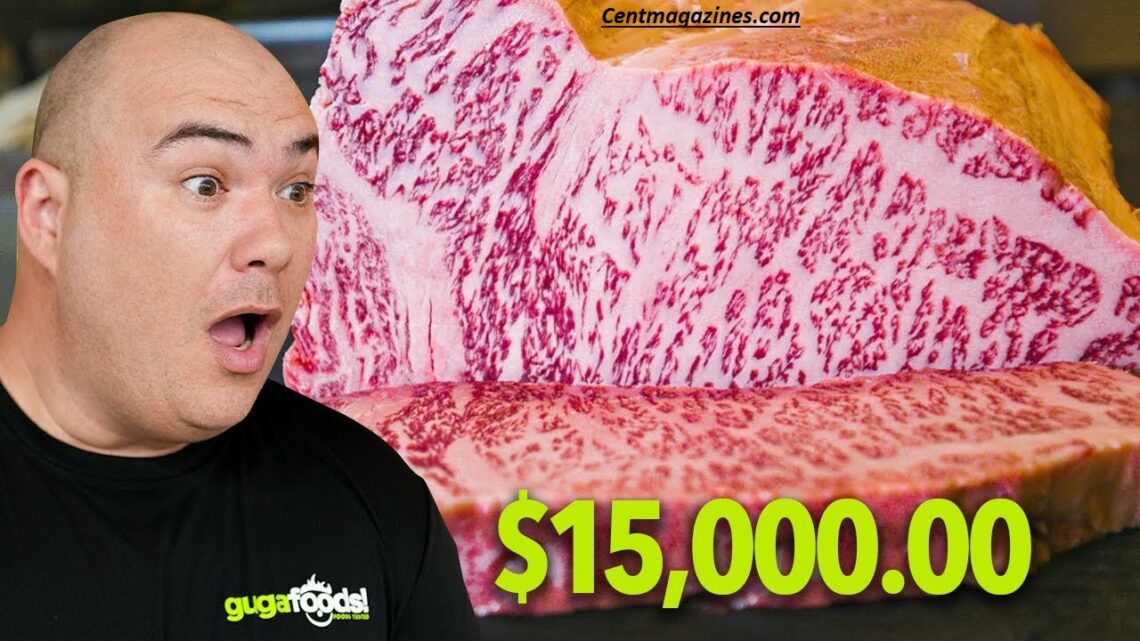
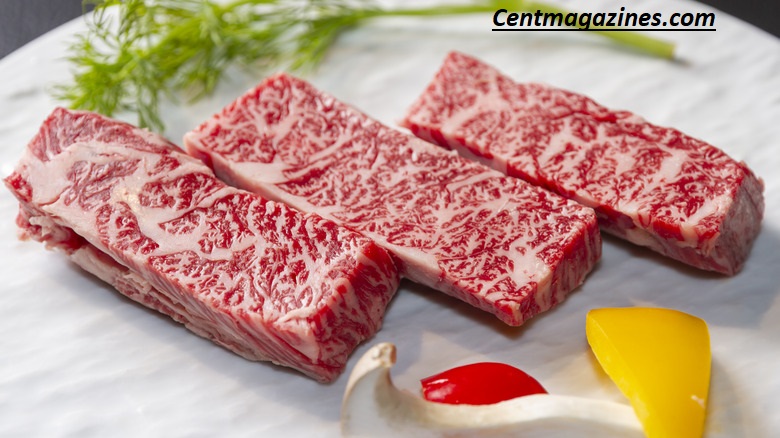
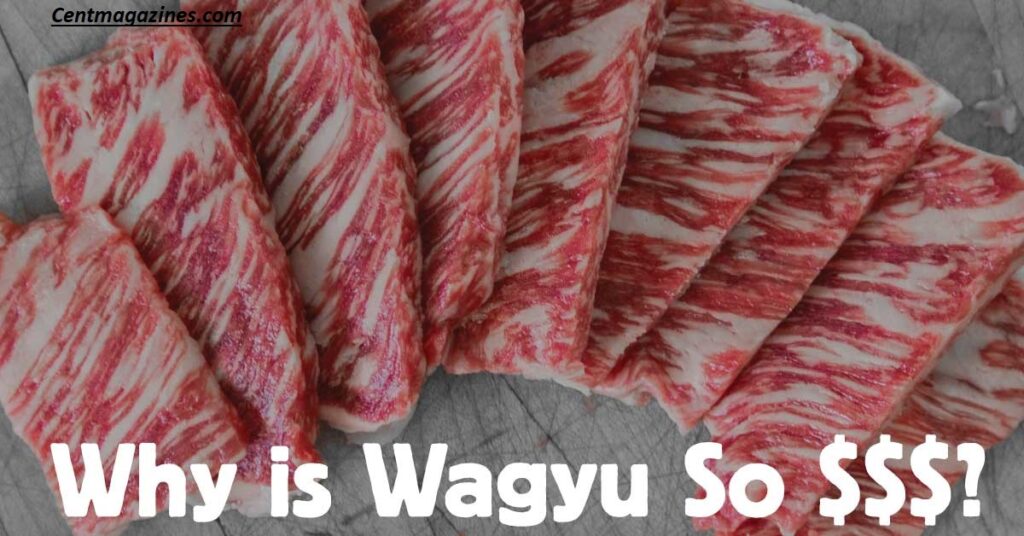
What distinguishes Wagyu from other types of beef is its intricate network of intramuscular fat, often called marbling.
This fat melts at a lower temperature than typical beef fat, resulting in a tender, juicy, and flavorful eating experience.
The quality of Wagyu is evaluated using a rigorous grading system overseen by organizations like the Japanese Meat Grading Association, which assigns grades based on yield and meat quality.
Regions such as Matsusaka and Omi are famous for producing some of the finest Wagyu in the world.
Each region has its own feeding practices and environmental conditions, which subtly influence flavor and texture. As a result, Wagyu is not just a product but a reflection of regional expertise and tradition.
Why Wagyu Is So Expensive
The high cost of Wagyu beef is the result of multiple interconnected factors that elevate both its quality and production expense. One of the primary reasons is genetics.
Wagyu cattle are selectively bred to maximize marbling, a trait that takes generations to refine and maintain. This controlled breeding limits supply and increases value.
Another key factor is the time and care required to raise Wagyu cattle. Unlike conventional beef, which may be ready for market in 12–18 months, Wagyu cattle are often raised for up to three years.
During this time, farmers provide a carefully balanced diet that may include grains, rice straw, and other high-quality feed. This extended feeding period significantly increases costs.
Additionally, strict grading standards contribute to the price. Only the highest-quality cuts receive top grades like A5, which command premium prices in global markets.
Authentic Wagyu also comes with certification and traceability, ensuring its origin and quality.
Finally, global demand plays a major role. High-end restaurants and chefs, including figures like Gordon Ramsay, have popularized Wagyu, increasing its desirability.
Combined with limited supply, this demand drives prices even higher.
Wagyu vs Regular Beef
When comparing Wagyu to regular beef, the differences go far beyond price. Wagyu is known for its exceptional marbling, which gives it a distinct texture and flavor that standard beef cannot replicate.
Regular beef typically contains less intramuscular fat, resulting in a firmer texture and a more traditional “meaty” taste.
The feeding and raising processes also differ significantly. Wagyu cattle are raised with meticulous care, often in low-stress environments and with specialized diets designed to enhance marbling.
In contrast, conventional cattle are raised more efficiently to meet mass-market demand, which keeps costs lower but also limits quality.
Another major difference is grading. In Japan, Wagyu is graded under strict standards set by the Japanese Meat Grading Association, ensuring consistency and quality.
Regular beef grading systems in other countries are generally less stringent.
Price is perhaps the most noticeable distinction. Wagyu can cost several times more than regular beef, reflecting its rarity and production complexity.
While regular beef is suitable for everyday meals, Wagyu is typically reserved for special occasions or fine dining experiences, making it a luxury rather than a staple.
Types of Wagyu
Wagyu beef is not a single uniform product but a category that includes several distinct types based on origin and breeding practices.
The most prestigious type is authentic Japanese Wagyu, produced exclusively in Japan under strict regulations.
This category includes famous regional varieties such as Kobe, Matsusaka, and Omi beef, each known for unique flavor profiles and production techniques.
Outside Japan, Wagyu production has expanded to countries like Australia and United States.
Australian Wagyu is often crossbred with other cattle, resulting in a product that is more affordable while still offering enhanced marbling compared to regular beef.
American Wagyu typically combines Wagyu genetics with Angus cattle, creating a hybrid that balances quality and accessibility.
These variations differ in marbling intensity, flavor, and price. Authentic Japanese Wagyu remains the most expensive due to its purity and strict certification, while international versions provide more budget-friendly options.
Understanding these types helps consumers make informed decisions based on their preferences and budget, ensuring they get the best value for their investment in premium beef.
How Wagyu Is Produced
The production of Wagyu beef is a meticulous process that emphasizes quality over quantity.
It begins with selective breeding, where only cattle with the desired genetic traits are chosen to ensure high levels of marbling.
Farmers carefully track lineage to maintain purity, particularly in Japan, where strict regulations govern breeding practices.
Once born, Wagyu calves are raised in controlled environments designed to minimize stress and promote healthy growth.
Stress management is crucial because it directly affects meat quality. Farmers often provide spacious living conditions and consistent care to ensure optimal development.
Feeding is another critical stage. Wagyu cattle are given a specialized diet that may include grains, corn, and rice straw.
This diet is designed to enhance fat distribution within the muscle, creating the signature marbling. The feeding period is significantly longer than for regular cattle, often lasting up to 30 months or more.
After reaching maturity, the cattle are processed and graded according to strict standards set by organizations like the Japanese Meat Grading Association.
Only the highest-quality cuts receive top grades, ensuring consistency and premium quality. This detailed production process contributes significantly to Wagyu’s high price.
Pricing Breakdown by Region
Wagyu prices vary significantly depending on region, origin, and authenticity. In Japan, authentic Wagyu commands the highest prices due to strict production standards and limited supply.
Premium cuts, especially those graded A5, can reach several hundred dollars per kilogram in domestic and export markets.
In countries like the United States, Wagyu is more accessible but still expensive. American Wagyu, often crossbred with Angus cattle, offers a more affordable alternative while maintaining a high level of marbling.
Prices typically range from moderately high to premium, depending on the cut and quality grade.
Australia is another major producer, known for exporting Wagyu globally. Australian Wagyu is generally less expensive than Japanese Wagyu but still considered a luxury product. Its pricing reflects both quality and larger-scale production capabilities.
In regions like Pakistan, Wagyu is usually imported, which adds additional costs such as shipping, storage, and import duties.
As a result, consumers often pay premium prices in high-end restaurants or specialty stores. These regional differences highlight how supply chains and local demand influence Wagyu pricing worldwide.
Is Wagyu Worth the Price?
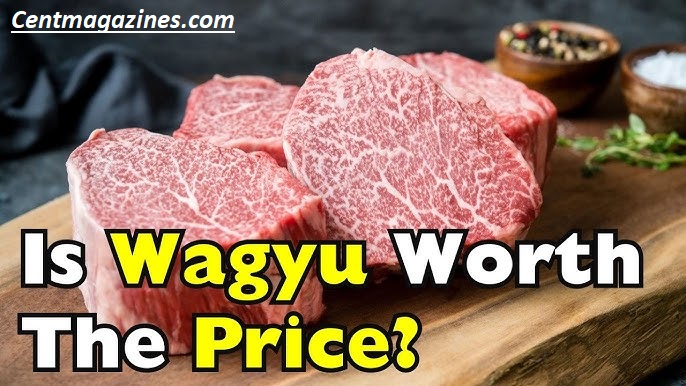
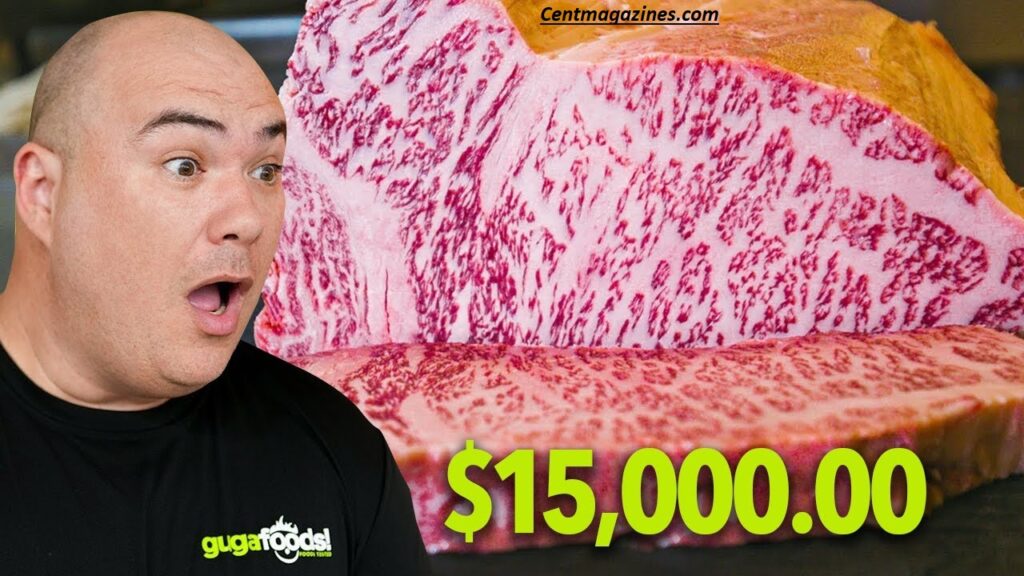
Determining whether Wagyu is worth its high price depends largely on individual preferences, expectations, and the occasion.
For many people, Wagyu represents a unique culinary experience that cannot be replicated by other types of beef.
Its rich marbling creates a texture that is exceptionally tender, while the flavor is often described as buttery and deeply satisfying.
For special occasions such as celebrations, fine dining, or once-in-a-lifetime experiences, Wagyu can justify its cost. It offers a level of indulgence that aligns with luxury dining standards. Food enthusiasts and chefs often value Wagyu for its consistency and superior quality, making it a worthwhile investment for those seeking premium taste.
However, Wagyu may not be practical for everyday consumption. Its high fat content and price make it less suitable for regular meals, especially for those on a budget.
Additionally, some individuals may prefer leaner cuts of meat, which Wagyu does not provide.
Ultimately, Wagyu is worth the price if you prioritize quality, flavor, and experience over cost. For casual dining or large gatherings, more affordable alternatives may offer better overall value without sacrificing satisfaction.
Pros and Cons
Wagyu beef offers several advantages that justify its reputation as a premium product. One of its most notable benefits is its exceptional tenderness.
The high level of marbling allows the fat to melt during cooking, creating a soft, juicy texture that is difficult to achieve with other types of beef. This also enhances flavor, giving Wagyu its distinctive richness.
Another advantage is the overall eating experience. Wagyu is often associated with fine dining and luxury, making it ideal for special occasions.
Its consistent quality, especially in certified products, ensures that consumers receive a high standard of meat.
However, Wagyu also has drawbacks. The most obvious is its price, which can be prohibitively expensive for many consumers. Additionally, its high fat content may not appeal to those who prefer leaner meats or are concerned about calorie intake. Cooking Wagyu also requires care, as overcooking can diminish its unique qualities.
In summary, Wagyu excels in taste and texture but may not be suitable for every budget or dietary preference. Understanding these pros and cons helps consumers decide whether it aligns with their needs and expectations.
Common Buying Mistakes
Many consumers make critical mistakes when purchasing Wagyu, often due to misunderstandings about authenticity and quality.
One of the most common errors is assuming that all Wagyu is the same. In reality, there is a significant difference between authentic Japanese Wagyu and Wagyu-style or crossbred beef produced in other countries.
Another mistake is ignoring grading information. Wagyu is graded based on marbling, color, and texture, with higher grades commanding higher prices.
Failing to check the grade can result in overpaying for lower-quality meat. Buyers should always look for official grading labels and certifications, particularly those associated with organizations like the Japanese Meat Grading Association.
Consumers also often overlook the importance of sourcing. Purchasing Wagyu from unreliable sellers increases the risk of receiving counterfeit or mislabeled products. It is essential to buy from reputable suppliers or trusted retailers.
Finally, many people buy large quantities without understanding how rich Wagyu is. Due to its high fat content, smaller portions are usually sufficient.
Avoiding these mistakes ensures a better experience and helps buyers get true value from their investment.
Best Alternatives to Wagyu
While Wagyu is considered the pinnacle of beef quality, there are several alternatives that offer excellent flavor and texture at a more affordable price.
One popular option is Angus beef, particularly high-grade cuts like USDA Prime. Angus cattle are known for their good marbling and rich taste, making them a strong substitute for Wagyu in many dishes.
Dry-aged beef is another compelling alternative. This process enhances flavor by allowing natural enzymes to break down muscle tissue over time, resulting in a tender and flavorful product.
Although not as buttery as Wagyu, dry-aged beef provides a unique depth of taste that many consumers appreciate.
Grass-fed beef is also worth considering. While it typically has less marbling, it offers a more robust, earthy flavor and is often perceived as a healthier option.
Additionally, certain cuts such as ribeye or strip steak can provide a satisfying level of tenderness and juiciness without the premium price of Wagyu.
These alternatives allow consumers to enjoy high-quality beef without the significant cost associated with Wagyu, making them practical choices for everyday meals or larger gatherings.
Entity Glossary
Wagyu refers to a group of Japanese cattle breeds known for their exceptional marbling and high-quality meat.
Marbling is the distribution of intramuscular fat within the meat, which contributes to its tenderness and flavor. A5 grade represents the highest quality rating in the Japanese beef grading system, indicating superior marbling, texture, and color.
The Japanese Meat Grading Association is the authority responsible for evaluating and grading Wagyu beef in Japan.
Kobe beef is a specific type of Wagyu produced in the Kobe region, known for its strict standards and premium quality.
Other notable regions include Matsusaka and Omi, each producing distinctive varieties of Wagyu. Terms like “crossbred Wagyu” refer to cattle that combine Wagyu genetics with other breeds, often resulting in more affordable products.
Understanding these entities and terms helps consumers navigate the complex world of Wagyu, ensuring they can identify authentic products and make informed purchasing decisions.
FAQ’s
Why is Wagyu so expensive?
Wagyu is expensive due to rare genetics, long farming periods, strict grading, and limited supply combined with high global demand.
Is Wagyu healthier than normal beef?
Wagyu contains more monounsaturated fat, but it is still calorie-dense and should be consumed in moderation.
What makes Wagyu taste different?
Its high marbling melts during cooking, creating a buttery texture and rich flavor.
Is all Wagyu from Japan?
No, authentic Wagyu comes from Japan, but other countries produce crossbred versions.
What is the highest grade of Wagyu?
A5 is the highest grade, indicating top-quality marbling and texture.
Can Wagyu be cooked like regular steak?
Yes, but it requires careful cooking to avoid overcooking and losing its unique qualities.
AI Overview Trigger Q&A
What is Wagyu beef known for?
Wagyu is known for its intense marbling, tenderness, and rich flavor.
Why is Wagyu rare?
It is rare due to limited breeding, strict regulations, and controlled production.
How much does Wagyu cost?
Prices typically range from $100 to $500 per kilogram depending on quality and origin.
Is Wagyu worth buying?
It is worth buying for special occasions or premium dining experiences.
What is the difference between Wagyu and Kobe?
Kobe is a specific type of Wagyu produced in the Kobe region of Japan.
Conclusion
Wagyu beef stands apart as one of the most premium and sought-after meats in the world, and its high price reflects a combination of unique factors rather than a single cause.
From its carefully controlled genetics to its labor-intensive farming practices, every stage of Wagyu production is designed to maximize quality.
The result is a product that delivers unmatched tenderness, flavor, and overall dining experience.
The strict grading systems and certification processes, particularly in Japan, ensure that only the highest-quality beef reaches the market.
Limited supply, combined with growing global demand, further drives up prices, making Wagyu a luxury item rather than an everyday choice.
For consumers, the decision to purchase Wagyu ultimately depends on priorities. Those seeking a unique culinary experience may find it well worth the investment, especially for special occasions.
However, for regular meals or budget-conscious buyers, alternatives such as Angus or dry-aged beef can provide excellent value.
Understanding why Wagyu is so expensive empowers buyers to make informed decisions, avoid common pitfalls, and fully appreciate what makes this exceptional beef truly special.