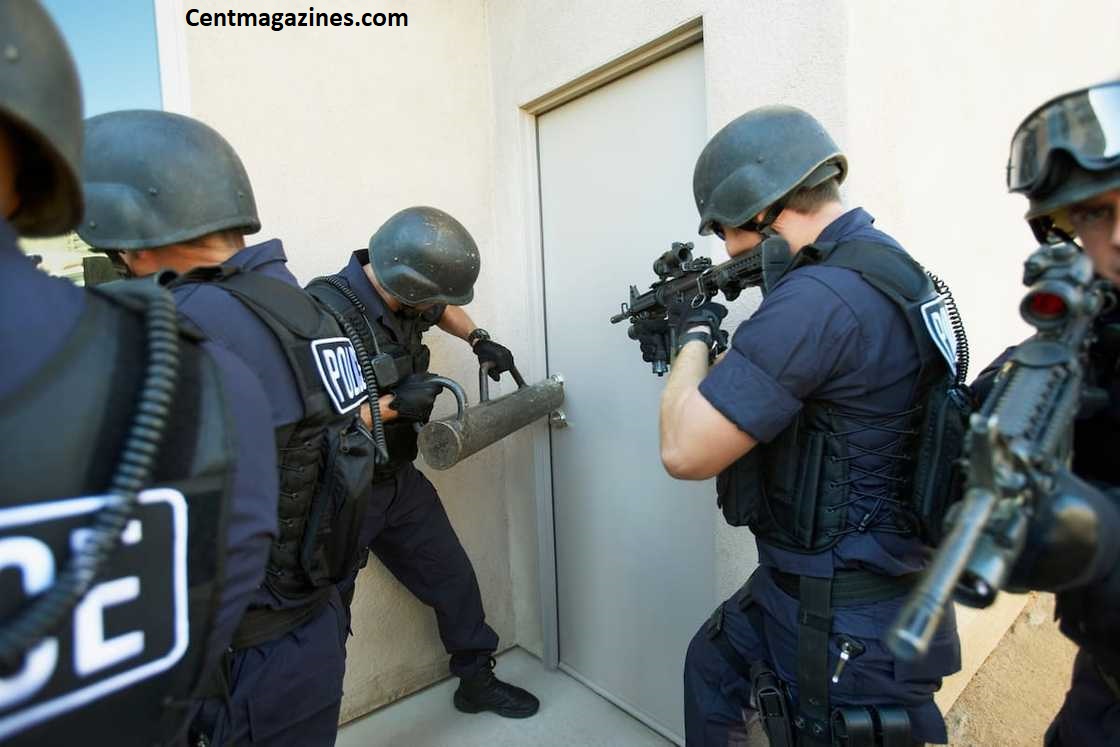
Why Do People Call Cops “12”? Have you ever heard someone shout “12” as a warning that police are nearby and wondered where that term came from? The slang term “12” is widely used in urban communities across the United States as a code word for law enforcement or police officers.
While its exact origin is debated, the most popular theory traces it back to the classic television show “Adam-12,” which aired in the late 1960s and followed two Los Angeles police officers on daily patrol.
Another popular theory suggests it comes from police radio codes used in certain states where “10-12” signaled that officers were present in an area.
Over time, the term spread rapidly through hip hop music, street culture, and social media, becoming one of the most recognized slang terms for police in modern American culture today.
Table of Contents
Quick Table
| Theory | Origin | Credibility |
|---|---|---|
| Adam-12 TV Show | 1960s police drama following LAPD officers on patrol | Very High |
| Radio Code 10-12 | Police radio signal indicating officers are present | High |
| Drug Enforcement Code | Code used to warn others of nearby police activity | Medium |
| Hip Hop Culture | Popularized through rap lyrics and urban street music | High |
| Atlanta Origins | Widely believed to have spread from Atlanta street culture | Medium-High |
| Social Media Spread | TikTok, Twitter, and Instagram amplified the term globally | High |
| Street Warning Code | Used in urban communities to quickly alert others of police | Very High |
| Georgia Precinct Code | Some link it to a specific Georgia police precinct number | Medium |
Why Do People Call Cops “12”?
I grew up in Atlanta. And if you spent even a weekend in certain neighborhoods, you’d hear it constantly — someone yelling “12 is coming!” or a friend texting “12 on the block, be cool.”
The first time I heard it, I genuinely thought it was some kind of code for something else entirely. A street address, maybe. A time.
It took me an embarrassingly long time to figure out that people were talking about the police.
Once I finally asked someone and got a half-explanation, I started digging. And what I found was actually way more interesting than I expected.
This isn’t just some random slang that popped up overnight — it has real historical roots, regional flavor, and cultural weight behind it.
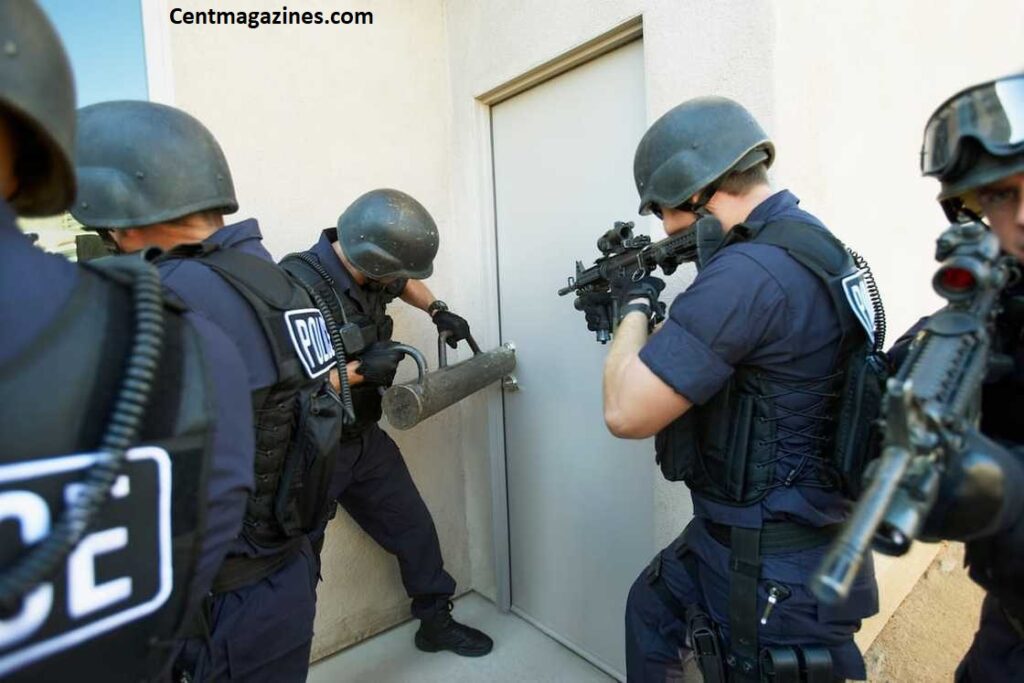
The Most Widely Accepted Origin
If you ask most people why cops are called “12,” the answer you’ll hear most often traces back to a TV show — Adam-12, which aired from 1968 to 1975.
The show followed two LAPD officers in a patrol car with the radio call designation “1-Adam-12.” The show was huge.
It ran for seven seasons and was considered one of the most realistic cop dramas of its time, partly because it was developed with direct cooperation from the LAPD.
Now here’s where the slang part gets interesting.
Police radio codes and patrol designations like “1-Adam-12” were already part of everyday language in communities that had heavy police presence.
People picked up on that terminology — particularly in Black communities in cities like Atlanta, Houston, and Los Angeles — and started using “12” as shorthand for police in general.
Over decades, that shorthand stuck and spread.
By the time hip-hop and trap music started carrying the phrase into mainstream culture, a whole new generation had adopted it without ever knowing the show even existed.
The Radio Code Theory
There’s a second explanation that floats around, and honestly, it might actually be closer to the truth for some regions — or it could be both things reinforcing each other.
In many police departments, especially in the South, “12” is associated with drug enforcement units. Some people trace it to the Narcotics Unit being internally coded as “12” in certain jurisdictions.
If you were involved in anything the narcotics squad cared about, hearing “12” was a warning to move fast.
This makes sense culturally. The slang didn’t just mean “police in general” — it carried a specific edge of “the kind of cops who will search you and charge you.”
That urgency is baked into how people use the word. You don’t say “12’s here” the same way you’d say “there’s a cop at the donut shop.” It’s a warning. It has heat in it.
Whether the drug enforcement angle came first, or whether it piggyacked onto the Adam-12 association, is genuinely unclear. Slang rarely has a single clean origin. It grows in patches.
How Atlanta Made It Go National
I can’t talk about this topic without talking about Atlanta rap. If you grew up listening to trap music in the 2010s, you heard “12” constantly — in lyrics, in ad-libs, in interviews.
Artists like Migos, Young Jeezy, Gucci Mane, and Future used it so naturally and so often that it stopped sounding like slang and started sounding like standard vocabulary.
When Migos dropped “Call the Cops” and various Atlanta artists casually dropped “12” into verses, listeners everywhere — including suburbs in Ohio and small towns in Texas — picked it up.
By around 2014–2016, the word had gone genuinely national. You’d hear it in Chicago. In New York. In LA (where, ironically, it may have originally come from).
It had traveled so far from its source that most people using it had no idea where it started.
That’s how street slang works at its best — it travels through music, gets absorbed without context, and takes on new life in places it was never originally used.
Other Slang Terms People Use for Police (And Their Backstories)
Since we’re here, it’s worth giving “12” some company. There are a bunch of other terms people use, and a lot of them have equally layered origins.
- Five-O — Probably the most well-known one globally, thanks to Hawaii Five-O (the original 1968 TV show, not the reboot). Same pattern as Adam-12. A TV show becomes cultural shorthand.
- Boys in Blue / The Boys — This one’s self-explanatory and has been around for generations. It’s descriptive, not coded.
- Jake — Older slang, mostly faded now. You still hear it in some older hip-hop and in certain East Coast cities. Origin is murky — some trace it to an old term for a patrolling officer.
- Po-Po — Came out of West Coast rap culture in the late ’80s and ’90s. Some say it’s just a playful doubling of “po'” (short for “police”). Others think it has older roots. Either way, it went mainstream fast.
- One Time — This one’s interesting. In some communities, it means police as a warning: “one time” as in “look once” or “be careful once.” It has that same urgency as “12.”
Each of these terms says something about where it came from — what communities were watching, what they feared, what they coded into their own language to stay one step ahead.
Why Communities Develop Coded Language for Police
This is the part that goes a little deeper than etymology, and I think it’s worth talking about honestly.
Communities that have historically been over-policed — particularly Black and Latino communities in American cities — developed this kind of coded language as a survival tool.
It wasn’t just slang for fun. It was practical. If you could warn someone across the street without authorities understanding what you were saying, that was an advantage.
If you could text a friend “12 coming” instead of writing out something obvious, that mattered.
That’s not a political statement — it’s just cultural history. Marginalized communities have always developed coded language to communicate safely.
You see it in LGBTQ+ communities (Polari), in prison culture, in immigrant communities. Language adapts to environment.
“12” became a word that carried a warning, a shared understanding, and a cultural identity all at once. By the time it went mainstream through music, it had already been carrying a lot of weight for a long time.
Common Misconceptions About the Term
A few things I’ve heard people get wrong:
“It means 12 o’clock (straight ahead)” — Nope. This is a myth that gets repeated a lot. The military/aviation term “12 o’clock” just means directly in front of you. That’s a separate usage that has nothing to do with police slang.
“It’s disrespectful to say” — Depends heavily on context and who’s asking. Within communities where it developed, it’s just a word. It’s not inherently an insult — it’s descriptive slang. It only becomes charged depending on how it’s used.
“It started with social media” — Absolutely not. The term was in heavy use in Atlanta at least by the early 2000s, probably earlier. Social media spread it further and faster, but didn’t create it.
How Language Like This Evolves Over Time
One thing I find genuinely fascinating about slang like “12” is watching how it mutates as it travels.
In Atlanta, it’s used very specifically — with urgency, with awareness. If someone yells “12!” it means something immediate.
But in places that picked it up secondhand through music, it often gets used more casually.
I’ve heard teenagers in completely low-crime areas use it almost ironically, with no real sense of what the word was protecting people from in its original context.
That’s not a criticism — that’s just how language travels. It sheds context as it goes. By the time a word becomes a meme or a tweet format, it’s usually pretty far from wherever it started.
So Why Does the Slang Matter?
I think the reason this question keeps coming up — why people want to know where “12” came from — is because slang like this tells you something real about the culture that created it.
It tells you that communities were watching cop shows in the late ’60s and early ’70s and coding that into their daily language.
It tells you that police presence felt significant enough that people needed a shorthand warning system.
It tells you that hip-hop became the vehicle that carried that language out of specific neighborhoods and into the global vocabulary.
That’s a lot of history packed into a single number.
Next time you hear someone say “12’s on the block,” you’re not just hearing slang.
You’re hearing decades of American cultural history, street-level communication, and musical influence compressed into two characters.
Not bad for a number between 11 and 13.
FAQ’s
Why do people call cops “12”?
The most popular theory traces the term back to the classic 1960s television show “Adam-12,” which followed two LAPD officers on daily patrol. Over time the term spread through hip hop culture, street communities, and social media into mainstream everyday language.
Where did the slang term “12” originate?
While the exact origin is debated, most people believe it either comes from the TV show “Adam-12” or from police radio codes where “10-12” indicated that officers were present in a specific area, warning others nearby to be cautious.
Is calling police “12” disrespectful?
The term is generally considered informal street slang rather than an outright insult. However, it is most commonly used in contexts where people want to warn others about police presence, which gives it a somewhat rebellious or anti-authority connotation.
How did “12” become so popular in mainstream culture?
The term gained massive mainstream popularity through hip hop music, rap lyrics, and social media platforms like TikTok, Twitter, and Instagram, where it was picked up by millions of young people across the United States and beyond.
Are there other slang terms used for police?
Yes, there are many other popular slang terms for police including “the feds,” “5-0,” “po-po,” “boys in blue,” “the law,” “jake,” and “pigs,” each with their own unique cultural origins and histories.
Conclusion
The slang term “12” is a fascinating reflection of how street culture, media, and music come together to shape the language we use every single day.
What likely began as a reference to a popular television show or a police radio code has evolved into one of the most widely recognized and frequently used slang terms for law enforcement across the United States and beyond.
Language like this carries deep cultural significance, telling the story of communities, their relationship with authority, and the creative ways people have always found to communicate with one another outside of mainstream norms.
Slang terms like “12” are not just words — they are cultural artifacts that capture a specific moment in time, reflecting the attitudes, experiences, and voices of the people who created and popularized them.
Whether you hear it in a rap song, see it in a social media comment, or catch it in a street conversation, understanding where “12” comes from gives you a deeper appreciation for the richness and complexity of modern urban language and culture.
Language will always continue to evolve, surprise us, and remind us of the incredible creativity and resilience of the communities that shape it every single day.