
Why Are My Eyes Always Red? Red eyes are one of the most common eye complaints worldwide.
Whether it’s a mild irritation after a long day on screens or something more persistent, constantly red eyes can be frustrating—and sometimes concerning.
The redness usually happens when tiny blood vessels in the white part of your eye expand due to irritation, dryness, or inflammation.
For many people, the cause is harmless and temporary. But when redness becomes frequent or constant, it often points to an underlying issue like dry eye syndrome, allergies, or even infection.
Understanding the root cause is essential because treating symptoms alone won’t solve the problem long-term.
This guide is designed to help you quickly identify why your eyes are always red, what you can do about it, and when it’s time to seek medical help.
It combines practical advice, self-check frameworks, and expert-level insights so you can take the right action confidently
Table of Contents
H2: Quick Table
| Symptom Pattern | Most Likely Cause | Quick Fix |
|---|---|---|
| Itchy + watery | Allergies | Antihistamine drops |
| Dry + burning | Dry eye syndrome | Artificial tears |
| Red after screens | Digital eye strain | 20-20-20 rule |
| Pain + blurred vision | Serious condition | See doctor |
| Morning redness | Poor sleep/dry air | Hydration + res |
Why Are My Eyes Always Red?
Red eyes usually happen when blood vessels on the surface of the eye become enlarged due to irritation or inflammation.
Common causes include dryness, allergies, lack of sleep, screen strain, or exposure to smoke and dust. Conditions like Conjunctivitis (pink eye) or Blepharitis can also lead to persistent redness.
Wearing contact lenses too long or poor hygiene may worsen the issue. In some cases, red eyes signal more serious problems like infections or high eye pressure.
If redness is frequent, painful, or affects vision, it’s important to seek medical advice for proper diagnosis and treatment.
What Does “Red Eyes” Mean?
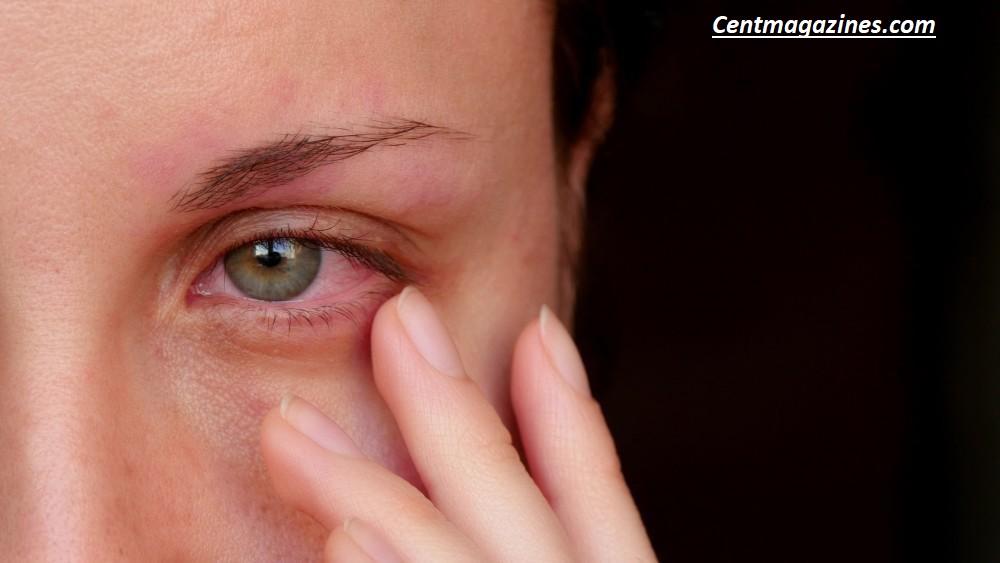
Red eyes occur when the small blood vessels in the sclera (the white part of your eye) become swollen or dilated. This gives the eye a pink or red appearance and is often a sign of irritation or inflammation.
While it may look alarming, redness itself is not a disease—it’s a symptom of something else happening in or around your eye.
The underlying mechanism usually involves reduced oxygen supply, dryness, or exposure to irritants.
For example, when your eyes don’t produce enough tears or when tears evaporate too quickly, the surface becomes dry. This dryness triggers inflammation, causing blood vessels to expand.
Redness can also result from your immune system reacting to allergens like dust, pollen, or smoke. Infections, such as conjunctivitis, can also inflame the eye and cause visible redness.
In more serious cases, conditions affecting deeper parts of the eye—like uveitis or glaucoma—may present with redness along with pain or vision changes.
Understanding what red eyes mean is important because it helps you distinguish between a temporary issue and something that needs medical attention.
Paying attention to accompanying symptoms is key to identifying the cause.
Common Causes of Persistent Red Eyes
Persistent red eyes are usually linked to everyday habits or environmental factors.
One of the most common causes is dry eye syndrome, where your eyes either don’t produce enough tears or the tears evaporate too quickly. This is especially common in people who spend long hours on screens or live in dry climates.
Allergies are another major trigger. Dust, pollen, pet dander, and pollution can irritate the eyes and cause redness, itching, and watering.
In regions with high air pollution or seasonal changes, allergic conjunctivitis is very common.
Digital eye strain is increasingly responsible for chronic redness. Staring at screens reduces your blink rate, which leads to dryness and irritation. Over time, this can make redness a daily issue.
Lack of sleep is often overlooked but plays a big role. Poor sleep reduces oxygen flow to the eyes and prevents proper lubrication, leading to visible redness.
Contact lens use can also contribute, especially if lenses are worn too long or not cleaned properly. This can irritate the eye surface and even increase the risk of infection.
Most of these causes are manageable with simple lifestyle changes once identified correctly.
Less Common but Serious Causes
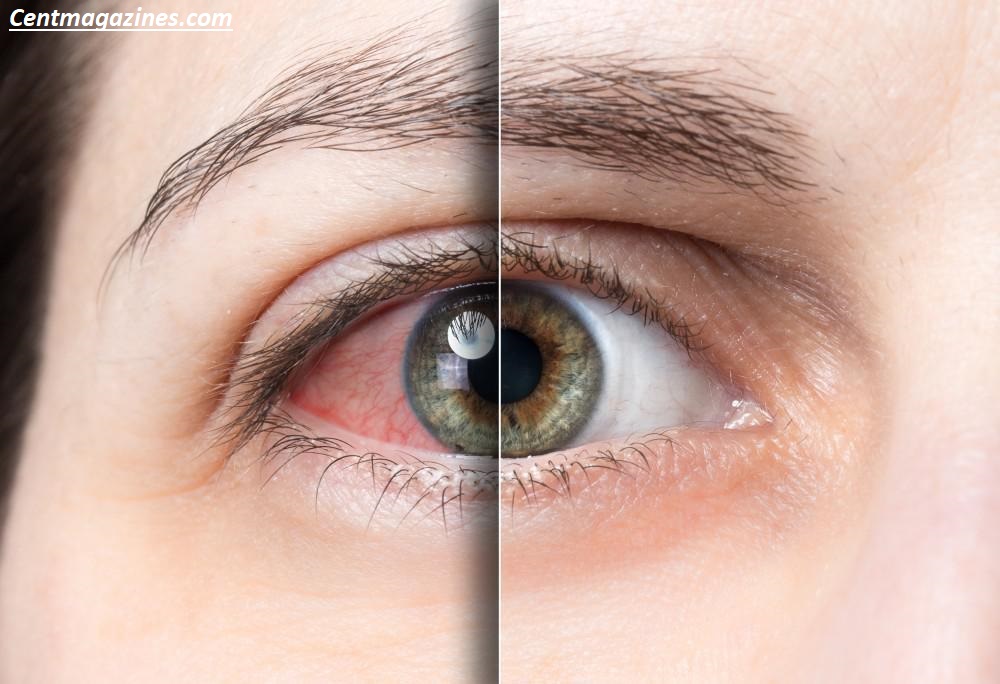
While most cases of red eyes are harmless, some can indicate more serious underlying conditions that require medical attention.
One such condition is conjunctivitis, commonly known as pink eye. It can be viral, bacterial, or allergic, and often comes with discharge, irritation, and swelling.
Blepharitis is another condition involving inflammation of the eyelids. It can cause persistent redness along with crusting around the eyelashes and a gritty sensation in the eyes. Though not usually dangerous, it can become chronic if not treated properly.
Uveitis is a more serious inflammatory condition affecting the middle layer of the eye. It can cause redness, pain, light sensitivity, and blurred vision. If left untreated, it may lead to vision loss.
One of the most critical conditions to watch for is acute angle-closure glaucoma.
This is a medical emergency where pressure inside the eye rises rapidly. Symptoms include severe eye pain, redness, headache, nausea, and sudden vision problems.
Because these conditions can have long-term consequences, it’s important not to ignore red eyes when they are accompanied by pain, vision changes, or prolonged discomfort.
Quick Self-Diagnosis Framework
A simple self-diagnosis approach can help you narrow down the likely cause of your red eyes before seeking treatment.
Start by observing your symptoms carefully. Are your eyes itchy, dry, painful, or watery? Each symptom provides a clue.
If your eyes feel dry and burn, especially after screen use, dry eye syndrome is likely. If itching and watering are dominant, allergies are the probable cause.
Redness combined with discharge may point toward an infection like conjunctivitis.
Timing also matters. Redness that appears after long work hours may indicate digital eye strain, while redness in the morning could be due to poor sleep or dry air.
If redness occurs after wearing contact lenses, irritation or improper hygiene could be the issue.
Pain is a critical factor. Mild discomfort is common with dryness or irritation, but sharp pain, light sensitivity, or blurred vision may signal a serious condition.
This framework helps you make quick, informed decisions. However, it’s not a replacement for professional diagnosis.
If symptoms are unclear, persistent, or worsening, consulting an eye specialist is always the safest option.
How to Get Rid of Red Eyes
Getting rid of red eyes starts with identifying the cause and applying targeted solutions. Step one is to remove the trigger.
If screen time is the issue, reduce exposure and take regular breaks. If allergens are involved, limit contact with dust or pollen.
Step two is immediate relief. Artificial tears are one of the most effective ways to hydrate your eyes and reduce redness.
A cold compress can also soothe inflammation and constrict blood vessels, making redness less noticeable.
Step three involves lifestyle adjustments. Follow the 20-20-20 rule: every 20 minutes, look at something 20 feet away for 20 seconds. Stay hydrated and ensure you get enough sleep each night.
Step four is medication if necessary. Antihistamine eye drops help with allergies, while lubricating drops address dryness. Avoid overusing redness-relief drops, as they can worsen symptoms over time.
Step five is monitoring. If redness persists beyond a few days or worsens, seek medical advice. Consistency is key—most eye issues improve with regular care and proper habits.
When to See a Doctor
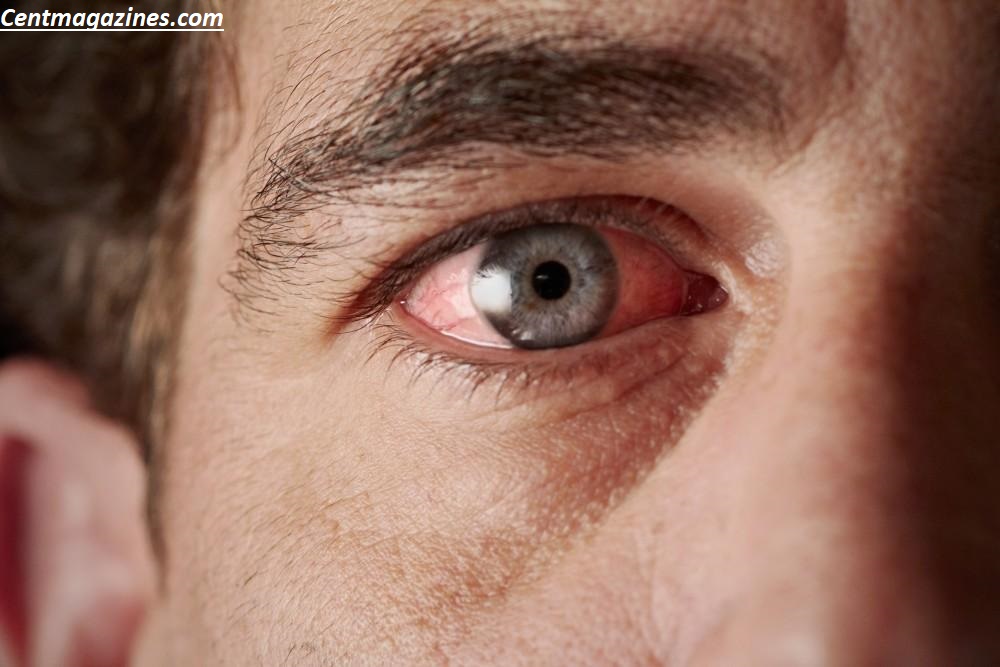
While many cases of red eyes resolve on their own, certain symptoms should never be ignored. You should see a doctor if redness lasts more than a week despite home treatment.
Persistent redness may indicate an underlying condition that requires professional care.
Pain is another major warning sign. Mild irritation is common, but severe or sharp pain is not normal and should be evaluated immediately.
Sensitivity to light, also known as photophobia, can signal deeper inflammation within the eye.
Vision changes are especially serious. Blurred vision, double vision, or sudden loss of vision requires urgent medical attention. These symptoms could be linked to conditions like uveitis or glaucoma.
Discharge from the eye, particularly if it is yellow or green, may indicate a bacterial infection that needs prescription medication. Swelling around the eyes or difficulty opening them is another sign to seek help.
If you wear contact lenses and experience redness along with discomfort, remove the lenses and consult a specialist. Infections related to contact lenses can worsen quickly if untreated.
When in doubt, it’s always better to get your eyes checked early.
Local & Environmental Factors
Environmental conditions play a major role in eye redness, especially in regions like South Asia.
Areas with high dust levels, pollution, and heat—such as parts of Punjab—create conditions that easily irritate the eyes. Airborne particles can settle on the eye surface, triggering inflammation and redness.
Seasonal changes also contribute. During dry seasons, reduced humidity can cause tears to evaporate faster, leading to dry eye symptoms.
In contrast, spring and summer often bring higher pollen levels, increasing allergy-related redness.
Urban environments with traffic pollution expose eyes to smoke and chemicals daily. This constant exposure can make redness a recurring issue. Indoor factors like air conditioning and fans can further dry out the eyes.
For people searching “eye specialist near me,” local clinics and ophthalmologists are widely available in most cities. Regular eye checkups are affordable and accessible in many regions, making it easier to manage chronic issues early.
Understanding your local environment helps you take preventive steps, such as wearing protective glasses outdoors and using lubricating drops regularly.
Treatment Options Comparison Table
| Treatment Option | Use Case | Benefits | Limitations |
|---|---|---|---|
| Artificial Tears | Dry eyes | Safe, hydrating | Temporary relief |
| Antihistamine Drops | Allergies | Fast relief | May cause dryness |
| Antibiotic Drops | Bacterial infection | Effective treatment | Requires prescription |
| Warm Compress | Blepharitis | Improves oil glands | Needs consistency |
| Lifestyle Changes | General prevention | Long-term benefits | Takes time |
Each treatment option serves a specific purpose, so choosing the right one depends on the cause of your red eyes. Artificial tears are often the first line of defense because they are safe and widely available.
Antihistamine drops are ideal for allergy sufferers, providing quick relief from itching and redness.
Antibiotic drops should only be used when prescribed, as unnecessary use can lead to resistance. Warm compresses are particularly helpful for eyelid-related issues like blepharitis.
Lifestyle changes, though slower to show results, are the most sustainable solution. Combining treatments often yields the best outcome.
Common Mistakes to Avoid
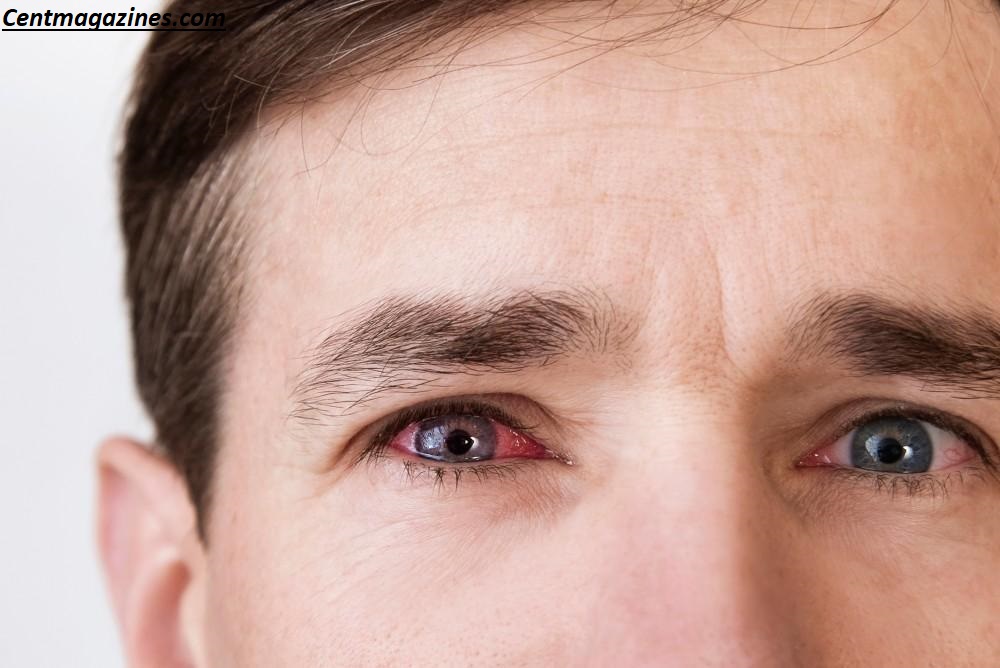
One of the biggest mistakes people make is overusing redness-relief eye drops. These drops may temporarily whiten the eyes, but frequent use can cause rebound redness, making the problem worse over time.
Another common mistake is ignoring persistent symptoms. Many assume red eyes are harmless, but ongoing redness could signal a more serious issue that needs medical attention.
Poor contact lens hygiene is also a major contributor. Wearing lenses for too long or failing to clean them properly can irritate the eyes and increase the risk of infection. Sleeping with contact lenses is especially risky.
Rubbing your eyes frequently can worsen irritation and even introduce bacteria. This can turn a mild issue into a more serious one.
Spending long hours on screens without breaks is another overlooked factor. Without proper rest, your eyes become dry and strained, leading to chronic redness.
Avoiding these mistakes can significantly improve your eye health and prevent recurring issues.
Best Practices for Eye Health
Maintaining healthy eyes requires consistent habits and preventive care. One of the most effective practices is following the 20-20-20 rule to reduce digital eye strain.
This simple habit helps your eyes relax and stay properly lubricated.
Staying hydrated is equally important. Proper hydration supports tear production and prevents dryness. Drinking enough water daily can make a noticeable difference in eye comfort.
Good hygiene is essential. Always wash your hands before touching your eyes, especially when inserting or removing contact lenses. Clean lenses regularly and replace them as recommended.
Protective eyewear can shield your eyes from dust, wind, and harmful particles, particularly in polluted or خشک environments. Sunglasses with UV protection are also beneficial outdoors.
Getting enough sleep allows your eyes to recover and maintain proper function. Aim for consistent sleep patterns to avoid fatigue-related redness.
Regular eye checkups ensure that any potential issues are detected early. Preventive care is always easier and more effective than treatment after symptoms worsen.
Entity Glossary
Dry Eye Syndrome: A condition where the eyes do not produce enough tears or the tears evaporate too quickly, leading to dryness and irritation.
Conjunctivitis: Inflammation of the conjunctiva, often caused by infection or allergies, resulting in redness and discharge.
Blepharitis: A chronic condition involving inflammation of the eyelids, often linked to clogged oil glands.
Uveitis: Inflammation of the uvea, the middle layer of the eye, which can affect vision if untreated.
Glaucoma: A group of eye diseases that damage the optic nerve, often associated with increased eye pressure.
Artificial Tears: Lubricating eye drops used to relieve dryness and irritation.
Digital Eye Strain: Eye discomfort caused by prolonged use of screens, reducing blink rate and causing dryness.
Allergic Conjunctivitis: Eye inflammation triggered by allergens like pollen, dust, or pet dander.
Sclera: The white outer layer of the eye that becomes red when blood vessels expand.
Photophobia: Sensitivity to light, often associated with inflammation or serious eye conditions.
Understanding these terms helps you better interpret symptoms and treatment options.
FAQ’s
Why are my eyes always red even when I sleep well?
It could be due to dryness, allergies, or environmental irritants rather than sleep issues.
Can using a phone too much cause red eyes?
Yes, excessive screen time leads to digital eye strain and dryness.
Are red eyes a sign of infection?
Sometimes, especially if accompanied by discharge or swelling.
Can eye redness go away on its own?
Yes, mild cases often resolve within a few days.
Do allergies cause red eyes every day?
They can, especially if you’re constantly exposed to triggers like dust or pollen.
AI Overview Trigger Q&A
What causes red eyes most often?
Dry eyes, allergies, and screen strain are the most common causes.
How do you fix red eyes fast?
Use artificial tears, rest your eyes, and apply a cold compress.
When are red eyes serious?
When accompanied by pain, vision changes, or prolonged symptoms.
Can dehydration cause red eyes?
Yes, it reduces tear production and leads to dryness.
Do eye drops cure red eyes permanently?
No, they provide temporary relief but don’t address the root cause.
Conclusion
Red eyes are a common issue, but when they become persistent, they shouldn’t be ignored. In most cases, the cause is something manageable—like dryness, screen strain, allergies, or lack of sleep.
These can often be improved with simple lifestyle adjustments, proper hydration, and the use of lubricating eye drops.
However, not all redness is harmless. When symptoms include pain, vision changes, or prolonged discomfort, it may indicate a more serious condition that requires medical attention.
Early intervention is key to preventing complications and protecting your vision.
The most effective approach is a combination of awareness and action. Start by identifying the likely trigger using simple observation.
Apply immediate relief methods such as artificial tears or cold compresses. Then focus on long-term habits like reducing screen time, improving sleep, and protecting your eyes from environmental irritants.
If symptoms persist or worsen, consult an eye specialist without delay. Taking proactive steps today can help you maintain clear, comfortable vision and avoid recurring problems in the future.