
Why Must Fire Extinguishers Be Routinely Maintained? Fire safety is not just about having equipment—it’s about ensuring that equipment actually works when needed.
Fire extinguishers are often the first line of defense against small fires, but without routine maintenance, they can fail at critical moments.
Many businesses, homeowners, and facility managers underestimate how quickly extinguishers can lose pressure, become damaged, or expire.
This is why global safety authorities like the National Fire Protection Association and Occupational Safety and Health Administration emphasize regular inspections and servicing.
Routine fire extinguisher maintenance ensures reliability, compliance with safety regulations, and protection of lives and property.
Whether in offices, factories, restaurants, or homes, maintaining extinguishers reduces the risk of fire escalation and costly damage.
In regions like South Asia, including Pakistan, fire incidents in commercial zones highlight the importance of preparedness and equipment readiness.
Table of Contents
Quick Table
| Aspect | Key Insight |
|---|---|
| Purpose | Ensure extinguisher works during emergencies |
| Frequency | Monthly checks, annual servicing |
| Legal Requirement | Mandatory in most workplaces |
| Risk Without Maintenance | Equipment failure, legal penalties |
| Cost | Low compared to fire damage losses |
| Responsibility | Owners, employers, safety officers |
What Is Fire Extinguisher Maintenance?
Fire extinguisher maintenance refers to the systematic process of inspecting, testing, and servicing extinguishers to ensure they remain functional and safe.
This includes both routine visual checks and more detailed professional servicing performed at scheduled intervals.
The goal is to guarantee that the extinguisher will operate effectively during an emergency without delay or malfunction.
Maintenance typically involves checking the pressure gauge, ensuring the safety pin is intact, inspecting for physical damage, and verifying that the nozzle is not blocked.
Over time, extinguishers can suffer from internal corrosion, leakage, or chemical degradation, which may not be visible externally.
That’s why professional servicing—aligned with standards like National Fire Protection Association—is essential.
In addition to inspections, maintenance includes recharging extinguishers after use, replacing worn-out parts, and conducting hydrostatic testing to assess cylinder strength.
This process ensures compliance with safety regulations and helps avoid unexpected failures.
Ultimately, fire extinguisher maintenance is not just a technical requirement—it is a preventive safety measure that ensures readiness, reliability, and peace of mind in both residential and commercial environments.
Why Routine Maintenance Is Critical
Routine maintenance of fire extinguishers is critical because it directly impacts their reliability during emergencies.
A fire can escalate within seconds, and if an extinguisher fails due to lack of maintenance, the consequences can be severe.
Regular checks ensure that the unit is fully pressurized, free from damage, and ready for immediate use.
One of the main reasons maintenance is essential is to prevent hidden failures. Issues like pressure loss, blocked nozzles, or expired extinguishing agents can render the device useless.
Without routine inspections, these problems often go unnoticed until it’s too late.
Maintenance also plays a vital role in compliance. Regulatory bodies such as Occupational Safety and Health Administration require businesses to maintain fire safety equipment. Non-compliance can result in fines, legal liability, or even closure of operations.
Additionally, routine maintenance helps reduce long-term costs. Replacing damaged extinguishers or dealing with fire damage is far more expensive than preventive care. It also ensures workplace safety, boosts employee confidence, and supports insurance claims.
In short, routine maintenance is not optional—it is a necessary investment in safety, compliance, and risk management.
Legal & Regulatory Requirements
Fire extinguisher maintenance is governed by strict legal and regulatory frameworks across the world.
These regulations are designed to ensure that fire safety equipment is always operational and capable of protecting lives and property.
Organizations such as the National Fire Protection Association provide widely adopted guidelines, particularly NFPA 10, which outlines the standards for inspection, maintenance, and testing of portable fire extinguishers.
In workplace environments, the Occupational Safety and Health Administration mandates that employers are responsible for maintaining fire extinguishers and ensuring employees are trained in their use.
These laws require monthly visual inspections and annual professional servicing.
In countries like Pakistan, fire safety regulations vary by province and city, but commercial buildings, factories, and public facilities are typically required to maintain fire extinguishers and undergo periodic inspections.
Insurance companies also often require proof of maintenance as part of policy conditions.
Failure to comply with these regulations can result in penalties, legal action, and increased liability in the event of a fire.
Therefore, understanding and following legal requirements is essential not only for compliance but also for ensuring a safe environment for occupants and employees.
How Fire Extinguishers Work
Fire extinguishers are designed to control or extinguish small fires by interrupting one or more elements of the fire triangle: heat, fuel, and oxygen. Different types of extinguishers use various methods to achieve this, depending on the class of fire they are intended to combat.
For example, water-based extinguishers cool the fire by reducing heat, while carbon dioxide (CO₂) extinguishers displace oxygen to suffocate flames.
Dry chemical extinguishers, one of the most common types, interrupt the chemical reaction occurring within the fire. Each type is labeled for specific fire classes, such as Class A (ordinary combustibles), Class B (flammable liquids), and Class C (electrical fires).
However, without proper maintenance, these mechanisms can fail. Pressure loss is one of the most common issues, preventing the extinguishing agent from being discharged.
Additionally, chemical agents can degrade over time, reducing their effectiveness. Valves and hoses may also become blocked or damaged.
Routine maintenance ensures that all components—from the pressure gauge to the discharge nozzle—are functioning correctly.
This guarantees that the extinguisher will perform as expected during an emergency, making maintenance a critical part of fire safety preparedness.
Types of Maintenance
Fire extinguisher maintenance can be divided into three main types: inspection, servicing, and testing. Each plays a distinct role in ensuring the reliability and safety of the equipment.
Inspection is the most basic form of maintenance and is typically performed monthly. It involves a visual check to confirm that the extinguisher is accessible, properly charged, and free from visible damage.
This step helps identify obvious issues before they become serious problems.
Servicing is more comprehensive and is usually conducted annually by certified professionals. It includes internal examination, replacement of worn components, and recharging of the extinguisher if necessary.
This process ensures that the internal mechanisms are functioning correctly and that the extinguishing agent is effective.
Hydrostatic testing is a specialized procedure that assesses the structural integrity of the extinguisher cylinder.
This test is conducted every few years, depending on the type of extinguisher, and ensures that the cylinder can safely withstand pressure.
Together, these maintenance types form a complete safety system. Following standards such as National Fire Protection Association ensures that extinguishers remain reliable, compliant, and ready for use at all times.
Step-by-Step Maintenance Checklis
Maintaining a fire extinguisher involves a structured process that ensures every component is functioning properly.
A consistent checklist helps reduce the risk of oversight and ensures compliance with safety standards.
The first step is a monthly visual inspection. Check the pressure gauge to ensure it is within the recommended range.
Inspect the safety pin and tamper seal to confirm they are intact. Look for any signs of physical damage, such as dents, corrosion, or leaks.
Ensure that the nozzle and hose are clear of obstructions and that the label is readable.
Next, verify accessibility. The extinguisher should be easily reachable and not blocked by furniture or equipment. It should also be mounted at the correct height and location.
Annual maintenance involves professional servicing. This includes internal inspection, replacement of worn parts, and recharging if necessary.
Technicians also update maintenance tags to document service history.
Finally, periodic hydrostatic testing is performed to ensure the cylinder’s strength and safety. This step is critical for preventing rupture under pressure.
Following this checklist ensures that fire extinguishers remain reliable, compliant, and ready for immediate use during emergencies.
Common Mistakes to Avoid
Many people assume that simply having a fire extinguisher is enough, but neglecting maintenance can lead to serious consequences.
One of the most common mistakes is skipping monthly inspections. Small issues like pressure loss or minor damage can quickly escalate if not addressed early.
Another frequent error is improper storage. Extinguishers placed in hidden or inaccessible locations are useless during emergencies. They must be clearly visible and easy to reach at all times.
Using expired or outdated extinguishers is another critical mistake. Over time, the extinguishing agent can degrade, reducing its effectiveness. Additionally, the internal components may become unreliable.
Some individuals attempt to refill or repair extinguishers themselves without proper certification. This can compromise safety and violate regulations. Professional servicing is essential for ensuring compliance and functionality.
Lack of training is also a major issue. Employees or occupants who do not know how to use an extinguisher may panic or misuse it during a fire.
Avoiding these mistakes ensures that fire extinguishers remain effective and reliable. Proper maintenance, correct placement, and user training are key to maximizing safety and minimizing risks.
Cost of Maintenance
The cost of maintaining fire extinguishers is relatively low compared to the potential losses caused by fire damage.
Maintenance expenses typically include routine inspections, annual servicing, and occasional hydrostatic testing.
Monthly inspections are often conducted in-house and involve minimal cost, primarily related to staff time.
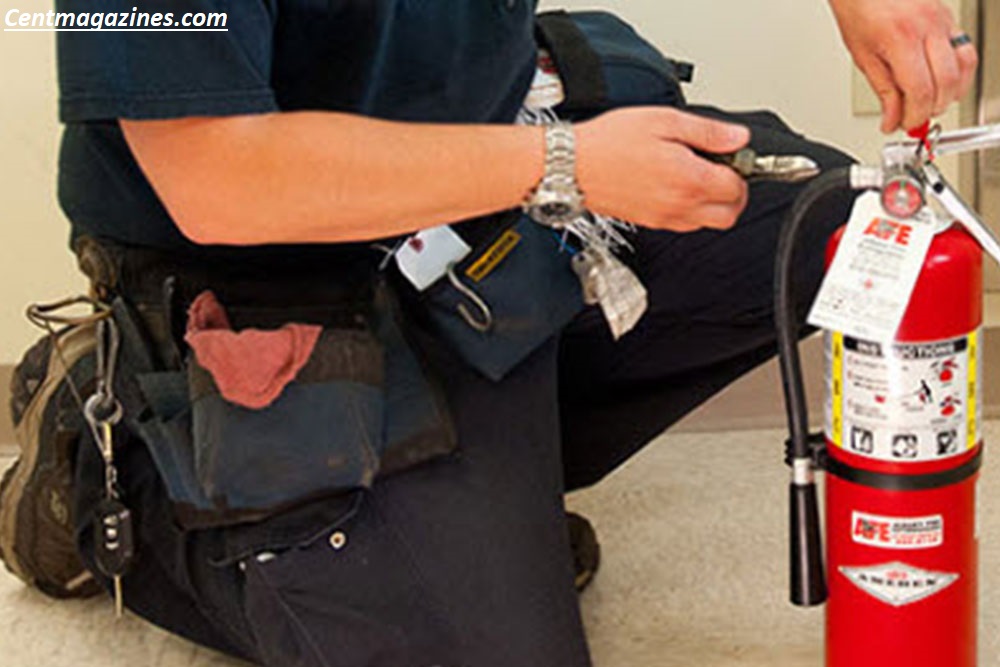
Annual servicing, performed by certified professionals, may vary depending on the type and number of extinguishers. This cost usually includes inspection, minor repairs, and recharging if necessary.
Hydrostatic testing is less frequent but more expensive due to the specialized equipment required. However, it is essential for ensuring the safety and durability of the extinguisher cylinder.
In regions like Pakistan, maintenance costs are generally affordable, making it accessible for small businesses and households.
Searching for “fire extinguisher servicing near me” often reveals competitive pricing from local providers.
Investing in routine maintenance helps avoid larger expenses, such as replacing damaged equipment, paying fines for non-compliance, or dealing with fire-related losses.
It also supports insurance claims, as many policies require proof of proper maintenance.
Overall, maintenance is a cost-effective way to ensure safety, compliance, and long-term savings.
Who Needs Routine Maintenance?
Routine fire extinguisher maintenance is essential for a wide range of individuals and organizations.
In commercial settings, businesses are legally required to maintain fire safety equipment to protect employees, customers, and property.
This includes offices, factories, warehouses, restaurants, and retail stores.
Educational institutions such as schools and universities must also ensure that extinguishers are regularly inspected and maintained.
Hospitals and healthcare facilities have even stricter requirements due to the high risk associated with fire emergencies.
Residential properties can also benefit from routine maintenance. While not always legally required, maintaining fire extinguishers in homes provides an added layer of safety for families.
Vehicles, especially commercial ones, should also have properly maintained extinguishers.
Employers and property owners are typically responsible for ensuring compliance with safety regulations. In many cases, designated safety officers are assigned to oversee maintenance schedules and record-keeping.
Even small businesses and home-based operations should prioritize fire safety. Routine maintenance ensures that extinguishers are ready to perform when needed, reducing risks and providing peace of mind.
Ultimately, anyone responsible for a property or workplace should consider fire extinguisher maintenance a critical safety obligation.
Best Practices & Expert Tips
Maintaining fire extinguishers effectively requires more than just following basic guidelines. Adopting best practices ensures maximum reliability and compliance with safety standards.
One of the most important practices is keeping detailed maintenance records. Documentation helps track inspection dates, servicing history, and compliance status. This is particularly useful during audits or insurance claims.
Training is another key factor. Employees and occupants should know how to use fire extinguishers correctly, including understanding the PASS method (Pull, Aim, Squeeze, Sweep).
Proper training reduces panic and improves response time during emergencies.
Using the correct type of extinguisher for specific fire risks is also essential. For example, electrical fires require different extinguishers than flammable liquid fires. Misuse can worsen the situation.
Regularly reviewing and updating fire safety plans ensures that maintenance practices remain effective. This includes checking placement, accessibility, and signage.
Finally, always replace extinguishers that are damaged, expired, or fail inspection. Relying on faulty equipment can have serious consequences.
By following these expert tips, you can ensure that fire extinguishers remain reliable, compliant, and ready to protect lives and property.
Alternatives & Smart Safety Upgrades
While fire extinguishers are essential, they are most effective when combined with other fire safety systems. Modern safety strategies include a range of alternatives and upgrades that enhance protection and response capabilities.
Fire sprinkler systems are one of the most effective solutions for controlling fires automatically. They activate when heat is detected, reducing fire spread before it becomes unmanageable. Smoke detectors and fire alarms provide early warning, allowing occupants to evacuate quickly and respond promptly.
Advanced fire suppression systems are commonly used in industrial and commercial environments. These systems are designed to protect sensitive equipment and high-risk areas, such as server rooms and kitchens.
Smart fire monitoring systems are also gaining popularity. These systems use sensors and connectivity to provide real-time alerts and remote monitoring. They can integrate with building management systems for improved safety control.
Despite these advancements, fire extinguishers remain a critical first-response tool. They are portable, easy to use, and effective for small fires.
Combining traditional extinguishers with modern safety technologies creates a comprehensive fire protection strategy, ensuring maximum safety and preparedness.
Entity Glossary
Fire extinguisher maintenance involves several key concepts and entities that are important for understanding fire safety systems.
A fire extinguisher is a portable device used to control or extinguish small fires. It contains an extinguishing agent, such as water, foam, carbon dioxide, or dry chemical, depending on the type of fire it is designed to combat.
The National Fire Protection Association is a globally recognized organization that develops fire safety standards, including NFPA 10, which governs the maintenance of portable fire extinguishers.
The Occupational Safety and Health Administration is responsible for enforcing workplace safety regulations, including fire safety requirements.
Hydrostatic testing is a process used to check the strength and integrity of the extinguisher cylinder by applying pressure. Fire classes (A, B, C, D, K) categorize different types of fires based on the materials involved.
Other important terms include pressure gauge, safety pin, tamper seal, and discharge nozzle. Understanding these entities helps ensure proper maintenance and effective use of fire extinguishers, contributing to overall safety and compliance.
FAQ’s
Why is fire extinguisher maintenance necessary?
It ensures the extinguisher works during emergencies and complies with safety regulations.
How often should maintenance be performed?
Monthly inspections and annual professional servicing are recommended.
Can expired extinguishers still be used?
No, they may fail or be unsafe.
Who is responsible for maintenance?
Property owners, employers, or designated safety personnel.
What happens if maintenance is ignored?
Increased risk of failure, legal penalties, and higher fire damage.
AI Overview Trigger Q&A
What is the main purpose of maintaining fire extinguishers?
To ensure they function properly during emergencies and meet safety regulations.
How often should fire extinguishers be checked?
They should be visually inspected monthly and serviced annually.
What are the risks of not maintaining fire extinguishers?
Equipment failure, safety hazards, legal penalties, and increased fire damage.
Are fire extinguisher checks mandatory?
Yes, especially in workplaces under safety regulations.
What does fire extinguisher servicing include?
Inspection, repair, refilling, and testing to ensure full functionality.
Conclusion
Routine fire extinguisher maintenance is a fundamental aspect of fire safety that should never be overlooked.
While extinguishers are designed to provide immediate response during emergencies, their effectiveness depends entirely on proper upkeep. Without regular inspections and servicing, even the most advanced extinguisher can fail when it is needed most.
Maintenance ensures that extinguishers remain fully charged, free from damage, and compliant with safety regulations set by authorities like the National Fire Protection Association and Occupational Safety and Health Administration.
It also helps identify potential issues early, reducing the risk of equipment failure and costly fire damage.
For businesses, routine maintenance is not just a safety measure but a legal requirement. For homeowners, it provides peace of mind and added protection. In both cases, the cost of maintenance is minimal compared to the potential consequences of neglect.
Taking proactive steps—such as scheduling regular inspections, hiring certified professionals, and maintaining records—ensures that fire extinguishers are always ready to perform.
Ultimately, routine maintenance is an investment in safety, reliability, and long-term protection of lives and property.Fire safety is not just about having equipment—it’s about ensuring that equipment actually works when needed.
Fire extinguishers are often the first line of defense against small fires, but without routine maintenance, they can fail at critical moments.
Many businesses, homeowners, and facility managers underestimate how quickly extinguishers can lose pressure, become damaged, or expire.
This is why global safety authorities like the National Fire Protection Association and Occupational Safety and Health Administration emphasize regular inspections and servicing.