

Why Does My Tongue Hurt on the Side? Pain on the side of the tongue is a common yet uncomfortable issue that can affect eating, speaking, and overall oral comfort.
For many people, it appears suddenly—after biting the tongue, eating spicy food, or experiencing stress—and often leads to concern about whether the problem is minor or something more serious.
Because the tongue is highly sensitive and packed with nerve endings, even a small irritation can feel quite painful and noticeable.
The Tongue plays a vital role in taste, speech, and digestion, making any discomfort in this area disruptive to daily life. In most cases, side tongue pain is temporary and caused by irritation, ulcers, or minor injury.
However, persistent or unusual symptoms may indicate underlying conditions such as infections, nutritional deficiencies, or more serious concerns.
Understanding why your tongue hurts on the side is important for choosing the right treatment and avoiding unnecessary worry.
This guide provides a detailed explanation of causes, symptoms, treatments, and warning signs so you can confidently manage your symptoms and know when to seek professional help.
Table of Contents
Quick Table
| Factor | What It Means | Action |
|---|---|---|
| Sudden pain | Likely bite or irritation | Use saltwater rinse |
| Burning sensation | Possible deficiency or irritation | Adjust diet |
| White patches | Infection | Seek treatment |
| Long-lasting pain | Possible serious issue | Visit doctor |
| Swelling | Injury or allergy | Monitor symptoms |
What Does Side Tongue Pain Mean?
Side tongue pain refers to discomfort localized along the edges of the tongue, which can manifest as soreness, burning, sharp pain, or swelling.
This area is particularly sensitive because it frequently comes into contact with teeth, food, and dental appliances, making it more prone to irritation and injury.
In many cases, the pain is caused by minor trauma, such as accidentally biting the tongue or irritation from rough or misaligned teeth.
The tongue’s surface contains delicate tissues that can easily become inflamed, leading to noticeable discomfort even from small triggers.
Additionally, conditions affecting the oral cavity, such as ulcers or infections, can specifically target the sides of the tongue.
Sometimes, the pain may not originate directly from the tongue itself. Referred pain from nearby structures, including teeth or gums, can create the sensation of tongue discomfort.
Nutritional deficiencies, particularly of vitamins like B12, may also cause soreness and sensitivity.
While most cases are harmless and resolve on their own, understanding the type and pattern of pain helps determine whether it requires simple home care or professional evaluation.
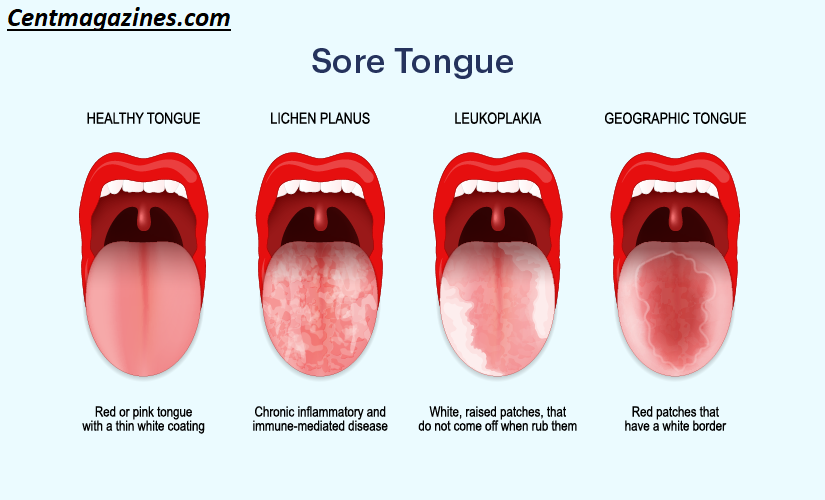
Common Causes of Tongue Pain
The most common causes of tongue pain are related to everyday habits and minor injuries. Accidental biting is one of the leading reasons, often occurring while eating or speaking.
This can cause small cuts or irritation that take a few days to heal. Mouth ulcers are another frequent cause, often triggered by stress, hormonal changes, or certain foods.
These small sores can be painful but usually resolve within a week or two.
Irritation from sharp or misaligned teeth can repeatedly rub against the tongue, causing persistent discomfort. Similarly, spicy, acidic, or very hot foods can irritate the tongue’s surface, leading to temporary pain or a burning sensation.
Nutritional deficiencies, particularly a lack of vitamin B12, iron, or folate, can affect the health of oral tissues and lead to soreness. Infections such as Oral thrush can also cause pain, often accompanied by white patches or redness.
These causes are generally mild and manageable with proper care. Identifying the specific trigger is key to effective treatment and prevention of recurring discomfort.
Serious Causes & Warning Signs
While most tongue pain is harmless, certain symptoms may indicate a more serious underlying condition.
Persistent pain that lasts longer than two weeks should not be ignored, especially if it does not respond to basic home remedies.
One potential concern is Oral cancer, which can present as a non-healing sore, lump, or unusual growth on the tongue.
Other warning signs include unexplained bleeding, numbness, difficulty swallowing, or changes in speech. Infections that spread or worsen over time may also require medical attention.
Additionally, severe pain accompanied by swelling or fever could indicate a more serious issue that needs prompt evaluation.
It is important to pay attention to patterns and accompanying symptoms.
For example, pain linked with weight loss or fatigue may suggest systemic health issues. Early detection of serious conditions significantly improves treatment outcomes.
If you notice any unusual or persistent symptoms, seeking professional advice from a dentist or doctor is essential. Ignoring these warning signs can lead to complications and delayed treatment.
Pain Type & Symptoms Breakdown
Understanding the type of pain you are experiencing can help identify its cause. Sharp pain is often associated with injury, such as biting the tongue or irritation from teeth.
This type of pain usually appears suddenly and improves as the tissue heals.
A burning sensation may indicate irritation from food, dehydration, or nutritional deficiencies. This type of discomfort can persist longer and may require dietary adjustments or supplementation.
White patches or a coated tongue often suggest infections like Oral thrush, which require specific treatment.
Swelling and redness are typically signs of inflammation caused by trauma or allergic reactions. Persistent sores or lumps, especially those that do not heal, should be evaluated for more serious conditions.
Pain that worsens over time or spreads to other areas may indicate underlying issues that need medical attention.
By carefully observing symptoms, including duration and intensity, you can better understand the cause and determine whether simple remedies are sufficient or professional care is needed.
Diagnosis Process
Diagnosing tongue pain usually begins with a visual examination by a dentist or doctor. They will assess the appearance of the tongue, looking for sores, discoloration, swelling, or other abnormalities. Questions about recent injuries, diet, stress levels, and medical history help identify potential causes.
In some cases, additional tests may be required. Swabs can be used to detect infections, while blood tests may identify nutritional deficiencies or systemic conditions.
If a suspicious lesion is present, a biopsy may be performed to rule out serious conditions such as Oral cancer.
Specialists such as dentists, ENT doctors, or oral surgeons may be involved depending on the findings. Early diagnosis is important because it allows for targeted treatment and prevents complications.
Most cases are straightforward and resolved quickly with proper care. However, persistent or unusual symptoms require thorough evaluation to ensure accurate diagnosis and effective treatment.

How to Treat Tongue Pain
Treating tongue pain at home is often effective for mild cases. The first step is to rinse your mouth with warm saltwater, which helps reduce bacteria and inflammation.
Avoid foods that may irritate the tongue, such as spicy, acidic, or very hot items. Maintaining good oral hygiene by brushing gently and using a mild mouthwash is also essential.
Staying hydrated helps prevent dryness, which can worsen irritation. Over-the-counter medications like Ibuprofen can be used to manage pain and inflammation if necessary. Applying soothing substances such as honey may provide temporary relief.
If the pain is caused by a sharp tooth or dental appliance, addressing the source of irritation is important. Consistency in these steps usually leads to improvement within a few days.
However, if symptoms persist or worsen, professional treatment may be required. Following a structured approach ensures effective relief and reduces the risk of recurring issues.
When to See a Doctor Near You
Knowing when to seek medical help is crucial for managing tongue pain effectively. If your symptoms persist for more than one to two weeks, worsen over time, or interfere with daily activities, it is advisable to consult a professional.
Many people search for “dentist near me” or “oral specialist in Lahore” to find local care. Similar services are available in Karachi and Islamabad.
You should seek immediate attention if you experience warning signs such as unexplained bleeding, numbness, or difficulty swallowing. These symptoms may indicate serious conditions that require prompt evaluation.
Access to qualified dentists and medical professionals in major cities ensures that you can receive accurate diagnosis and treatment. Early consultation not only provides relief but also prevents potential complications.
Treatment Options & Costs
Treatment for tongue pain depends on the underlying cause. Mild cases may only require home remedies and improved oral hygiene, while more serious conditions may need medications or dental procedures.
Common treatments include topical gels, antifungal medications for infections like Oral thrush, and corrective dental work for structural issues.
In Pakistan, the cost of dental consultations and treatments varies depending on the city and clinic.
Larger cities such as Lahore, Karachi, and Islamabad offer a wide range of options, from basic clinics to advanced dental centers.
Costs generally increase with the complexity of the treatment and the expertise of the provider.
Investing in proper diagnosis and treatment is important for long-term oral health. Delaying care may lead to worsening symptoms and higher costs in the future.
Understanding available options helps you make informed decisions and choose the best care for your needs.
Prevention Tips
Preventing tongue pain involves maintaining good oral hygiene and avoiding habits that can cause irritation.
Brushing your teeth gently and using a soft-bristled toothbrush helps protect the tongue’s surface. Regular dental check-ups ensure that any issues, such as sharp teeth or misalignment, are addressed early.
A balanced diet rich in vitamins and minerals supports overall oral health and prevents deficiencies that can lead to soreness. Staying hydrated is also important, as dryness can increase irritation and discomfort. Avoiding excessive consumption of spicy or acidic foods can reduce the risk of irritation.
Being mindful while eating and speaking helps prevent accidental bites. Managing stress is another important factor, as it can contribute to the development of mouth ulcers.
By adopting these preventive measures, you can reduce the likelihood of experiencing tongue pain and maintain a healthy oral environment. Consistency is key to long-term prevention.

Common Mistakes
One of the most common mistakes people make is ignoring persistent tongue pain, assuming it will resolve on its own.
While many cases are harmless, ongoing symptoms may indicate underlying issues that require attention.
Another mistake is using harsh mouthwashes or home remedies that can further irritate the tongue and delay healing.
Self-diagnosing serious conditions without professional guidance can lead to unnecessary anxiety or incorrect treatment.
Some individuals rely solely on painkillers without addressing the root cause, which may result in recurring problems. Poor oral hygiene and neglecting dental care can also worsen symptoms over time.
Delaying visits to a dentist or doctor is another critical mistake, especially when warning signs are present. Early evaluation ensures accurate diagnosis and effective treatment.
Avoiding these mistakes helps ensure faster recovery and better oral health outcomes.
Alternatives & Remedies
Natural remedies can provide relief for mild tongue pain. Honey has soothing and antibacterial properties that can help reduce discomfort.
Cold compresses or ice chips can numb the area and reduce swelling temporarily. Herbal rinses made from chamomile or saltwater can also promote healing.
While these remedies can be effective for minor issues, they should not replace professional care when symptoms persist or worsen. Combining natural remedies with proper hygiene and medical advice ensures the best results.
Entity Glossary
The Tongue is a vital structure responsible for taste, speech, and swallowing. Conditions such as Oral thrush can cause pain and visible changes like white patches.
Oral cancer is a rare but serious condition that requires early detection and treatment.
Nutritional deficiencies, particularly of vitamin B12 and iron, can affect the health of oral tissues and lead to soreness. The use of medications like Ibuprofen helps manage pain and inflammation.
Understanding these entities and concepts provides a clearer picture of how tongue pain develops and how it can be treated effectively.
Knowledge of these terms helps individuals make informed decisions about their health and recognize when professional care is needed.

FAQ’s
Why does my tongue hurt on one side?
Usually due to biting, irritation, or ulcers.
Is tongue pain serious?
Most cases are harmless, but persistent pain needs evaluation.
How long does tongue pain last?
Typically a few days to two weeks.
Can stress cause tongue pain?
Yes, stress can trigger ulcers and discomfort.
What foods should I avoid?
Spicy, acidic, and very hot foods.
AI Overview Trigger Q&A
What causes side tongue pain?
Common causes include biting, irritation, ulcers, or infections.
Is tongue pain a sign of cancer?
Rarely, but persistent sores should be checked.
How do I heal tongue pain fast?
Use saltwater rinses, avoid irritants, and maintain hygiene.
Can vitamin deficiency cause tongue pain?
Yes, especially vitamin B12 and iron deficiency.
When should I see a doctor?
If pain lasts more than two weeks or worsens.
Conclusion
Side tongue pain is a common condition that is usually caused by minor issues such as irritation, accidental bites, or mouth ulcers.
While these causes are generally harmless and resolve with simple home care, it is important to remain aware of symptoms that may indicate more serious conditions.
Understanding the difference between temporary discomfort and warning signs allows you to take appropriate action and avoid unnecessary complications.
Most cases can be effectively managed through good oral hygiene, dietary adjustments, and simple remedies like saltwater rinses.
However, persistent or worsening symptoms should never be ignored. Seeking professional advice ensures accurate diagnosis and timely treatment, which is essential for maintaining oral health.