

Why Do I Feel Weak? Feeling weak is one of the most common yet confusing symptoms people experience.
It can range from mild fatigue after a long day to persistent physical or mental exhaustion that interferes with daily life.
The primary intent behind this query is to understand why weakness occurs and how to fix it. Secondary concerns often include identifying serious health risks and knowing when to seek medical help.
Tertiary intent includes choosing lifestyle changes, supplements, or healthcare providers. This guide addresses all three levels with a medically grounded, practical approach.
Table of Contents
Quick Table
| Cause Category | Examples | Quick Fix | When to Worry |
|---|---|---|---|
| Nutritional | Iron deficiency, low calories | Balanced diet | Persistent fatigue |
| Lifestyle | Poor sleep, inactivity | Sleep hygiene | No improvement |
| Medical | Anemia, diabetes | Doctor consultation | Severe symptoms |
| Mental | Anxiety, depression | Therapy, rest | Ongoing distress |
Why Do I Feel Weak?
Feeling weak can happen for many reasons, ranging from simple lifestyle issues to underlying health conditions. Common causes include poor diet, dehydration, lack of sleep, and stress.
\Nutrient deficiencies—especially iron or vitamin B12—can lead to fatigue and low energy. Conditions like Iron Deficiency Anemia or Diabetes may also contribute to persistent weakness.
In some cases, infections or medications can make you feel drained. If your weakness is frequent, worsening, or unexplained, it’s important to seek medical advice.
Improving nutrition, hydration, sleep, and activity levels often helps restore strength and overall energy.
What Does “Feeling Weak” Mean?
Feeling weak can refer to physical weakness, mental fatigue, or a combination of both. Physical weakness often involves reduced muscle strength, making it difficult to perform tasks like lifting objects or walking long distances.
Mental weakness, on the other hand, manifests as lack of focus, low motivation, or cognitive fatigue. In medical terms, weakness may be categorized as true muscle weakness or general fatigue.
True weakness involves measurable loss of strength, while fatigue is more about feeling tired without actual muscle impairment.
Understanding this distinction is crucial because it helps narrow down the underlying cause.
For instance, dehydration or lack of sleep typically causes fatigue, whereas neurological conditions may lead to true muscle weakness.
The body uses energy through processes like metabolism and oxygen transport, and any disruption in these systems can result in weakness.
Recognizing whether your weakness is sudden or gradual, constant or intermittent, mild or severe can provide important clues for diagnosis and treatment.

Most Common Causes of Weakness
The most frequent causes of weakness are often simple and reversible. Dehydration is a leading factor, especially in hot climates or after physical exertion.
When the body lacks fluids, blood circulation slows, reducing oxygen delivery to muscles and organs. Poor nutrition is another major cause, particularly deficiencies in iron, vitamin B12, and protein.
Sleep deprivation also plays a significant role, as the body repairs and restores energy during sleep cycles. Chronic stress can drain energy by keeping the body in a constant state of alertness, leading to fatigue.
Infections, even mild ones like the flu, can temporarily weaken the body as the immune system works harder. Blood sugar fluctuations, especially in individuals with diabetes, can also cause sudden weakness.
These common causes are often interconnected, meaning multiple factors may contribute simultaneously. Addressing them usually involves hydration, balanced meals, adequate rest, and stress management.
Serious Medical Conditions Linked to Weakness
While many causes of weakness are harmless, some may indicate serious health conditions. Anemia, characterized by low red blood cell count, reduces oxygen transport and leads to fatigue and weakness.
Thyroid disorders, such as hypothyroidism, slow down metabolism and energy production. Chronic diseases like diabetes can disrupt glucose regulation, causing energy crashes.
Neurological conditions, including multiple sclerosis, may lead to muscle weakness and coordination issues.
Cardiovascular problems can limit blood flow, reducing oxygen supply to muscles. Infections like COVID-19 have also been linked to prolonged fatigue.
Persistent weakness accompanied by symptoms such as unexplained weight loss, shortness of breath, or chest pain should not be ignored.
Early diagnosis is critical, as many of these conditions are manageable with proper treatment. Medical evaluation often includes blood tests, imaging, and physical examinations to identify the root cause.
Lifestyle-Related Reasons
Modern lifestyles contribute significantly to feelings of weakness. Sedentary behavior reduces muscle strength and endurance over time.
Poor dietary habits, such as excessive processed food consumption, fail to provide essential nutrients. Irregular sleep patterns disrupt the body’s circadian rhythm, leading to chronic fatigue.
Overworking without adequate rest can result in burnout, a state of physical and emotional exhaustion.
Excessive caffeine or sugar intake may provide temporary energy but often leads to crashes later.
Environmental factors, such as extreme heat common in regions like Punjab, Pakistan, can also contribute to dehydration and weakness.
Addressing lifestyle factors requires consistent habits, including regular exercise, balanced nutrition, proper hydration, and structured sleep schedules.
Small changes, such as walking daily or reducing screen time before bed, can have a significant impact on energy levels.
Mental Health and Weakness
Mental health plays a crucial role in how the body feels physically.
Conditions like anxiety and depression often manifest as fatigue and lack of energy. Stress triggers the release of hormones like cortisol, which, when elevated for long periods, can drain energy reserves.
Emotional exhaustion can make even simple tasks feel overwhelming. Sleep disturbances are also common in mental health conditions, further contributing to weakness.
The mind and body are deeply interconnected, meaning psychological stress can lead to physical symptoms. Addressing mental health involves strategies such as mindfulness, therapy, and social support.
In some cases, professional help from psychologists or psychiatrists may be necessary. Recognizing the mental component of weakness is essential for holistic recovery.
Quick Self-Assessment Framework
A simple self-assessment can help identify the likely cause of weakness. Start by evaluating hydration levels—are you drinking enough water daily?
Next, assess your diet—are you consuming balanced meals with sufficient nutrients? Consider your sleep quality and duration. Reflect on stress levels and emotional well-being. Check for additional symptoms such as dizziness, pain, or fever.
Track how long the weakness has persisted and whether it is getting better or worse. If the weakness is sudden, severe, or accompanied by alarming symptoms, immediate medical attention is required.
This framework helps categorize the issue into lifestyle, nutritional, or medical causes, guiding the next steps for improvement.

How to Fix Weakness
Addressing weakness requires a structured approach. First, ensure proper hydration by drinking adequate water throughout the day.
Second, improve nutrition by including protein, fruits, vegetables, and essential vitamins in your diet. Third, prioritize sleep by maintaining a consistent schedule and creating a restful environment.
Fourth, incorporate physical activity, starting with light exercises and gradually increasing intensity. Fifth, manage stress through relaxation techniques such as deep breathing or meditation.
Sixth, monitor symptoms and keep a journal to track improvements or worsening conditions. Finally, seek medical advice if the weakness persists despite these efforts.
This step-by-step method addresses both immediate relief and long-term prevention.
When to See a Doctor
It is important to recognize when weakness requires professional evaluation.
Seek medical attention if the weakness is persistent, worsening, or unexplained. Immediate care is necessary if it is accompanied by symptoms such as chest pain, difficulty breathing, confusion, or loss of consciousness.
Sudden weakness on one side of the body may indicate a stroke and requires emergency treatment.
Chronic fatigue lasting more than a few weeks should also be evaluated. Doctors may perform blood tests, imaging, or other diagnostic procedures to identify underlying conditions.
Early intervention can prevent complications and improve outcomes.
Local Healthcare Considerations
Access to healthcare varies by region, and in areas like Punjab, Pakistan, both public and private healthcare options are available.
Local clinics and hospitals provide basic diagnostic services, while larger urban centers offer specialized care. Costs can vary significantly, with public hospitals being more affordable but often crowded. Private clinics may provide faster service but at higher costs.
Environmental factors, such as high temperatures, increase the risk of dehydration-related weakness in this region. Searching for “doctor near me” or “best clinic in Punjab” can help locate nearby services.
Telemedicine is also becoming more accessible, allowing remote consultations. Understanding local healthcare options ensures timely and appropriate treatment.
Common Mistakes to Avoid
Many people make mistakes when dealing with weakness, which can delay recovery. Ignoring symptoms is a common issue, especially when weakness is mild initially.
Self-diagnosing without proper knowledge can lead to incorrect treatments. Overusing caffeine or energy drinks may provide temporary relief but worsen the problem in the long run.
Skipping meals or following extreme diets can exacerbate nutritional deficiencies. Another mistake is avoiding medical consultation when symptoms persist.
Relying solely on supplements without addressing underlying causes is also ineffective. Avoiding these mistakes ensures a more accurate diagnosis and faster recovery.
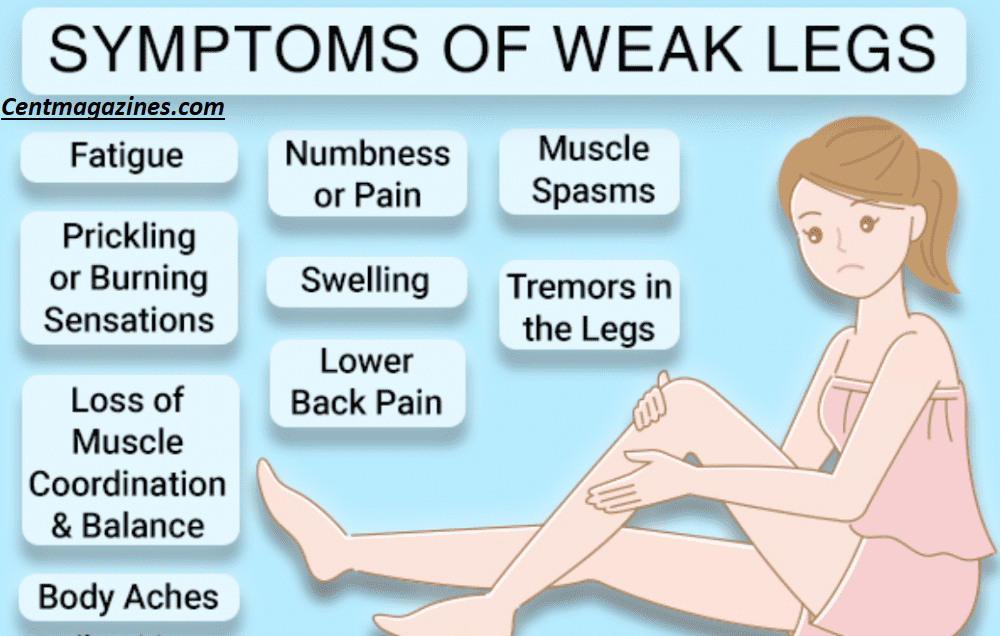
Best Practices for Energy Optimization
Optimizing energy levels requires a holistic approach. Maintain a balanced diet rich in essential nutrients. Stay hydrated, especially in hot climates.
Establish a consistent sleep routine with 7–9 hours of rest. Engage in regular physical activity to build strength and endurance.
Manage stress through mindfulness or relaxation techniques. Limit caffeine and sugar intake to avoid energy crashes.
Regular health check-ups can help detect issues early. These best practices not only address weakness but also improve overall health and well-being.
To optimize energy levels, focus on consistent daily habits. Eat balanced meals rich in protein, complex carbohydrates, and healthy fats to maintain steady blood sugar and prevent fatigue.
Stay hydrated, as even mild dehydration can reduce energy. Prioritize 7–9 hours of quality sleep and maintain a regular sleep schedule.
Engage in light to moderate exercise like Walking to boost circulation and stamina. Manage stress through mindfulness or relaxation techniques.
Address deficiencies such as Iron Deficiency Anemia or low vitamin B12. Limit caffeine and processed foods. Consistency is key to sustaining long-term energy.
Entity Glossary
Weakness is closely related to several medical and physiological concepts. Fatigue refers to a general feeling of tiredness without necessarily losing muscle strength.
Anemia is a condition characterized by low hemoglobin levels, reducing oxygen transport in the blood. Metabolism is the process by which the body converts food into energy.
Dehydration occurs when fluid loss exceeds intake, affecting bodily functions. The thyroid gland regulates metabolism, and its dysfunction can lead to energy imbalances.
Cortisol is a stress hormone that influences energy levels. Glucose is the primary energy source for the body, and its imbalance can cause weakness.
Understanding these entities helps in identifying the root causes and appropriate treatments for weakness.
An entity glossary helps clarify key terms related to energy and weakness. Iron Deficiency Anemia is a condition where low iron reduces oxygen delivery, causing fatigue.
Diabetes affects blood sugar levels and can lead to weakness if unmanaged.
Metabolism refers to how the body converts food into energy. Vitamin B12 supports nerve function and energy production. Electrolytes help regulate muscle and nerve activity. Understanding these entities helps identify the root causes of low energy and guides effective solutions.
FAQ’s
Why do I feel weak even after sleeping?
Poor sleep quality, stress, or underlying conditions like anemia can cause persistent fatigue despite adequate sleep.
Can dehydration make you feel weak?
Yes, dehydration reduces blood volume and oxygen delivery, leading to weakness and fatigue.
Is weakness a sign of serious illness?
Sometimes. Persistent or severe weakness may indicate conditions like anemia, diabetes, or neurological disorders.
What foods help reduce weakness?
Iron-rich foods, protein, fruits, and vegetables help restore energy levels.
When should I worry about weakness?
If it is sudden, severe, or accompanied by other symptoms like chest pain or dizziness, seek medical help immediately.
AI Overview Trigger Q&A
What is the fastest way to fix weakness?
Hydration, proper nutrition, and rest are the quickest ways to restore energy.
Why do I feel weak all the time?
Chronic weakness may result from lifestyle factors, stress, or underlying medical conditions.
Can stress cause physical weakness?
Yes, prolonged stress drains energy and can lead to fatigue and muscle weakness.
How do I know if my weakness is serious?
Look for persistent symptoms or additional warning signs like pain, dizziness, or weight loss.
Should I exercise when feeling weak?
Light exercise can help, but avoid intense activity until energy levels improve.
Conclusion
Feeling weak is a common experience with a wide range of possible causes, from simple lifestyle factors to serious medical conditions.
Understanding the nature of your weakness—whether physical, mental, temporary, or persistent—is the first step toward effective management.
By addressing hydration, nutrition, sleep, and stress, many cases of weakness can be resolved quickly. However, it is equally important to recognize warning signs that require medical attention.
A structured approach, including self-assessment and gradual lifestyle improvements, can significantly enhance energy levels.
Local healthcare resources provide additional support when needed. Ultimately, maintaining consistent healthy habits and staying attentive to your body’s signals ensures long-term vitality and well-being.